Photo: Wikipedia
Find The Best Places To Live
in Temple
PRO TIP! You can paste a Zillow or Redfin link to get info on that property.
What It's Like Living in Temple, TX
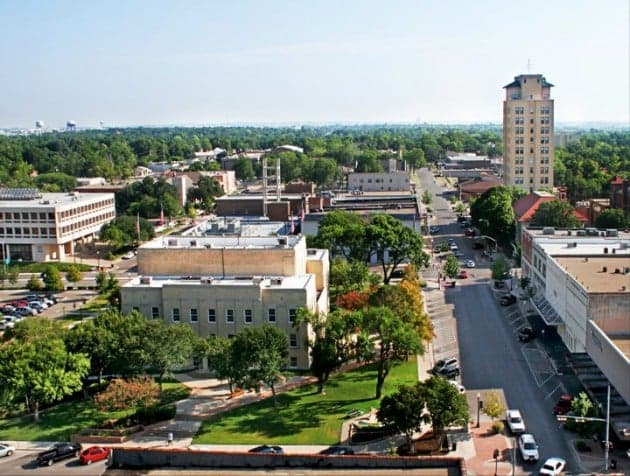
If you’re looking for a Texas town that feels like it’s still figuring out its own identity—part old railroad depot, part fast-growing medical hub—Temple is worth a serious look. It’s a place where you can still buy a home for around $220,000, where the high school football game on Friday night is the main event, and where your commute is almost certainly under 22 minutes. It’s not flashy, but for the right person, it’s exactly the right speed.
The Daily Rhythm: Work, Errands, and Weekend Plans
Life in Temple moves at a deliberate, unhurried pace. The median age here is just under 34, which means you’ve got a mix of young families, single professionals working at Baylor Scott & White Medical Center, and folks who’ve been here long enough to remember when the Santa Fe Depot was the center of everything. Most people’s weekdays revolve around a short commute—the average is about 21 minutes—and errands that don’t require a trip to Austin or Waco unless you want something specific. You’ll find yourself at H-E-B for groceries, maybe grabbing a burger at Birdsong Brewing Co. on a Thursday evening, or hitting up the Miller Springs Nature Center for a quick hike after work. Weekends often mean a trip to the Farmers Market downtown, a lazy afternoon at Lion’s Park, or a drive out to Stillhouse Hollow Lake for fishing and kayaking. It’s a town where you can actually get to know your neighbors because you’re not all racing past each other.
Sports, Schools, and Community Pride
High school football isn’t just a pastime here—it’s a civic religion. Temple High School’s Wildcats pack the stands at Wildcat Stadium on fall Fridays, and the energy is genuine, not performative. If you’re a family with kids, the school system is a major part of your social life; parent-teacher nights and booster club events are where you’ll meet people. There’s no major pro sports team in town, but that’s fine—people drive to Arlington or Houston for a game and are happy to come home to a place where the biggest local rivalry is with Belton. The Temple College Leopards (junior college) draw a smaller but loyal crowd for basketball and baseball. For a town of 86,000, the sports scene is more about participation than spectacle—youth leagues, church softball, and the occasional 5K are the real heartbeat.
What’s There to Do: Eats, Festivals, and Outdoor Life
You won’t find a Michelin-starred restaurant in Temple, but you’ll find food that people talk about. Schmaltz’s Sandwich Shop is a local institution for a reason—the pastrami is legit. Jesse’s Taqueria serves breakfast tacos that rival anything in Austin, and Birdsong Brewing is the go-to for a craft beer and live music on a Saturday. The big annual event is the Central Texas State Fair in September, which brings carnival rides, livestock shows, and a sense of small-town pride. For outdoor types, the Chisholm Trail Parkway is a paved trail that runs through town, and Lake Belton is 15 minutes away for boating and swimming. The Palace Theatre downtown hosts concerts and plays, and the Czech Heritage Museum is a quirky nod to the area’s immigrant roots. The cultural scene is modest but earnest—you won’t be bored, but you also won’t mistake it for a big city.
Pros and Cons of Living Here
Let’s be honest: Temple has real upsides and real trade-offs. On the plus side, the cost of living is a solid 8% below the national average, and a median home value of $220,300 means a starter home is actually attainable for a single person or a young family. The violent crime rate is remarkably low—about 9 per 100,000 residents, which is far below the national average—so you can feel safe walking your dog at night. The weather is classic Central Texas: hot summers, mild winters, and a spring that brings wildflowers and the occasional tornado warning. The biggest frustration for longtime residents is the lack of variety in shopping and dining—you’ll drive to Austin or Round Rock for a mall or a really good sushi spot. Traffic is rarely a problem, but the city’s growth is starting to show on I-35 and the main arteries. The median income of $64,945 is decent, but with only 29.5% of adults holding a college degree, the job market outside of healthcare and education can feel thin. If you’re a remote worker or in the medical field, you’ll be fine. If you’re looking for a tech scene or a vibrant nightlife, you’ll be disappointed.
Who Fits In Here
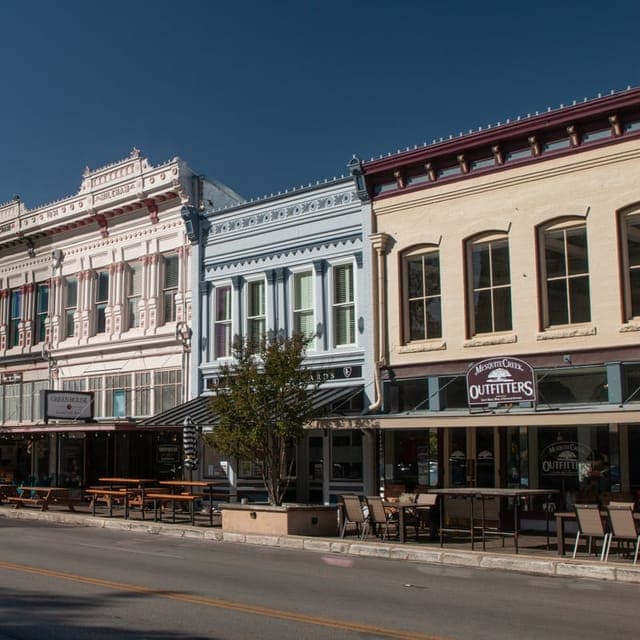
Temple works best for people who value stability over excitement, community over convenience, and space over density. It’s ideal for a single nurse or a family with young kids who want a yard, a good school, and a short commute. It’s less ideal for a single 25-year-old looking for a dating scene or a foodie who wants a new restaurant every week. The local identity is rooted in a kind of quiet self-reliance—people are friendly but not pushy, and they’ll help you jump-start your car without expecting a favor in return. The biggest cultural quirk is the pride in the town’s railroad and medical history; you’ll see murals of trains and references to “the Temple of Healing” everywhere. It’s a town that knows what it is, and it’s not trying to be anything else. If that sounds like your speed, you’ll probably love it here.

Similar small cities to Temple
* Values derived from national, state, county, city and local statistics and may differ in a specific area. Last updated: 2026-07-20T01:55:26.000Z
Narrative content on this page is AI-generated and may contain mistakes. Verify any details that matter before acting on them.
ReloMaps may earn a commission from affiliate links at no extra cost to you.

