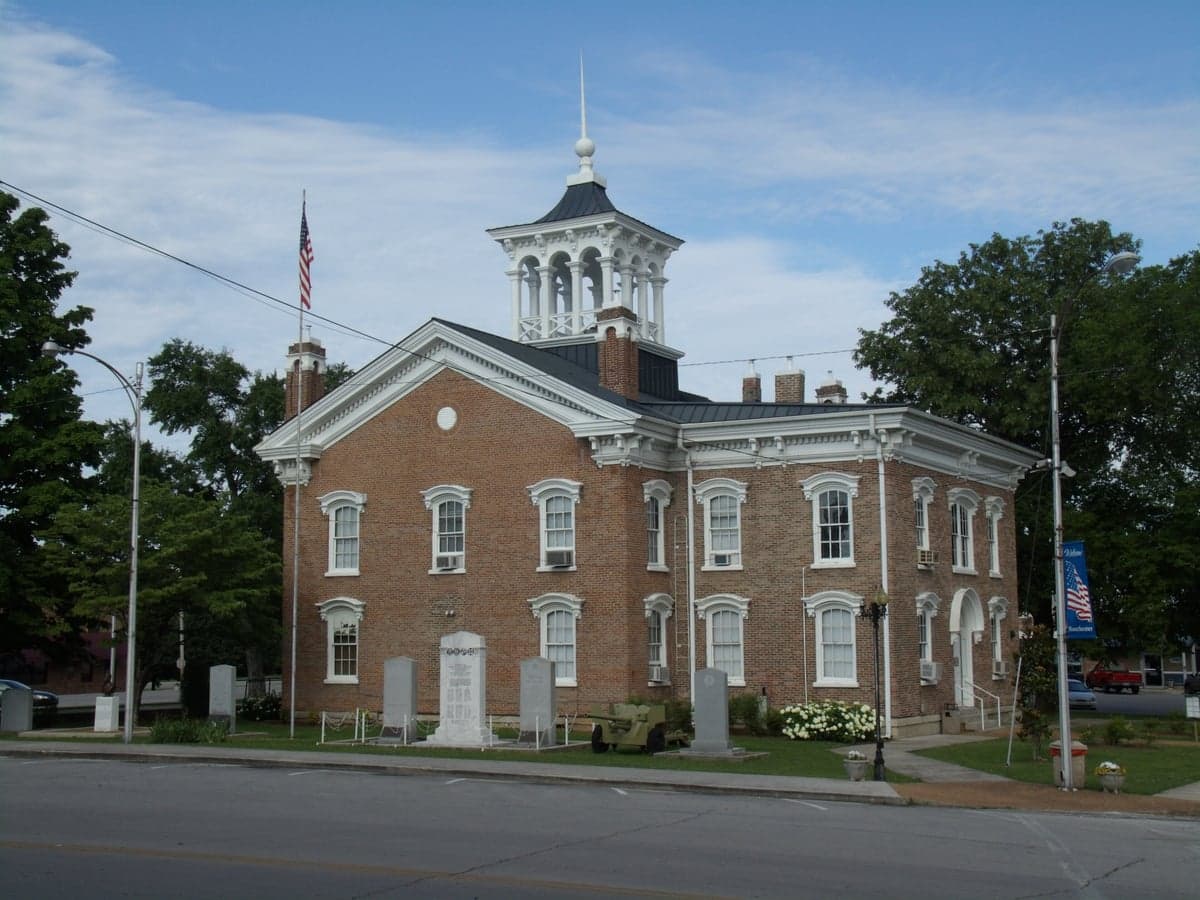
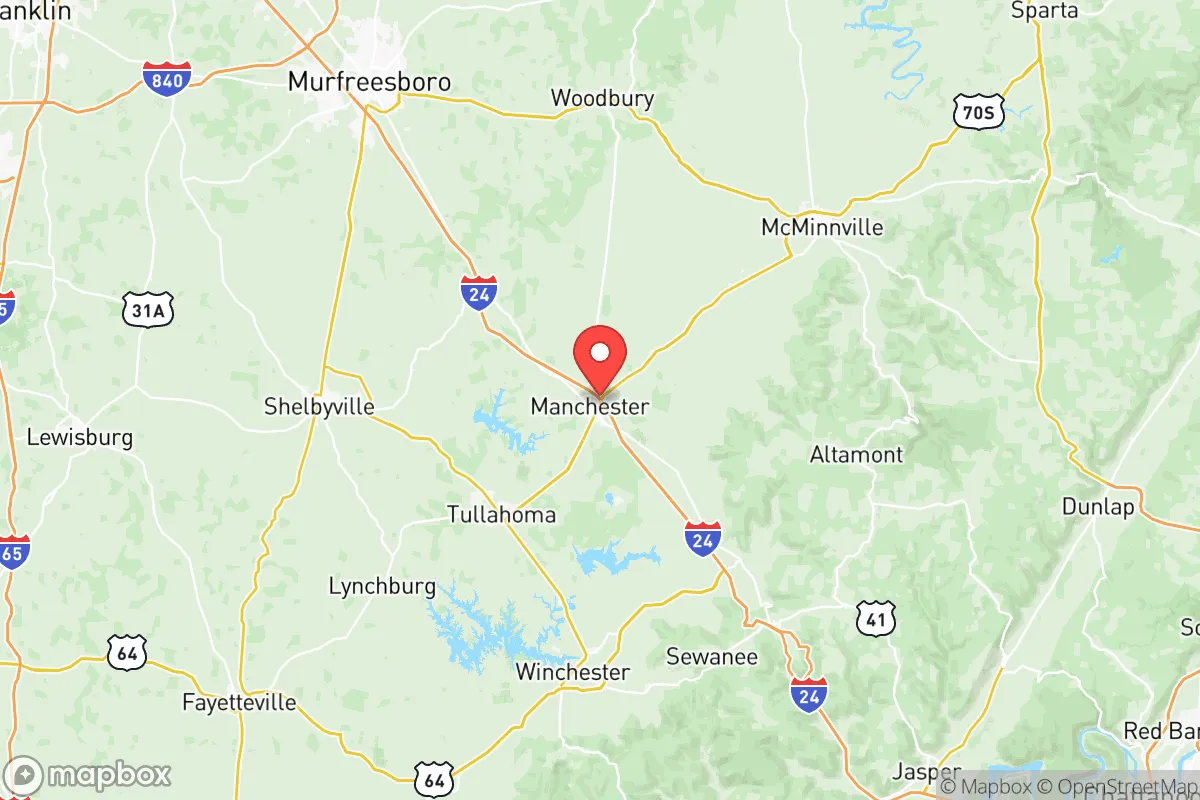
Photo: Wikipedia
Find The Best Places To Live in Coffee County
PRO TIP! You can paste a Zillow or Redfin link to get info on that property.
Best Places to Live in Coffee County
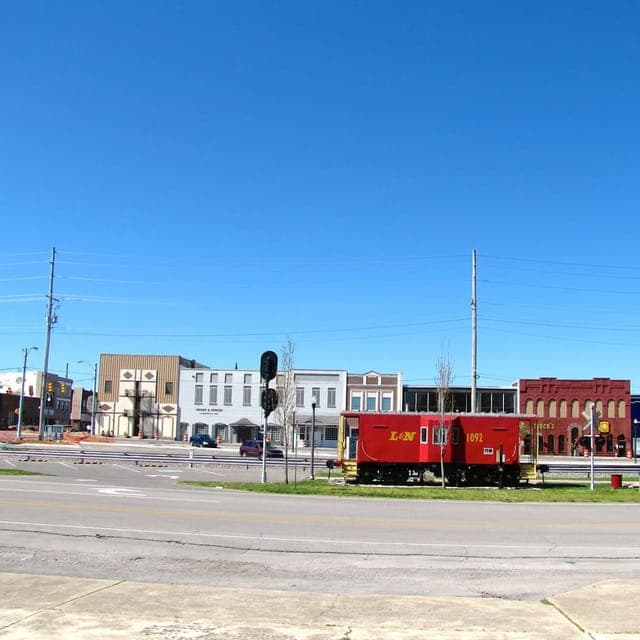
Cities & Towns in Coffee County
Cities in Coffee County
What It's Like Living in Coffee County, TN
Coffee County, Tennessee, feels like a place where small-town traditions still hold sway, but the growth from nearby hubs like Murfreesboro and Nashville is starting to ripple through. It’s a county of contrasts—Manchester is the largest town and the county seat, but Tullahoma spills over from the south, and smaller communities like Hillsboro and Summitville offer a quieter, more rural pace. People here tend to know their neighbors, and the local identity is built around high school football, church potlucks, and a shared sense of self-reliance.
The Daily Rhythm: Work, Commute, and Weekend Life
For most residents, a typical day revolves around local employers like the Arnold Air Force Base in Tullahoma or the sprawling manufacturing plants in Manchester—companies like Tyson Foods and the Nissan supplier plants are major anchors. The average commute is about 24 minutes, which is manageable, but that number can stretch if you’re driving to jobs in Murfreesboro or even Nashville for higher pay. The median household income here is $60,656, which goes further than in many parts of the country thanks to a cost of living index of 78—well below the national average. That means a family can afford a median home value of $227,300, often with a decent yard and a two-car garage, something that’s increasingly out of reach in bigger Tennessee cities.
Weekends are often spent at local spots like the Manchester Square, where you’ll find the Coffee County Farmers Market in season, or grabbing a bite at places like The Blue Porch or the Manchester Diner. The weather shapes the rhythm—summers are hot and humid, with July highs often hitting the low 90s, while winters are mild enough that snow is a rare event that shuts things down for a day. The Tennessee River and nearby Tims Ford Lake are popular for fishing and boating, and the Old Stone Fort State Archaeological Park in Manchester offers hiking trails that feel a world away from the strip malls.
Sports, Community, and the Local Identity
High school sports are the heartbeat of Coffee County. Friday nights in the fall mean packed bleachers at Manchester’s Coffee County Central High School or Tullahoma High School, where the Wildcats draw serious crowds. The rivalry between these two schools is genuine and long-standing—it’s the kind of thing that defines social circles and weekend plans. There’s no pro sports team in the county, but Nashville’s Titans and Predators are within a 90-minute drive, and many residents make the trip for big games. The local identity is deeply rooted in a “work hard, play hard” ethos—people take pride in blue-collar jobs, and there’s a noticeable resistance to the rapid development seen in Williamson County to the north.
The cultural quirks here are subtle but real. You’ll hear “yes sir” and “no ma’am” from kids and adults alike, and the local churches—First Baptist in Manchester, First United Methodist in Tullahoma—are community anchors beyond just Sunday services. The annual Manchester Arts Festival and the Coffee County Fair are big draws, but the biggest event is the Bonnaroo Music and Arts Festival, held every June on a farm just outside Manchester. It brings 80,000 people to the area for a weekend, which locals either love for the economic boost or hate for the traffic and noise. It’s a strange mix—a county that’s otherwise conservative and quiet suddenly hosting a massive counterculture festival.
Pros and Cons of Living Here
Longtime residents will tell you the biggest upside is the affordability and the sense of safety in most neighborhoods, though the numbers tell a more complicated story. The violent crime rate is 490.5 per 100,000 people, which is higher than the national average—something that’s concentrated in certain parts of Manchester and Tullahoma, but it does mean you want to check specific blocks before buying. Property crime is a more common frustration, especially in areas near major highways. On the flip side, the low cost of living means you can actually buy a home on a single income, and the schools—while not top-tier—are functional and deeply tied to the community. The median age here is 39.2, which skews a bit older than the state average, and only 22.9% of adults hold a college degree, reflecting the area’s manufacturing and service-based economy.
What frustrates locals most is the lack of entertainment options beyond the basics. There’s no major mall, no live music venue beyond a few bars, and dining out means choosing between chain restaurants and a handful of local spots like the Smokehouse BBQ in Tullahoma or the Manchester Pizza Company. For a night out, many drive to Murfreesboro or even Huntsville, Alabama, which is about an hour south. The traffic on Highway 55 and Interstate 24 can get clogged during rush hour, especially near the Manchester exits, but it’s nothing like Nashville gridlock. The seasonal rhythm is predictable—spring brings tornado season, which locals take seriously with weather radios and storm shelters, while fall is the sweet spot for outdoor events and comfortable temperatures.
If you’re a single person looking for a vibrant social scene, Coffee County might feel slow. But for families or anyone who values space, affordability, and a community where people actually know your name, it’s a solid fit. The growth is coming—new subdivisions are popping up around Manchester and Tullahoma—but for now, it still feels like a place where you can leave your doors unlocked and wave at strangers on the street.

* Values derived from national, state, county, city and local statistics and may differ in a specific area. Last updated: 2026-05-12T08:54:57.000Z
Narrative content on this page is AI-generated and may contain mistakes. Verify any details that matter before acting on them.
ReloMaps may earn a commission from affiliate links at no extra cost to you.

