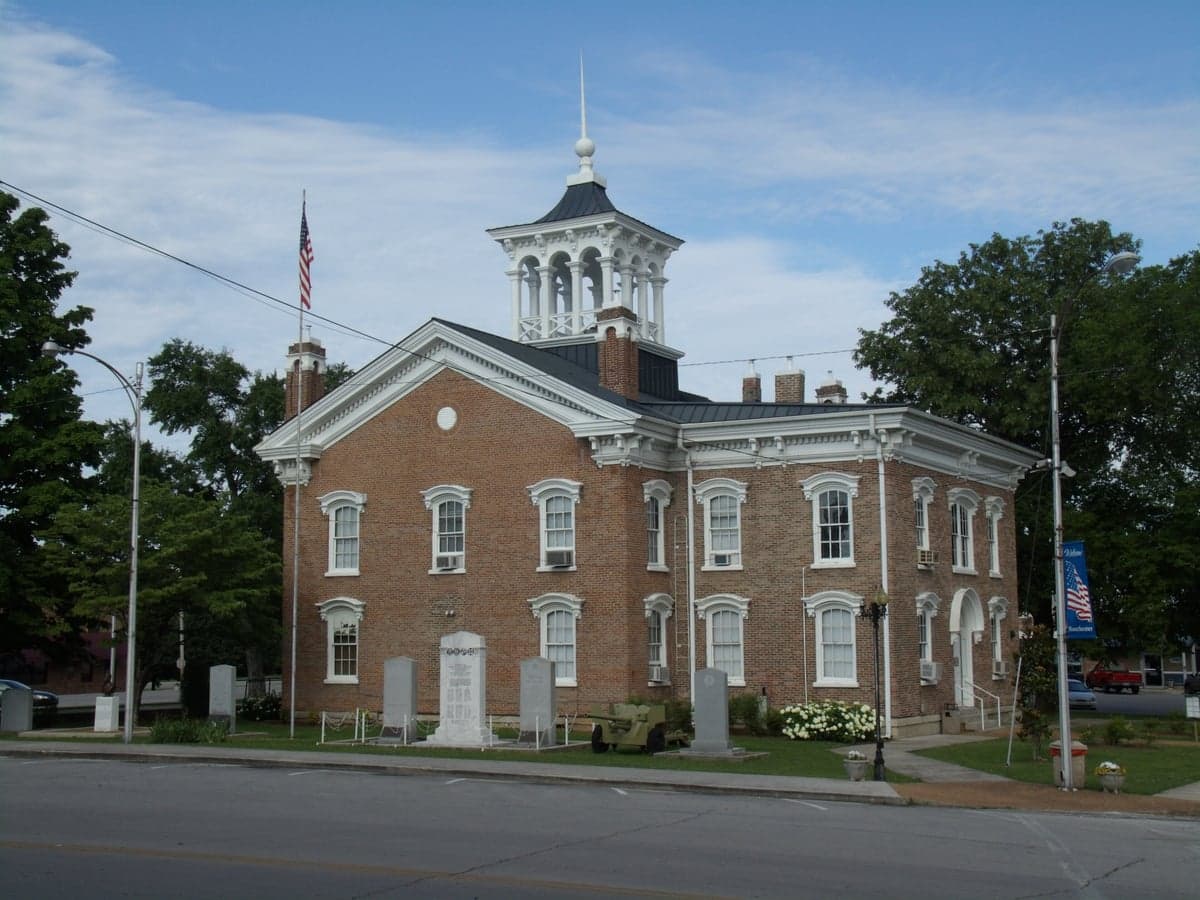
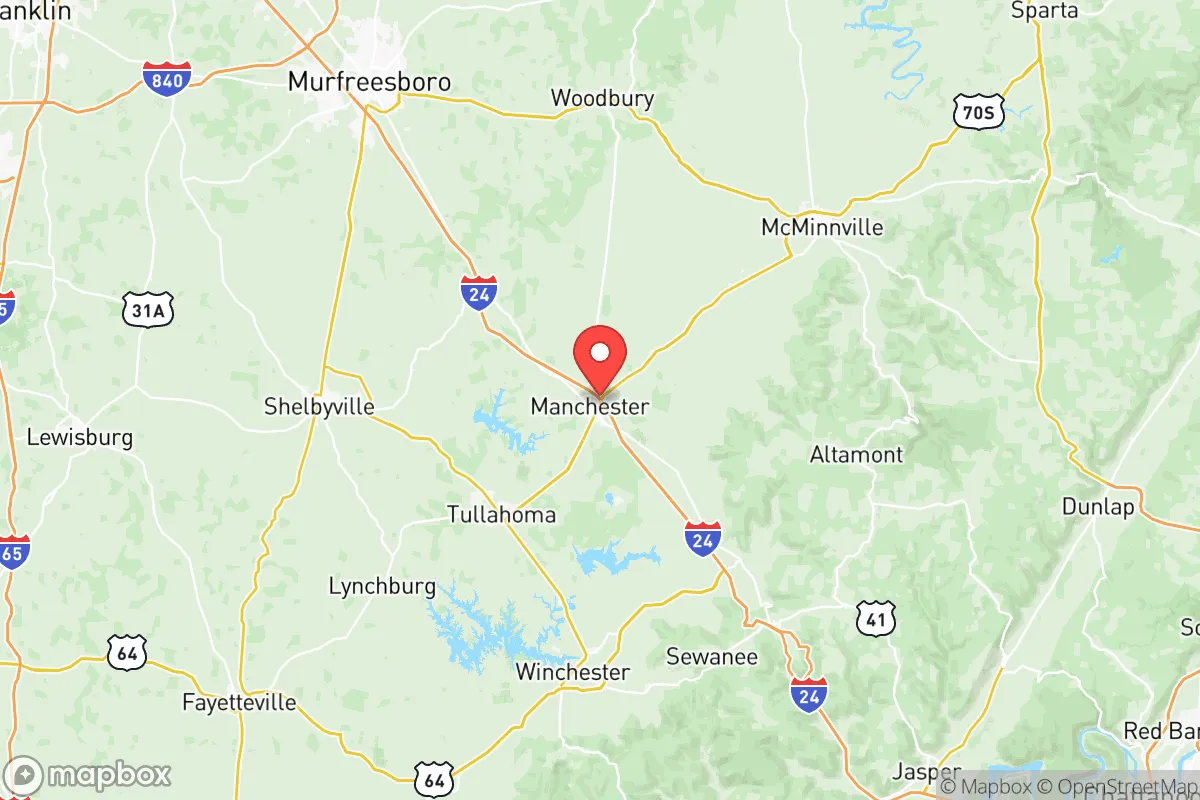
Photo: Wikipedia
Quality of Life in Coffee County
A livable area that tracks near national norms for affordability, walkability, and neighborhood health.
What does Quality of Life tell us?
Quality of Life measures an area by evaluating factors like cost of living, nearby amenities, country club access, airport proximity, socioeconomic signals and neighborhood character. For large states, this is a general average — quality of life can vary dramatically between metro areas, suburbs, and rural communities within the same state.
What does this tell us?
Quality of Life measures an area by evaluating factors like cost of living, nearby amenities, country club access, airport proximity, socioeconomic signals and neighborhood character. For large states, this is a general average — quality of life can vary dramatically between metro areas, suburbs, and rural communities within the same state.
Cost of Living
22% below national average
93%
The Real Cost of Living in Coffee County for 2026
| Tier | Individual | Family (4) |
|---|---|---|
| Survival | $14k | $27k |
| Comfortable | $44k | $65k |
| Luxury | $93k+ | $145k+ |
| Elite (Top 5%) | $110k+ | $170k+ |
Quality-of-Life Analysis
Coffee County, Tennessee offers a genuine spectrum of quality-of-life options, from the walkable, amenity-rich county seat of Manchester to the quiet, rural crossroads of communities like Summitville and Hillsboro. This diversity attracts a broad range of residents: young families and professionals drawn to Manchester’s growing job market and historic square, retirees and commuters seeking the lower costs and slower pace of smaller towns like Tullahoma (which straddles the county line), and those who want true country living with acreage in the unincorporated areas around Beechgrove and Noah. The county’s overall cost of living index of 78 (well below the national average of 100) and a median home value of $227,300 make it accessible, but the experience of daily life shifts dramatically depending on whether you choose a town lot or a rural parcel.
Largest town(s) & population centers
Manchester is the county seat and the largest incorporated city, with a population of roughly 10,000. Daily life here centers on the historic downtown square, which hosts the annual Bonnaroo Music & Arts Festival and provides a walkable core of local restaurants, shops, and county government offices. The city has a strong industrial and logistics base, anchored by employers like the Nissan plant in nearby Smyrna and the Arnold Air Force Base in adjacent Franklin County. Housing options range from historic homes near the square to newer subdivisions on the outskirts, with median rents around $885 and home values that often fall below the county median of $227,300 for fixer-uppers. The average commute of about 24.6 minutes is manageable for those working locally, though many residents commute north to Murfreesboro or Nashville. Tullahoma, while partially in Coffee County, is primarily in Franklin County; its Coffee County side offers additional shopping, dining, and the Motlow State Community College campus, creating a secondary hub for residents in the southern part of the county.
Smaller towns & rural pockets
Beyond Manchester, Coffee County contains several distinct smaller communities. Hillsboro is a historic unincorporated village with a few churches and a post office, offering a deeply rural lifestyle with large lots and minimal traffic. Summitville, located near the Duck River, is another unincorporated area known for its quiet, wooded setting and proximity to fishing and canoeing access. Beechgrove, near the northern border with Cannon County, is a crossroads community where residents often live on 5- to 20-acre parcels. These areas lack municipal services like public water and sewer in many spots, meaning septic systems and wells are the norm. Property taxes are lower than in town, and home values can dip well below $200,000 for older homes or mobile homes on land. The trade-off is a longer drive to grocery stores, schools, and healthcare—typically 15 to 25 minutes to Manchester or Tullahoma.
Cost & lifestyle range
The cost-of-living spread across Coffee County is significant. At the higher end, newer subdivisions in Manchester’s western edge (near the interstate) and the Tullahoma side of the county see home values approaching $300,000 to $350,000, with monthly rents for a three-bedroom house often exceeding $1,200. These areas offer sidewalks, neighborhood parks, and quick access to Highway 55 and I-24. At the lower end, rural properties in Noah (south of Manchester) or Bomar (near the Bedford County line) can be found for under $150,000, especially for older homes or land-only purchases. Rentals in these pockets are scarce and often informal. The median rent of $885 across the county reflects the mix: a two-bedroom apartment in Manchester might rent for $850, while a similar unit in a rural area is rare. Utilities are generally lower than national averages, but rural residents pay more for propane, well maintenance, and longer commutes. The county’s overall COL index of 78 means a family earning $50,000 can live comfortably in most areas, but the lifestyle—from a downtown stroll to a gravel-road drive—varies enormously.
This county is best suited for people who value choice over convenience. Those who thrive here are often self-sufficient—whether that means maintaining a rural homestead in Hillsboro or navigating a commute from Manchester to a regional job center. The mix of a vibrant small town, a college-adjacent community, and deep rural pockets means that a single county can accommodate a first-time homebuyer on a tight budget, a remote worker seeking quiet, and a family wanting walkable schools and a Saturday farmers market. Coffee County’s appeal lies not in a single identity, but in the ability to pick your own pace and price point within a 30-minute drive.

Crime in Coffee County
Higher crime rates than 58% of comparable U.S. locations.
Violent CrimeViolent Crime Analysis
Property CrimeProperty Crime Analysis
Crime Analysis
Coffee County, Tennessee, reports a violent crime rate of 490.5 incidents per 100,000 residents and a property crime rate of 1,640.7 per 100,000, placing it above national averages for both categories. These figures, drawn from recent law enforcement data, indicate that while the county is not among Tennessee’s most dangerous, residents and newcomers should be aware of elevated risks compared to safer rural and suburban communities in the region. The county’s safety profile is shaped by its mix of small cities like Manchester (the county seat), Tullahoma, and Lynchburg, each with distinct crime patterns and law enforcement resources.
Crime in context
Coffee County’s violent crime rate of 490.5 per 100,000 is roughly 40% higher than the national average of about 380 per 100,000 and significantly exceeds the Tennessee state average of approximately 620 per 100,000. Property crime in the county, at 1,640.7 per 100,000, also outpaces the U.S. average of around 1,950 per 100,000 but remains below the Tennessee state figure of roughly 2,200 per 100,000. These numbers place Coffee County in a middle tier among Tennessee’s 95 counties—safer than high-crime urban centers like Memphis or Nashville, but notably more dangerous than neighboring rural counties such as Franklin County or Warren County, which report lower rates. The county’s proximity to Interstate 24, a major drug and human trafficking corridor, contributes to property theft and drug-related violence, particularly in Manchester and along the highway exits near Beechgrove.
What residents experience
Residents of Coffee County most frequently encounter property crimes—burglary, larceny-theft, and motor vehicle theft—which account for the bulk of reported incidents. In Manchester, property crime is concentrated around retail corridors like Highway 41 and the Hillsboro Boulevard area, where vehicle break-ins and shoplifting are common. Tullahoma, home to a larger population and the Arnold Air Force Base, sees lower violent crime rates but struggles with theft from vehicles and residential burglaries, particularly in neighborhoods near the base’s perimeter. Lynchburg, best known as the home of Jack Daniel’s Distillery, reports the lowest crime rates in the county, with violent incidents rare and property crime mostly limited to petty theft from tourist-heavy areas. Violent crime, including aggravated assault and robbery, is more sporadic but tends to cluster in Manchester’s downtown and low-income housing areas, as well as along the I-24 corridor where transient populations pass through. The 14th Judicial District, which covers Coffee County, has seen a shift toward more progressive prosecution policies in recent years, with District Attorney Craig Northcott (elected in 2022) emphasizing diversion programs and reduced sentencing for nonviolent offenders. While intended to reduce recidivism, critics argue this approach has led to more repeat property offenders on the streets, particularly in Manchester and Tullahoma, where residents report frustration with quick release of known burglars and car thieves. Victims of property crime in these areas often find that stolen goods are rarely recovered, and court outcomes favor plea deals over incarceration.
Neighborhood-level variation is significant across Coffee County. The safest areas are generally the rural outskirts and smaller communities like Summitville and Hillsboro, where crime rates are a fraction of the county average. In contrast, Manchester’s central neighborhoods near the courthouse square and the industrial zones along Highway 55 report the highest violent crime rates, driven by drug-related disputes and domestic violence. Tullahoma’s northwest side, near the airport and industrial parks, sees elevated property crime, while the historic district and areas near the university remain relatively safe. For newcomers, choosing a home in Lynchburg or the rural parts of the county offers the lowest risk, while urban centers require vigilance, especially regarding vehicle security and home burglary prevention. The county’s overall safety outlook is stable but not improving, with property crime rates holding steady and violent crime showing slight increases since 2020, partly due to broader regional trends in drug trafficking and economic stress.
* Values derived from national, state, county, city and local statistics and may differ in a specific area. Last updated: 2026-05-12T08:54:57.000Z
Narrative content on this page is AI-generated and may contain mistakes. Verify any details that matter before acting on them.
ReloMaps may earn a commission from affiliate links at no extra cost to you.

