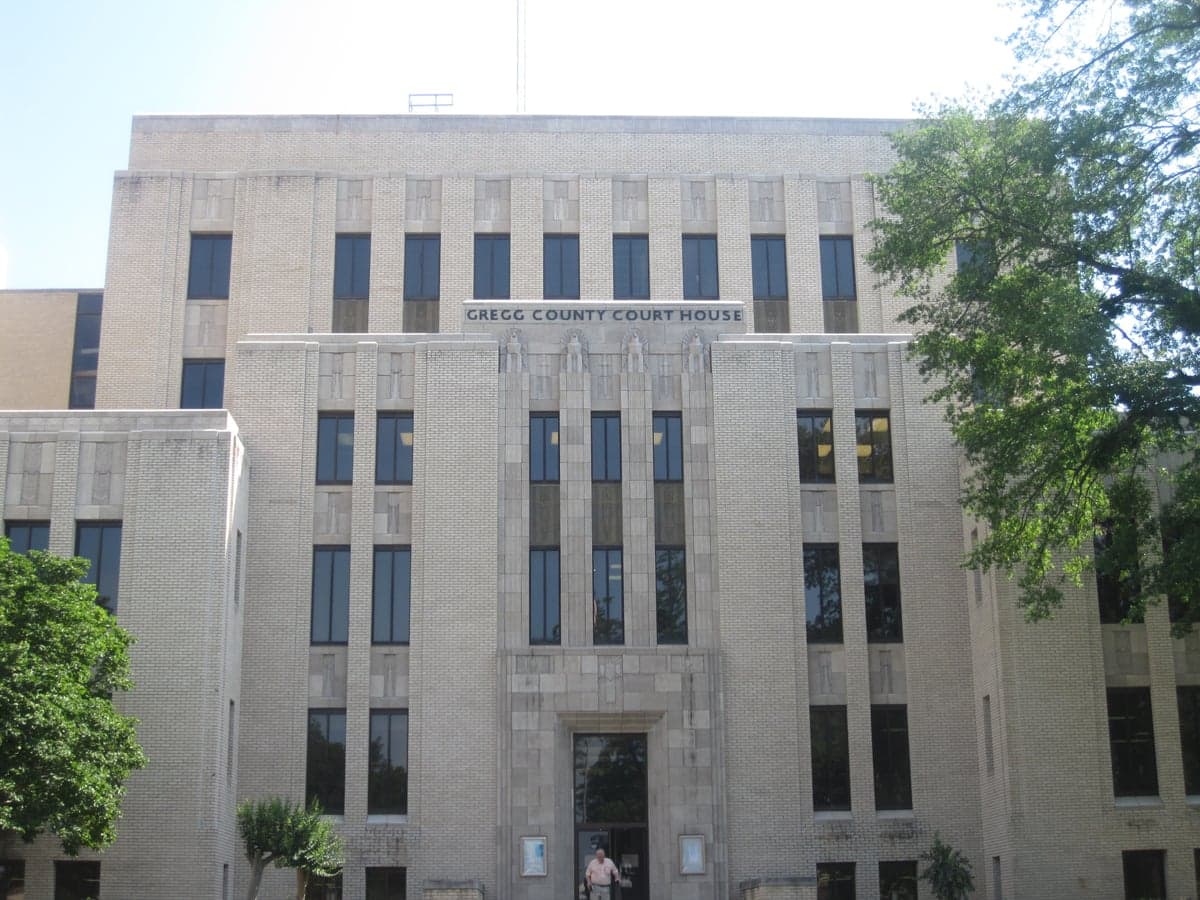
Photo: Wikipedia
Quality of Life in Gregg County
A livable area that tracks near national norms for affordability, walkability, and neighborhood health.
What does Quality of Life tell us?
Quality of Life measures an area by evaluating factors like cost of living, nearby amenities, country club access, airport proximity, socioeconomic signals and neighborhood character. For large states, this is a general average — quality of life can vary dramatically between metro areas, suburbs, and rural communities within the same state.
What does this tell us?
Quality of Life measures an area by evaluating factors like cost of living, nearby amenities, country club access, airport proximity, socioeconomic signals and neighborhood character. For large states, this is a general average — quality of life can vary dramatically between metro areas, suburbs, and rural communities within the same state.
Cost of Living
18% below national average
122%
The Real Cost of Living in Gregg County for 2026
| Tier | Individual | Family (4) |
|---|---|---|
| Survival | $17k | $32k |
| Comfortable | $36k | $53k |
| Luxury | $117k+ | $181k+ |
| Elite (Top 5%) | $141k+ | $219k+ |
Quality-of-Life Analysis
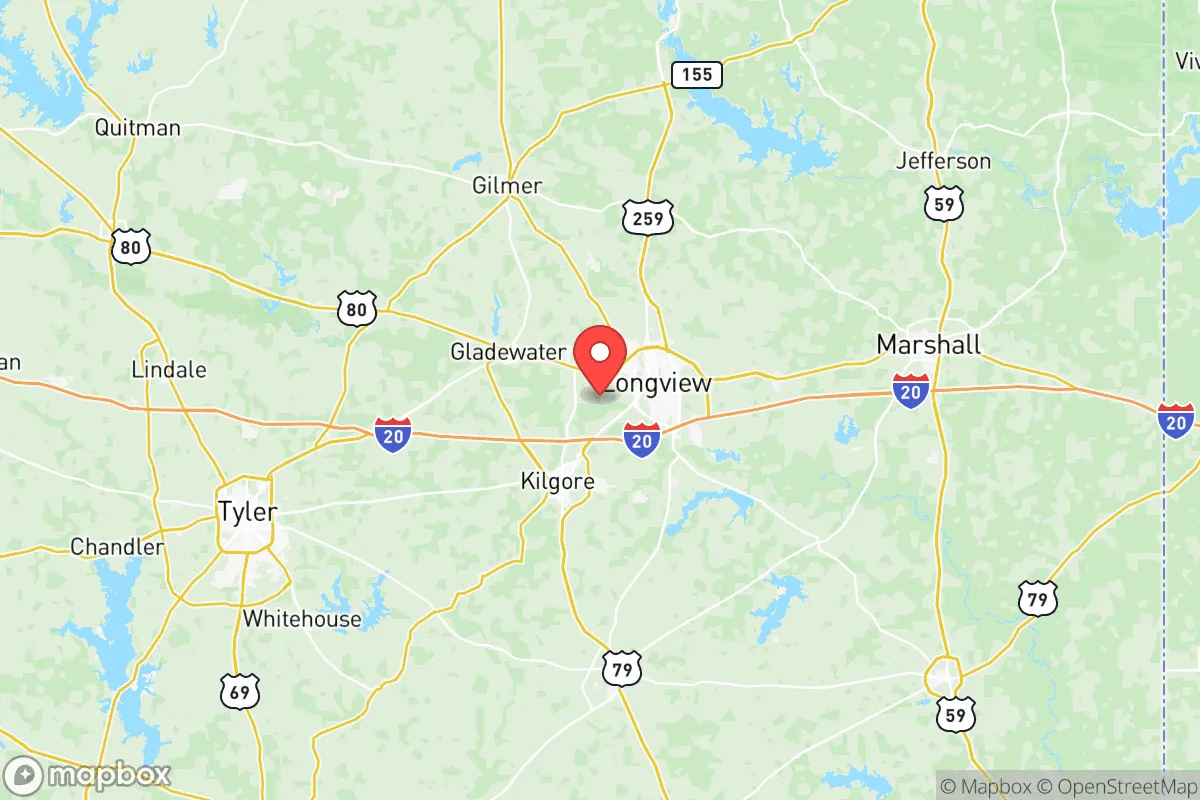
Gregg County, anchored by the regional hub of Longview, offers a quality-of-life spectrum that ranges from the urban convenience of a mid-sized East Texas city to the slow pace of unincorporated crossroads and riverfront settlements. The county's diverse geography—from the piney woods and oil fields of its western half to the rural acreage along the Sabine River—attracts a mix of professionals commuting to Longview's hospitals and industrial employers, retirees seeking lower property taxes, and families who want small-town schools without sacrificing access to shopping and healthcare. With a cost-of-living index of 82 (well below the national 100) and a countywide median home value of $185,800, Gregg County accommodates a broad range of budgets, though the actual cost of living varies noticeably between its largest city and its most remote pockets.
Largest town(s) & population centers
Longview is the county seat and dominant population center, home to roughly 81,000 residents and the region's primary employment base. Daily life centers on major employers such as Christus Good Shepherd Medical Center, LeTourneau University, and a cluster of manufacturing and logistics firms along Interstate 20. The city offers a full range of amenities—chain and independent restaurants, a regional mall (Longview Mall), arts venues like the Longview Symphony, and multiple grocery and retail options. Commute times here average near the county-wide figure of 22 minutes, though east-west traffic on Estes Parkway and U.S. 80 can be congested during rush hour. Kilgore, straddling the Gregg-Rusk county line, functions as a secondary population center with about 14,000 residents; its historic downtown, tied to the East Texas oil boom, provides walkable shops and the Kilgore College campus, while its schools (Kilgore ISD) are a draw for families wanting a smaller city feel. Gladewater, partly in Gregg County with roughly 4,200 residents, offers antique shopping and a distinct small-town character, but its amenities are limited compared to Longview.
Smaller towns & rural pockets
Beyond the three main towns, Gregg County contains incorporated communities that each shape a distinct part of the spectrum. White Oak (population ~6,700) is a quiet bedroom community with its own ISD and a low crime profile; many residents commute 10–15 minutes into Longview. Spring Hill (a census-designated place) is known for its highly-rated Spring Hill ISD and newer subdivisions. Lakeport and Easton are small lakeside enclaves near Lake Cherokee (which actually lies primarily in Rusk County but attracts Gregg County residents). Warren City (population about 300) and the unincorporated area of Judson represent Gregg County's rural fringe, where lots are larger, homes are older or owner-built, and residents trade urban amenities for space and quiet. Along the Sabine River in the eastern part of the county, pockets like Elderville offer waterfront property and a distinctly slower pace of life, though flood risk is a consideration in some areas.
Cost & lifestyle range
Lifestyle costs vary meaningfully across Gregg County. In Longview, median rent of about $1,072 aligns with the countywide figure, but homes closer to the I-20 corridor and newer subdivisions in the south (near the Longview Regional Airport) push toward $250,000–$300,000. At the low end, smaller communities like Easton, Lakeport, and Warren City offer home values well below the county median—many existing homes sell in the $120,000–$160,000 range—but require longer drives for groceries and medical care. Renters in these areas may find units below $900. Property tax rates are generally uniform across the county, with the Gregg County Appraisal District maintaining a taxable value ratio close to market rates, so homeowners in lower-valued areas pay proportionally less. The trade-off is clear: Longview residents pay more for housing but gain walkable neighborhoods (in older districts like Spring Hill or near downtown) and immediate access to services; rural residents in places like Judson or the Sabine River bottomland enjoy lower monthly costs but must drive 20–30 minutes for most errands.
Gregg County suits newcomers who value proximity to a regional job center—especially in healthcare, education, and energy—but want the option of settling in a quiet, low-density setting. Families often gravitate toward Spring Hill or White Oak for the schools, while retirees and remote workers may prefer the lower home prices of Easton or the serene riverfront of the unincorporated eastern section. The county's diversity of place means that whether a person's ideal lifestyle leans urban, suburban, or genuinely rural, they can find a foothold without leaving the same school district or tax base.

Crime in Gregg County
Crime rates similar to the national median for U.S. locations.
Violent CrimeViolent Crime Analysis
Property CrimeProperty Crime Analysis
Crime Analysis
Gregg County’s crime picture is mixed: its violent crime rate of 344.4 per 100,000 residents sits well below the Texas average of 487 per 100,000, but property crime at 1,791.9 per 100,000 nearly matches the state rate (1,846 per 100,000) and exceeds the national benchmark of roughly 1,950 per 100,000. The county’s largest city, Longview, accounts for the bulk of reported incidents, while smaller communities such as Kilgore, Gladewater, and White Oak generally report lower per-capita crime figures. Residents should note that local crime patterns are heavily influenced by the policies of the elected district attorney and judicial officers in Gregg County’s 188th and 124th Judicial Districts.
Crime in context
Comparing Gregg County to broader Texas and national rates reveals a sobering picture. While the county’s violent crime rate is roughly 29% lower than the Texas average, property crime is nearly identical to the state figure and only about 8% lower than the national rate. This means a resident’s likelihood of experiencing theft, burglary, or motor vehicle theft in Gregg County is close to the typical American risk. For serious violent offenses—homicide, rape, robbery, aggravated assault—the county’s 344.4 per 100K figure is still higher than the national median of around 380 per 100K, and the gap narrows considerably in Longview’s precincts. By contrast, White Oak and Lakeport report violent crime rates below 200 per 100K, demonstrating sharp intra-county variance.
What residents experience
Daily life in Gregg County involves a heightened awareness of property crime, especially in Longview’s commercial corridors and older residential neighborhoods near downtown. Vehicle break-ins and package theft are common, particularly near the Longview Mall and the Interstate 20 corridor. Violent crime tends to concentrate in specific areas—south Longview and parts of Kilgore near the oilfield-worker housing strip see more aggravated assaults and robberies. Residents of Gladewater and White Oak report fewer violent incidents but note that drug-related property crimes occasionally spill over from more urbanized zones. The district attorney’s office in Gregg County has faced criticism for a progressive approach that prioritizes diversion programs over incarceration, a philosophy that victims’ advocates argue leads to repeat offenders cycling back onto the streets. In contrast, neighboring Upshur County and Rusk County maintain more traditional prosecution policies, and their property crime rates are notably lower—a pattern that suggests a direct correlation between judicial leniency and public safety outcomes.
Neighborhood-level variation is pronounced. Longview’s affluent Forest Hills and Spring Hill neighborhoods enjoy crime rates comparable to small-town Texas, with violent crime under 150 per 100K. Meanwhile, the city’s southwestern precincts, near the intersection of US 80 and Estes Parkway, record rates above 600 per 100K, driven largely by drug-market violence. Kilgore’s historic district remains relatively safe, but the area around Kilgore College sees elevated petty crime. Gladewater, once a boomtown, struggles with a persistent burglary problem tied to oilfield theft rings. For those considering a move, the safest bet is to target the smaller incorporated towns—White Oak and Lakeport—where community policing and higher homeowner occupancy keep crime well below the county average. However, no jurisdiction in Gregg County is immune from the effects of a justice system that, in recent years, has prioritized offender rehabilitation over stringent punishment, leaving some residents uneasy about long-term safety trends.
* Values derived from national, state, county, city and local statistics and may differ in a specific area. Last updated: 2026-05-22T02:53:34.000Z
Narrative content on this page is AI-generated and may contain mistakes. Verify any details that matter before acting on them.
ReloMaps may earn a commission from affiliate links at no extra cost to you.

