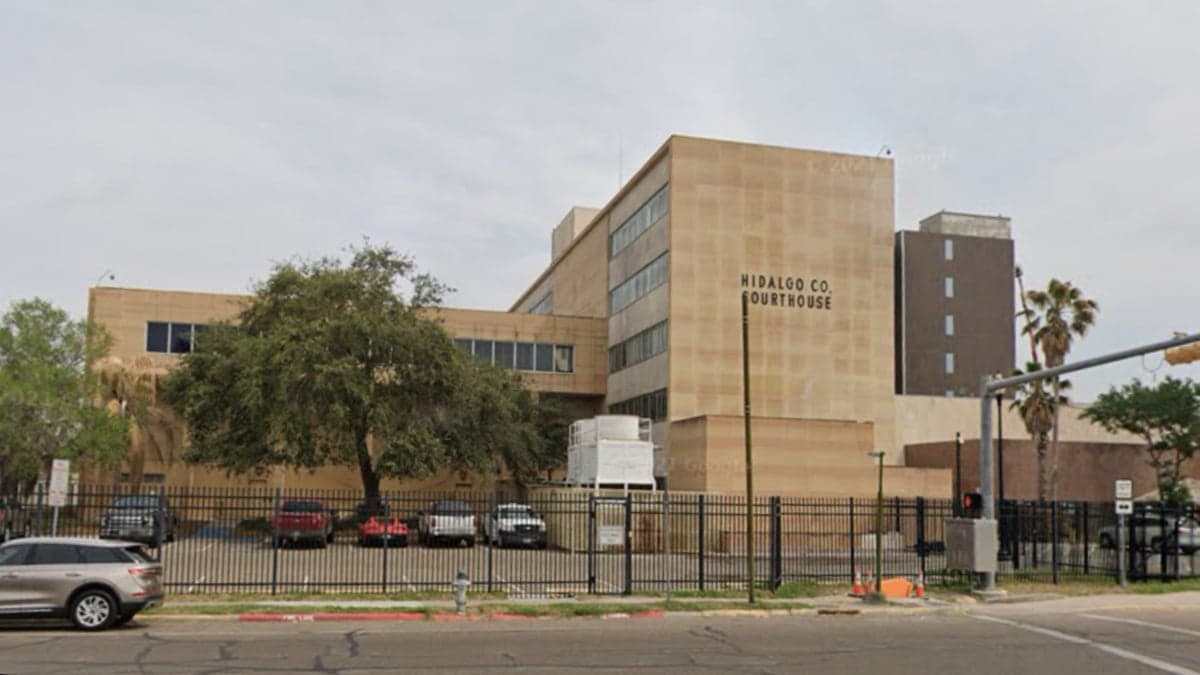
Photo: Wikipedia
Quality of Life in Hidalgo County
A livable area that tracks near national norms for affordability, walkability, and neighborhood health.
What does Quality of Life tell us?
Quality of Life measures an area by evaluating factors like cost of living, nearby amenities, country club access, airport proximity, socioeconomic signals and neighborhood character. For large states, this is a general average — quality of life can vary dramatically between metro areas, suburbs, and rural communities within the same state.
What does this tell us?
Quality of Life measures an area by evaluating factors like cost of living, nearby amenities, country club access, airport proximity, socioeconomic signals and neighborhood character. For large states, this is a general average — quality of life can vary dramatically between metro areas, suburbs, and rural communities within the same state.
Cost of Living
35% below national average
142%
The Real Cost of Living in Hidalgo County for 2026
| Tier | Individual | Family (4) |
|---|---|---|
| Survival | $15k | $28k |
| Comfortable | $25k | $37k |
| Luxury | $94k+ | $146k+ |
| Elite (Top 5%) | $117k+ | $181k+ |
Quality-of-Life Analysis
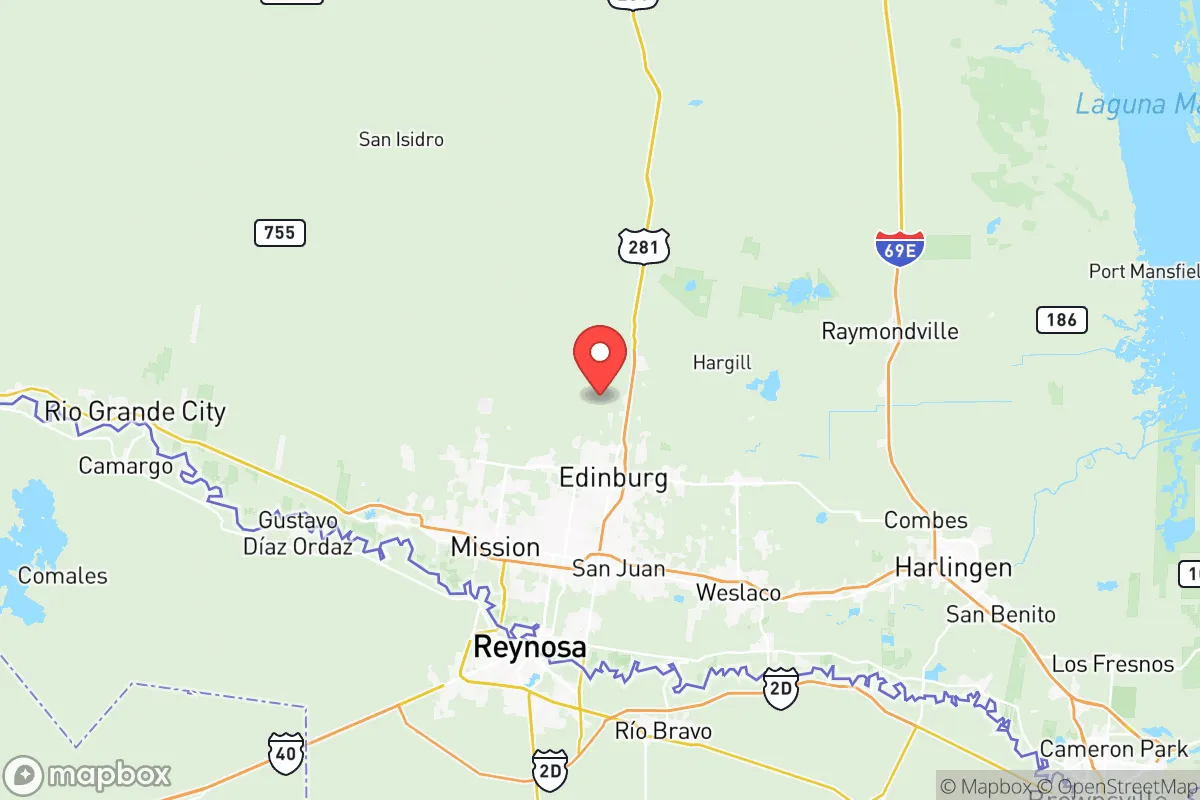
Hidalgo County, Texas, offers a broad quality-of-life spectrum that ranges from the dense, amenity-rich urban centers of McAllen and Edinburg to quiet, unincorporated farming communities like Sullivan City and La Joya. With a cost of living index of 65—well below the national average of 100—the county attracts a diverse mix of residents: young professionals and healthcare workers drawn to McAllen’s job market, families seeking affordable suburban homes in Mission, and retirees or agricultural workers looking for low-cost rural living in areas like Hargill or Alton. The county’s character is defined by this contrast between bustling border commerce and deep-rooted agricultural traditions.
Largest town(s) & population centers
McAllen is the county’s largest city and commercial hub, home to over 145,000 residents. Daily life here revolves around the La Plaza Mall, a robust healthcare sector anchored by Doctors Hospital at Renaissance, and a lively dining scene along 10th Street and Nolana Avenue. Edinburg, the county seat, is a close second with roughly 105,000 residents, dominated by the University of Texas Rio Grande Valley (UTRGV) and its associated medical school. Commute times in these centers average 22.9 minutes, reflecting a manageable urban sprawl. Mission, with about 85,000 residents, offers a slightly quieter suburban feel, with the National Butterfly Center and Bentsen-Rio Grande Valley State Park providing outdoor recreation. These three cities form the urban core, where median home values hover near the county’s $124,000 median and rents average $925, making them affordable compared to national norms but pricier than outlying areas.
Smaller towns & rural pockets
Beyond the urban core, Hidalgo County contains dozens of smaller communities that offer a starkly different pace. Alamo (pop. 19,000) and Donna (pop. 17,000) are classic border towns with historic downtowns and a strong agricultural base, where citrus groves and vegetable fields still define the landscape. Weslaco (pop. 42,000) straddles the line between small town and suburb, with its own hospital and the Estero Llano Grande State Park. Further south, Progreso and Progreso Lakes offer a mix of lakeside living and border crossing access. The most rural pockets include Hargill (unincorporated, pop. ~600) and Los Ebanos, the latter famous for its hand-pulled ferry across the Rio Grande. These areas lack major retail and rely on county roads for commuting, often pushing drive times to 30–40 minutes for grocery or medical trips.
Cost & lifestyle range
The cost-of-life spread across Hidalgo County is significant. At the low end, rural communities like Sullivan City (pop. 4,000) and La Joya (pop. 4,500) see median home values below $90,000 and rents under $700, with many homes on large lots suitable for gardening or small-scale farming. At the higher end, McAllen’s Sharyland Plantation area and Mission’s Gran Vida subdivision feature newer homes in the $250,000–$350,000 range, with gated communities, golf courses, and proximity to upscale shopping. The county’s overall median home value of $124,000 and median rent of $925 place it among the most affordable metro areas in Texas, but the gap between a $80,000 home in rural Hargill and a $300,000 home in Sharyland is stark. Amenities follow the same pattern: McAllen and Edinburg offer dozens of restaurants, movie theaters, and the McAllen Convention Center, while rural residents drive 20–30 minutes for a sit-down meal or a pharmacy.
The resident who thrives in Hidalgo County is typically someone who values low housing costs and warm weather—average highs of 95°F in July—and is comfortable with a car-dependent lifestyle. Young professionals and healthcare workers gravitate to McAllen and Edinburg for job density and nightlife. Families with children often choose Mission or Weslaco for their school districts and suburban safety. Retirees and agricultural workers find the best value in the rural towns like Alton or Progreso, where land is cheap and the pace is slow. The county’s diversity—over 90% Hispanic—and its bilingual, bicultural character are constants across the spectrum, but the daily experience of a McAllen apartment dweller versus a Hargill homesteader could not be more different.

Crime in Hidalgo County
Crime rates similar to the national median for U.S. locations.
Violent CrimeViolent Crime Analysis
Property CrimeProperty Crime Analysis
Crime Analysis
Hidalgo County, located in the Rio Grande Valley of South Texas, reports a violent crime rate of 342.3 per 100,000 residents and a property crime rate of 1,780.9 per 100,000, placing it above the national average for both categories. While the county is not among the most dangerous in Texas, its crime rates are significantly elevated compared to safer suburban enclaves like McAllen and Mission, which often report lower figures within their city limits. The overall safety picture is mixed, with property crime being the more prevalent concern for most residents, while violent crime is concentrated in specific areas and often tied to drug trafficking corridors along the border.
Crime in context
Hidalgo County’s violent crime rate of 342.3 per 100K is roughly 20% higher than the national average of 285 per 100K (2023 FBI data) and notably above the Texas state average of 277 per 100K. Property crime at 1,780.9 per 100K is also elevated, exceeding the national average of 1,954 per 100K by a narrower margin but still representing a tangible risk. For comparison, the city of Edinburg reports a violent crime rate near 320 per 100K, while Pharr and Weslaco see rates closer to 400 per 100K, driven largely by aggravated assault and robbery. The county’s proximity to the U.S.-Mexico border introduces cross-border criminal activity, including vehicle theft and drug smuggling, which inflates property crime statistics. However, Hidalgo County’s rates are still lower than major Texas metros like Houston (1,100+ violent per 100K) and Dallas (700+ violent per 100K), but substantially higher than safer suburbs like Frisco (under 100 violent per 100K).
What residents experience
For most residents, property crime—particularly theft, burglary, and motor vehicle theft—is the most common safety concern. Auto theft is a persistent issue in areas like McAllen and Mission, where vehicles are often targeted in shopping center parking lots and residential driveways. Violent crime, while less frequent, is not evenly distributed. The county’s judicial system, overseen by the Hidalgo County District Attorney’s Office, has faced criticism for progressive policies that some argue prioritize offender rehabilitation over public safety. District Attorney Ricardo Rodriguez, a Democrat elected in 2022, has implemented diversion programs for low-level offenders and reduced cash bail for non-violent crimes. Critics contend these reforms have contributed to a revolving-door justice system that emboldens repeat offenders, particularly in property crime. Residents in Edinburg and Weslaco report feeling that police response times are slower in outlying areas, and that prosecutors are less likely to pursue charges for theft under $2,500, a threshold raised by recent Texas legislation. This combination of progressive judicial policies and resource constraints creates a perception that crime is tolerated rather than aggressively deterred.
Neighborhood-level variation is significant. Gated communities in McAllen’s north side and newer subdivisions in Mission near the Anzalduas International Bridge report crime rates 30-50% lower than the county average. Conversely, older neighborhoods in Pharr and Alamo, particularly those near major highways like U.S. 83 and Interstate 2, see higher concentrations of both property and violent crime. The Hidalgo County Sheriff’s Office patrols unincorporated areas, where response times can exceed 20 minutes, and crime rates are often underreported. For prospective residents, choosing a home in a well-patrolled city like McAllen or Mission with a strong municipal police force is advisable, while avoiding areas with high rental turnover and proximity to border crossings can reduce risk. The county’s overall safety outlook is stable but not improving, with property crime trending slightly upward since 2020, partly due to the aforementioned judicial policies that critics say fail to hold offenders accountable.
* Values derived from national, state, county, city and local statistics and may differ in a specific area. Last updated: 2026-05-09T18:42:44.000Z
Narrative content on this page is AI-generated and may contain mistakes. Verify any details that matter before acting on them.
ReloMaps may earn a commission from affiliate links at no extra cost to you.

