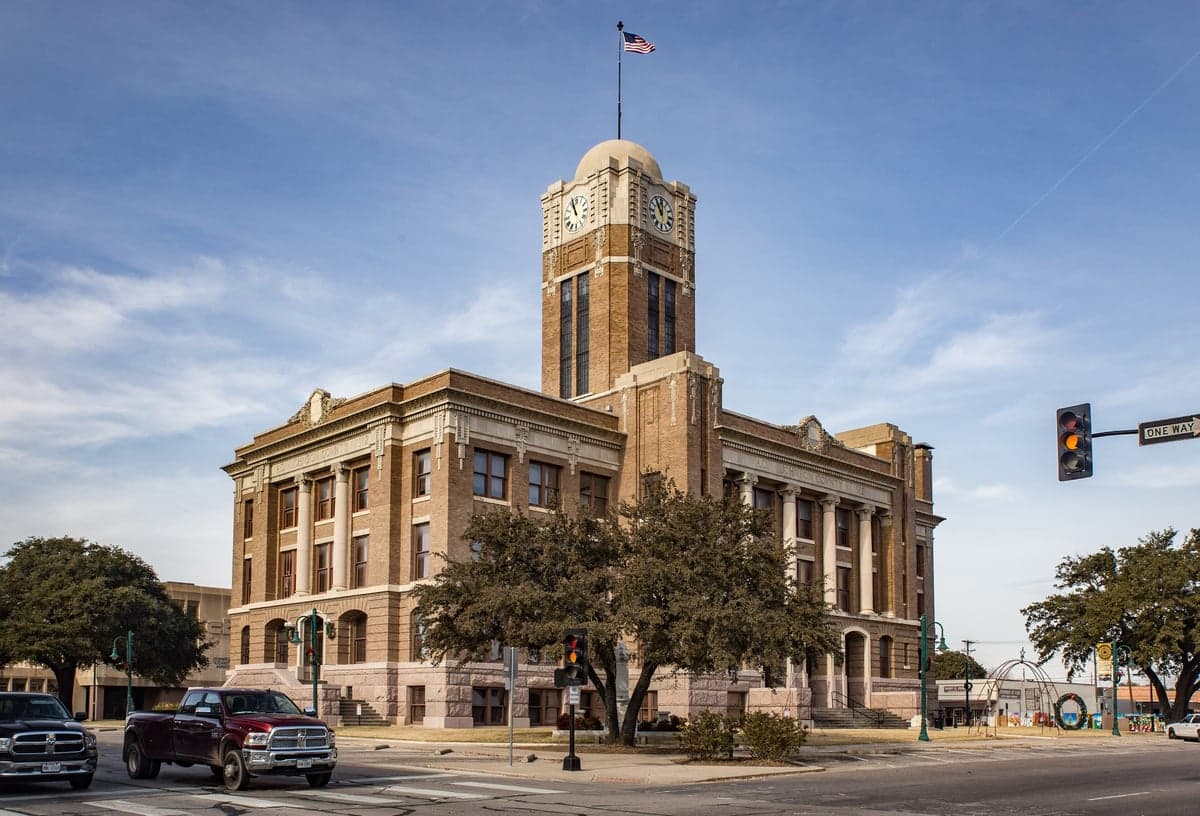
Photo: Wikipedia
Quality of Life in Johnson County
A livable area that tracks near national norms for affordability, walkability, and neighborhood health.
What does Quality of Life tell us?
Quality of Life measures an area by evaluating factors like cost of living, nearby amenities, country club access, airport proximity, socioeconomic signals and neighborhood character. For large states, this is a general average — quality of life can vary dramatically between metro areas, suburbs, and rural communities within the same state.
What does this tell us?
Quality of Life measures an area by evaluating factors like cost of living, nearby amenities, country club access, airport proximity, socioeconomic signals and neighborhood character. For large states, this is a general average — quality of life can vary dramatically between metro areas, suburbs, and rural communities within the same state.
Cost of Living
5% above national average
113%
The Real Cost of Living in Johnson County for 2026
| Tier | Individual | Family (4) |
|---|---|---|
| Survival | $21k | $40k |
| Comfortable | $49k | $73k |
| Luxury | $122k+ | $188k+ |
| Elite (Top 5%) | $143k+ | $222k+ |
Quality-of-Life Analysis
Johnson County, Texas, offers a broad quality-of-life spectrum that ranges from the suburban convenience of its largest town, Burleson, to the quiet, unincorporated crossroads of communities like Alvarado, Venus, and Grandview, with wide-open ranchland in between. The county’s overall character is one of rapid growth tempered by a strong agricultural heritage, drawing families who want proximity to the Dallas-Fort Worth metroplex without its density, as well as retirees and commuters seeking lower land costs. With a cost-of-living index of 105 (just above the national average), a median home value of $254,600, and a median rent of $1,343, the county presents a more affordable alternative to neighboring Tarrant County while still offering modern amenities in its population centers.
Largest town(s) & population centers
Burleson is the county’s largest city and primary population center, straddling the Johnson-Tarrant county line. Daily life here is distinctly suburban: residents have access to the Burleson Recreation Center, the Chisenhall Fields sports complex, and a growing retail corridor along Interstate 35W. The town’s historic downtown district features local restaurants and boutiques, while the average commute of 31.3 minutes reflects the heavy flow of workers heading north to Fort Worth and Dallas. Cleburne, the county seat, offers a more self-contained lifestyle with its own hospital (Texas Health Huguley Hospital Fort Worth South), the Cleburne Conference Center, and Lake Pat Cleburne for outdoor recreation. Cleburne’s downtown retains a small-city feel with a courthouse square and independent shops, making it a hub for the southern half of the county. Both towns have seen significant new home construction, with Burleson’s newer subdivisions pushing median home values toward the county average, while Cleburne offers slightly older, more affordable housing stock.
Smaller towns & rural pockets
South of Cleburne, Grandview (population roughly 1,600) anchors a rural farming and ranching area, with a quiet downtown centered on the historic Grandview Opera House. Venus, located along US 67, is a small town experiencing slow infill growth, with a handful of local eateries and a strong sense of community around its school district. Alvarado, just east of Venus, is known for its antique shops and the Alvarado Rodeo, an annual event that draws from across the region. Further west, Rio Vista and Godley are unincorporated communities where homes sit on larger lots, often with acreage, and where residents rely on septic systems and well water. These pockets offer the lowest housing costs in the county—often under $200,000 for a three-bedroom home—but require longer drives to grocery stores and medical facilities, typically 15–25 minutes to Cleburne or Burleson.
Cost & lifestyle range
The cost-of-living spread across Johnson County is significant. At the high end, Burleson’s newer master-planned communities (such as those near the Chisenhall Fields area) see home values approaching $350,000, with rents above $1,500 for a three-bedroom house. These areas offer walkable parks, HOA amenities, and quick access to I-35W. At the low end, rural properties near Rio Vista or Godley can be found for under $180,000, with rents as low as $900 for a two-bedroom unit in an older duplex. The median rent of $1,343 and median home value of $254,600 place the county squarely in the middle of Texas’s cost spectrum—cheaper than the DFW core but pricier than more remote rural counties like Hill or Navarro. Property taxes in Johnson County average roughly 2.2% of assessed value, a factor that pushes some buyers toward the unincorporated areas where tax rates can be slightly lower due to the absence of city services.
Johnson County is best suited for those who want a suburban or exurban lifestyle within commuting distance of Fort Worth but who are willing to trade some urban amenities for lower housing costs and more land. Families drawn to Burleson’s schools and recreation, commuters who can tolerate the 31-minute average drive, and retirees seeking a quieter pace in Grandview or Venus all find a niche here. The county’s mix of growing towns and rural crossroads means that a buyer can choose between a new-build subdivision with a homeowners’ association and a five-acre homestead with no city restrictions—often within a 10-mile drive of each other.

Crime in Johnson County
Crime rates similar to the national median for U.S. locations.
Violent CrimeViolent Crime Analysis
Property CrimeProperty Crime Analysis
Crime Analysis
Johnson County, Texas, presents a mixed safety profile for potential residents. With a violent crime rate of 342.3 incidents per 100,000 residents and a property crime rate of 1,780.9 per 100,000, the county sits above the safest rural Texas benchmarks but below the most dangerous urban cores. The county’s proximity to the Dallas-Fort Worth metroplex drives both economic growth and crime pressures, particularly in its more populous towns like Burleson, Cleburne, and Alvarado, while smaller communities such as Grandview and Venus report notably lower incident volumes.
Crime in context
Johnson County’s violent crime rate is roughly 15% higher than the national average (approximately 298 per 100K) but remains significantly lower than Texas’s most violent large cities. For comparison, Dallas County’s violent crime rate exceeds 500 per 100K, while Tarrant County (Fort Worth) hovers around 400 per 100K. Property crime in Johnson County is elevated relative to the national average of about 1,950 per 100K, but the county’s rate of 1,780.9 is actually below the Texas statewide average of approximately 2,200 per 100K. The county’s crime index places it in a moderate-risk tier: safer than urbanized counties like Harris or Dallas, but riskier than neighboring Hill County or Somervell County. Aggravated assault accounts for the majority of violent offenses, while larceny-theft dominates the property crime category.
What residents experience
Residents in Johnson County’s larger towns face the most tangible safety concerns. Cleburne, the county seat, reports the highest raw crime numbers, with property crime rates that can spike 20-30% above the county average in certain census tracts. Burleson, straddling the Johnson-Tarrant county line, benefits from Tarrant County Sheriff’s Office resources but still sees elevated vehicle theft and burglary rates tied to its highway access (I-35W). Alvarado and Keene experience moderate property crime, often linked to transient populations along the rail corridor. In contrast, Grandview and Venus report violent crime rates below 200 per 100K, making them the safest incorporated towns in the county. The county’s rural unincorporated areas—particularly west of Cleburne toward the Brazos River—see very low crime density, though response times from the Johnson County Sheriff’s Office can exceed 20 minutes.
A critical factor shaping public safety is the judicial philosophy of local prosecutors. Johnson County’s District Attorney’s Office has historically taken a conservative, law-and-order approach, which contrasts sharply with the progressive, reform-minded policies seen in nearby urban counties like Dallas (where DA John Creuzot has implemented diversion programs and reduced cash bail for certain offenses). In Dallas and Houston, progressive district attorneys have been associated with higher recidivism rates and a perception of leniency that emboldens property criminals. Johnson County, by contrast, maintains a tougher stance on prosecution, with higher incarceration rates for repeat offenders and fewer plea deals for violent crimes. This conservative judicial environment is a meaningful advantage for residents concerned about crime, as it reduces the likelihood that offenders will cycle quickly back onto the streets. However, the county’s proximity to Tarrant and Dallas counties means that criminals from those jurisdictions—where progressive policies have softened consequences—sometimes cross into Johnson County to commit offenses, then retreat to safer (for them) judicial districts.
Neighborhood-level variation
Within Johnson County, safety varies dramatically by neighborhood and municipality. The safest areas are concentrated in the southern and western portions of the county: the town of Grandview (violent crime under 150 per 100K), the rural subdivisions around Lake Pat Cleburne, and the gated communities near the Chisholm Trail Parkway in Burleson. Higher-risk areas cluster around Cleburne’s downtown core (particularly along Henderson Street and the industrial corridor near US-67) and the mobile home parks along I-35W in Alvarado. Property crime is most concentrated near major highway exits and commercial strips, where opportunistic theft from vehicles and retail theft are common. For families seeking the best safety profile, Grandview and Venus offer the lowest crime rates combined with small-town police departments that maintain close community ties, while Burleson’s newer master-planned developments (like those near Buffalo Creek) provide suburban security with faster access to Fort Worth emergency services.
* Values derived from national, state, county, city and local statistics and may differ in a specific area. Last updated: 2026-05-09T13:27:31.000Z
Narrative content on this page is AI-generated and may contain mistakes. Verify any details that matter before acting on them.
ReloMaps may earn a commission from affiliate links at no extra cost to you.

