Photo: Wikipedia
Find The Best Places To Live in Hill County
PRO TIP! You can paste a Zillow or Redfin link to get info on that property.
Best Places to Live in Hill County
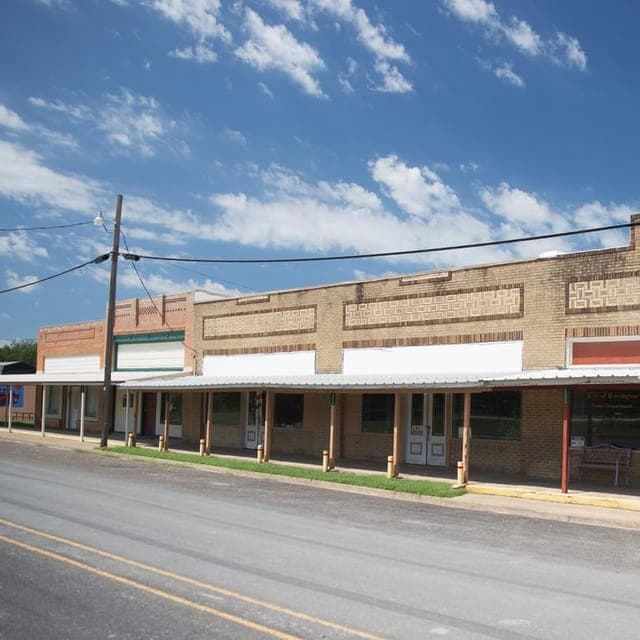
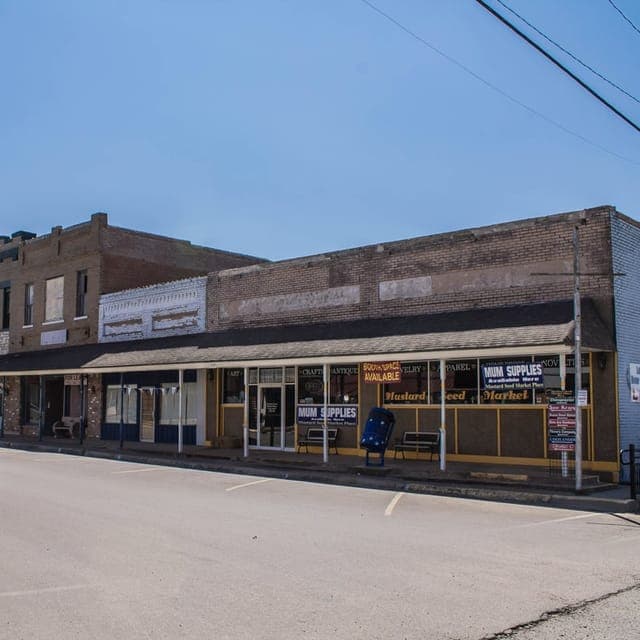
Cities & Towns in Hill County
Cities in Hill County
What It's Like Living in Hill County, TX
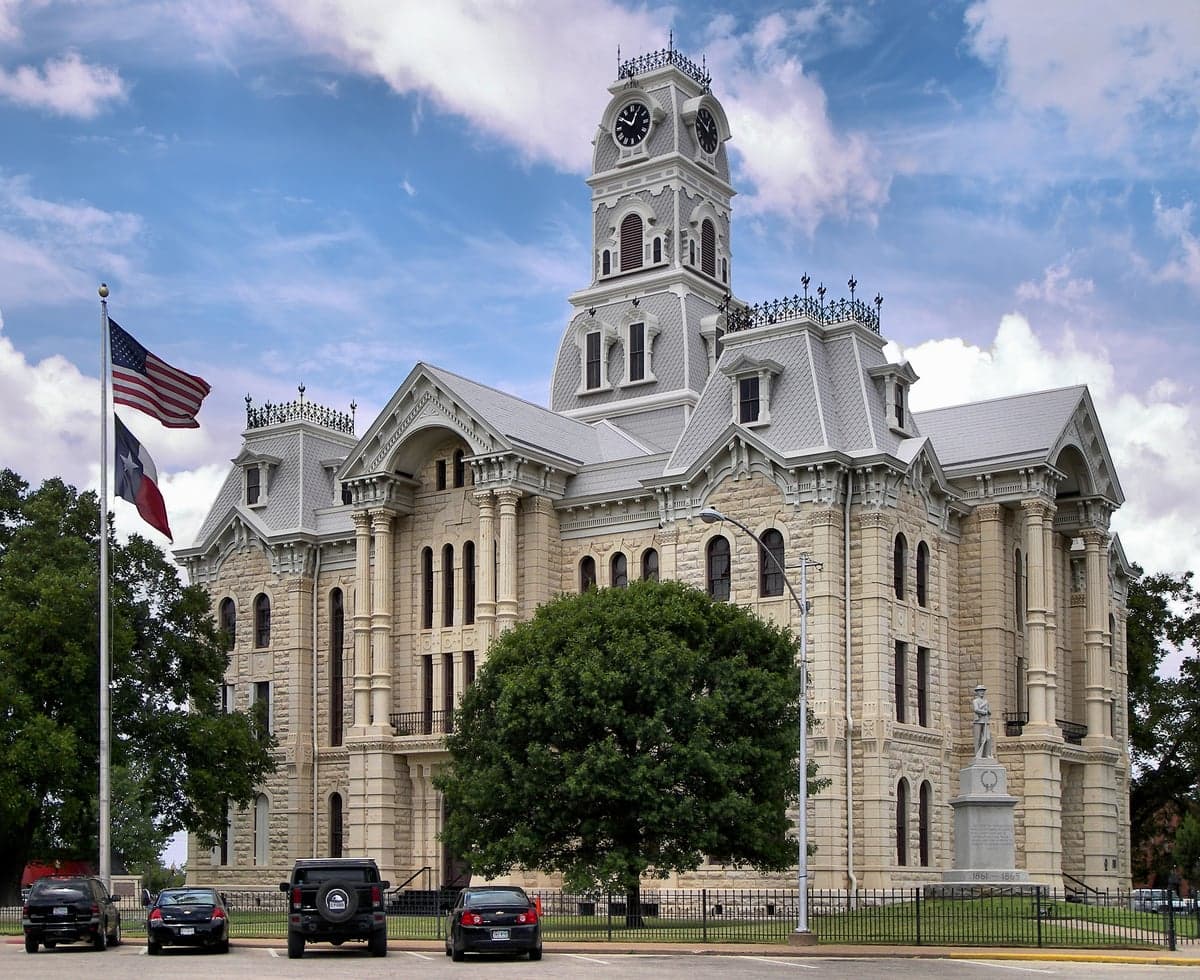
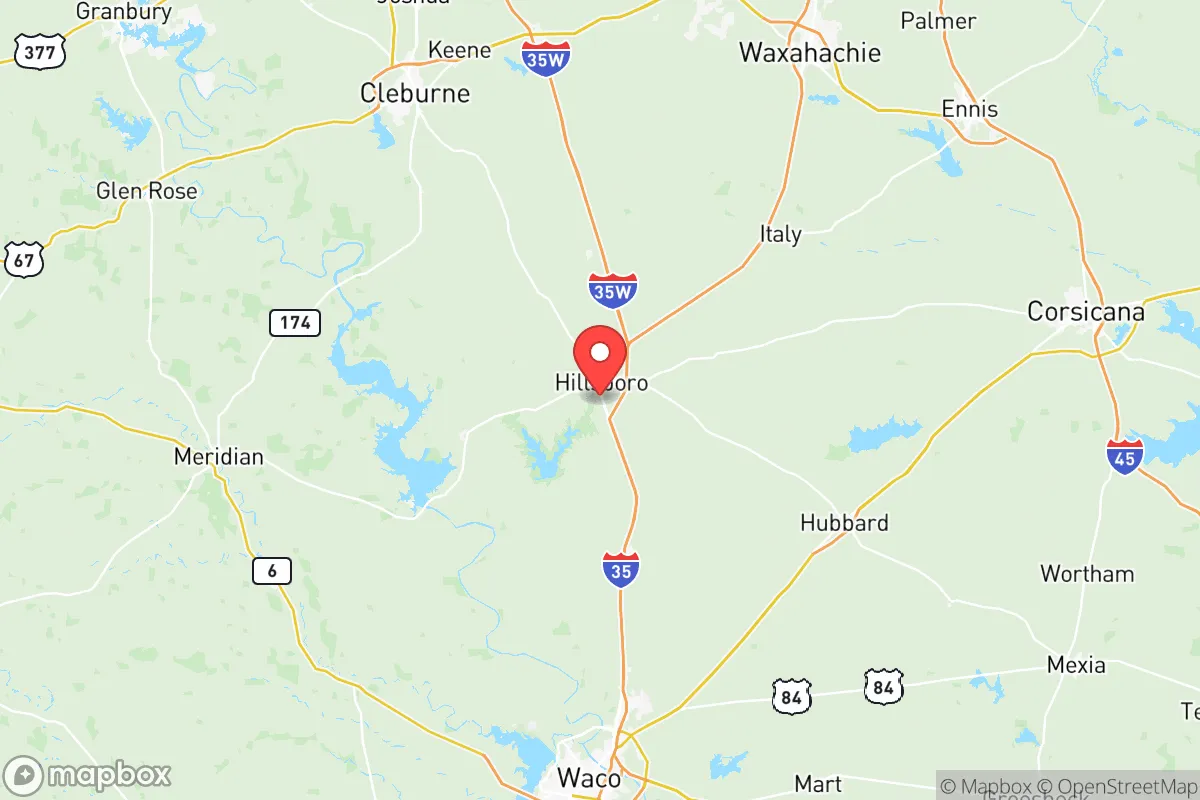
Hill County, Texas, feels like a place where the old rural rhythms still set the pace, even as a slow trickle of newcomers discover its quiet appeal. With a population just under 37,000 spread across towns like Hillsboro, Whitney, and Itasca, life here revolves around a mix of small-town familiarity, outdoor recreation, and a practical, no-nonsense attitude. It’s not a place for those seeking nightlife or urban buzz, but for folks who value space, a lower cost of living, and a community where people still know your name.
Daily Rhythm: Slow Mornings and Lake Weekends
A typical day in Hill County starts early, often with a drive to work—the average commute clocks in at about 31 minutes, a reminder that many residents head to jobs in Waco or the Dallas-Fort Worth metroplex. In Hillsboro, the county seat, mornings might involve grabbing coffee at a local diner before heading to work at a manufacturing plant, a school, or a healthcare facility. Whitney, sitting on the shores of Lake Whitney, has a more laid-back, recreational vibe, with many residents working in tourism-adjacent jobs or commuting to Waco. Itasca and Hubbard feel even more rural, where agriculture and small businesses still anchor the local economy. Weekends are often spent on the lake—fishing, boating, or just relaxing at a lakeside park—or tackling home improvement projects, a near-universal pastime in a county where the median home value sits at a very attainable $163,100. The cost of living index of 71 (well below the national average of 100) means that a median household income of $63,147 stretches further here than in most of the country, allowing for a comfortable, if not flashy, lifestyle.
Sports, Community, and the Local Identity
High school football is the undisputed king of local sports in Hill County. Friday nights in the fall are a community-wide event, whether you’re watching the Hillsboro Eagles, the Whitney Wildcats, or the Itasca Wampus Cats. These games are less about athletic prowess and more about social cohesion—they’re where you catch up with neighbors, buy a plate from the booster club, and feel part of something bigger. There are no major professional or college sports teams in the county, so the focus is squarely on local talent and school pride. This extends to other sports too, with basketball and baseball drawing solid crowds. The schools themselves are a central pillar of community identity; they’re not just places for education but the hub for events, fundraisers, and town gatherings. For those who prefer the outdoors, Lake Whitney State Park is the standout attraction, offering camping, hiking, and some of the best fishing in Central Texas. The annual Whitney Lake Cleanup and Festival is a beloved tradition, blending volunteerism with live music and food vendors.
What’s There to Do: Honest Entertainment Options
Let’s be honest: Hill County isn’t a destination for high-energy entertainment. The nightlife is limited to a few local bars and restaurants, like the Whiskey River Bar & Grill in Hillsboro or the lakeside spots in Whitney. For a bigger night out, residents drive 30-45 minutes to Waco for its growing restaurant scene, the Magnolia Market at the Silos, or Baylor University events. The county’s real draw is its outdoor and low-key social life. You’ll find families spending weekends at the lake, hunters heading out for deer and dove season, and folks gathering for church potlucks or community barbecues. The Hill County Fair in Hillsboro is a highlight, with rodeo events, carnival rides, and a chance to see the agricultural roots of the area on full display. For a quiet afternoon, the Hill County Cell Block Museum in Hillsboro offers a quirky look at local history, housed in the old county jail. The cultural quirks here are subtle: a deep respect for self-reliance, a preference for face-to-face conversation over digital communication, and a general wariness of rapid change.
Pros and Cons of Living Here
Living in Hill County comes with clear trade-offs. Here’s a straightforward look at what residents love and what frustrates them:
- Pros: The cost of living is genuinely low—housing is affordable, and everyday expenses don’t strain the budget. The sense of community is strong; neighbors help each other, and local events feel personal. Outdoor access, especially to Lake Whitney, is excellent for fishing, boating, and camping. The slower pace of life is a welcome relief for those escaping city stress.
- Cons: Job opportunities within the county are limited, forcing many into long commutes. The violent crime rate of 344.4 per 100,000 is higher than the national average, a statistic that residents often attribute to a few concentrated areas rather than a county-wide issue, but it’s worth noting. Entertainment and dining options are sparse, and the nearest major amenities require a drive. The summer heat is intense, and the area is prone to drought, which can impact lake levels and agriculture.
The kind of person who fits in here is someone who values space, affordability, and community over convenience and variety. It’s ideal for families looking for a safe, grounded place to raise kids, or for retirees who want to stretch their savings without sacrificing access to nature. The median age of 40.8 reflects a mix of young families and older residents, with only 18.5% holding a college degree—a figure that underscores the area’s blue-collar and agricultural roots. If you’re priced out of Austin or tired of the sprawl in Dallas-Fort Worth, Hill County offers a genuine alternative: a place where life is simpler, slower, and a little more connected to the land.

* Values derived from national, state, county, city and local statistics and may differ in a specific area. Last updated: 2026-05-22T00:18:25.000Z
Narrative content on this page is AI-generated and may contain mistakes. Verify any details that matter before acting on them.
ReloMaps may earn a commission from affiliate links at no extra cost to you.

