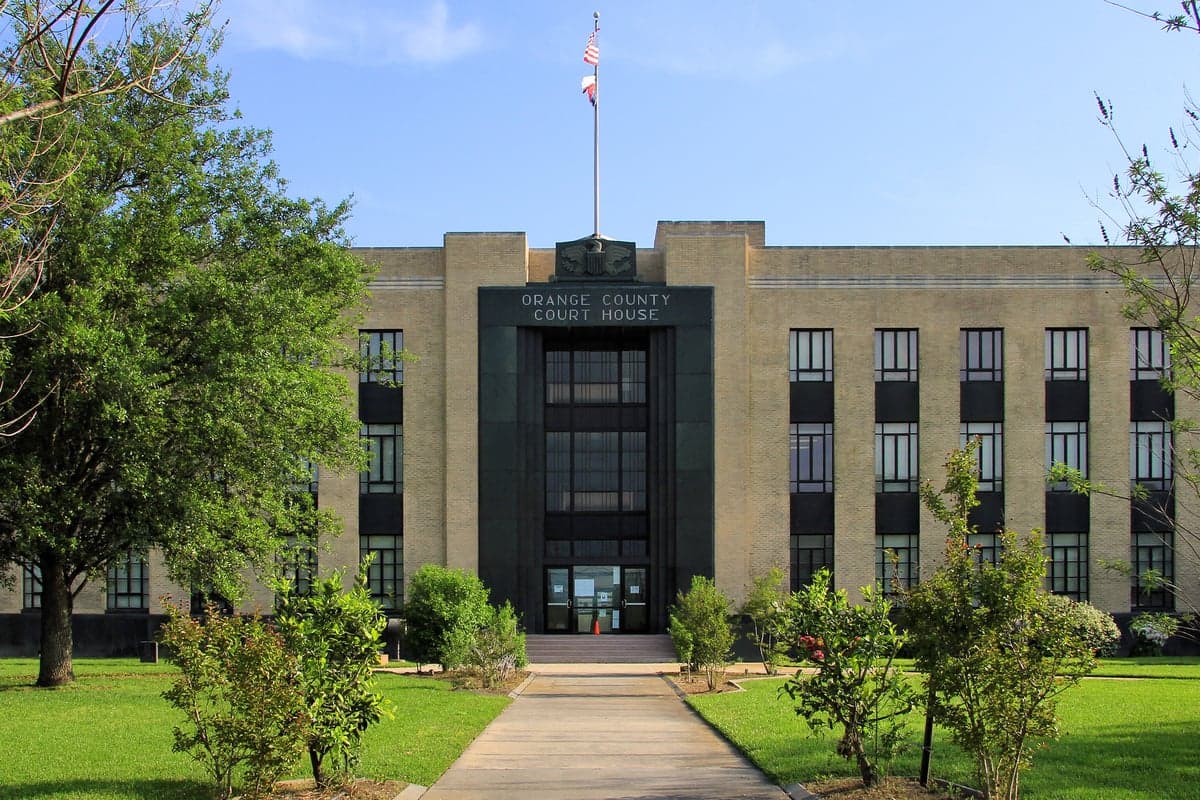
Photo: Wikipedia
Strategic Assessment of Orange County
Multiple tactical vulnerabilities. Population density, target proximity, or disaster risk are likely compounding. A retreat property and exit planning is required.
What does the Strategic Assessment tell us?
Our Strategic Assessment grades tactical survivability of an area. Major population centers, military targets, fallout zones, natural disasters, and border exposure all drive risk — lower exposure means a more defensible position in a crisis.
This is heavily inspired by Joel Skousen's Strategic Relocation book. Highly recommended you checkout the book ($)What does this tell us?
Our Strategic Assessment grades tactical survivability of an area. Major population centers, military targets, fallout zones, natural disasters, and border exposure all drive risk — lower exposure means a more defensible position in a crisis.
This is heavily inspired by Joel Skousen's Strategic Relocation book. Highly recommended you checkout the book ($)Strategic Pillars

Key Distances
Strategic Assessment Analysis
Orange County, Texas, presents a nuanced strategic picture for the relocation-minded individual or family prioritizing resilience and self-sufficiency. Located at the nexus of the Sabine River and the Gulf Intracoastal Waterway, the county offers a unique blend of geographic isolation from major metropolitan chaos and direct access to critical industrial and logistical infrastructure. For the conservative-leaning reader assessing long-term stability, Orange County’s position as a secondary hub within the Beaumont-Port Arthur metropolitan area provides a buffer from the immediate fallout of a Houston-scale disruption while still offering the economic and supply-chain benefits of proximity to the nation’s largest petrochemical complex.
Geographic position and natural advantages for long-term stability
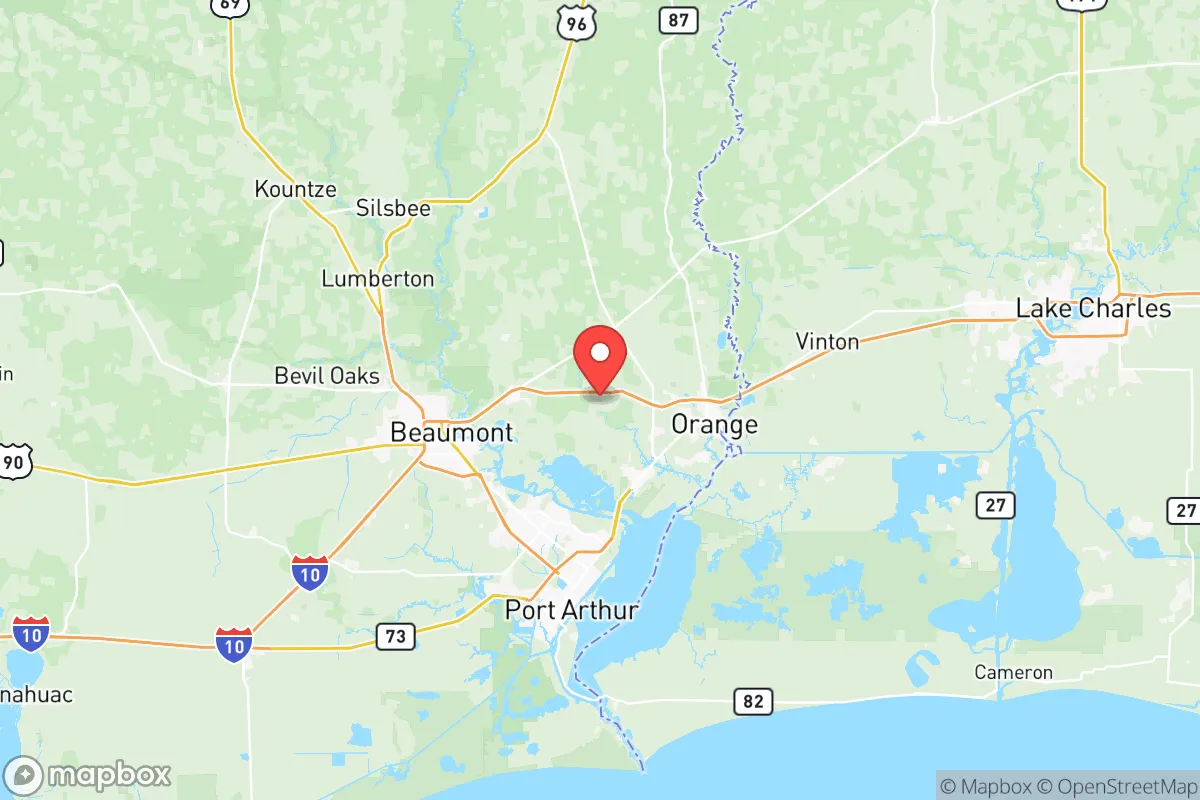
Orange County’s strategic value begins with its location at the far southeastern corner of Texas, bordered by Louisiana to the east and the Sabine River to the south. The county seat, Orange, sits roughly 30 miles from the Gulf of Mexico, placing it inland enough to avoid the worst of hurricane storm surge while remaining within the region’s temperate piney woods ecosystem. The area is defined by the Sabine River and the Neches River, which converge near the county’s southern edge, providing abundant freshwater resources and natural defensive barriers. The Sabine National Wildlife Refuge and the Big Thicket National Preserve to the north offer vast, sparsely populated buffer zones that complicate large-scale movement and provide potential retreat or foraging areas. For the relocator, the county’s low population density—roughly 84,000 residents spread across 356 square miles—means fewer people competing for resources in a crisis scenario compared to the Houston metro area’s 7 million.
Risks, exposures, and proximity to fallout-relevant landmarks
No strategic assessment of Orange County is complete without acknowledging its proximity to high-value industrial targets. The county sits directly adjacent to the Houston Ship Channel and the Beaumont-Port Arthur refinery corridor, which includes the Motiva Port Arthur Refinery—the largest oil refinery in the United States—and the ExxonMobil Beaumont Refinery. These facilities, along with the Sabine Pass LNG terminal and the Port of Orange, represent critical national energy infrastructure. In a conflict or major disruption scenario, these sites are plausible targets for sabotage or conventional attack, and their proximity means Orange County could experience secondary effects such as evacuation traffic, air quality hazards, or infrastructure interdiction. Additionally, the county lies within the Golden Triangle petrochemical zone, which includes numerous chemical plants and storage facilities. Natural risks are equally significant: the region is prone to hurricanes (notably Hurricane Harvey in 2017, which dropped over 50 inches of rain in parts of the county), flooding from the Sabine and Neches rivers, and occasional tornadoes. The flat, low-lying terrain (average elevation 15-30 feet) offers little natural protection from storm surge or prolonged flooding, and the clay-heavy soils can complicate drainage and septic system performance.
Practical resilience for a relocator: food, water, energy, and defensibility
For the self-sufficient relocator, Orange County offers several practical advantages. Water availability is a strong point: the Sabine River, Neches River, and numerous bayous and creeks provide surface water, and the region’s high annual rainfall (roughly 55 inches per year) supports rainwater catchment systems. Groundwater is accessible via shallow wells in many areas, though water quality varies due to naturally occurring iron and sulfur. Food production potential is moderate: the sandy loam soils of the piney woods support gardens, orchards, and small livestock operations, but the humid subtropical climate requires careful management of pests, fungal diseases, and heat stress. The county has a small but active agricultural sector, with cattle, poultry, and timber operations, and local farmers’ markets in Orange and Vidor provide some food security. Energy resilience is a mixed picture: the region is served by Entergy Texas, and the grid is vulnerable to hurricane-related outages. However, the concentration of natural gas infrastructure means that propane and natural gas are relatively accessible for backup generation. Solar potential is moderate (roughly 4.5 peak sun hours per day), and the frequent cloud cover from Gulf moisture reduces reliability. Defensibility is the county’s weakest strategic attribute: the flat, open terrain and dense pine forests offer limited natural chokepoints or elevated positions. The major evacuation routes—Interstate 10, U.S. Highway 90, and State Highway 87—are vulnerable to congestion and flooding. The county’s law enforcement presence is modest, with the Orange County Sheriff’s Office and small municipal police departments in Orange, Vidor, and Bridge City. For the relocator, a rural property with good road access, a reliable well, and a defensible perimeter (such as a property bordered by water or dense forest) would be the most practical configuration.
Overall, Orange County offers a strategic trade-off for the resilience-minded relocator. Its geographic position provides a buffer from the immediate chaos of Houston and Beaumont while still allowing access to critical infrastructure and supply chains. The abundance of freshwater and moderate agricultural potential support long-term self-sufficiency, but the flat terrain, hurricane risk, and proximity to high-value industrial targets introduce significant vulnerabilities. For the family or individual willing to invest in robust flood mitigation, backup power, and a well-designed defensible property, Orange County represents a viable option within the Gulf Coast corridor—provided they remain aware that the same infrastructure that makes the region economically vital also makes it a potential target in a broader disruption scenario.

* Values derived from national, state, county, city and local statistics and may differ in a specific area. Last updated: 2026-08-08T13:20:18.000Z
Narrative content on this page is AI-generated and may contain mistakes. Verify any details that matter before acting on them.
ReloMaps may earn a commission from affiliate links at no extra cost to you.

