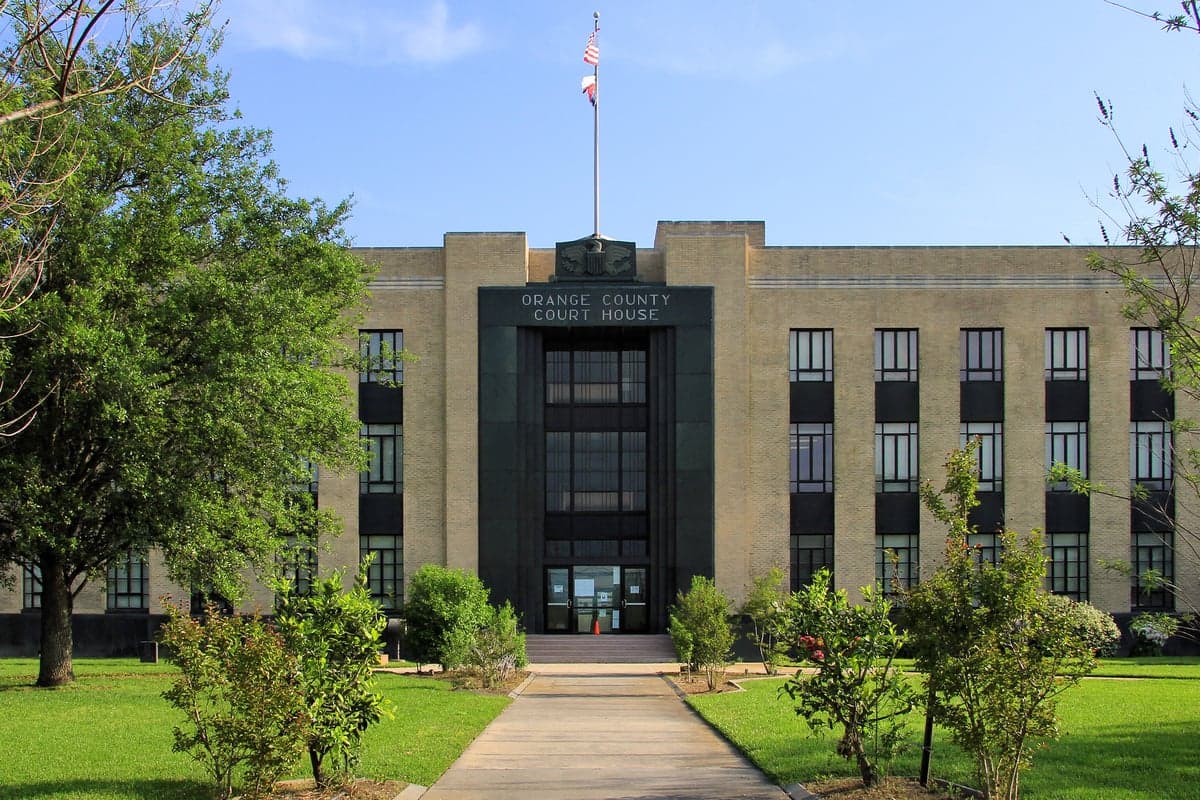
Photo: Wikipedia
Find The Best Places To Live in Orange County
PRO TIP! You can paste a Zillow or Redfin link to get info on that property.
Best Places to Live in Orange County
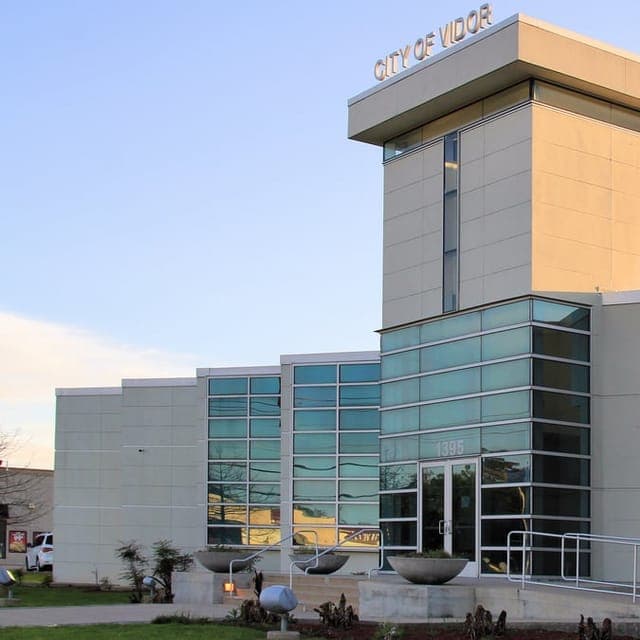
Cities & Towns in Orange County
Cities in Orange County
What It's Like Living in Orange County, TX
Living in Orange County, Texas, feels like being part of a close-knit, resilient community where the Sabine River meets the bayous and the pace of life slows down just enough to notice your neighbors. It’s a place where folks in Orange, Vidor, Bridge City, and West Orange share a deep pride in their Cajun-Cowboy heritage, and where the cost of living is low enough that a median income of $73,372 actually stretches pretty far. You won’t find the glitz of Houston or the hipster coffee shops of Austin, but you will find a genuine, hardworking culture built around family, church, high school football, and the petrochemical industry.
The Daily Rhythm: Work, Family, and a Slower Pace
Most mornings here start early. A huge chunk of the workforce commutes to the massive petrochemical plants in Beaumont and Port Arthur—the average commute is about 25 minutes, which feels manageable even by small-city standards. The median age of 37.9 reflects a population that’s settled down, with many families raising kids in the same towns they grew up in. After work, you’ll find people grabbing dinner at a local spot like Robert’s on the River in Orange for catfish and cold beer, or hitting the drive-thru at a local Tex-Mex joint in Vidor. Weekends are for the water—fishing in the Sabine River, boating on Sam Rayburn Reservoir, or just hanging out at a local park. The cost of living index sits at a remarkable 76 (well below the national average of 100), which means your dollar buys a bigger house and a more comfortable lifestyle than it would in most of the country.
Sports, Community, and Friday Night Lights
If you want to understand Orange County, you have to understand its obsession with high school football. Friday nights in the fall are sacred, especially in Bridge City and West Orange-Stark, where the stands are packed with generations of families. West Orange-Stark High School’s football program has been a state powerhouse, and the community rallies around it with a fervor that rivals small-town Texas anywhere. Beyond football, baseball and softball are huge, and the local Little League fields are social hubs in the spring and summer. There’s no pro sports team in the county, but that doesn’t matter—the local teams are the stars. The annual Orange County Fair and Rodeo in Orange is another big community anchor, bringing together carnival rides, livestock shows, and a sense of shared identity that’s hard to find in bigger cities.
What’s There to Do: Outdoors, Eats, and Local Flavor
For a county of about 85,000 people, there’s a surprising amount to do if you like the outdoors. The Sabine National Wildlife Refuge and the Big Thicket National Preserve are right on the doorstep, offering world-class birding, hiking, and kayaking through cypress swamps. Fishing is a way of life here—whether you’re casting a line off a pier in Orange or heading to the Gulf about an hour south. For a night out, locals gravitate toward the Lutcher Theater in Orange for live performances, or to the Shangri La Botanical Gardens, which offers a serene escape right in town. Dining is straightforward and satisfying: think fried seafood, po’boys, and barbecue. A few standout spots include Broussard’s Cajun Cuisine in Bridge City for authentic gumbo and Daddio’s in Orange for burgers. The bar scene is modest, but you’ll find friendly dive bars and sports pubs where everyone knows your name within a few visits.
Pros and Cons of Living Here
Let’s be honest about the trade-offs. The biggest pro is the affordability: the median home value is just $163,400, which means a family can buy a decent three-bedroom house on a single income. The low crime rate in many of the smaller communities, especially Bridge City, is a major draw for families. The sense of community is real—people help each other out, and you won’t feel anonymous. On the flip side, the violent crime rate of 345.5 per 100,000 is higher than the national average, and it’s concentrated in parts of Orange itself, so it pays to know your neighborhood. The weather is another reality check: humid summers that feel like a wet blanket, and the constant threat of hurricanes and flooding from the Sabine River. Only 17.8% of adults hold a college degree, which reflects the blue-collar economy—great if you work in the trades or industry, but limiting if you’re in a white-collar field. Traffic is rarely a problem, but the commute to Houston (about 90 minutes) is a haul for a weekend trip.
Who Fits In Here
Orange County is ideal for someone who values roots over trends. It’s a place for families who want their kids to play outside until dark, for hunters and anglers who want quick access to the marsh, and for people who work in the energy sector and want a low-stress commute. It’s less suited for young professionals seeking a vibrant nightlife or a diverse food scene. The political and cultural vibe leans conservative, with a strong church presence and a “mind your own business” attitude. If you’re looking for a place where your dollar goes far, where high school football is a big deal, and where you can actually know your mail carrier by name, Orange County might feel like home.

* Values derived from national, state, county, city and local statistics and may differ in a specific area. Last updated: 2026-08-08T13:20:18.000Z
Narrative content on this page is AI-generated and may contain mistakes. Verify any details that matter before acting on them.
ReloMaps may earn a commission from affiliate links at no extra cost to you.

