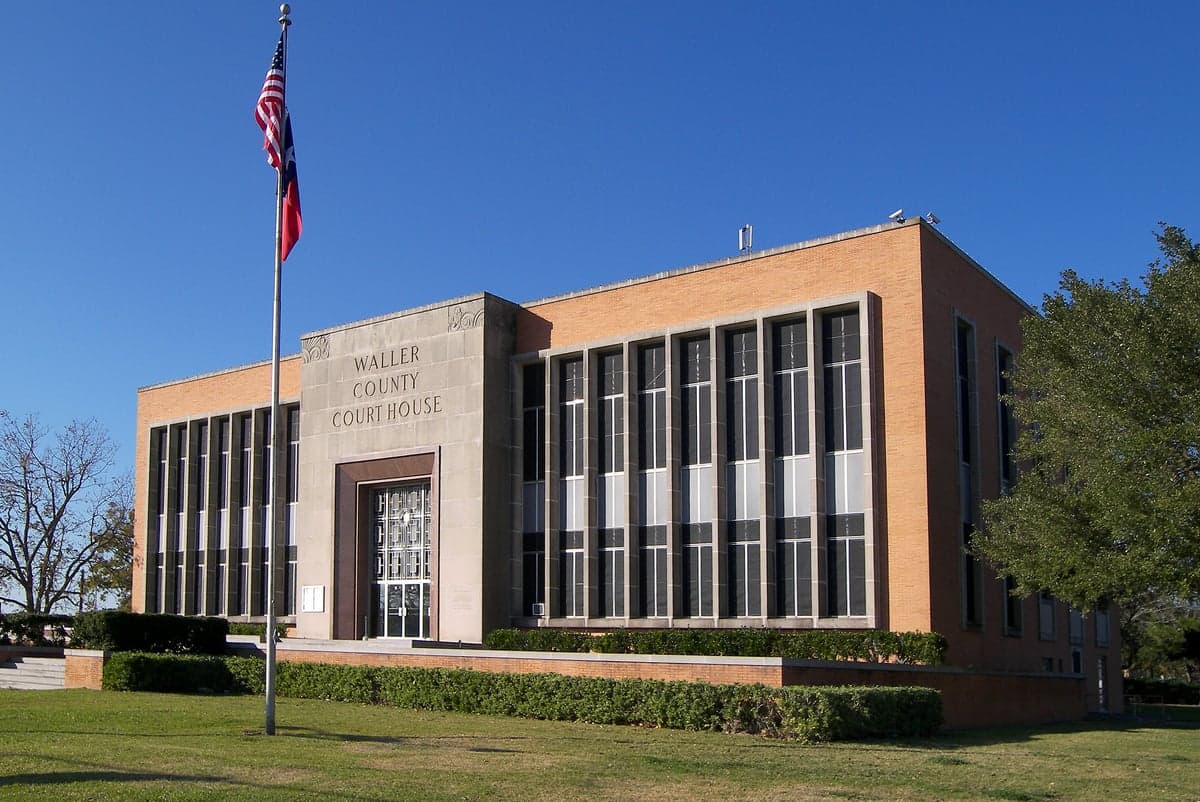
Photo: Wikipedia
Quality of Life in Waller County
A livable area that tracks near national norms for affordability, walkability, and neighborhood health.
What does Quality of Life tell us?
Quality of Life measures an area by evaluating factors like cost of living, nearby amenities, country club access, airport proximity, socioeconomic signals and neighborhood character. For large states, this is a general average — quality of life can vary dramatically between metro areas, suburbs, and rural communities within the same state.
What does this tell us?
Quality of Life measures an area by evaluating factors like cost of living, nearby amenities, country club access, airport proximity, socioeconomic signals and neighborhood character. For large states, this is a general average — quality of life can vary dramatically between metro areas, suburbs, and rural communities within the same state.
Cost of Living
4% above national average
91%
The Real Cost of Living in Waller County for 2026
| Tier | Individual | Family (4) |
|---|---|---|
| Survival | $19k | $36k |
| Comfortable | $57k | $83k |
| Luxury | $138k+ | $213k+ |
| Elite (Top 5%) | $168k+ | $261k+ |
Quality-of-Life Analysis
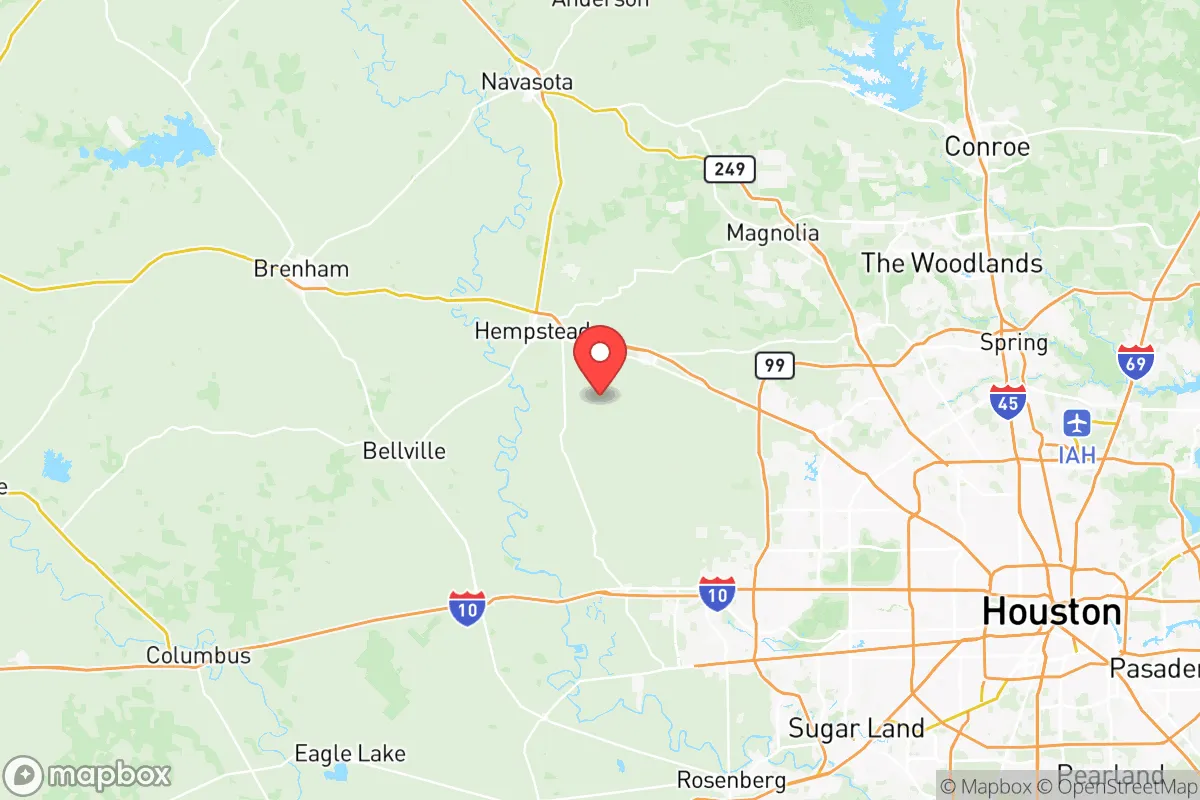
Waller County, Texas, offers a genuine spectrum of living environments that range from the suburban-expanding edge of the Houston metro to deeply rural, agricultural communities, drawing everyone from Houston commuters and Prairie View A&M students to ranchers and small-town retirees. The county’s character shifts noticeably from its eastern edge, where development spills out from the Katy area, to its western reaches, where open pasture and small crossroads define daily life. With a cost of living index of 104 (just above the national average) and a median commute of roughly 32 minutes, the county balances affordability with access to Houston’s job market, but the experience varies dramatically depending on which part of the county you choose.
Largest town(s) & population centers
Prairie View is the county’s most prominent population center, anchored by Prairie View A&M University, a historically Black university that shapes the town’s culture, economy, and demographics. Daily life here revolves around the academic calendar, with a youthful, transient population of students and faculty alongside a smaller permanent resident base. The town offers basic services—groceries, fast food, and a few local eateries—but most residents drive to Hempstead or Cypress for major shopping and entertainment. Hempstead, the county seat, is the other main hub, with a historic downtown square, county government offices, and a more established small-town feel. Its population of roughly 8,000 supports a Walmart, several chain restaurants, and local businesses, making it the practical center for much of the county’s western half. Both towns have median home values near the county average of $292,000, though Prairie View’s rental market is tighter and more expensive due to student demand, with median rent at $1,210.
Smaller towns & rural pockets
Beyond the two main towns, Waller County is dotted with unincorporated communities and tiny municipalities that offer a quieter, more land-based lifestyle. Brookshire, on the county’s eastern edge, is a small town of about 5,500 that feels like a rural outpost of Katy, with newer subdivisions creeping in alongside older ranch properties. Pattison and Monaville are unincorporated crossroads with little more than a post office and a few homes, where residents live on acreage and commute to Hempstead or Houston. Fields Store, near the Montgomery County line, is a sparsely populated area of large lots and horse properties. These rural pockets have significantly lower housing costs—some older homes on acreage sell for under $200,000—but lack municipal services like water and sewer, requiring well and septic systems. The trade-off is privacy, space, and a slower pace that appeals to families seeking land and retirees wanting to escape suburban density.
Cost & lifestyle range
The cost of living and amenities vary sharply across the county. At the higher end, newer subdivisions near Brookshire and the eastern edge of Hempstead see home prices pushing $350,000–$400,000, driven by Houston commuters willing to accept a 31-minute average commute for more square footage and land. These areas have access to Katy’s shopping, dining, and top-rated schools (Katy ISD serves parts of eastern Waller County). At the lower end, older homes in Prairie View’s historic neighborhoods and rural properties in Pattison or Monaville can be found for $150,000–$200,000, though they may need renovation and lack nearby amenities. Renters face a tight market: the county’s median rent of $1,210 is reasonable by Houston standards, but options are limited outside of Prairie View’s student-oriented apartments and a few complexes in Hempstead. Utilities and property taxes are moderate, but rural residents often pay more for well maintenance, propane, and private trash service. The lifestyle range is essentially a choice between suburban convenience with a long commute and rural independence with fewer services.
Waller County is best suited for people who value space and affordability over urban amenities and who are comfortable with a 30-minute drive to most services. Commuters working in Houston’s Energy Corridor or Cypress find the eastern part of the county practical, while those seeking a true rural lifestyle—hobby farms, hunting land, or just quiet—gravitate to the western and northern pockets. Students and faculty at Prairie View A&M form a distinct community that gives the county a unique cultural anchor. For anyone who wants a lower cost of living than Houston proper, with the option of either suburban growth or genuine countryside, Waller County delivers a genuine range of choices.

Crime in Waller County
Crime rates similar to the national median for U.S. locations.
Violent CrimeViolent Crime Analysis
Property CrimeProperty Crime Analysis
Crime Analysis
Waller County, Texas, presents a mixed safety profile for prospective residents, with crime rates that demand careful attention. The county recorded a violent crime rate of 345.5 per 100,000 residents and a property crime rate of 1,795.5 per 100,000 in the most recent reporting period. These figures place Waller County in a challenging position relative to both state and national averages, particularly given its proximity to the Houston metropolitan area and the policy environment of its local justice system.
Crime in context
Waller County’s violent crime rate of 345.5 per 100,000 is approximately 15% higher than the Texas state average of roughly 300 per 100,000 and significantly above the national median. The property crime rate of 1,795.5 per 100,000 is closer to the state average but still elevated. For comparison, nearby Fulshear—a rapidly growing city partially in Waller County—reports substantially lower crime rates, while Hempstead, the county seat, and Prairie View experience higher concentrations of incidents. The county’s location along the I-10 corridor between Houston and San Antonio contributes to transient crime, including vehicle thefts and burglaries. The 2024 election cycle saw progressive candidates for district attorney in the region advocating for reduced cash bail and alternative sentencing, policies that correlate with increased recidivism and public safety concerns in comparable Texas counties.
What residents experience
Daily life for Waller County residents involves navigating a landscape where property crime is the most common threat. Vehicle burglaries and thefts from construction sites are frequent, particularly in unincorporated areas near new housing developments. Violent crime, while less common, includes aggravated assaults and robberies, with Prairie View reporting a disproportionate share due to its university-adjacent population and socioeconomic challenges. The county’s law enforcement is primarily handled by the Waller County Sheriff’s Office, with municipal police in Hempstead, Brookshire, and Pattison covering their jurisdictions. Residents in Fulshear and Katy (the portion extending into Waller County) often report feeling safer, benefiting from newer infrastructure, higher property values, and more responsive local policing. However, the county’s judicial district has faced criticism for lenient sentencing in property crime cases, a pattern that frustrates victims and emboldens repeat offenders.
Neighborhood-level variation
Safety in Waller County varies dramatically by location. Fulshear and the master-planned communities near the Grand Parkway consistently report the lowest crime rates, with violent crime near zero in some subdivisions. In contrast, Hempstead and Prairie View experience rates 2-3 times the county average, driven by poverty, limited street lighting, and understaffed police departments. Brookshire falls in the middle, with property crime as the primary concern. The county’s rural areas, such as those around Monaville and Fields Store, see very low violent crime but are vulnerable to agricultural theft and trespassing. Prospective residents should prioritize neighborhoods with active homeowners’ associations, private security patrols, and proximity to Fulshear or Katy police jurisdictions. The progressive tilt of the local district attorney’s office—favoring diversion programs over incarceration—means that even in safer areas, residents cannot assume swift justice for property crimes, making personal security measures and community vigilance essential.
* Values derived from national, state, county, city and local statistics and may differ in a specific area. Last updated: 2026-08-08T14:26:24.000Z
Narrative content on this page is AI-generated and may contain mistakes. Verify any details that matter before acting on them.
ReloMaps may earn a commission from affiliate links at no extra cost to you.

