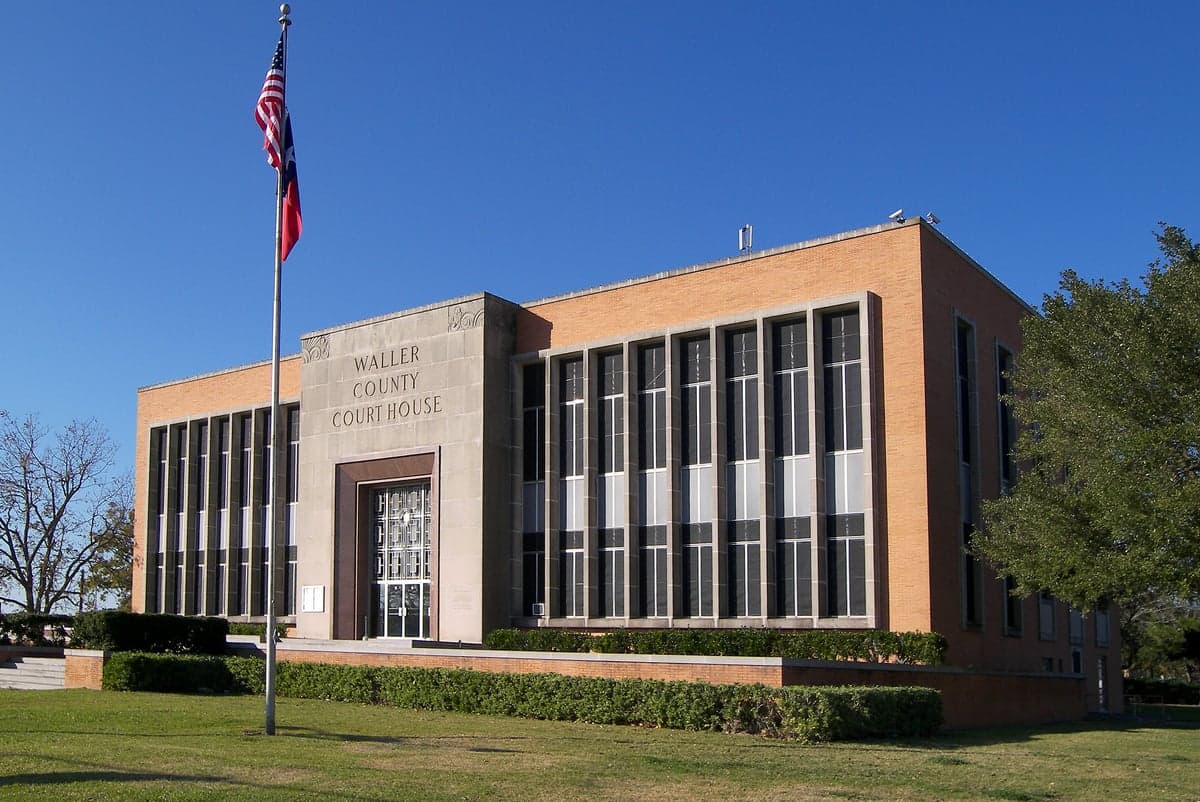
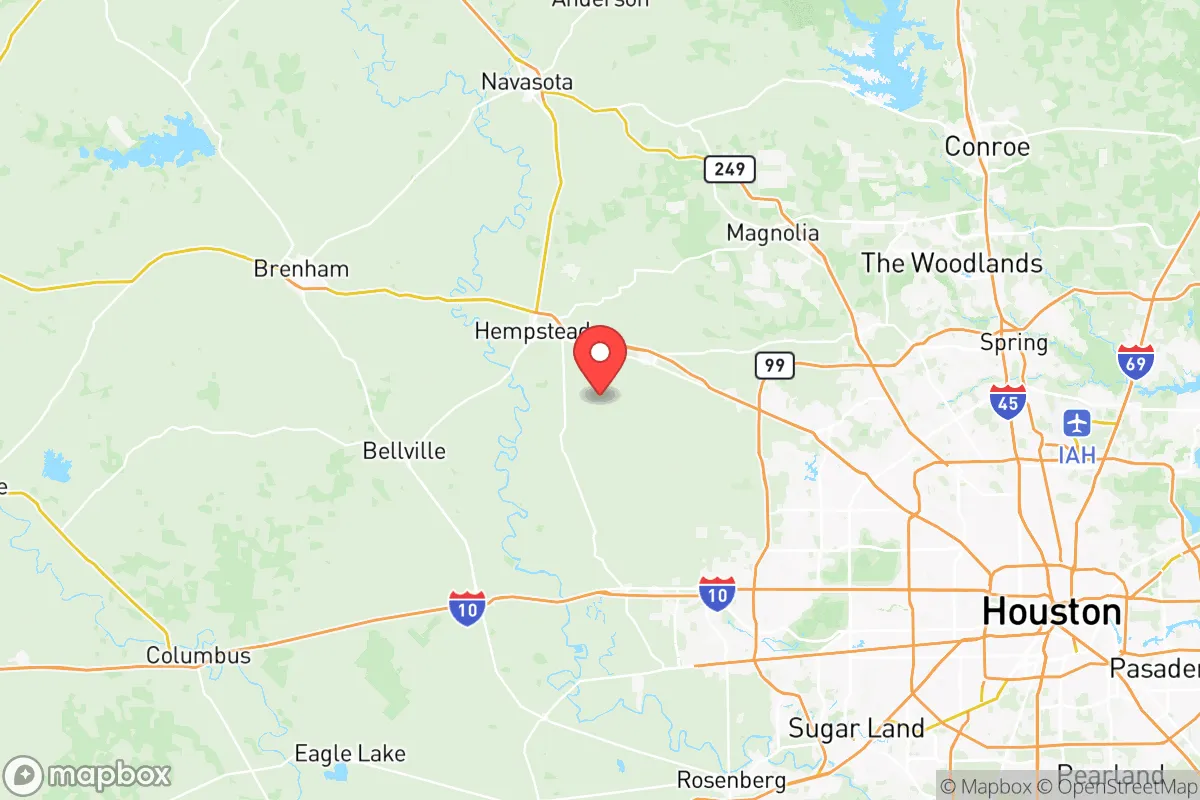
Photo: Wikipedia
Find The Best Places To Live in Waller County
PRO TIP! You can paste a Zillow or Redfin link to get info on that property.
Best Places to Live in Waller County
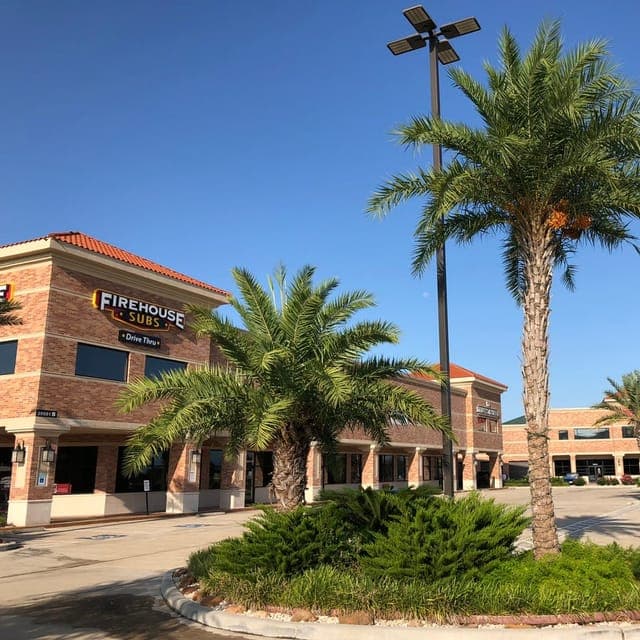
Cities & Towns in Waller County
Cities in Waller County
What It's Like Living in Waller County, TX
Living in Waller County means trading Houston’s constant hum for a slower, more self-reliant rhythm where the county fair and high school football still anchor the social calendar. The county’s 59,455 residents are spread across small cities like Hempstead, Prairie View, Brookshire, and Waller, plus unincorporated stretches of farmland and ranchland that give the area its distinctly rural character. It’s a place where you’re as likely to know your mail carrier’s name as your neighbor’s, and where the median age of 30.8 reflects a population that’s young, often starting families or careers, and willing to trade urban amenities for space and a lower cost of living.
Daily Rhythm: Where You Work, Shop, and Eat
Most people’s days start early and end with a commute that averages just under 32 minutes — a reality of living in a county that’s still largely agricultural but sits within commuting distance of Houston, Katy, and Cypress. In Hempstead, the county seat, you’ll find the courthouse square, a handful of locally owned diners like the Hempstead Cafe, and the kind of hardware store where the staff can diagnose a tractor problem. Prairie View is dominated by Prairie View A&M University, a historically Black university that brings a younger, more transient energy to the county’s southeast corner. Brookshire and Waller are more bedroom-community in feel, with newer subdivisions going up along Highway 290 and Highway 90, attracting families priced out of Katy and Fulshear. Grocery shopping means a trip to H-E-B in either Hempstead or Waller; for anything beyond basics, most residents drive to Katy or Cypress. The median household income of $76,135 supports a comfortable but not lavish lifestyle — enough for a decent home (median value $292,000) and a reliable truck, but not for frequent fine dining or international travel.
Sports, Community, and the Things That Bring People Together
High school football is the undisputed center of community life. Friday nights in the fall draw crowds to stadiums in Hempstead, Waller, and Royal (Brookshire), where the stands are full of parents, alumni, and local business owners who close up shop early to watch. The Waller Bulldogs and Hempstead Bobcats have fierce rivalries that date back decades, and the games double as social events where you catch up on who’s having a baby, who’s selling a tractor, and who’s running for county commissioner. Prairie View A&M football games at Panther Stadium are a bigger production, drawing alumni from across the region and giving the county a taste of college-town energy a few Saturdays a year. Beyond football, the Waller County Fair and Rodeo in Hempstead is the biggest annual event — a week of livestock shows, carnival rides, and a rodeo that feels genuinely authentic, not touristy. For outdoor recreation, Stephen F. Austin State Park in San Felipe (just across the Brazos River) offers hiking, fishing, and camping, while the Brazos River itself is a popular spot for kayaking and bank fishing.
What Fits and What Frustrates: The Honest Trade-Offs
The kind of person who thrives here values privacy, space, and a slower pace over walkability and nightlife. It’s a good fit for families who want their kids to grow up in a place where neighbors look out for each other and where the school system — while not nationally ranked — is small enough that teachers know students by name. It also suits people who work in trades, agriculture, or energy, or who have remote jobs and want more land for the money. The cost of living index of 104 is only slightly above the national average, and that’s largely driven by housing; utilities and groceries are cheaper than in Houston proper. But the trade-offs are real. The violent crime rate of 345.5 per 100,000 is higher than the national average, and much of that is concentrated in specific areas, particularly around Prairie View and parts of Hempstead. Property crime — especially theft from vehicles and sheds — is a common frustration in rural areas where homes are set far back from the road. Only 26.6% of adults hold a college degree, which limits the local job market to mostly retail, agriculture, and education; anyone with a specialized career will almost certainly commute to Houston or Katy. Traffic on Highway 290 can be brutal during rush hour, especially between Waller and the Katy area, and the summer heat and humidity are relentless from June through September. Still, for many residents, the ability to own a home on an acre or two, raise chickens, and let the kids roam freely outweighs the inconveniences. It’s not for everyone — but for the people who choose it, Waller County feels like the last affordable corner of the Houston exurbs that still feels like a real community.

* Values derived from national, state, county, city and local statistics and may differ in a specific area. Last updated: 2026-08-08T14:26:24.000Z
Narrative content on this page is AI-generated and may contain mistakes. Verify any details that matter before acting on them.
ReloMaps may earn a commission from affiliate links at no extra cost to you.

