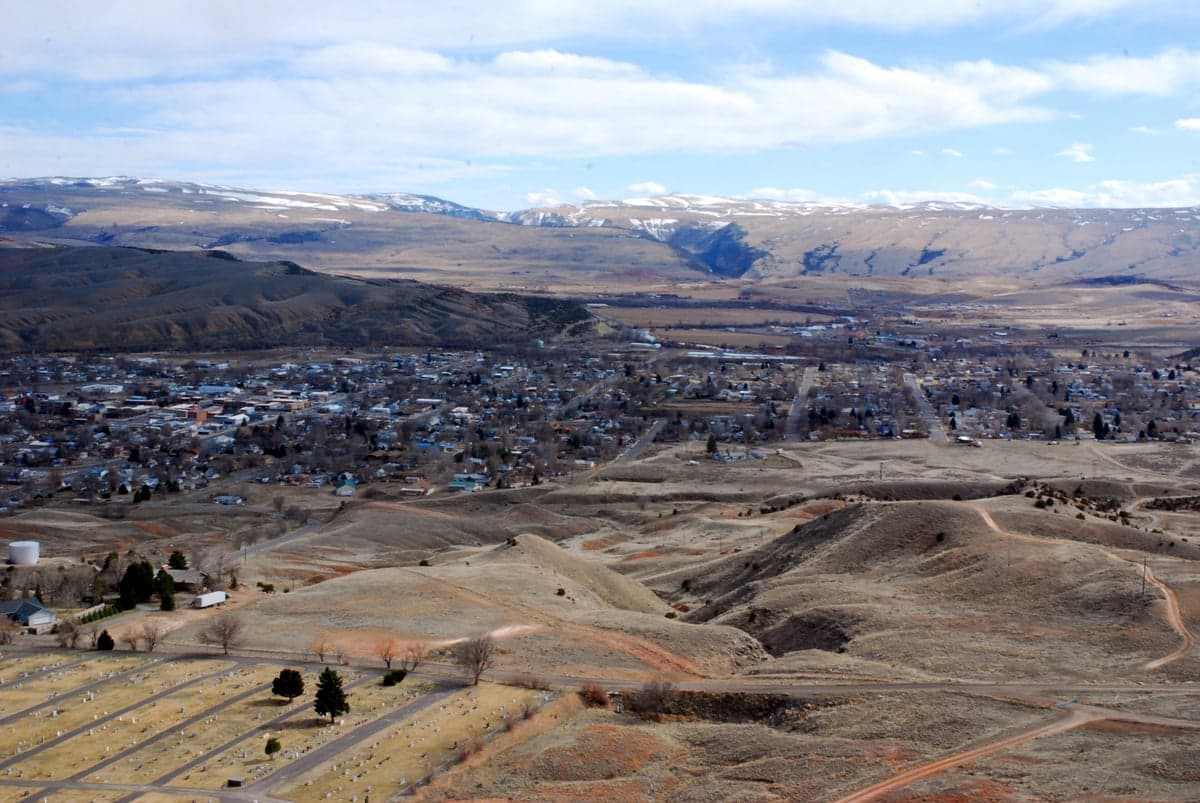
Photo: Wikipedia
Quality of Life in Thermopolis, WY
A high quality of life with strong walkability, manageable living costs, healthy neighborhood signals, and solid amenity access.
What does Quality of Life tell us?
Quality of Life blends cost of living, nearby amenities, socioeconomic signals, and neighborhood character. City-level scores represent the whole municipality; individual neighborhoods can differ.
What does this tell us?
Quality of Life blends cost of living, nearby amenities, socioeconomic signals, and neighborhood character. City-level scores represent the whole municipality; individual neighborhoods can differ.
Cost of Living
25% below national average
The Real Cost of Living in Thermopolis, WY for 2026
| Tier | Individual | Family (4) |
|---|---|---|
| Survival | $14k | $27k |
| Comfortable | $39k | $58k |
| Luxury | $88k+ | $137k+ |
| Elite (Top 5%) | $104k+ | $161k+ |
124%
The Area Signal
A metric tracking the socioeconomic signals of the area.
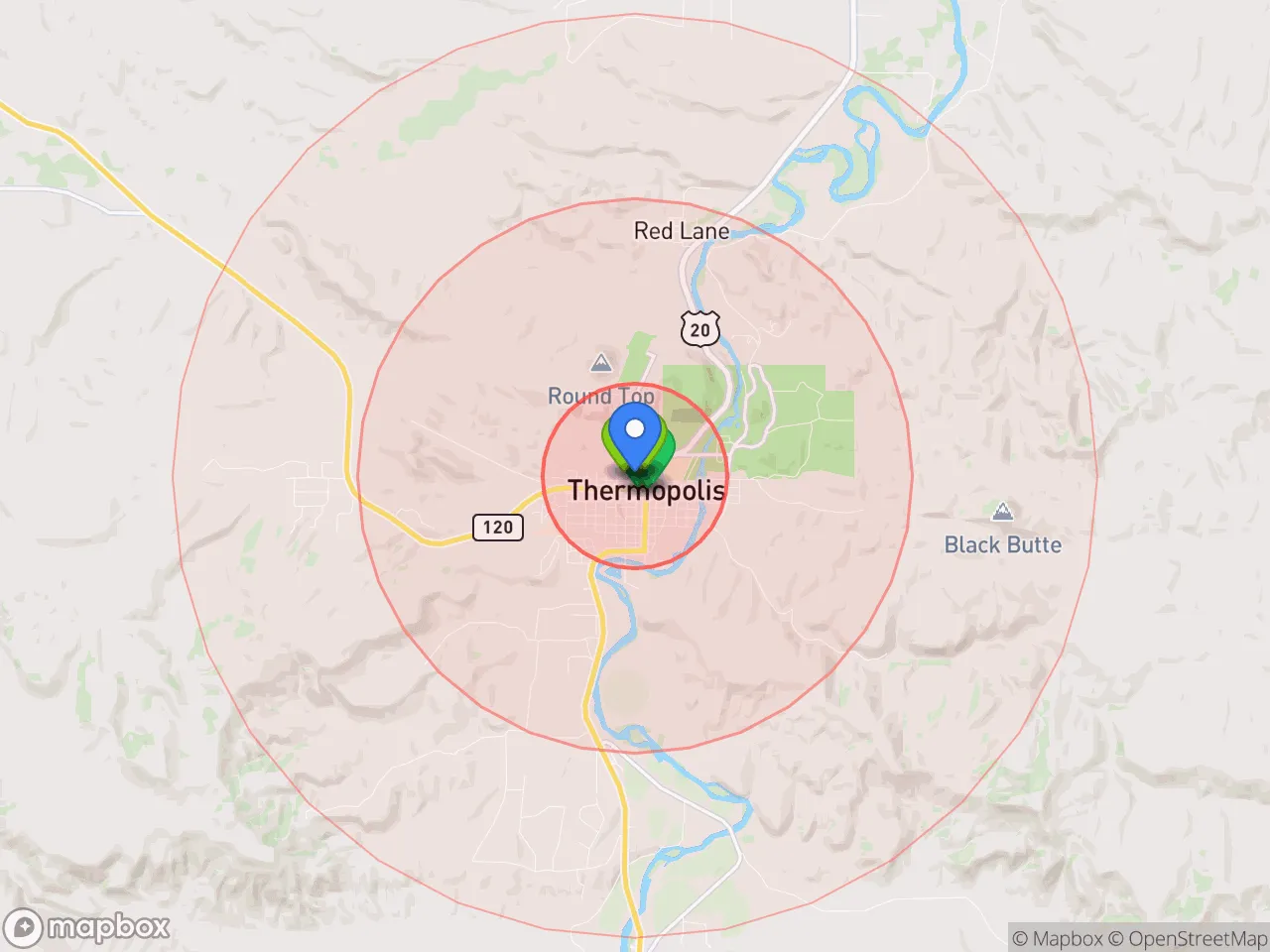
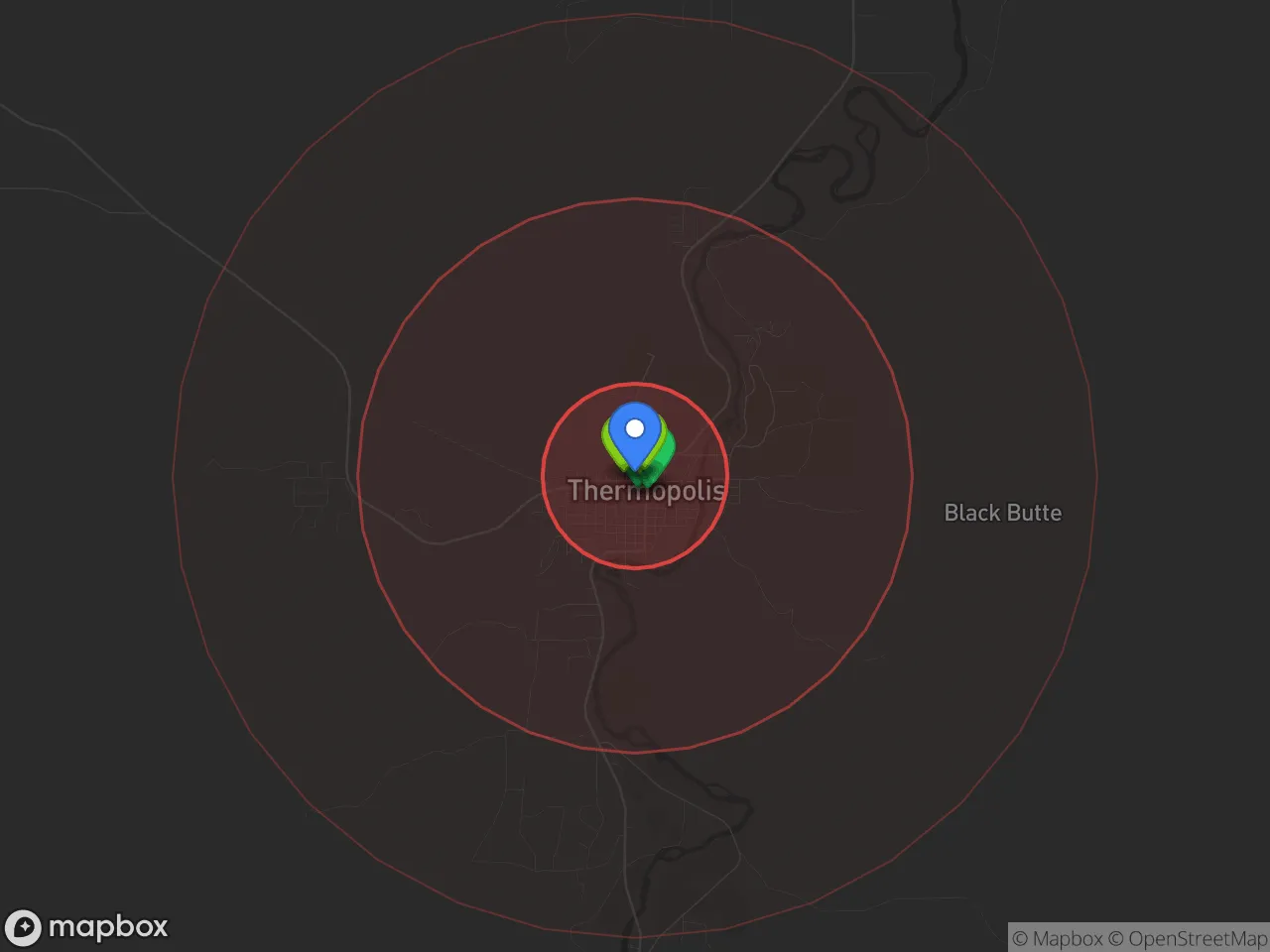
Hobbies
Explore the areaGroceries
0 within 10 miles
Gas
0 within 10 miles
Hospital
1 within 20 miles
Airport
SLC — Salt Lake City International
Post Office
USPS — Thermopolis, WY
Critical Amenities
Quality-of-Life Analysis
Thermopolis, Wyoming, is a small, affordable community where the cost of living sits well below the national average, attracting a mix of retirees, outdoor enthusiasts, and families seeking a quieter, slower-paced life. With a cost of living index of 75—25 points below the U.S. baseline—residents enjoy significant financial breathing room, though the local economy is modest and job opportunities are concentrated in healthcare, tourism, and government. The town’s population of roughly 3,000 is notably older than the national median, with many drawn by the world’s largest mineral hot springs and the surrounding Bighorn Basin’s recreational access.
Cost of living, housing affordability, and how Thermopolis compares to nearby towns
Thermopolis offers some of the most affordable housing in Wyoming, with a median home value of $201,600—roughly half the state median of $400,000—and a median rent of $892, well below the national average of $1,200. This affordability is a primary draw, especially compared to pricier Wyoming hubs like Jackson (median home value over $1.5 million) or even Cody ($350,000). The average commute is just 18.5 minutes, far shorter than the national average of 26 minutes, reflecting the town’s compact layout and limited traffic. However, lower housing costs come with trade-offs: the local job market is thin, with major employers including Hot Springs State Park, the county hospital, and the school district, and wages tend to lag behind state averages. For remote workers or retirees on fixed incomes, Thermopolis is a financial haven; for those seeking career growth, it may feel constrained.
What daily life is like: amenities, schools, and the local rhythm
Daily life in Thermopolis revolves around its natural assets and small-town pace. The town’s centerpiece is Hot Springs State Park, which offers free public bathing in mineral pools, hiking trails, and a bison herd—a unique amenity unmatched in most Wyoming communities. The Hot Springs County School District serves roughly 600 students, with Ralph Witters Elementary and Thermopolis Middle/High School both rated above average on state assessments, though advanced coursework options are limited. For shopping and dining, residents rely on a small downtown core with local cafes, a grocery store, and a hardware store; for major retail or medical specialists, the nearest options are in Worland (30 miles north) or Riverton (50 miles west). The local rhythm is unhurried: community events like the annual Gift of the Waters Pageant and the Wyoming Dinosaur Center (a major draw for families) anchor the social calendar. Internet access is adequate but not gigabit-level, with Spectrum and T-Mobile Home Internet covering most of town.
Thermopolis is best suited for those who prioritize affordability, outdoor recreation, and a tight-knit community over urban amenities or career advancement. Retirees on fixed incomes will find the low cost of living and free hot springs a compelling combination, while remote workers can leverage the short commute and quiet environment. Families with young children will appreciate the safe streets and decent schools, but teens may find the lack of entertainment options stifling. For anyone seeking a low-stress, nature-immersed lifestyle in a town where a dollar stretches far, Thermopolis delivers—but it requires a willingness to drive for variety and opportunity.

Crime in Thermopolis, WY
Lower crime rates than 93% of comparable U.S. locations.
Violent CrimeViolent Crime Analysis
Property CrimeProperty Crime Analysis
Crime Analysis
Thermopolis, Wyoming, presents a notably safe environment compared to national averages, with violent crime rates roughly 80% lower than the U.S. median. The town’s overall crime picture is shaped by its small population of roughly 2,700 and its role as a regional hub for Hot Springs County. While property crime occurs at a moderate rate, the community benefits from low population density and a conservative local justice system that prioritizes public safety over progressive offender-oriented policies.
Crime in context
Thermopolis reports a violent crime rate of 72.8 incidents per 100,000 residents, a figure that is dramatically lower than the national average of approximately 380 per 100,000. Property crime stands at 363.8 per 100,000, which is also well below the U.S. rate of roughly 1,950 per 100,000. Compared to the state of Wyoming, which has a violent crime rate of about 230 per 100,000, Thermopolis is significantly safer. This low crime environment is consistent with the broader trend in rural Wyoming, where conservative judicial philosophies and limited prosecutorial leniency contribute to fewer repeat offenses and stronger victim protections. In contrast, large metro areas—and smaller cities near them—that have adopted progressive district attorney policies (e.g., cash bail reform, reduced charging for property crimes) often see elevated recidivism and public safety concerns; Thermopolis does not exhibit these patterns.
What residents experience
Residents of Thermopolis typically describe the town as a place where doors are left unlocked and children walk to school without worry. The most common crimes are minor property offenses such as theft from vehicles or unlocked sheds, rather than violent confrontations. The local police department and Hot Springs County Sheriff’s Office maintain a visible presence, and community policing is the norm. Because the justice system in this region does not prioritize progressive sentencing reforms—such as decriminalization of low-level theft or early release programs—offenders face consistent consequences, which acts as a deterrent. This stands in contrast to jurisdictions where progressive judges and district attorneys, while sympathetic to offenders, have been linked to increased street crime and diminished justice for victims.
Neighborhood-level variation in Thermopolis is minimal due to the town’s small size. The area around the Hot Springs State Park and the commercial corridor along U.S. Route 20 sees slightly higher foot traffic and occasional petty theft, while residential streets east of the Bighorn River are exceptionally quiet. No specific neighborhoods are considered high-risk, and the entire community benefits from a unified, conservative approach to law enforcement that keeps crime rates low and public confidence high.
* Values derived from national, state, county, city and local statistics and may differ in a specific area. Last updated: 2026-04-21T11:40:36.000Z
Narrative content on this page is AI-generated and may contain mistakes. Verify any details that matter before acting on them.
ReloMaps may earn a commission from affiliate links at no extra cost to you.

