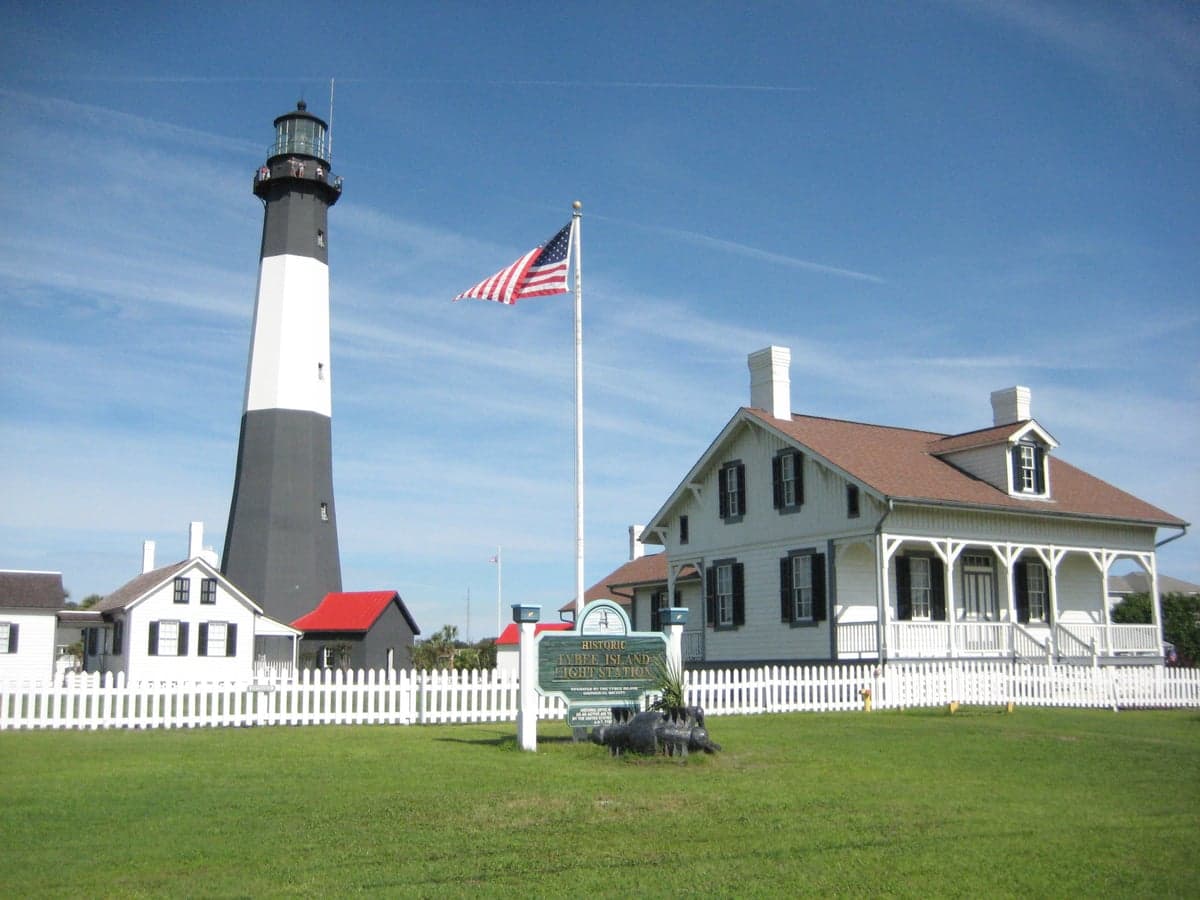
Photo: Wikipedia
Find The Best Places To Live
in Tybee Island
PRO TIP! You can paste a Zillow or Redfin link to get info on that property.
What It's Like Living in Tybee Island, GA
Living on Tybee Island feels less like a typical beach town and more like a small, tight-knit village where the ocean dictates the pace. With just over 3,100 year-round residents, the island has a distinctly older, quieter vibe—the median age hovers around 64—and the kind of easygoing rhythm that appeals to retirees, remote workers, and families who value salt air over strip malls. You won’t find high-rise condos or chain restaurants clogging the main drag; instead, Tybee rewards those who slow down, learn the tide schedules, and accept that “rush hour” means waiting for the drawbridge to lower.
Daily Rhythm: What People Actually Do Here
Most mornings start with coffee at a local spot like the Tybean Art & Coffee Bar, followed by a walk on the beach or a bike ride to the Back River for dolphin spotting. The island’s small size means you’ll run into neighbors at the IGA grocery store or the Post Office, and errands often double as social calls. Weekends are built around the water: kayaking through the marshes, fishing off the pier, or grabbing oysters at The Crab Shack. The average commute of about 28 minutes—mostly to jobs in Savannah or at Hunter Army Airfield—is a trade-off locals accept for the privilege of living steps from the Atlantic. For families, the Tybee Island Maritime Academy (a public charter school) serves K-8, and many older kids commute to Savannah for high school, which keeps the island’s school community small but involved.
Sports, Festivals, and the Local Social Scene
Tybee isn’t a sports town in the traditional sense—there’s no high school football rivalry to rally around. Instead, the community’s energy flows into events like the Tybee Island Pirate Fest each October, which draws thousands for parades and costume contests, and the Tybee Run Fest that turns the beach into a racecourse. The Savannah Bananas, a collegiate summer baseball team known for their barnstorming antics, are a 20-minute drive away and pack the house with families who want something more entertaining than a standard game. For music, head to Huc-A-Poo’s Bites & Brews for live bands on the patio or the Tybee Post Theater, a restored 1930s movie house that hosts concerts and film screenings. The real “sport” here is outdoor recreation: paddleboarding, surfing at the north end, and biking the 3.5-mile stretch of the island are the default weekend activities.
Pros and Cons of Island Life
What longtime residents love: The quiet. Tybee lacks the party-hearty reputation of Myrtle Beach or Panama City, and the low violent crime rate (63.6 per 100,000—well below national averages) means kids can ride bikes to the beach without constant worry. The community is fiercely protective of its character, fighting off overdevelopment at every turn. The cost of living is high—indexed at 150, with a median home value of $613,400—but for those who can afford it, the trade-off is a place where neighbors still wave and the biggest controversy is often about parking.
What frustrates them: Summer crowds. From Memorial Day to Labor Day, the island’s population swells with day-trippers from Savannah, turning the two-lane road into a parking lot and filling every restaurant with hour-long waits. The seasonal rhythm means locals either hunker down or plan their errands for off-peak hours. Weather is another reality check: hurricane season runs June through November, and mandatory evacuations are a fact of life—residents keep a “go bag” ready and know the route to higher ground. The schools, while cherished, are limited; families with older kids face a daily commute or private school tuition in Savannah.
Who Fits In—and Who Doesn’t
Tybee works best for people who value simplicity over convenience. The median income of $112,778 suggests a population of professionals—many in healthcare, education, or remote tech—who could live anywhere but choose this island for its quiet beauty. Retirees dominate (the median age of 63.8 is a full 25 years above the national average), and the social calendar revolves around sunset gatherings, book clubs, and volunteer work with the Tybee Beautification Association. Families with young children are a smaller but visible presence, drawn by the safety and the beach lifestyle, though they often leave for the mainland once kids hit middle school. If you need nightlife, big-box shopping, or a fast-paced career scene, Tybee will feel claustrophobic. But if your idea of a perfect Saturday involves a fishing rod, a cooler, and no agenda, you’ll wonder why you didn’t move sooner.

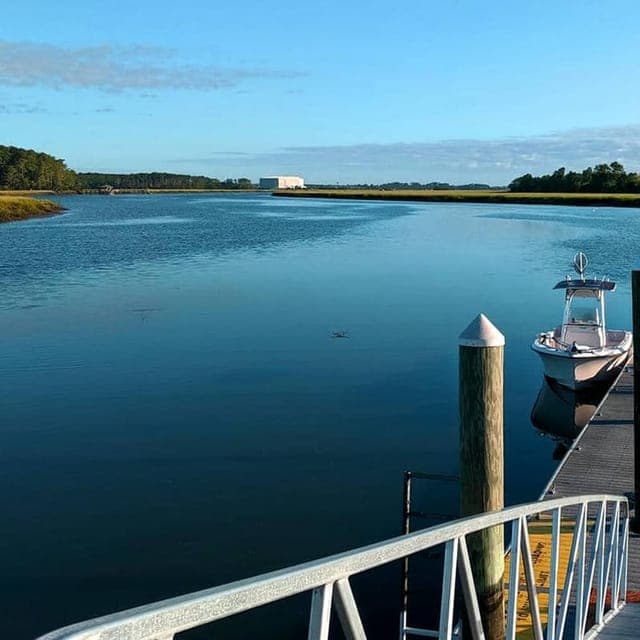
Similar small towns to Tybee Island
* Values derived from national, state, county, city and local statistics and may differ in a specific area. Last updated: 2026-04-23T05:28:25.000Z
Narrative content on this page is AI-generated and may contain mistakes. Verify any details that matter before acting on them.
ReloMaps may earn a commission from affiliate links at no extra cost to you.

