Photo: Wikipedia
Quality of Life in Tybee Island, GA
A high quality of life with strong walkability, manageable living costs, healthy neighborhood signals, and solid amenity access.
What does Quality of Life tell us?
Quality of Life blends cost of living, nearby amenities, socioeconomic signals, and neighborhood character. City-level scores represent the whole municipality; individual neighborhoods can differ.
What does this tell us?
Quality of Life blends cost of living, nearby amenities, socioeconomic signals, and neighborhood character. City-level scores represent the whole municipality; individual neighborhoods can differ.
Cost of Living
50% above national average
The Real Cost of Living in Tybee Island, GA for 2026
| Tier | Individual | Family (4) |
|---|---|---|
| Survival | $19k | $36k |
| Comfortable | $82k | $121k |
| Luxury | $121k+ | $187k+ |
| Elite (Top 5%) | $142k+ | $220k+ |
93%
The Area Signal
A metric tracking the socioeconomic signals of the area.
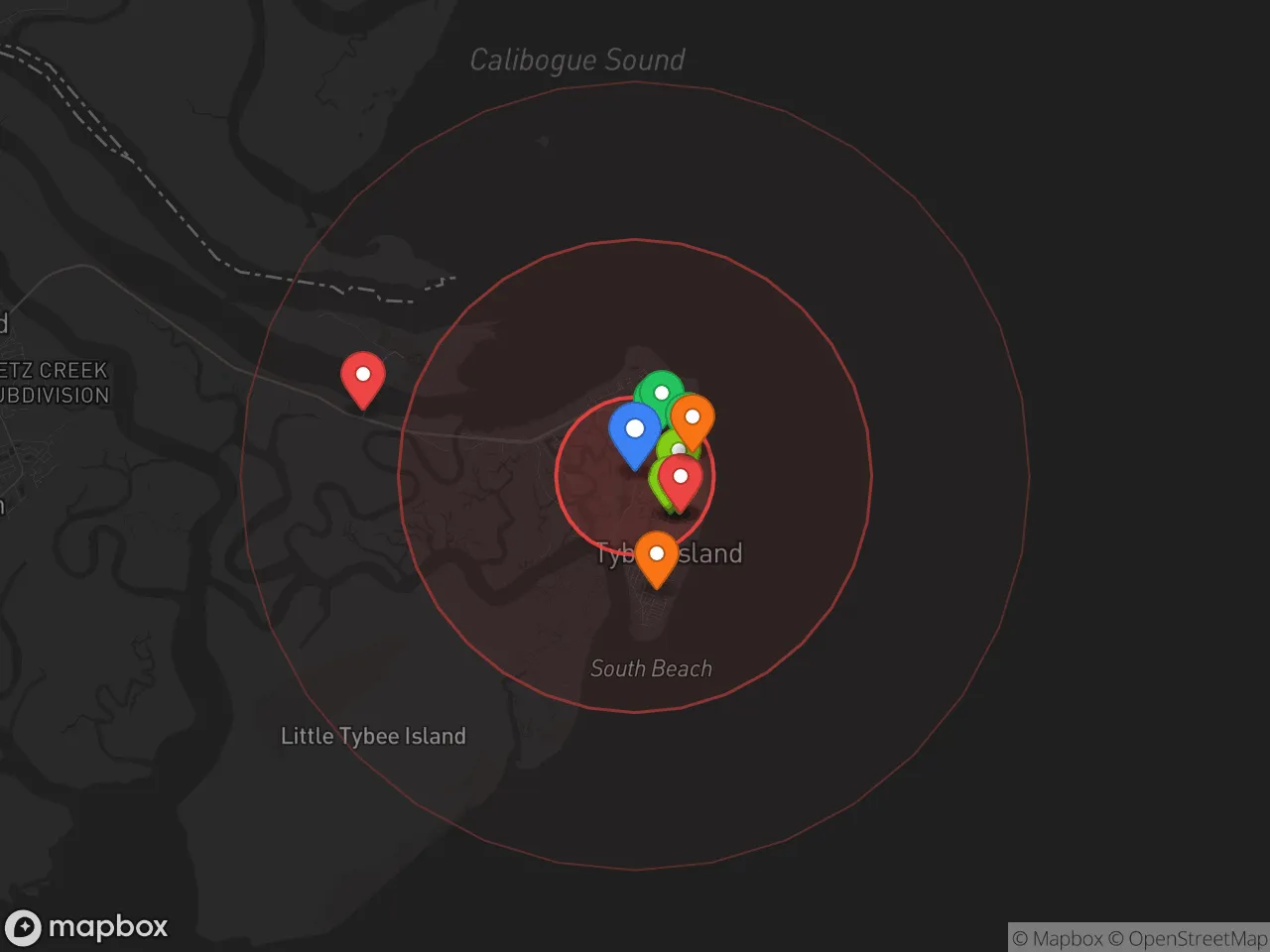
Hobbies
Explore the areaGroceries
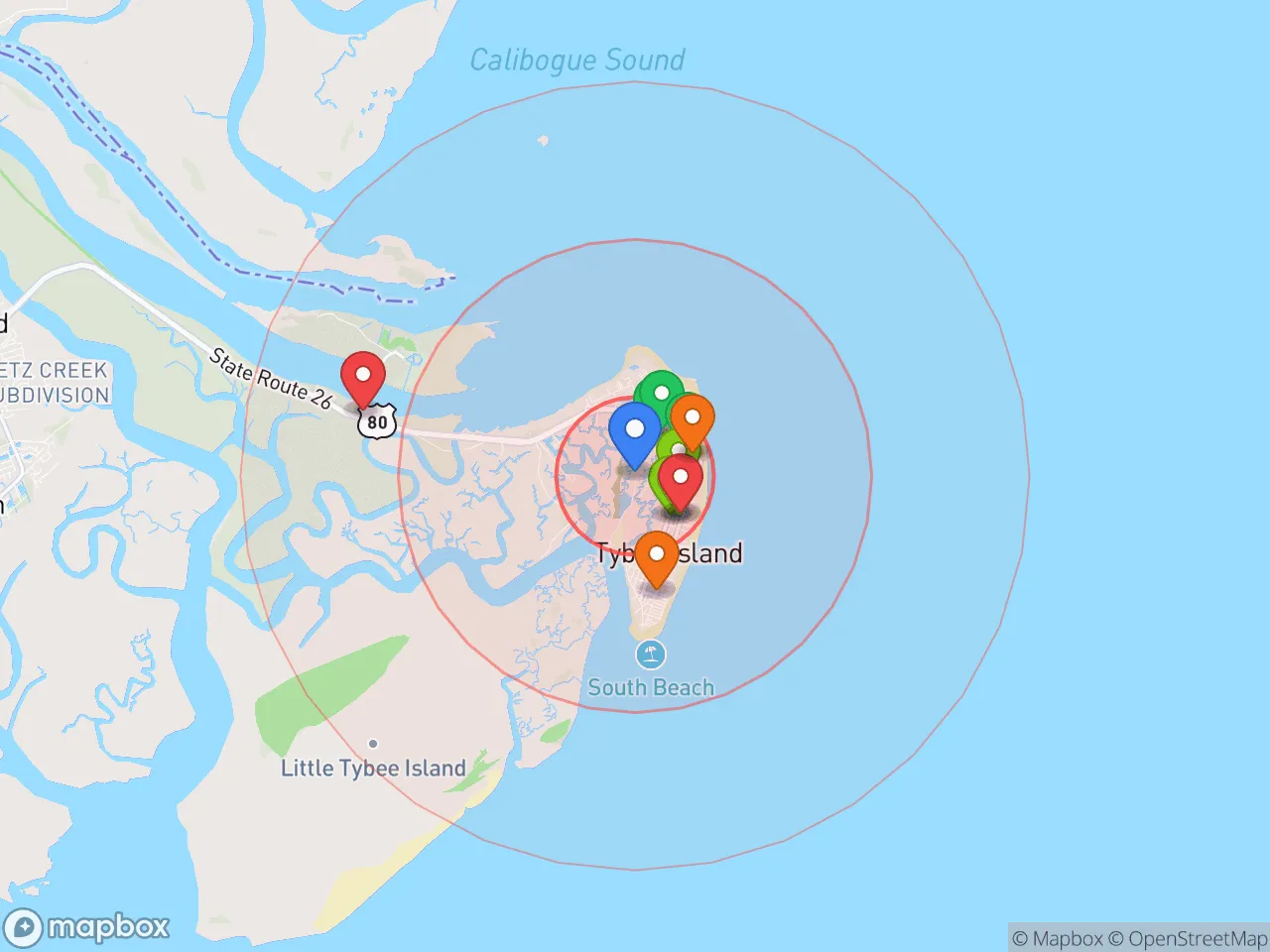
3 within 10 miles
Gas
11 within 10 miles
Hospital
13 within 20 miles
Airport
CLT — Charlotte Douglas International
Post Office
USPS — Tybee Island, GA
Critical Amenities
Quality-of-Life Analysis
Tybee Island, Georgia, is an affluent coastal enclave with a cost of living index of 150 (50% above the U.S. average), attracting a mix of second-home owners, remote professionals, and retirees who prioritize beach access over urban convenience. The island’s permanent population of roughly 3,000 swells seasonally with tourists, creating a tight-knit community where year-round residents know each other by name. Median household incomes hover around $65,000, but the housing market skews toward higher earners and those with significant equity from previous home sales.
Cost of living, housing prices, and how Tybee compares to Savannah and Hilton Head
Tybee Island’s median home value of $613,400 is more than double the national median and roughly 40% higher than Savannah’s metro area median of $350,000, reflecting the premium for oceanfront and marsh-view properties. Renters fare somewhat better, with a median rent of $1,214—comparable to Savannah’s $1,150 but significantly below Hilton Head’s $1,800. However, rental inventory is extremely tight, with vacancy rates below 3%, and most units are seasonal vacation rentals rather than long-term leases. The average commute of 28 minutes is driven by the single road (U.S. 80) connecting the island to Savannah, where most jobs are located; traffic can double that time during summer weekends. Property taxes in Chatham County average 0.85% of assessed value, which on a $613,400 home amounts to roughly $5,200 annually—moderate for a coastal market but a real cost for retirees on fixed incomes.
What daily life is like for families, amenities, and local schools
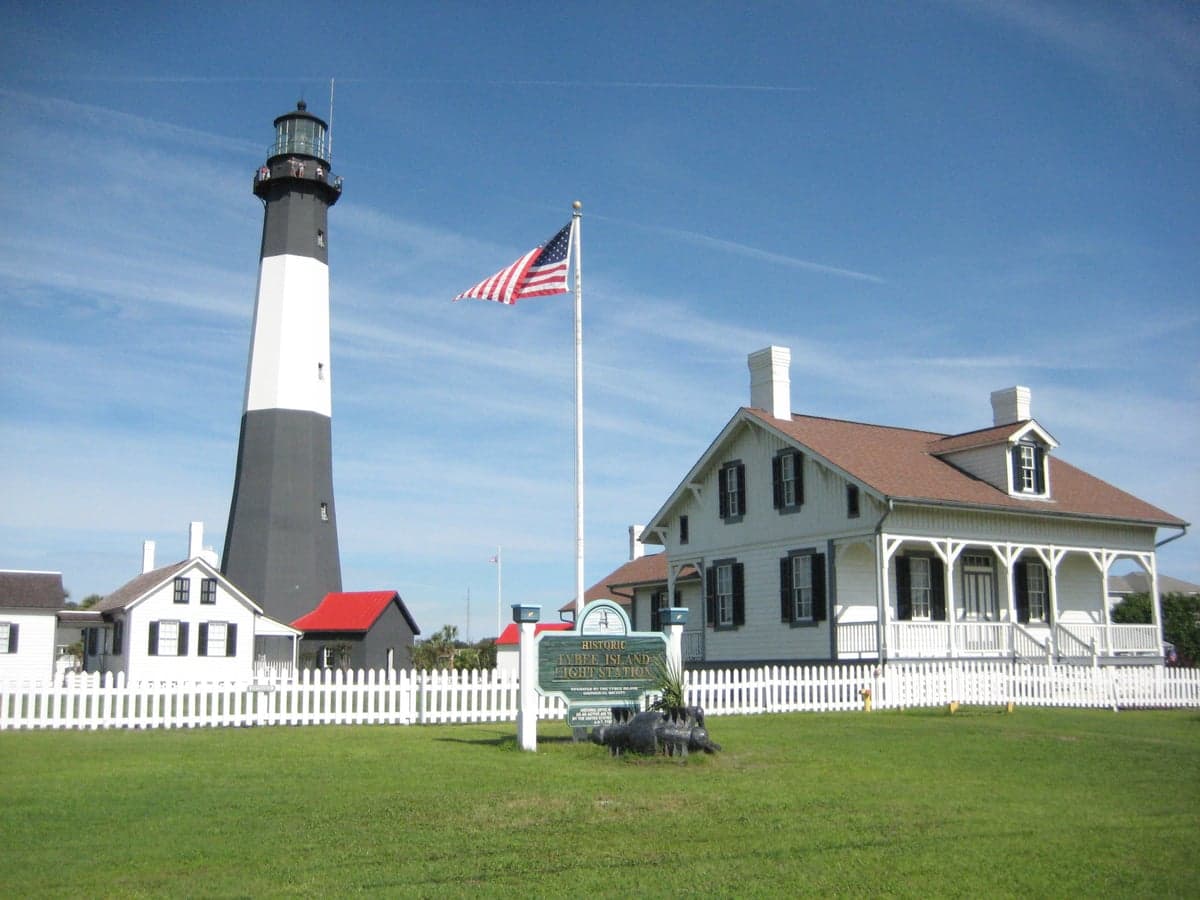
Daily life on Tybee Island revolves around the beach, the pier, and a walkable downtown strip of seafood restaurants, boutiques, and bars. The island has one public school—Tybee Island Maritime Academy, a K-8 charter school with a marine-science focus—but high school students commute to Savannah’s public or private schools, adding 30–40 minutes each way. Groceries are limited to a small IGA market; most residents drive to Savannah for major shopping, which is a 20-minute trip off-season. Healthcare is another gap: the island has no hospital or urgent care; the nearest emergency room is at Memorial Health in Savannah, 18 miles away. For recreation, the island offers 3 miles of public beach, a marine science center, kayak launches, and the Tybee Island Lighthouse, but there are no movie theaters, bowling alleys, or large parks. The rhythm is slow and seasonal—quiet in winter, bustling from March through October—and many residents describe it as “a small town that happens to be on the beach.”
Tybee Island is best suited for retirees, remote workers, and second-home buyers who can absorb the high housing costs and don’t need daily access to urban amenities or specialized schools. Families with school-age children may find the commute and limited educational options challenging, while younger professionals often move inland to Savannah for more affordable rent and shorter commutes. The island’s appeal is its isolation and natural beauty, but that same isolation means trade-offs in convenience, healthcare, and year-round social infrastructure. For those who value beachfront living above all else and can afford the premium, Tybee offers a distinctive quality of life that few other Georgia coastal towns can match.

Crime in Tybee Island, GA
Lower crime rates than 94% of comparable U.S. locations.
Violent CrimeViolent Crime Analysis
Property CrimeProperty Crime Analysis
Crime Analysis
Tybee Island, Georgia, is a small barrier-island community of roughly 3,000 year-round residents that experiences a significantly lower violent crime rate than both the state and national averages, though its property crime rate is elevated, particularly during the peak tourist season. With a violent crime rate of just 63.6 incidents per 100,000 residents—roughly one-fifth the national average—the island is statistically one of the safer coastal communities in the Savannah metropolitan area. However, the property crime rate of 921.5 per 100,000 is notably higher than the Georgia state average of approximately 2,200 per 100,000, driven largely by thefts from vehicles and vacation rentals.
Crime in context
Tybee Island’s violent crime rate of 63.6 per 100,000 is dramatically lower than the U.S. average of roughly 380 per 100,000 and well below Georgia’s statewide rate of about 380 per 100,000. This places Tybee among the safest small towns in the region for violent offenses like assault, robbery, and homicide. The property crime rate of 921.5 per 100,000, while higher than the national average of approximately 1,950 per 100,000, is still below the Georgia average. The island’s status as a popular beach destination means that property crimes—especially larceny from unlocked cars, bicycles, and beach gear—spike during summer weekends and holidays. Tybee Island is policed by its own small municipal force, supplemented by the Chatham County Sheriff’s Office, and the island has not adopted the progressive prosecutorial policies seen in larger metro areas like Savannah or Atlanta. Readers should note that nearby Chatham County, which includes Savannah, has a district attorney’s office that has implemented some diversion and restorative justice programs, a factor that can contribute to repeat property offenders cycling back into the community.
What residents experience
Year-round residents on Tybee Island report that violent crime is virtually nonexistent in their daily lives, with most incidents being isolated domestic disputes or alcohol-fueled altercations among visitors. The primary safety concern is property crime: thefts from vehicles account for the majority of reported incidents, particularly on streets near the beach and in the Strand Avenue area. Residents typically secure their homes with standard deadbolts and exterior lighting, and many participate in neighborhood watch programs. The island’s small size and single road in/out (U.S. Highway 80) create a natural deterrent for fleeing criminals, though it also means that any serious incident can temporarily disrupt traffic. The Tybee Island Police Department maintains a visible presence, especially during the busy March–October season, and response times are generally under five minutes for priority calls.
Neighborhood-level variation on Tybee Island is minimal due to the island’s compact geography. The most significant difference is between the north end (near the Tybee Island Lighthouse and quieter residential streets) and the south end (near the pier, bars, and rental cottages). The south end sees the bulk of property crimes due to higher foot traffic and transient populations. The island’s handful of gated communities and private condominium complexes report near-zero crime, while the older, more accessible blocks near Butler Avenue and 1st through 5th Streets experience the most theft-related calls. Overall, Tybee Island offers a safe environment for families and retirees, provided visitors and residents practice basic property security—especially locking vehicles and not leaving valuables on the beach unattended.
* Values derived from national, state, county, city and local statistics and may differ in a specific area. Last updated: 2026-04-23T05:28:25.000Z
Narrative content on this page is AI-generated and may contain mistakes. Verify any details that matter before acting on them.
ReloMaps may earn a commission from affiliate links at no extra cost to you.

