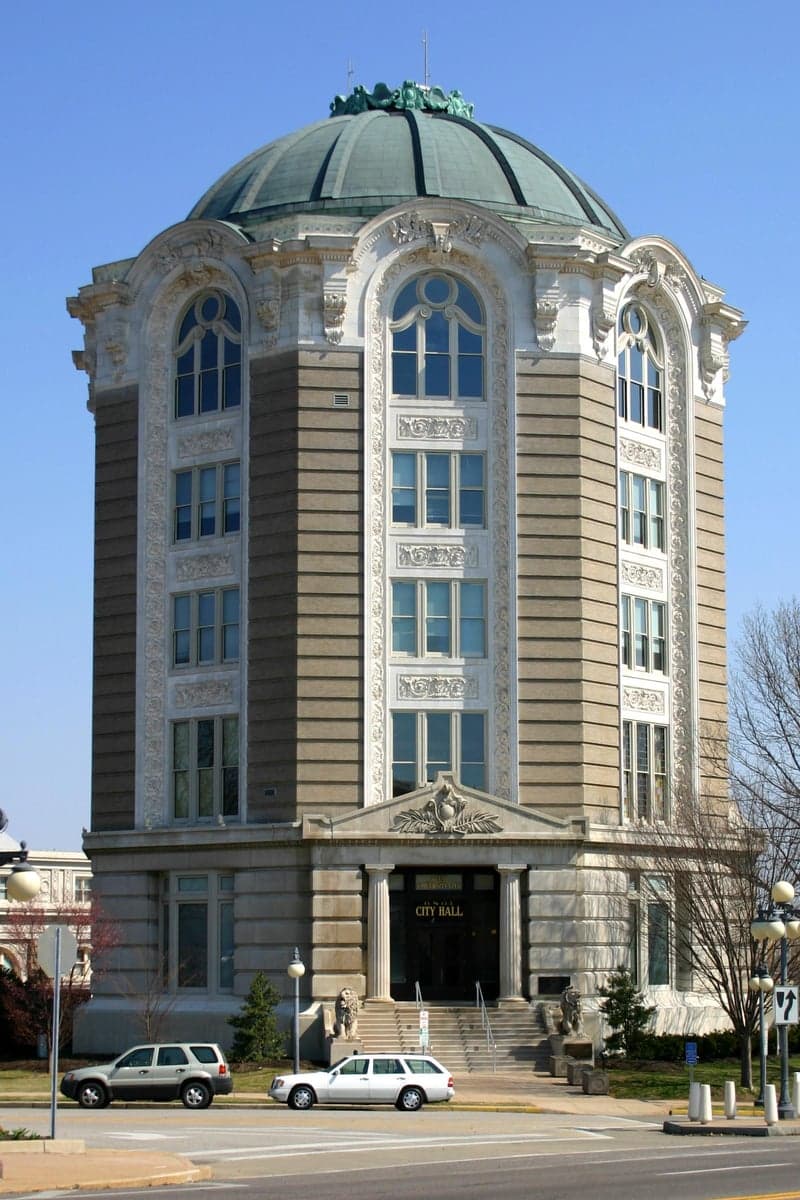
Photo: Wikipedia
Quality of Life in University City, MO
A high quality of life with strong walkability, manageable living costs, healthy neighborhood signals, and solid amenity access.
What does Quality of Life tell us?
Quality of Life blends cost of living, nearby amenities, socioeconomic signals, and neighborhood character. City-level scores represent the whole municipality; individual neighborhoods can differ.
What does this tell us?
Quality of Life blends cost of living, nearby amenities, socioeconomic signals, and neighborhood character. City-level scores represent the whole municipality; individual neighborhoods can differ.
Cost of Living
6% above national average
The Real Cost of Living in University City, MO for 2026
| Tier | Individual | Family (4) |
|---|---|---|
| Survival | $20k | $38k |
| Comfortable | $55k | $81k |
| Luxury | $138k+ | $214k+ |
| Elite (Top 5%) | $253k+ | $392k+ |
94%
The Area Signal
A metric tracking the socioeconomic signals of the area.
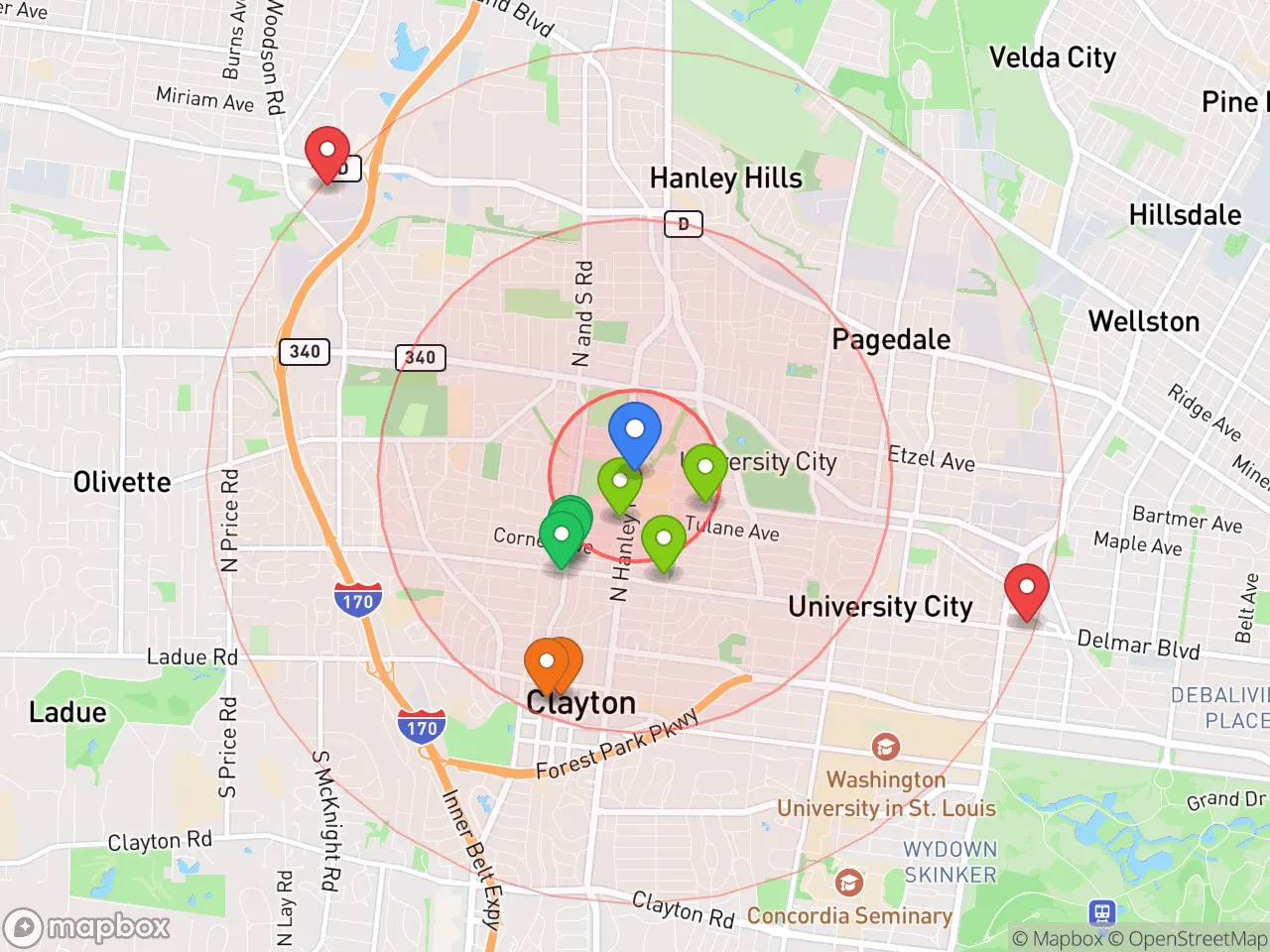
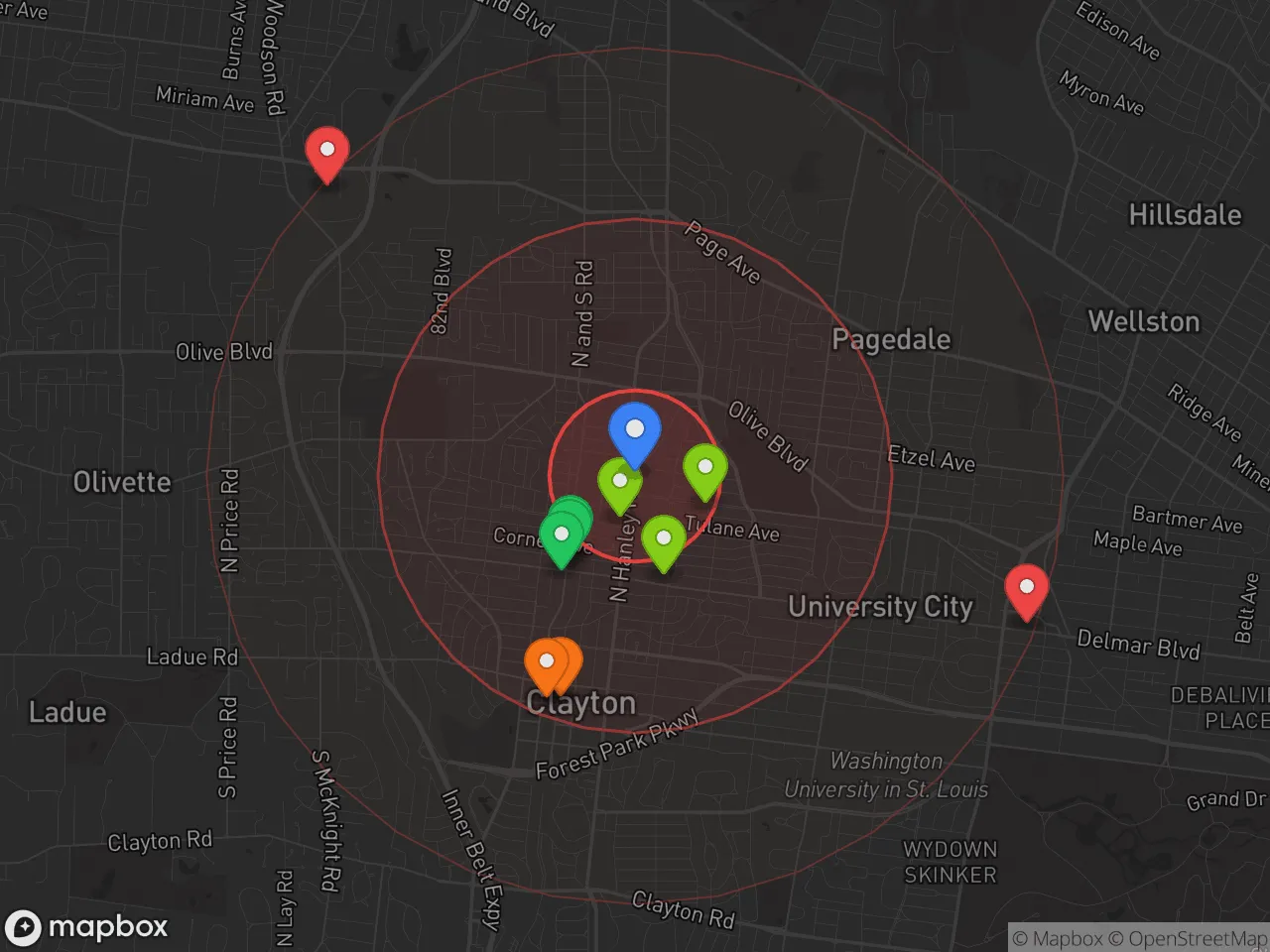
Hobbies
Explore the areaGroceries
8 within 10 miles
Gas
20 within 10 miles
Hospital
20 within 20 miles
Airport
Indianapolis International Airport
Post Office
USPS — Clayton, MO
Critical Amenities
Quality-of-Life Analysis
University City, Missouri, consistently ranks as one of the St. Louis region’s most affluent and educated suburbs, drawing a dense mix of academics, medical professionals, and young families. With a cost-of-living index of 106 (just above the national average), it offers a notably high quality of life relative to its housing prices and commute times. The city’s population of roughly 34,000 is shaped by its proximity to Washington University in St. Louis and a deep stock of early 20th-century architecture, producing a community that values walkability, cultural diversity, and strong public schools.
How housing costs and affordability compare to nearby suburbs
University City’s median home value of $285,100 sits notably below the St. Louis metro average but above many inner-ring suburbs like Pagedale or Wellston, while remaining significantly cheaper than Clayton or Ladue. The median rent of $1,265 is competitive for the area, about 10% lower than the city of St. Louis’s average and far below the $1,600+ typical in nearby Clayton. Commute times average just 21 minutes, making it feasible for residents to work at major employers such as Washington University, Barnes-Jewish Hospital, or BJC HealthCare without enduring long drives. Property taxes are generally higher than in neighboring municipalities like Richmond Heights or Maplewood, which offsets some of the housing savings, but the overall cost burden remains manageable for dual-income professionals.
What daily life is like for families and professionals
Life in University City revolves around its walkable commercial corridors, especially the Delmar Loop — a nationally recognized entertainment district filled with independent shops, restaurants, and live music venues. The city is zoned into the well-regarded University City School District, which includes the nationally ranked University City High School and the magnet Brittany Woods Middle School. Over 70% of residents hold a bachelor’s degree or higher, contributing to a literate, engaged civic culture. Parks such as Heman Park and the Ruth Park Golf Course provide green space within easy walking distance of most neighborhoods. The annual Loop Ice Carnival and Loop Mardi Gras parade anchor a calendar that fosters community ties, while the farmers market at the Delmar Loop station runs year-round. Crime rates are below the St. Louis city average, though property crime — especially package theft and vehicle break-ins — appears on neighborhood watch reports more frequently than violent incidents.
University City is best suited for professionals and families who prioritize walkable urban-suburban living, strong public schools, and a culturally diverse environment over lower taxes or larger lot sizes. Its blend of historic homes, high educational attainment, and short commute to the region’s largest medical and research employers makes it a particularly good fit for academics, healthcare workers, and creatives. First-time homebuyers on a modest budget may find homes in areas like the “700 block” of Delmar or the DeMun neighborhood, while those seeking larger properties tilt toward the Parkview or University Hills neighborhoods near the western border. The city’s progressive tilt and active neighborhood associations mean that newcomers should expect an involved, sometimes opinionated community — a feature, not a bug, for those who value civic engagement.

Crime in University City, MO
Generally safer than 56% of comparable U.S. locations.
Violent CrimeViolent Crime Analysis
Property CrimeProperty Crime Analysis
Crime Analysis
University City, Missouri, reports violent crime at 319.2 per 100,000 residents and property crime at 1,625.3 per 100,000, placing it well above both Missouri state averages and national medians. As a close-in suburb of St. Louis—a metro area whose justice system has been shaped by progressive prosecutors and judges—the city’s crime picture reflects broader regional patterns of leniency that directly affect public safety.
Crime in context
University City’s violent crime rate is roughly 75% higher than the U.S. average of about 180 per 100,000, while its property crime rate exceeds the national norm by more than 80%. Missouri’s statewide violent crime rate sits around 260 per 100,000, meaning University City is notably more dangerous than much of the state. The city falls within St. Louis County, a jurisdiction that has seen rising property offenses tied to repeat offenders cycling through a system that prioritizes diversion over incarceration. The data understates the problem: many smaller incidents go unreported in neighborhoods where trust in law enforcement has eroded.
What residents experience
Property crime is the most pervasive issue. Vehicle break-ins, package thefts, and residential burglaries occur regularly, especially along the Delmar Boulevard corridor and near the Loop commercial district. Residents report that stolen mail and smashed car windows have become ordinary nuisances, with police response times stretching due to staffing shortages. Violent incidents—though less frequent—include aggravated assaults and robberies that often cluster near transit stops and apartment complexes. The underlying driver, as analysts note, is a judicial environment in which progressive district attorneys in the St. Louis metro routinely offer plea deals or diversion programs that allow convicted offenders to remain on the street, reducing deterrence and emboldening property criminals. Victims often feel that the system prioritizes offender rehabilitation over their own justice and safety.
Neighborhood-level safety varies significantly. East of Interstate 170, near the St. Louis city line, crime rates are elevated; west of the highway toward Lindbergh Boulevard, incidents drop considerably. Gated apartment communities and single-family blocks with active neighborhood watches see fewer property crimes, while rental-heavy districts closer to the University of Missouri–St. Louis campus experience higher foot traffic and opportunistic theft. Prospective residents should study block-level reports and visit at different times of day before committing to a specific area.
* Values derived from national, state, county, city and local statistics and may differ in a specific area. Last updated: 2026-05-29T16:46:43.000Z
Narrative content on this page is AI-generated and may contain mistakes. Verify any details that matter before acting on them.
ReloMaps may earn a commission from affiliate links at no extra cost to you.

