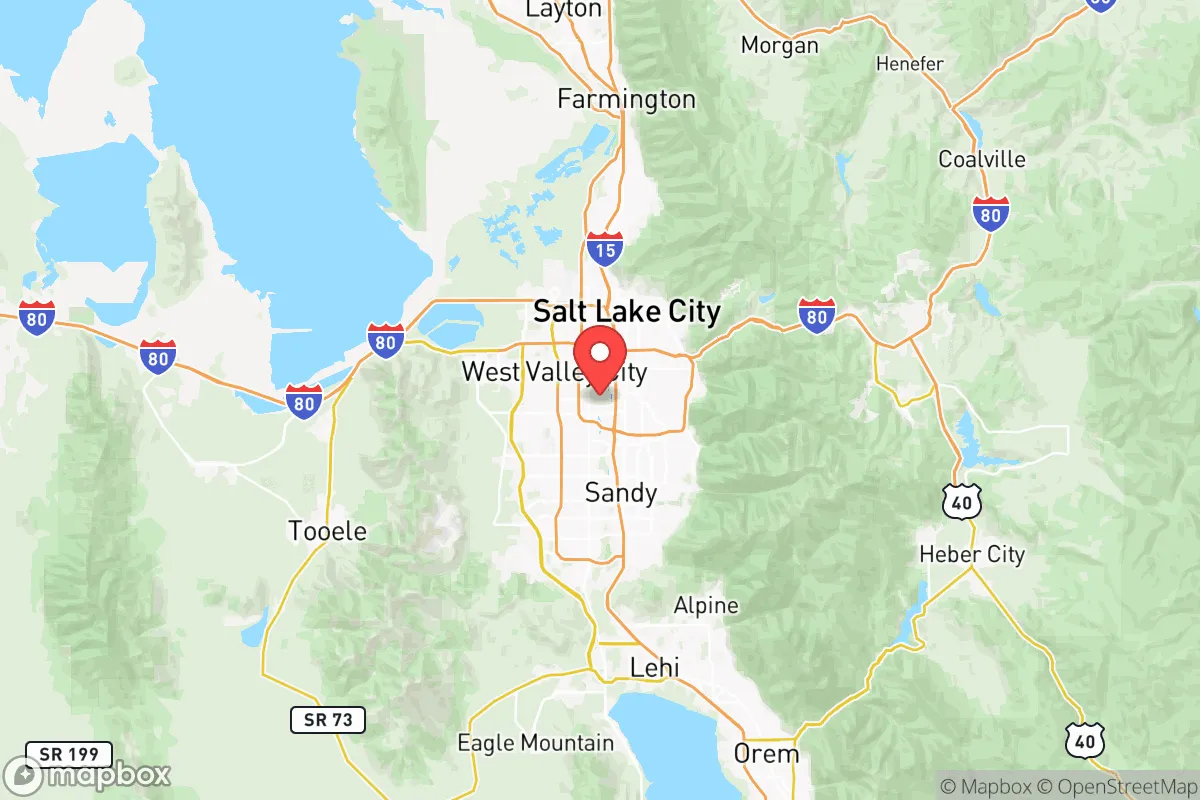
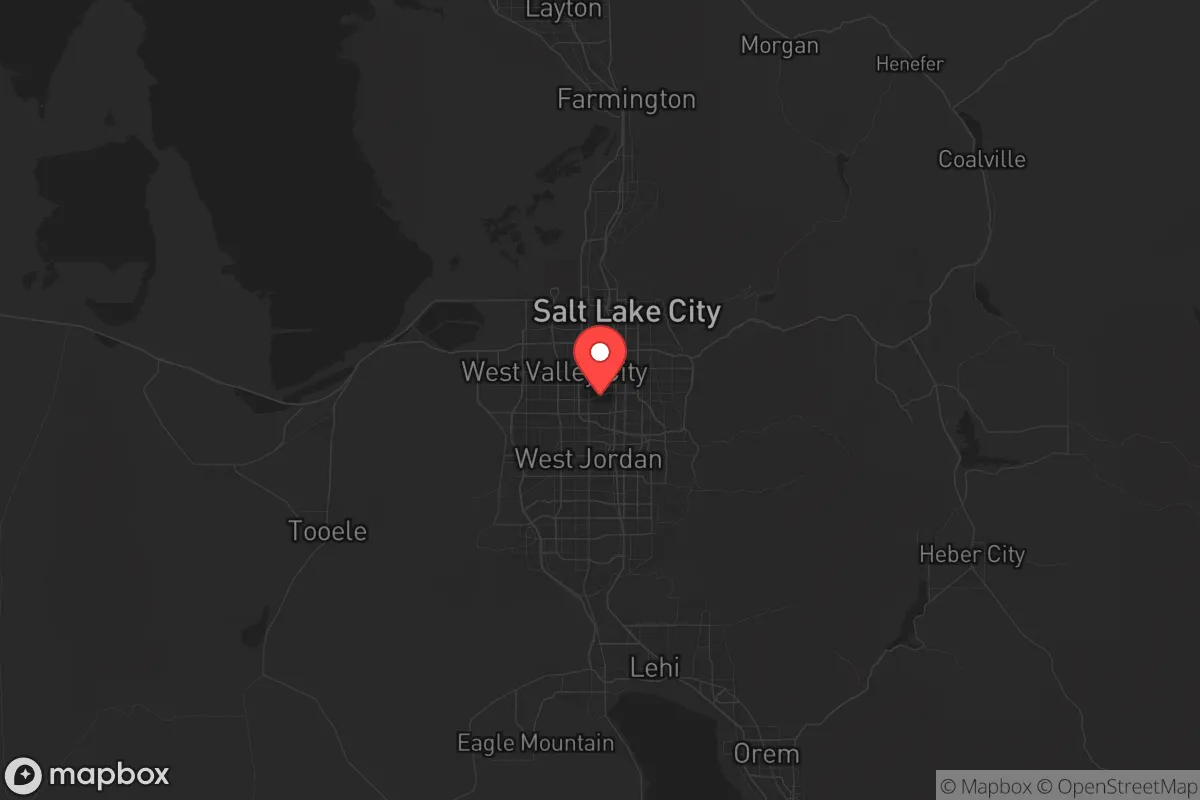
Find The Best Places To Live in Salt Lake County
PRO TIP! You can paste a Zillow or Redfin link to get info on that property.
Best Places to Live in Salt Lake County
Cities & Towns in Salt Lake County
Cities in Salt Lake County
What It's Like Living in Salt Lake County, UT
Living in Salt Lake County means you're part of a sprawling, diverse region that feels like several different places at once. You can be in the high-energy urban core of Salt Lake City one minute and twenty minutes later be hiking a canyon trail in Cottonwood Heights or grabbing a quiet dinner in a historic downtown like Sandy or Draper. It’s a place where the outdoors aren’t just a weekend escape—they’re woven into the daily commute, the after-work routine, and the local identity.
The Daily Rhythm: Work, Commute, and the Weekend Reset
For most people, the day starts early. The average commute here is about 22 minutes, which is manageable by national standards, but it can feel longer depending on where you live. If you’re heading from the southern suburbs like South Jordan or Riverton into downtown Salt Lake City, the I-15 corridor can get congested, especially during ski season or when there’s a big event at the Delta Center. Many residents adjust by shifting their hours or working from home a couple days a week. The median household income is roughly $94,658, which supports a comfortable lifestyle for most families, though the cost of living index sits at 146—meaning your dollar doesn’t stretch as far as it does in, say, rural Utah. The median home value is around $484,500, so first-time buyers often look to older neighborhoods in Midvale or West Valley City for more affordable entry points.
Weekends are where the county really shines. A typical Saturday might start with a farmers market in Sugar House, followed by a hike up to the Living Room overlook for a view of the valley. In winter, the same people who spent summer at the Great Salt Lake or on the Jordan River Trail are now heading up Big Cottonwood Canyon to ski at Brighton or Solitude. The seasonal rhythm is strong: fall brings football and the Utah State Fair, spring means yard work and the start of outdoor concert season at venues like The Depot or Red Butte Garden.
Sports, Community, and the Local Identity
Sports are a big deal here, but not in the way you might expect from a major metro area. The Utah Jazz (NBA) are the undisputed kings of the local pro scene, and game nights at the Delta Center are a genuine community event—people wear their Donovan Mitchell jerseys with pride, even years after he left. College sports are just as intense: the University of Utah Utes and BYU Cougars (just south in Provo) have a rivalry that splits families and offices. High school football is huge in places like Bingham High School in South Jordan, where Friday-night games draw thousands. There’s also a strong soccer culture, with Real Salt Lake (MLS) playing in Sandy at America First Field, and the atmosphere there is surprisingly electric for a non-major-market team.
Culturally, the county has a unique split. The Church of Jesus Christ of Latter-day Saints (LDS) has a deep historical and ongoing presence, especially in older suburbs like Bountiful (technically in Davis County, but the influence spills over) and Murray. That means a lot of community life revolves around church activities, family gatherings, and a generally conservative social tone. But Salt Lake City itself is increasingly liberal and diverse, with a growing tech scene, a vibrant LGBTQ+ community, and a nightlife that ranges from craft breweries in the Granary District to live music at The Complex. The kind of person who fits in here is someone who values both a strong community and personal space—someone who can handle the occasional polite small talk at the grocery store but also appreciates the anonymity of a big city.
What’s There to Do: From Canyon Trails to Concert Halls
The outdoor access is the headline. Within 30 minutes of downtown, you can be on a trail in Millcreek Canyon, fishing at East Canyon Reservoir, or mountain biking in the Corner Canyon area of Draper. The Wasatch Front is a legitimate world-class playground for hikers, skiers, and climbers. But the urban scene holds its own. The Utah Symphony at Abravanel Hall is excellent, and the Park City Film Festival (just a short drive away) draws indie film fans. For food, you’ll find everything from high-end sushi in Downtown SLC to authentic Mexican taquerias in West Valley City. A local favorite is Red Iguana for mole, or Pretty Bird for hot chicken sandwiches. The Salt Lake City Public Library downtown is an architectural gem and a popular hangout for families and remote workers.
Pros and Cons of Living Here
Let’s be honest: no place is perfect. Here’s what longtime residents love and what frustrates them.
- Pro: Unmatched outdoor access. You can ski, hike, bike, and paddleboard all in the same week without driving more than 30 minutes.
- Pro: Strong job market. The tech sector (Adobe, eBay, and a growing startup scene) plus healthcare (Intermountain Health) and government jobs provide stability. The median age is 33.8, reflecting a relatively young workforce.
- Pro: Good schools. Districts like Jordan School District (covering South Jordan, Riverton, and Herriman) and Alpine School District (part of the county) are highly rated, making the area attractive for families.
- Con: Inversion and air quality. During winter, a temperature inversion traps pollution in the valley, creating a brown haze that can last days. It’s a real health concern and a common complaint.
- Con: Cost of living is high for Utah. While the median home value of $484,500 is below coastal cities, it’s a stretch for many locals, especially in desirable areas like Park City (technically Summit County, but the influence is felt) or the east bench neighborhoods.
- Con: Social and cultural divides. The LDS influence can feel isolating for newcomers who aren’t members, though the city itself is becoming more diverse. The violent crime rate is 217.9 per 100,000—lower than the national average, but property crime can be an issue in certain pockets.
Traffic is a mixed bag: the commute is manageable, but the I-15 corridor can be a parking lot during peak hours or when there’s a crash. The weather is four distinct seasons: hot, dry summers (90s are common), crisp falls, cold winters with snow (the valley gets about 50 inches annually), and a beautiful, brief spring. Schools are a central part of community life, especially in the suburbs, where PTA meetings and school sports are major social hubs. If you’re a single professional, you’ll find more action in the city or near the University of Utah; if you’re a parent, the suburbs like Draper or Herriman offer good schools, newer housing, and a quieter pace. The county is big enough that you can find your niche—but you have to be willing to look for it.

* Values derived from national, state, county, city and local statistics and may differ in a specific area. Last updated: 2026-06-01T11:05:45.000Z
Narrative content on this page is AI-generated and may contain mistakes. Verify any details that matter before acting on them.
ReloMaps may earn a commission from affiliate links at no extra cost to you.

