Photo: Wikipedia
Find The Best Places To Live
in American Fork
PRO TIP! You can paste a Zillow or Redfin link to get info on that property.
What It's Like Living in American Fork, UT
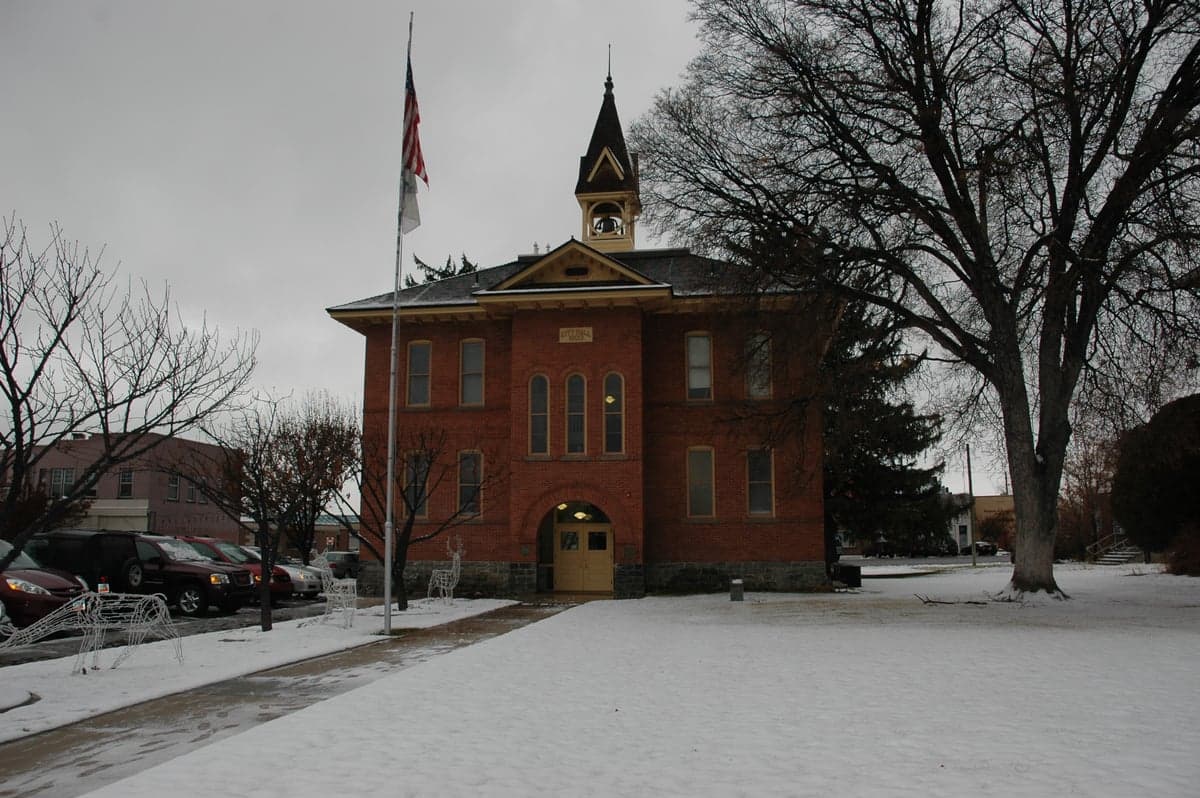
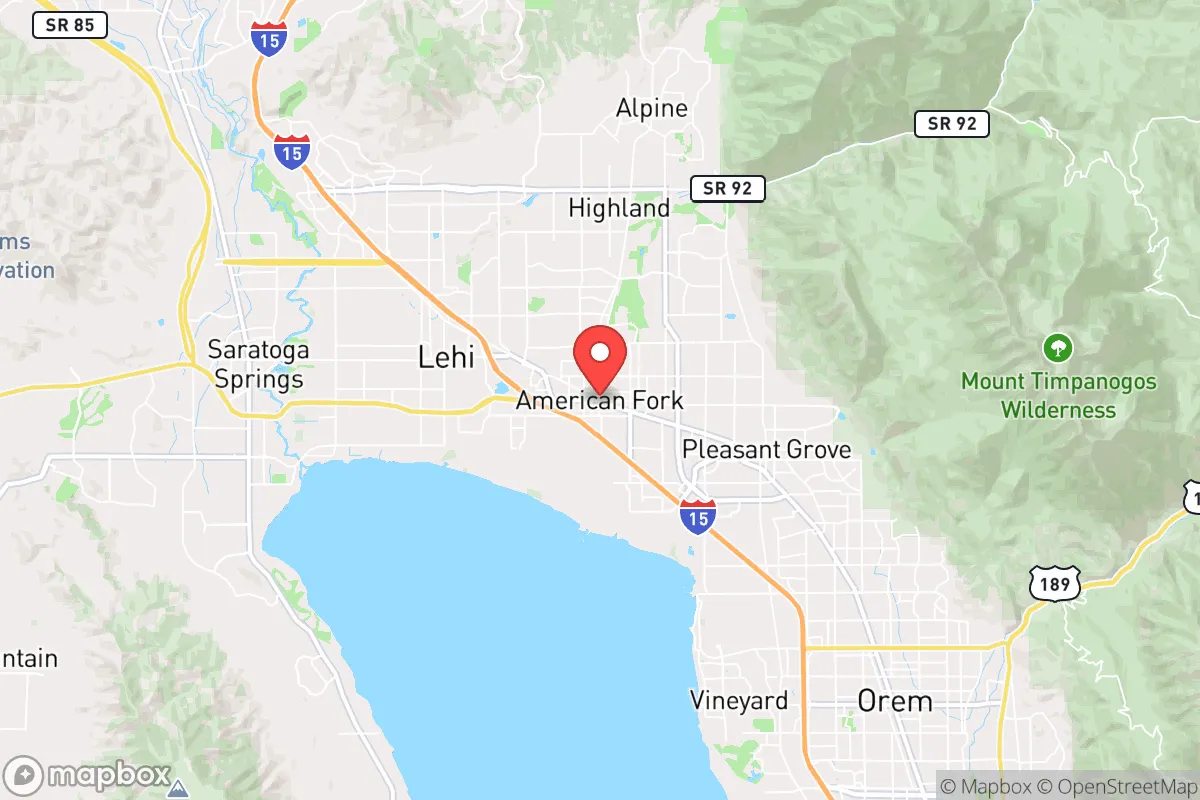
American Fork, Utah, sits at the base of Mount Timpanogos with a small-town feel that’s rapidly evolving into a bustling bedroom community for the tech corridor stretching from Lehi to Provo. With a population just over 35,000 and a median age of 27.8, it’s a place where young families and early-career professionals dominate the landscape, and the shadow of Silicon Slopes looms large over daily life. The vibe is industrious, family-focused, and deeply rooted in the LDS culture that shapes much of Utah County, but there’s a growing diversity of lifestyles as newcomers arrive.
Daily Rhythm: Work, Commute, and the Weekend Reset
For most residents, the day starts early. The average commute clocks in at about 21 minutes, which is manageable by national standards, but that number can balloon quickly if you’re heading north to Salt Lake City or south to Provo during peak hours. I-15 is the main artery, and it’s no secret that the stretch through American Fork can back up, especially on Fridays when everyone seems to be heading to the mountains or the lake. Locals have learned to time their drives carefully—leaving by 7:15 a.m. versus 7:45 a.m. can mean the difference between a smooth cruise and a parking lot.
Weekends are often spent at the local parks—Rotary Park and the American Fork Boat Harbor on Utah Lake are popular—or running errands at the shops along 500 East and Main Street. The median household income of $95,823 supports a comfortable lifestyle, though the cost of living index of 152 means housing eats up a big chunk of that. You’ll see a lot of newer subdivisions going up on the east side of town, where homes push past the $500,000 mark, while older neighborhoods closer to downtown offer more modest options. The median home value sits at $467,900, which feels steep for the square footage but is still a relative bargain compared to Salt Lake City or Park City.
Sports, Community, and the High School as Town Square
If you want to understand American Fork, look no further than the high school. American Fork High School’s football games on Friday nights are a genuine community event—not just for parents, but for alumni, local businesses, and families who’ve lived here for generations. The Cavemen (yes, that’s the mascot) draw crowds that rival some small colleges, and the rivalry with Lone Peak High School is intense. For college sports, BYU in Provo is a 15-minute drive south, and Cougar football and basketball games are a major draw for many residents, especially those with ties to the LDS Church. There’s no pro team in town, but the Utah Jazz and Real Salt Lake are within an hour’s drive, and you’ll see plenty of jerseys on game days.
The community’s identity is also shaped by the annual Steel Days celebration in July, which includes a parade, carnival, and fireworks. It’s a classic small-town festival that brings everyone out, and it’s a good reminder that despite the growth, American Fork still holds onto its agricultural roots. The city’s name comes from the American Fork River, which runs through town and offers decent fishing and hiking access up American Fork Canyon—a quick escape into the Uinta-Wasatch-Cache National Forest that feels worlds away from the strip malls.
What’s There to Do: Restaurants, Hangouts, and Outdoor Access
Dining in American Fork is improving but still leans toward chains and fast-casual spots. Locals swear by Jake’s Over the Top for burgers and shakes, and Bombay House for Indian food that punches above its weight. For a night out, The Hive Winery in nearby Lehi offers a more grown-up vibe, but don’t expect a bar scene in American Fork itself—alcohol is limited, and most socializing happens in homes, church gatherings, or at coffee shops like Beans & Brews. The lack of a true downtown nightlife is a common complaint among younger singles, who often head to Provo or Salt Lake for bars and music venues.
Outdoor enthusiasts have it good. Mount Timpanogos looms overhead, and the Timpooneke Trail is a bucket-list hike for locals. In winter, Sundance Resort is 20 minutes up the canyon, offering skiing and snowboarding without the crowds of Park City. Utah Lake is a 10-minute drive and provides boating, paddleboarding, and fishing, though the lake’s algae blooms in summer can be off-putting. For a quieter escape, the American Fork River Trail runs through town and is popular for walking, biking, and dog-walking—it’s a green ribbon that connects neighborhoods and offers a break from the suburban sprawl.
Pros and Cons of Living Here
- Pros: Low violent crime rate (118 per 100K, well below national average), strong sense of community, excellent access to outdoor recreation, and a growing job market thanks to the nearby tech corridor. Schools are a major draw—the Alpine School District is highly rated, and the high school’s academic and athletic programs are top-notch. The median age of 27.8 means you’re surrounded by other young families, and the 42% college-educated rate reflects a population that values education and career growth.
- Cons: The cost of living is a shock for newcomers—152 on the index means everyday expenses are 50% above the national average, and housing is the main culprit. Traffic on I-15 is a genuine headache during rush hour, and the lack of a vibrant downtown or nightlife can feel stifling for singles or couples without kids. The dominant LDS culture can also be isolating for those outside the faith; while most residents are welcoming, social circles often revolve around church activities, and it can take effort to find your niche if you’re not Mormon. Summers are hot and dry, and inversions in winter can trap smog in the valley, making for hazy days.
American Fork is a place that rewards those who are ready to settle down, buy a home, and raise a family in a safe, active community. It’s less suited for someone seeking urban energy or a diverse social scene, but for the right person—someone who values proximity to nature, good schools, and a predictable rhythm—it’s a solid bet. The growth isn’t slowing, so the character of the town will keep shifting, but for now, it’s still a place where you can wave at a neighbor and mean it.

* Values derived from national, state, county, city and local statistics and may differ in a specific area. Last updated: 2026-05-03T20:38:01.000Z
Narrative content on this page is AI-generated and may contain mistakes. Verify any details that matter before acting on them.
ReloMaps may earn a commission from affiliate links at no extra cost to you.

