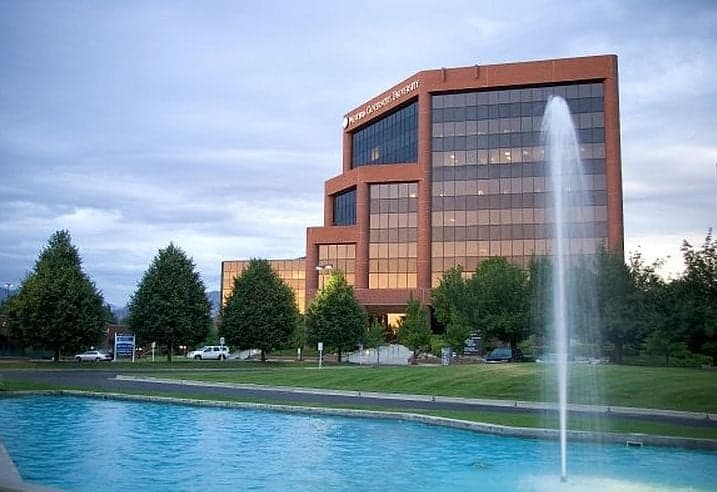
Photo: Wikipedia
Find The Best Places To Live
in Millcreek
PRO TIP! You can paste a Zillow or Redfin link to get info on that property.
What It's Like Living in Millcreek, UT
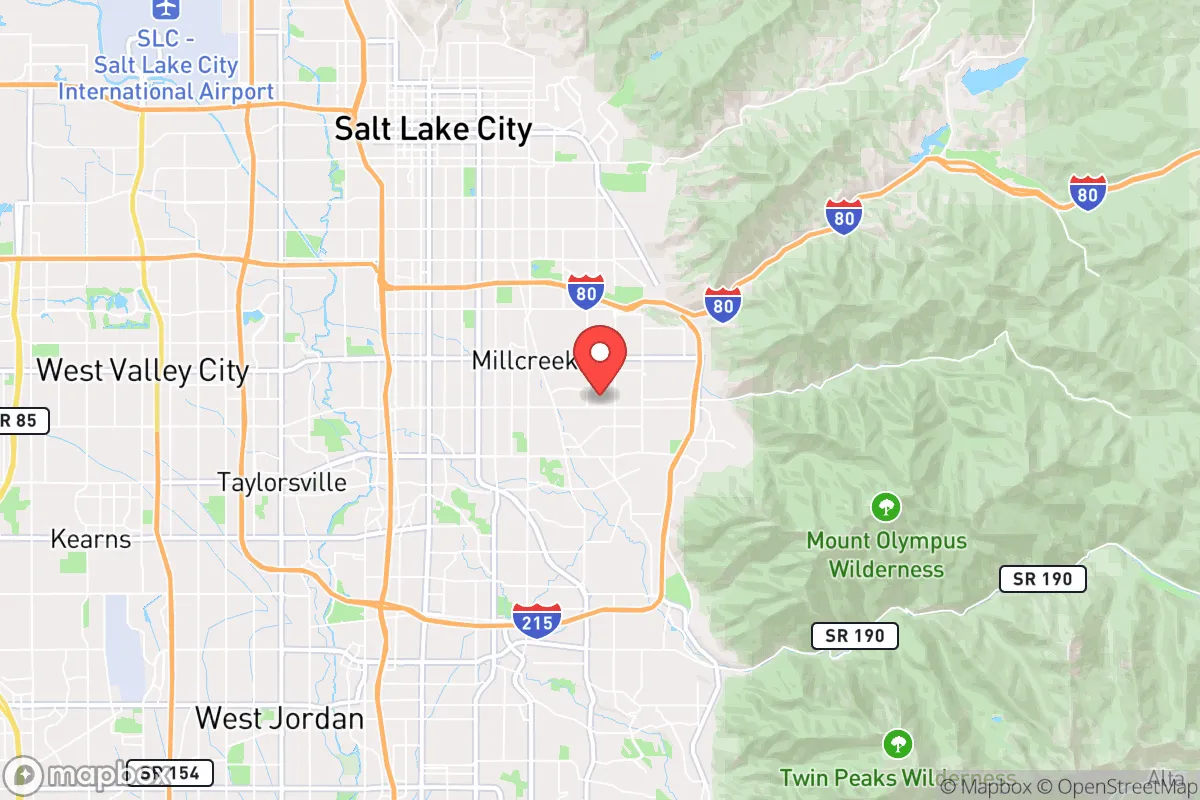
Millcreek, Utah, feels less like a suburb and more like a collection of distinct neighborhoods pressed up against the Wasatch foothills, where the smell of pine and the sight of red-rock canyons are part of the daily commute. It’s a place where you’re as likely to run into a neighbor on a Saturday morning trail run as you are at the local coffee shop, and where the city’s identity is shaped by a mix of young families, established professionals, and outdoor enthusiasts who value proximity to both downtown Salt Lake City and the backcountry. With a population of just over 63,000, it’s big enough to have its own pulse but small enough that you’ll start recognizing faces at the Millcreek Common ice rink or the Sunday farmers market.
Daily Rhythm: Where the Foothills Meet the Front Porch
Life in Millcreek revolves around a balance of work, outdoor access, and community gatherings. The median age here is 37, and the median household income of $98,502 reflects a well-educated population—53.9% of residents hold a bachelor’s degree or higher—many of whom work in tech, healthcare, or professional services in Salt Lake City, just a 20-minute commute away. That commute is a genuine perk: the average drive time of about 20 minutes means you can leave your office downtown and be on a trailhead in Millcreek Canyon within 25 minutes. Weekends often start with a run or bike ride up the canyon, followed by brunch at a spot like Millcreek Eatery or a coffee at Publik Coffee Roasters, where the vibe is more “active casual” than “suburban strip mall.”
Grocery shopping is a mix of the practical and the local: you’ll find a Harmons for everyday needs, but the Millcreek Farmers Market (May through October) is a genuine community hub, with live music, local produce, and a strong sense of neighborliness. The city’s Millcreek Common—a public plaza with a seasonal ice rink, splash pad, and event lawn—serves as the de facto town square, hosting concerts, movie nights, and the weekly market. For families, the school system is a major draw: Millcreek is served by Granite School District, and schools like Millcreek Elementary and Olympus High School are deeply woven into community life, with Friday night football games and PTA events that feel like genuine social anchors.
Sports, Outdoors, and the Local Scene
Outdoor recreation isn’t just a pastime here—it’s a core part of the identity. Millcreek Canyon is the crown jewel, offering hiking, mountain biking, and cross-country skiing just minutes from anyone’s front door. The Pipeline Trail and Grandeur Peak are weekend staples, and the canyon’s off-leash dog areas mean you’ll see plenty of muddy pups at trailheads. For winter sports, Brighton, Solitude, and Snowbird are all within a 30- to 45-minute drive, making Millcreek a practical base for skiers and snowboarders who want to avoid the pricier, more congested base areas of Park City.
When it comes to spectator sports, the local allegiance is split between the University of Utah Utes (just a 10-minute drive away) and the Utah Jazz (downtown SLC). High school sports are a genuine deal here—Olympus High School football and soccer games draw solid crowds, and the rivalry with nearby Skyline High is the kind of thing that gets parents and alumni genuinely invested. For a night out, locals gravitate toward Fisher Brewing Company (a short drive into Salt Lake City) or the more low-key Millcreek Tavern, where the beer list is solid and the crowd is a mix of post-hike groups and couples catching a game. The Millcreek Arts Festival (held in August) and the Fourth of July parade are the big annual events, drawing families from across the valley.
Pros and Cons of Living in Millcreek
What residents love:
- Unmatched outdoor access: Millcreek Canyon is essentially a backyard playground, with trails for every skill level and minimal crowds compared to Big Cottonwood Canyon.
- Short commute to downtown SLC: The average 20-minute drive is a genuine quality-of-life win, especially compared to the 40+ minute commutes from suburbs like Herriman or Lehi.
- Strong sense of community: The farmers market, Millcreek Common events, and active neighborhood associations create a small-town feel within a metro area.
- Good schools and family-friendly vibe: The combination of solid public schools, safe parks, and family-oriented events makes it a natural fit for parents.
What frustrates residents:
- High cost of living: With a cost of living index of 157 (57% above the national average) and a median home value of $579,300, Millcreek is expensive—especially for single individuals or younger renters. The housing market is competitive, and inventory is tight.
- Traffic on 3300 South and I-215: While the commute is short, the main arteries can get congested during peak hours, and the canyon road (Millcreek Canyon Road) can be a bottleneck on summer weekends.
- Limited nightlife: If you’re looking for a late-night bar scene or live music venues, you’ll need to head into Salt Lake City. Millcreek’s dining and drinking options are solid but not extensive.
- Air quality inversions: Like much of the Wasatch Front, Millcreek experiences winter inversions that trap pollution, leading to hazy skies and health advisories for sensitive groups.
Cultural Quirks and Practical Realities
Millcreek’s identity is notably less tied to the LDS Church than many Utah suburbs—while the influence is still present, the city feels more secular and diverse than, say, Sandy or Provo. You’ll see a mix of “coffee culture” (a subtle but real marker in Utah) and outdoor gear shops, and the local politics lean moderate-to-conservative, with a pragmatic focus on land use, trail maintenance, and development. The weather follows a classic four-season rhythm: hot, dry summers (July highs near 95°F), crisp autumns with spectacular canyon colors, cold but sunny winters (January highs around 37°F), and a brief, muddy spring. Snowfall is manageable in the valley—usually 50-60 inches—but the canyons get hammered, which is exactly what skiers want.
The violent crime rate of 215.9 per 100,000 is slightly above the national average, but residents generally feel safe, with most crime concentrated in specific areas near major roads. Property crime (car break-ins, package theft) is a more common annoyance. For single individuals and parents alike, the trade-off is clear: you pay a premium for the combination of outdoor access, short commute, and community feel, but you get a lifestyle that’s hard to replicate elsewhere in the Salt Lake Valley. It’s a place where you trade square footage for proximity—and most people here think it’s worth it.

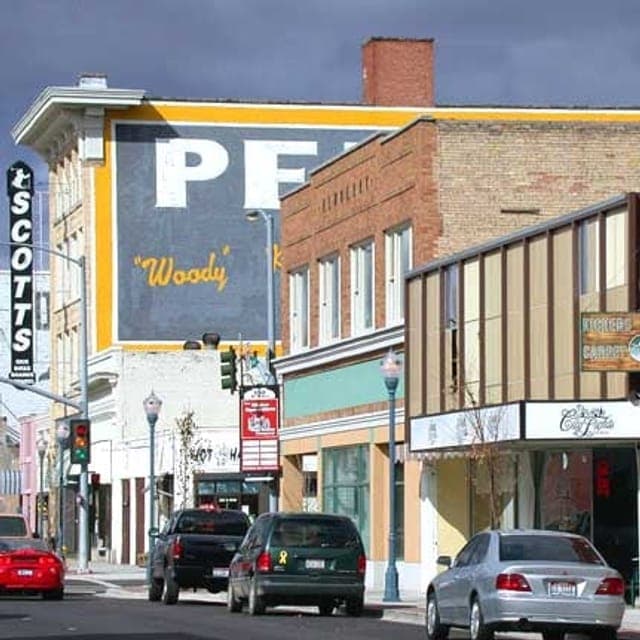
Similar small cities to Millcreek
* Values derived from national, state, county, city and local statistics and may differ in a specific area. Last updated: 2026-05-03T20:36:57.000Z
Narrative content on this page is AI-generated and may contain mistakes. Verify any details that matter before acting on them.
ReloMaps may earn a commission from affiliate links at no extra cost to you.

