Photo: Wikipedia
Find The Best Places To Live
in Lehi
PRO TIP! You can paste a Zillow or Redfin link to get info on that property.
What It's Like Living in Lehi, UT
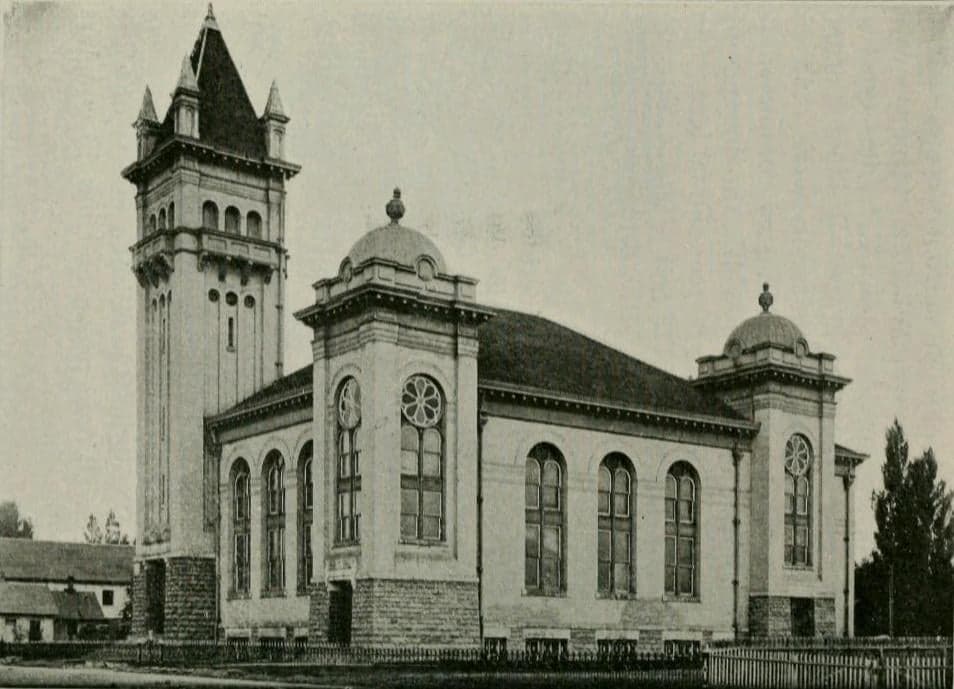
Lehi, Utah, feels like a city that grew up fast—and is still figuring out what it wants to be. One minute you’re driving past working farms and open fields, the next you’re staring at a gleaming tech campus that could be in Silicon Valley. The result is a place with a split personality: deeply rooted in its Mormon pioneer history, yet buzzing with young families and tech workers who moved here for jobs at Adobe, Vivint, and a dozen other companies along the “Silicon Slopes” corridor. It’s clean, safe, and relentlessly family-focused, but the breakneck growth has left some longtime residents nostalgic for the quieter days.
Daily Rhythm: Work, School, and the Commute That Tests Your Patience
For most people in Lehi, the day starts early. The median age here is just 26.6, which means you’re surrounded by young couples with kids, recent college grads starting careers, and a steady stream of families who moved from California or the East Coast for the jobs and the lower-key lifestyle. The average commute is about 23 minutes, but that number feels optimistic if you’re heading north toward Salt Lake City or south to Provo during rush hour. I-15 through Lehi is a daily grind—construction projects seem perpetual, and a fender bender can turn a 20-minute drive into an hour. Locals cope by adjusting their schedules, carpooling, or working from home a few days a week.
Weekends here are less about nightlife and more about errands, kids’ soccer games, and church activities. The dominant religion—The Church of Jesus Christ of Latter-day Saints—shapes the rhythm of the week. Many businesses close or are quiet on Sundays, and you’ll see families heading to church in the morning, then hitting the trails or grabbing lunch afterward. For those not LDS, it can feel a little quiet, but the trade-off is a community where neighbors actually know each other and look out for one another.
Sports, Community, and the Local Obsession
High school sports are a genuinely big deal here. On a Friday night in the fall, you’ll find half the town at a Lehi High School football game, with the marching band, the student section in matching shirts, and parents grilling in the parking lot. The Pioneers have a strong program, and the energy is infectious—it’s one of those things that makes you feel like you’re part of something bigger. For college sports, it’s a split allegiance between BYU in Provo (about 15 minutes south) and the University of Utah in Salt Lake City (about 30 minutes north). You’ll see flags and bumper stickers for both, and rivalry week gets genuinely heated, even among neighbors.
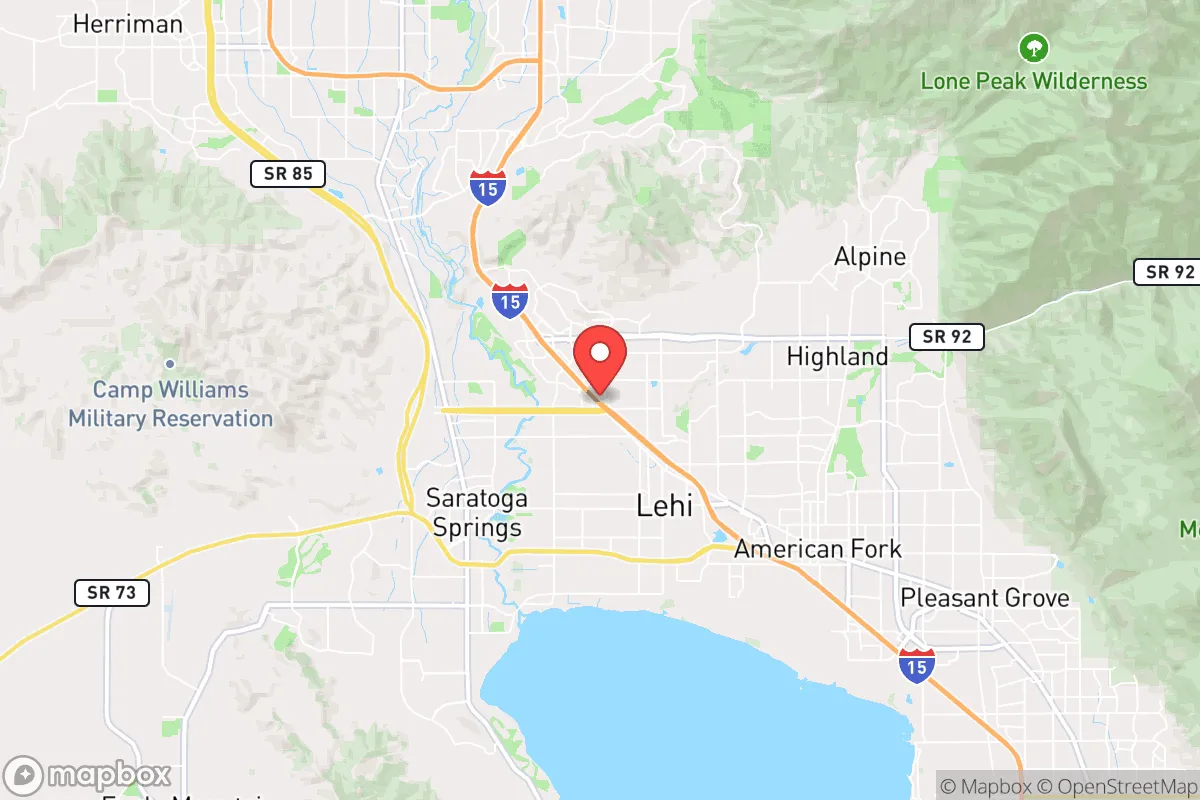
There’s no major pro team in Lehi itself, but the Utah Jazz (NBA) and Real Salt Lake (MLS) are easy drives. What really defines outdoor life here, though, is the access. You can be on a mountain bike trail at American Fork Canyon in 20 minutes, or hiking to the top of Mount Timpanogos in under an hour. The Thanksgiving Point complex—with its gardens, museum, and golf course—is a weekend staple for families. In summer, the Lehi Roundup rodeo and carnival is the big annual event, drawing crowds for bull riding, a parade, and the kind of small-town Americana that feels increasingly rare.
What’s There to Do (and What’s Missing)
If you’re looking for a lively bar scene or a late-night music venue, Lehi will disappoint. The city’s alcohol laws reflect the dominant culture—beer and wine are available at grocery stores and restaurants, but you won’t find a row of cocktail bars or a club scene. The social life revolves around coffee shops (like Beans & Brews), casual restaurants (try R&R BBQ or Bombay House for Indian), and outdoor gatherings. The Lehi Main Street area has a few newer breweries and gastropubs that cater to the tech crowd, but it’s still a far cry from downtown Salt Lake.
For entertainment, Thanksgiving Point is the anchor—the Museum of Ancient Life is a hit with kids, and the Electric Park light show at Christmas draws families from all over Utah County. The SCERA Center for the Arts in nearby Orem offers plays and concerts. The honest pro-and-con list looks like this:
- Pros: Extremely low violent crime rate (109 per 100,000—well below national average); strong job market with high median income ($125,860); excellent public schools that are deeply integrated into community life; stunning mountain access.
- Cons: Cost of living index of 173 (nearly 75% above the US average) driven by home values averaging $567,100; traffic congestion on I-15 that’s only getting worse; a cultural monoculture that can feel isolating for non-LDS residents or single adults without kids.
The Cultural Quirks and Practical Realities
One thing that strikes newcomers is how young the city feels—the median age of 26.6 isn’t a statistic you see in many places. That means playgrounds are packed, the school system is a top priority for local government, and the housing market is fiercely competitive. About 50% of adults hold a bachelor’s degree or higher, which tracks with the tech-heavy employment base. The weather follows a classic Wasatch Front pattern: hot, dry summers (90s are common), cold, snowy winters (you’ll need a good snow shovel), and a glorious spring and fall that make the seasonal extremes worth it.
The biggest cultural quirk is the “Utah nice” phenomenon—people are genuinely friendly and helpful, but there’s also a strong social pressure to conform, especially around family structure and religious participation. Single adults in their 30s sometimes report feeling like outsiders in a city built for young couples and their children. That said, the tech influx has brought more diversity of thought and lifestyle. You’ll find a growing number of transplants who moved here for the jobs and the outdoors, not the religion, and they’ve carved out their own social circles. Lehi is still finding its identity, but for the right person—someone who values safety, community, and career opportunity over urban excitement—it’s a place that delivers on its promises.

* Values derived from national, state, county, city and local statistics and may differ in a specific area. Last updated: 2026-04-21T13:19:19.000Z
Narrative content on this page is AI-generated and may contain mistakes. Verify any details that matter before acting on them.
ReloMaps may earn a commission from affiliate links at no extra cost to you.

