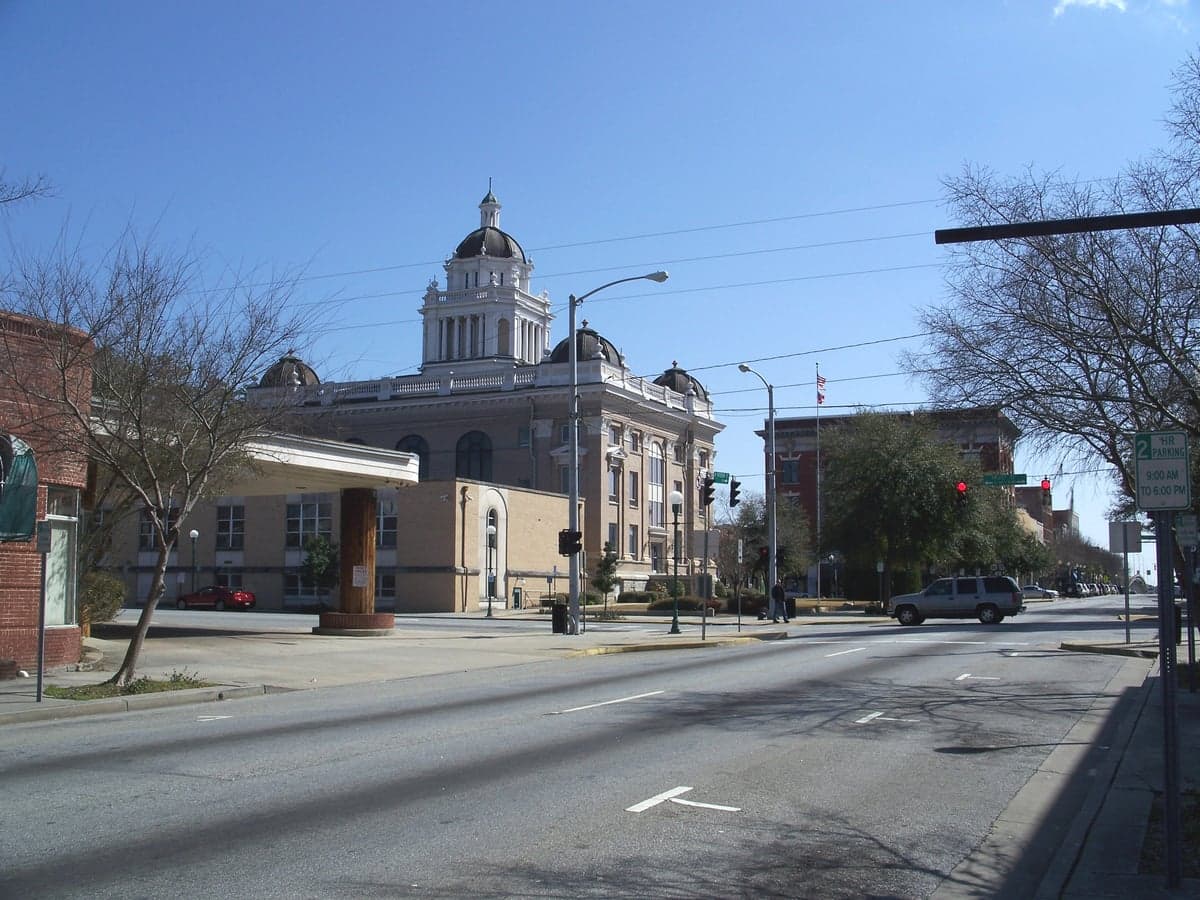
Photo: Wikipedia
Quality of Life in Valdosta, GA
Above-average quality of iife. The area offers a reasonable cost of living, decent mobility, and a mix of neighborhood amenities.
What does Quality of Life tell us?
Quality of Life blends cost of living, nearby amenities, socioeconomic signals, and neighborhood character. City-level scores represent the whole municipality; individual neighborhoods can differ.
What does this tell us?
Quality of Life blends cost of living, nearby amenities, socioeconomic signals, and neighborhood character. City-level scores represent the whole municipality; individual neighborhoods can differ.
Cost of Living
25% below national average
The Real Cost of Living in Valdosta, GA for 2026
| Tier | Individual | Family (4) |
|---|---|---|
| Survival | $16k | $30k |
| Comfortable | $32k | $47k |
| Luxury | $83k+ | $128k+ |
| Elite (Top 5%) | $106k+ | $164k+ |
97%
The Area Signal
A metric tracking the socioeconomic signals of the area.
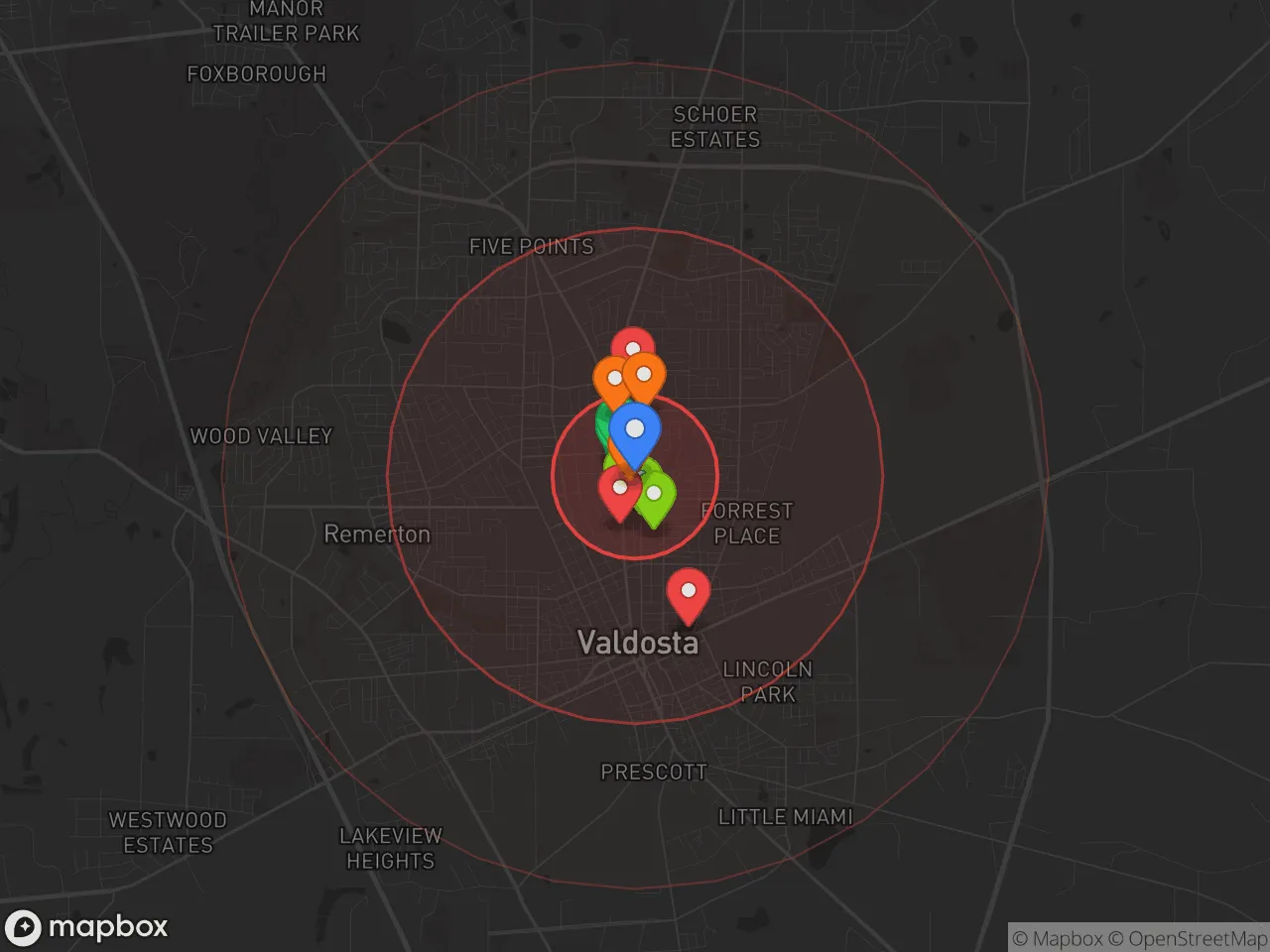
Hobbies
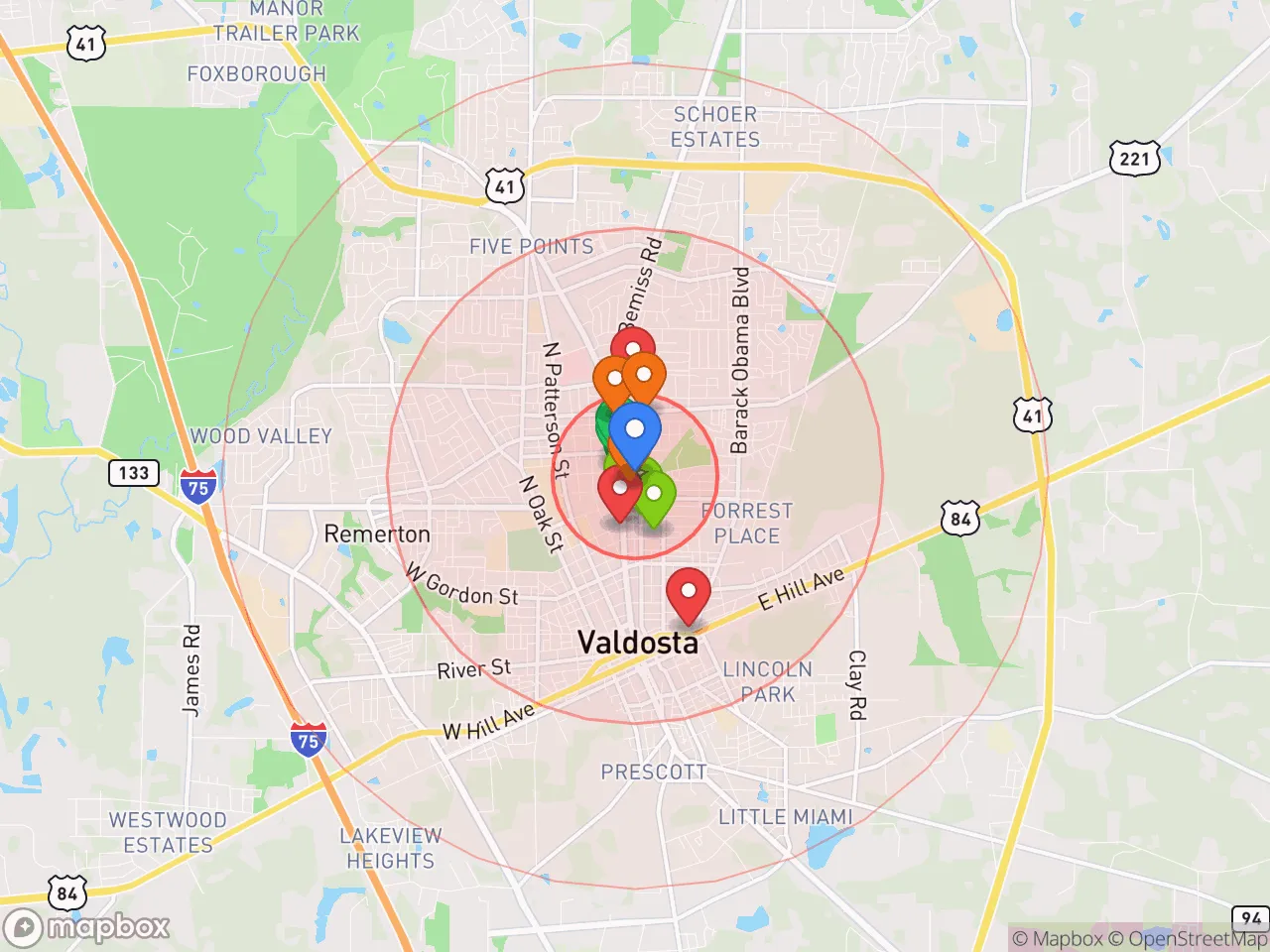
Explore the areaGroceries
1 within 10 miles
Gas
20 within 10 miles
Hospital
6 within 20 miles
Airport
TPA — Tampa International
Post Office
USPS — Valdosta, GA
Critical Amenities
Quality-of-Life Analysis
Valdosta, Georgia, offers a notably lower cost of living than the national average, making it an accessible option for families, retirees, and young professionals seeking affordability without sacrificing basic amenities. With a cost of living index of 75—25 points below the U.S. baseline—the city attracts a mix of residents, including those employed in education, healthcare, and retail, as well as military personnel connected to nearby Moody Air Force Base. The median household income hovers around $40,000, reflecting a working- and middle-class population, though the area also sees a steady influx of students and faculty from Valdosta State University, which adds a younger, transient demographic to the local fabric.
How housing costs and everyday expenses compare to nearby cities
Valdosta’s housing market is a primary draw for budget-conscious movers. The median home value sits at $165,300, roughly half the national median, while the median rent is $1,000 per month—well below the Georgia state average of about $1,400. This affordability extends to utilities, groceries, and transportation, all of which track below national norms. Compared to larger Georgia cities like Atlanta (COL index ~102) or Savannah (COL index ~90), Valdosta offers significant savings, particularly in housing. Even relative to nearby Thomasville or Tifton, Valdosta’s home prices are competitive, though property taxes in Lowndes County are moderate at roughly 0.8% of assessed value. The average commute of 16.7 minutes is notably short, reducing transportation costs and freeing up time for daily life—a practical advantage for workers commuting to the Valdosta Regional Airport industrial zone or downtown offices.
What daily life is like for families: schools, parks, and local amenities
Daily life in Valdosta centers on a manageable pace, with a strong emphasis on community and outdoor recreation. The Lowndes County School District serves most of the area, with several elementary schools rated above average by the Georgia Department of Education, though high school performance varies. For higher education, Valdosta State University anchors the cultural scene, hosting concerts, lectures, and Division II athletics. Families frequent Freedom Park, a 120-acre complex with sports fields, a splash pad, and walking trails, while the Grand Bay Wildlife Management Area offers kayaking and birdwatching just 15 minutes south. Shopping and dining cluster around the Valdosta Mall and downtown’s Patterson Street, where local restaurants like Steel Magnolia’s serve Southern fare. Healthcare access is solid, with South Georgia Medical Center providing a Level II trauma center and specialty care. The city’s rhythm is slower than metro Atlanta’s, but events like the annual Wild Adventures Theme Park season and the Valdosta High School football games (the Wildcats are a state powerhouse) inject regular social energy.
Valdosta is best suited for those who prioritize affordability and a relaxed lifestyle over urban intensity. Retirees on fixed incomes, first-time homebuyers, and military families stationed at Moody Air Force Base will find the low housing costs and short commutes especially appealing. Young professionals may appreciate the lower stress but should note that job growth is concentrated in education, healthcare, and retail, with fewer opportunities in tech or finance. For anyone seeking a quiet, budget-friendly base with access to outdoor recreation and a tight-knit community, Valdosta delivers a practical, grounded quality of life.

Crime in Valdosta, GA
Higher crime rates than 71% of comparable U.S. locations.
Violent CrimeViolent Crime Analysis
Property CrimeProperty Crime Analysis
Crime Analysis
Valdosta, Georgia, reports a violent crime rate of 253 incidents per 100,000 residents and a property crime rate of 1,189.7 per 100,000, placing it above national averages for both categories. While the city is not among the most dangerous in the state, these figures indicate a real risk that prospective residents should weigh carefully, particularly given local justice system trends. The overall safety picture is one of moderate concern, with property crime being the more prevalent issue for most households.
Crime in context
Valdosta’s violent crime rate of 253 per 100,000 is roughly 30% higher than the national average of about 200 per 100,000, while its property crime rate of 1,189.7 per 100,000 exceeds the national average of approximately 1,100 per 100,000. Compared to other Georgia cities of similar size, Valdosta falls in the middle range—less violent than Albany but more so than Warner Robins. A critical factor for readers is the local judicial philosophy: Lowndes County and the Southern Judicial Circuit have seen a shift toward progressive prosecution policies in recent years, with district attorneys emphasizing diversion programs and reduced sentencing for non-violent offenders. While intended to reduce recidivism, this approach has been linked to higher rates of repeat property crime and a perception that consequences are less certain, which can embolden opportunistic theft and burglary.
What residents experience
For daily life, property crime is the most tangible concern. Car break-ins, package theft, and burglaries are reported frequently in neighborhoods near Valdosta State University and along major corridors like North Valdosta Road. The city’s violent crime is concentrated in specific areas, with aggravated assaults making up the majority of incidents; homicides are rare but occur in clusters tied to drug-related disputes. Residents often cite slow police response times in outlying parts of the city as a frustration, though the Valdosta Police Department has increased patrols in commercial districts. The progressive justice approach means that many property offenders are released on recognizance or given short sentences, leading to a revolving-door effect that undermines the deterrent value of arrest.
Neighborhood-level variation
Safety varies sharply by neighborhood. Areas west of I-75, including the historic downtown and the Bemiss Road corridor, see higher rates of both violent and property crime. In contrast, neighborhoods east of the interstate—such as the Hahira area and subdivisions near the Valdosta Mall—report significantly lower crime, often comparable to suburban Georgia averages. Gated communities and newer developments in the southern part of the city have the lowest incident rates, making them the safest bets for families. Prospective renters and buyers should check the Valdosta Police Department’s online crime map and consider visiting at different times of day to gauge foot traffic and lighting, as poorly lit streets correlate strongly with higher theft rates.
* Values derived from national, state, county, city and local statistics and may differ in a specific area. Last updated: 2026-04-30T07:11:07.000Z
Narrative content on this page is AI-generated and may contain mistakes. Verify any details that matter before acting on them.
ReloMaps may earn a commission from affiliate links at no extra cost to you.

