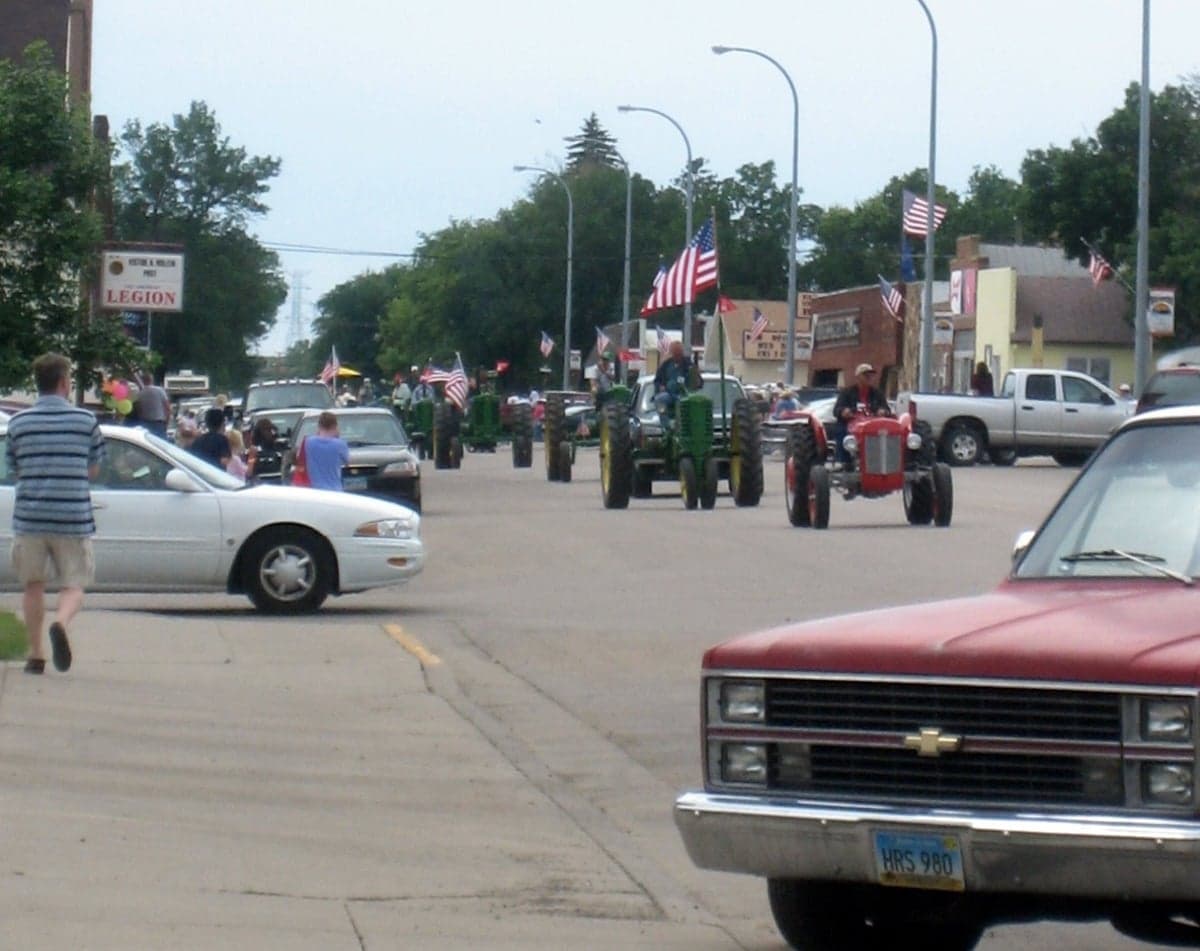
Photo: Wikipedia
Quality of Life in Washburn, ND
Above-average quality of iife. The area offers a reasonable cost of living, decent mobility, and a mix of neighborhood amenities.
What does Quality of Life tell us?
Quality of Life blends cost of living, nearby amenities, socioeconomic signals, and neighborhood character. City-level scores represent the whole municipality; individual neighborhoods can differ.
What does this tell us?
Quality of Life blends cost of living, nearby amenities, socioeconomic signals, and neighborhood character. City-level scores represent the whole municipality; individual neighborhoods can differ.
Cost of Living
26% below national average
The Real Cost of Living in Washburn, ND for 2026
| Tier | Individual | Family (4) |
|---|---|---|
| Survival | $13k | $24k |
| Comfortable | $44k | $65k |
| Luxury | $99k+ | $153k+ |
| Elite (Top 5%) | $116k+ | $180k+ |
117%
The Area Signal
A metric tracking the socioeconomic signals of the area.


Limited data for this area
Limited data for this area
Hobbies
Explore the areaGroceries
2 within 10 miles
Gas
0 within 10 miles
Hospital
2 within 20 miles
Airport
JFK — John F. Kennedy Memorial
Post Office
USPS — Washburn, ND
Critical Amenities
Quality-of-Life Analysis
Washburn, North Dakota, presents a notably affordable quality of life that attracts a mix of long-established farming families, energy-sector workers commuting to the Bakken region, and remote professionals seeking a low-cost, quiet base. With a cost-of-living index of 74—26% below the national average—the town offers a financial cushion rarely found in larger Plains communities, though its small population (roughly 1,200) means fewer urban amenities than in Bismarck, 40 miles south. The area’s affluence is modest but stable, driven by steady agricultural income and local government employment, rather than the boom-and-bust extremes seen further west.
Cost of living, housing affordability, and how Washburn compares to nearby towns
Washburn’s housing market is the centerpiece of its affordability. The median home value sits at $226,200, roughly $100,000 below the national median and significantly lower than Bismarck’s median of around $320,000. Renters benefit even more: the median rent of $804 is about 30% less than the state average and nearly half of what comparable units cost in Mandan or Bismarck. The average commute of 18.5 minutes is short by any standard, reflecting the town’s compact layout and the fact that many residents work locally in agriculture, the Washburn Public School District, or at the nearby Coal Creek Station power plant. For those commuting to Bismarck for higher-paying jobs, the 40-minute drive is a trade-off many accept for the housing savings. Property taxes in McLean County are moderate—around 1.1% of assessed value—keeping monthly carrying costs low even for newer construction.
Local amenities, schools, and what daily life is like for families
Daily life in Washburn centers on the Missouri River, the Washburn Public School system, and a handful of locally owned businesses. The K-12 school district serves roughly 250 students and maintains a student-teacher ratio of about 12:1, offering small class sizes that families from larger districts often seek. For groceries and basic shopping, the town has a Supervalu-affiliated market and a hardware store; most residents drive to Bismarck for major retail, healthcare specialists, or entertainment. Outdoor recreation is a primary draw: the Cross Ranch State Park and Fort Mandan historic site are within 10 minutes, providing hiking, fishing, and Lewis & Clark Trail access. The town’s rhythm is quiet—restaurants are limited to a few diners and bars—but community events like the Washburn Rodeo and summer farmers’ market keep social life active. High-speed internet is available via cable and fiber providers, supporting remote work, though options are fewer than in metro areas.
Washburn is best suited for those who prioritize low housing costs, short commutes, and outdoor access over urban nightlife or extensive shopping. Retirees on fixed incomes, remote workers who can tolerate limited dining and entertainment, and families who value small schools and river recreation will find the trade-offs worthwhile. The town’s economic stability—rooted in agriculture and energy rather than tourism—means fewer seasonal fluctuations than in resort communities, but also slower growth in services. For anyone willing to drive 40 minutes for a Costco run or a concert, Washburn offers a financially sustainable, low-stress base in central North Dakota.

Crime in Washburn, ND
Generally safer than 68% of comparable U.S. locations.
Violent CrimeViolent Crime Analysis
Property CrimeProperty Crime Analysis
Crime Analysis
Washburn, North Dakota, presents a mixed safety profile that demands careful consideration from potential residents. The town's violent crime rate stands at 223.3 incidents per 100,000 residents, while property crime occurs at a rate of 1,417.3 per 100,000. These figures place Washburn in a middle ground—safer than many urban centers but with property crime rates that warrant vigilance, particularly given the broader regional context of North Dakota's energy-driven population shifts.
Crime in context
When measured against national benchmarks, Washburn's violent crime rate is slightly below the U.S. average of roughly 380 per 100,000, but it exceeds the North Dakota state average of approximately 240 per 100,000. The property crime rate of 1,417.3 per 100,000 is notably higher than the state average of around 1,200 per 100,000, though still below the national figure of about 1,950 per 100,000. These comparisons are critical: while Washburn is not a high-crime area by national standards, its rates are elevated relative to the rest of North Dakota, a state known for low crime. This divergence likely reflects the transient workforce and economic pressures tied to the Bakken oil fields, which can strain local law enforcement and community cohesion.
What residents experience
For those living in Washburn, the day-to-day reality is shaped more by property crime than violent incidents. Theft, burglary, and vehicle break-ins are the most common offenses, often targeting unsecured homes or vehicles. Violent crime, while less frequent, includes incidents of assault and robbery that can spike during periods of high oil activity. Residents report that the town's small size—around 1,200 people—means most crime is not random but involves individuals known to one another, which can create a sense of unease in close-knit neighborhoods. The local police department maintains a visible presence, but limited staffing means response times can vary, especially during busy seasons.
Neighborhood-level variation
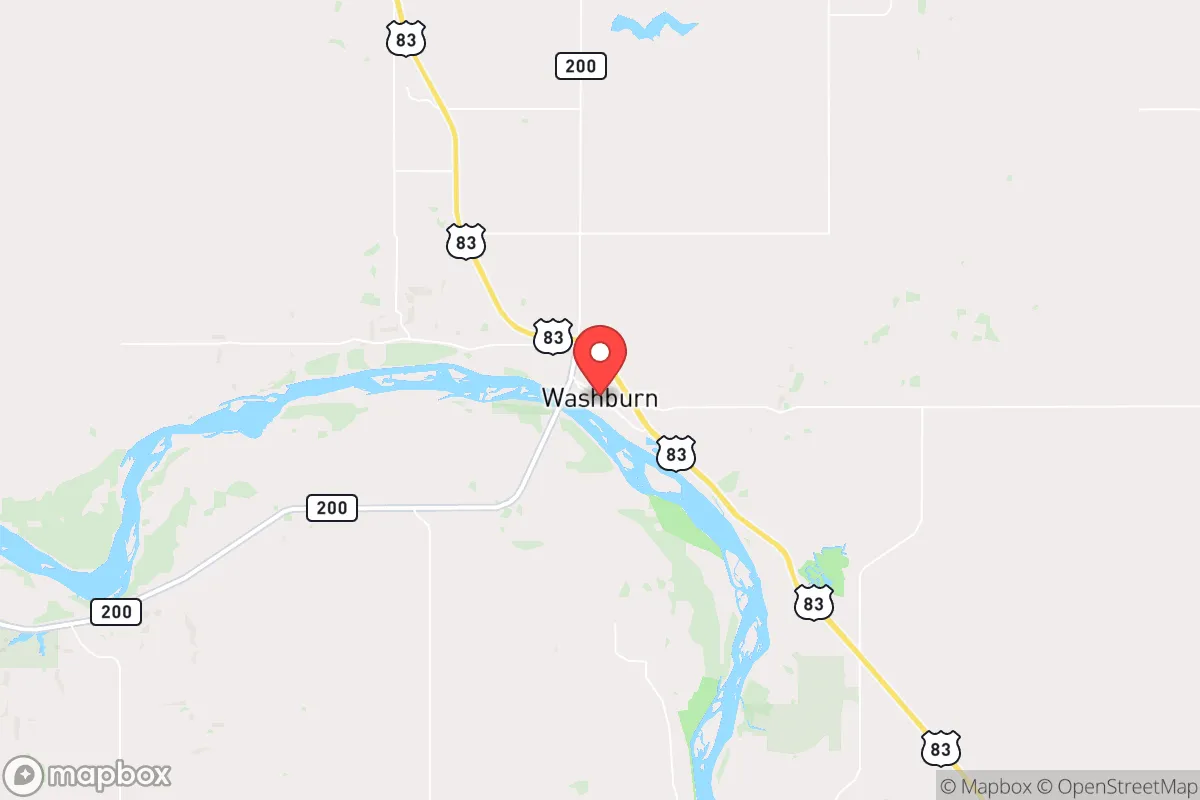
Crime in Washburn is not uniformly distributed. The core residential areas near Main Street and the Missouri River tend to see lower incident rates, benefiting from higher foot traffic and community watchfulness. In contrast, the outskirts and areas near Highway 83—where rental properties and temporary housing for oil workers are concentrated—report higher property crime numbers. These fringe neighborhoods experience more transient populations, which correlates with increased theft and vandalism. Prospective renters or buyers should prioritize properties in established, owner-occupied blocks and verify local crime maps with the McLean County Sheriff's Office. As with many small towns experiencing resource-driven growth, the safest choice is often a home in a long-settled, well-lit part of town rather than newer developments near major roads.
* Values derived from national, state, county, city and local statistics and may differ in a specific area. Last updated: 2026-04-19T08:25:01.000Z
Narrative content on this page is AI-generated and may contain mistakes. Verify any details that matter before acting on them.
ReloMaps may earn a commission from affiliate links at no extra cost to you.

