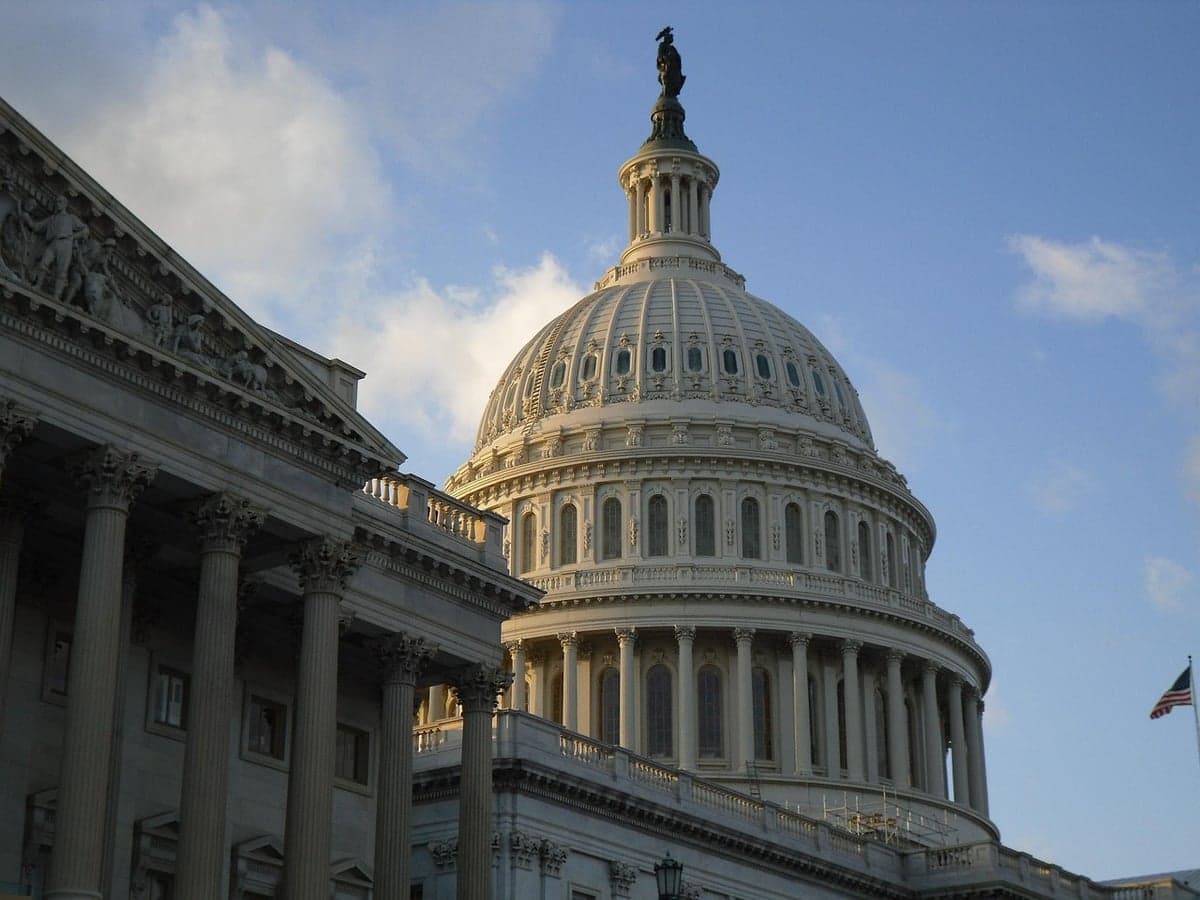
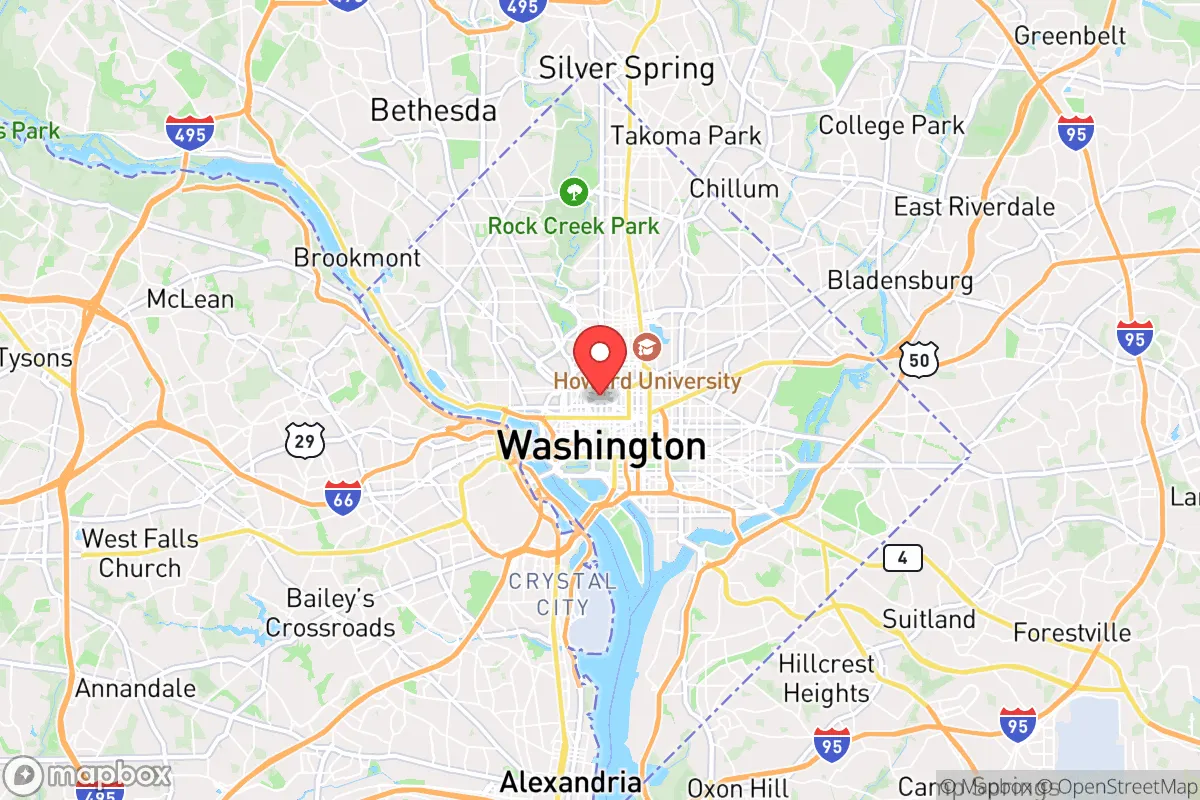
Quality of Life in Washington, DC
Above-average quality of iife. The area offers a reasonable cost of living, decent mobility, and a mix of neighborhood amenities.
What does Quality of Life tell us?
Quality of Life blends cost of living, nearby amenities, socioeconomic signals, and neighborhood character. City-level scores represent the whole municipality; individual neighborhoods can differ.
What does this tell us?
Quality of Life blends cost of living, nearby amenities, socioeconomic signals, and neighborhood character. City-level scores represent the whole municipality; individual neighborhoods can differ.
Cost of Living
101% above national average
The Real Cost of Living in Washington, DC for 2026
| Tier | Individual | Family (4) |
|---|---|---|
| Survival | $30k | $57k |
| Comfortable | $141k | $207k |
| Luxury | $192k+ | $298k+ |
| Elite (Top 5%) | $274k+ | $424k+ |
51%
The Area Signal
A metric tracking the socioeconomic signals of the area.


Hobbies
Explore the areaGroceries
4 within 10 miles
Gas
0 within 10 miles
Hospital
3 within 20 miles
Airport
DCA — Ronald Reagan Washington National
Post Office
USPS — Merrifield, VA
Critical Amenities
Quality-of-Life Analysis
Washington, DC is an affluent, highly educated city where the median household income exceeds $93,000 and over 60% of residents hold a bachelor’s degree or higher. The District attracts a dense mix of policy professionals, federal employees, lawyers, journalists, and young professionals drawn to its powerful institutions and vibrant urban energy. Despite its reputation as a transient city, nearly half of residents have lived in DC for over a decade, creating stable neighborhoods alongside the constant flow of newcomers.
Cost of living and housing affordability compared to nearby suburbs
Washington, DC’s cost of living index sits at 201—double the national average—making it one of the most expensive metro areas in the country. The median home value is $724,600, while the median rent is $1,900 per month. For context, that rent is roughly 20% higher than in neighboring Arlington, VA, and about 15% higher than in Silver Spring, MD, though both suburbs also command above-average prices. Homeownership is out of reach for many: a household would need an annual income of roughly $145,000 to afford the median-priced home without cost burden. Renters face similar pressure, with nearly half of DC renters spending more than 30% of their income on housing. The city’s average commute of 30.3 minutes is slightly longer than the national average of 26 minutes, but shorter than in many other major East Coast metros like New York or Boston. Metro rail and bus systems provide alternatives to driving, though reliability remains a frequent complaint among daily commuters.
What daily life is like for families, professionals, and newcomers
Daily life in DC revolves around its walkable neighborhoods, extensive park system, and a calendar packed with free museums, festivals, and cultural events. The city’s public schools have improved markedly over the past decade, with several high schools now ranking among the top in the nation, though quality varies significantly by ward. Private and charter school options are abundant, and many families choose neighborhoods like Ward 3 (Chevy Chase, Tenleytown) or Capitol Hill for their strong school clusters. Professionals benefit from a job market anchored by the federal government, law firms, trade associations, and a growing tech sector, with unemployment consistently below the national average. Newcomers often gravitate toward Logan Circle, Adams Morgan, or Navy Yard for their nightlife and social scenes, while longer-term residents favor quieter enclaves like Brookland or Petworth. The city’s violent crime rate has fallen 15% since 2020, though property crime remains a concern in high-traffic areas near downtown and the National Mall.
Washington, DC is best suited for career-driven individuals and families who value access to political and cultural institutions, walkable urban living, and a diverse social environment. Those who thrive here are typically comfortable with high housing costs, embrace public transit, and appreciate a city where professional ambition and civic engagement are woven into everyday life. The District is less ideal for those seeking low-cost living, large single-family homes with yards, or a slower pace—suburbs like Bethesda, MD, or McLean, VA, offer more space and lower crime rates at comparable or higher prices. For the right resident, however, DC delivers an unmatched combination of opportunity, history, and urban energy.

Crime in Washington, DC
Significantly higher crime rates than 83% of comparable U.S. locations.
Violent CrimeViolent Crime Analysis
Property CrimeProperty Crime Analysis
Crime Analysis
Washington, DC, reports a violent crime rate of 801.7 incidents per 100,000 residents and a property crime rate of 3,141.8 per 100,000, figures that place the District among the higher-crime large metro areas in the United States. These rates reflect a city where safety varies dramatically by neighborhood and time of day, and where the local justice system’s progressive policies have drawn criticism for prioritizing offender rehabilitation over public protection. For anyone considering a move to the nation’s capital, understanding these numbers and their real-world implications is essential.
Crime in context
DC’s violent crime rate is roughly 4.5 times the national average of about 180 per 100,000, while its property crime rate is nearly double the U.S. average of roughly 1,950 per 100,000. Compared to other large metro areas, DC’s violent crime is on par with cities like Baltimore and St. Louis, though property crime is slightly lower than in some peer cities. A key factor driving these elevated numbers is the District’s progressive prosecutorial approach: the current U.S. Attorney’s office and local judges have implemented policies that reduce pretrial detention, lower bail requirements, and divert many felony cases to treatment or community supervision. Critics argue this approach, while sympathetic to offenders, directly leads to more criminals on the street and negatively impacts justice for victims and the public, as repeat offenders cycle through the system without meaningful consequences.
What residents experience
Residents report that property crime—particularly car break-ins, package theft, and bicycle theft—is a near-daily concern in many central neighborhoods. Violent crime, including armed robbery and aggravated assault, is more concentrated in specific corridors east of the Anacostia River and in parts of Northeast DC, though incidents can occur anywhere. The city’s reliance on a progressive district attorney has resulted in low prosecution rates for many non-violent property offenses, leading to a perception that reporting such crimes yields little action. For daily life, this means residents often invest in security cameras, steering wheel locks, and neighborhood watch groups, and many avoid walking alone after dark in less-trafficked areas.
Neighborhood-level variation
Safety in DC is not uniform. Wealthier, whiter neighborhoods like Georgetown, Chevy Chase, and Capitol Hill’s western side report significantly lower violent crime rates—often below 200 per 100,000—while areas like Anacostia, Congress Heights, and parts of Trinidad see rates exceeding 1,500 per 100,000. Even within a single ward, a few blocks can separate a quiet residential street from a high-crime intersection. Property crime, however, is more evenly distributed, affecting even affluent areas like Dupont Circle and Logan Circle. Prospective residents should research crime maps for specific blocks and consider that the city’s progressive justice policies mean that even in safer neighborhoods, the risk of encountering repeat property offenders remains elevated compared to suburban jurisdictions in Maryland or Virginia.
* Values derived from national, state, county, city and local statistics and may differ in a specific area. Last updated: 2026-04-16T00:24:42.000Z
Narrative content on this page is AI-generated and may contain mistakes. Verify any details that matter before acting on them.
ReloMaps may earn a commission from affiliate links at no extra cost to you.

