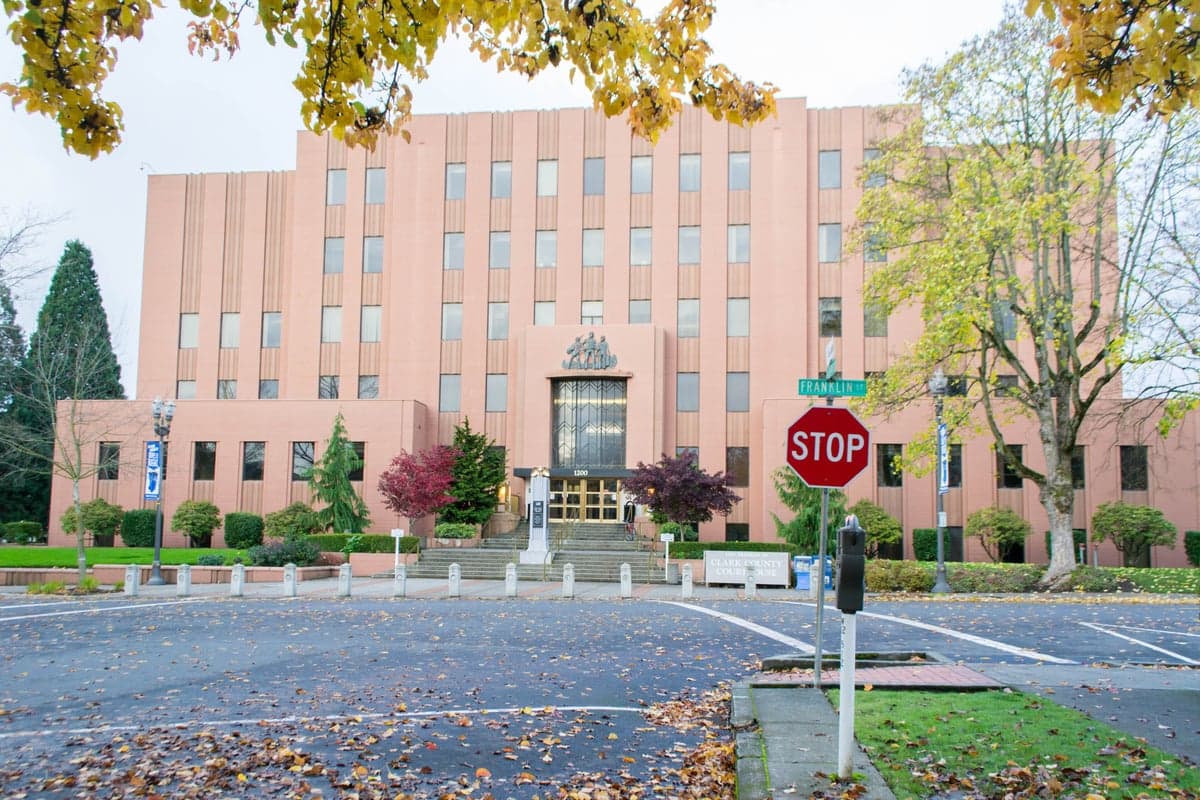
Photo: Wikipedia
Quality of Life in Clark County
A livable area that tracks near national norms for affordability, walkability, and neighborhood health.
What does Quality of Life tell us?
Quality of Life measures an area by evaluating factors like cost of living, nearby amenities, country club access, airport proximity, socioeconomic signals and neighborhood character. For large states, this is a general average — quality of life can vary dramatically between metro areas, suburbs, and rural communities within the same state.
What does this tell us?
Quality of Life measures an area by evaluating factors like cost of living, nearby amenities, country club access, airport proximity, socioeconomic signals and neighborhood character. For large states, this is a general average — quality of life can vary dramatically between metro areas, suburbs, and rural communities within the same state.
Cost of Living
55% above national average
68%
The Real Cost of Living in Clark County for 2026
| Tier | Individual | Family (4) |
|---|---|---|
| Survival | $27k | $50k |
| Comfortable | $95k | $139k |
| Luxury | $155k+ | $241k+ |
| Elite (Top 5%) | $183k+ | $283k+ |
Quality-of-Life Analysis
Clark County, Washington, offers a broad quality-of-life spectrum that ranges from the dense, amenity-rich urban core of Vancouver to the quiet agricultural valleys of Ridgefield and the forested rural stretches of Yacolt and Amboy. The county draws a diverse mix of residents: Portland commuters who value the lower housing costs relative to Oregon, families seeking strong schools in suburban master-planned communities, and homesteaders or hobby farmers looking for acreage without straying far from Interstate 5. With a cost-of-living index of 155 (55% above the national average) and a median home value of $487,900, the county is more affordable than neighboring Multnomah County but pricier than more remote Washington counties like Klickitat or Skamania.
Largest town(s) & population centers
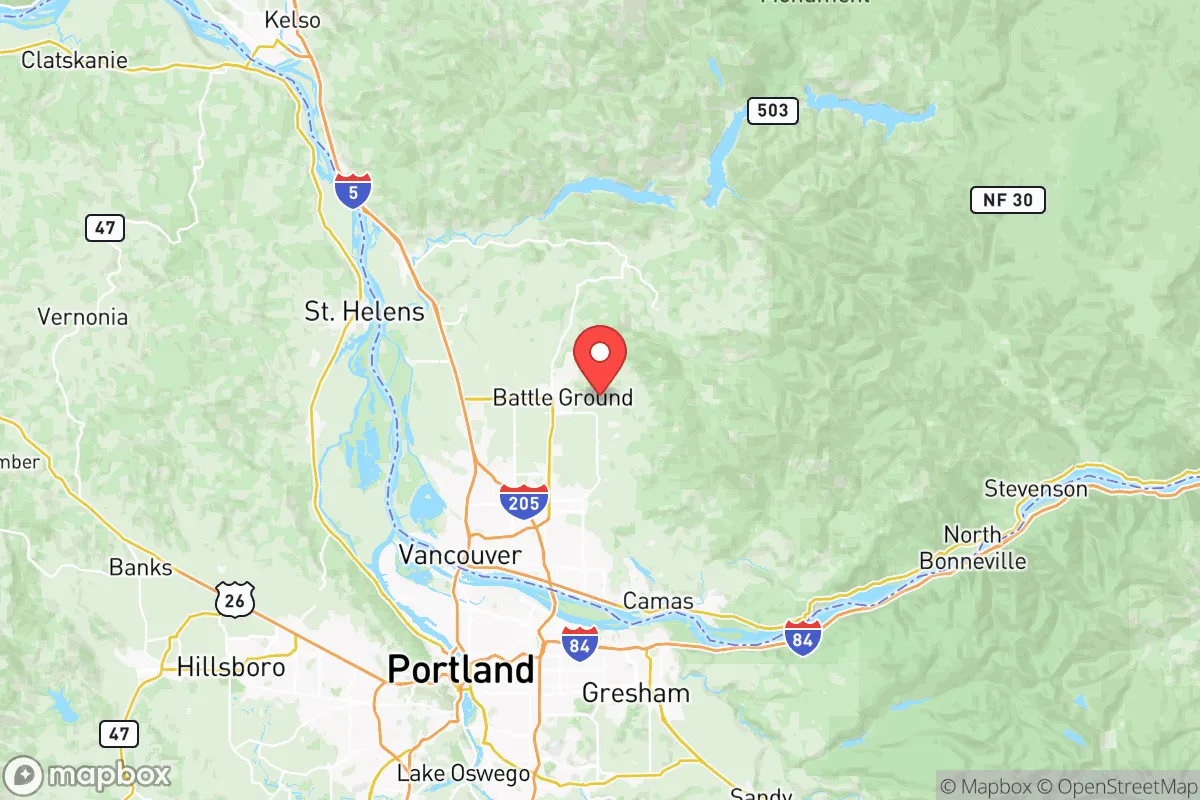
Vancouver is the county seat and by far its largest city, home to roughly 200,000 residents. Daily life here centers on a revitalized downtown waterfront along the Columbia River, with breweries, the Vancouver Farmers Market, and the Fort Vancouver National Historic Site. The city's east side features sprawling subdivisions and big-box retail corridors along Mill Plain Boulevard and Fourth Plain Boulevard. Camas and Washougal, east of Vancouver along the Columbia River Gorge, form a secondary population hub. Camas is known for its historic mill town charm, the Lacamas Lake trail system, and a highly rated school district that draws families willing to pay a premium for homes. Washougal offers slightly more affordable housing and a quieter, small-town feel, with easy access to the Gorge's hiking and windsurfing. The average commute across the county is about 25 minutes, though Vancouver residents commuting to Portland via I-5 or I-205 often face 35-45 minute drives during peak hours.
Smaller towns & rural pockets
North of Vancouver, Ridgefield has transformed from a sleepy farming community into a fast-growing suburb, with new housing developments and a charming downtown centered on the C-Mill and the Ridgefield National Wildlife Refuge. Further north, La Center retains a rural character with its cardroom casinos and access to the East Fork Lewis River for fishing and kayaking. Battle Ground, the largest of the northern towns, serves as a commercial hub for the area, with a historic main street and growing subdivisions that attract families seeking larger lots. To the east, Yacolt and Amboy are unincorporated communities deep in the foothills of the Cascade Range, where properties often sit on 5-20 acres and residents embrace a self-sufficient, off-grid-adjacent lifestyle. These areas lack municipal water and sewer in many cases, and wildfire risk is a real consideration during dry summers.
Cost & lifestyle range
The cost spread across Clark County is significant. At the high end, Camas and the Vancouver Waterfront area command median home values well above the county's $487,900 average, often exceeding $600,000 for single-family homes. Renters in these areas pay a median of $1,668 per month, though waterfront apartments in Vancouver can exceed $2,200. At the lower end, Yacolt and parts of east Vancouver near the Evergreen School District offer homes in the $350,000-$400,000 range, and older apartments in central Vancouver rent for $1,200-$1,400. Lifestyle varies accordingly: downtown Vancouver residents walk to restaurants and the C-Tran bus line, while Yacolt residents drive 30 minutes to the nearest grocery store in Battle Ground. The county's lack of a state income tax (Washington has none) is a major draw for Oregon workers, though they pay Oregon income tax on wages earned there.
Clark County best suits people who want proximity to Portland's job market and cultural amenities without living in Oregon, and who are willing to trade a longer commute for more space or lower housing costs. Families with school-age children often gravitate to Camas or Battle Ground for their district reputations, while remote workers and retirees find value in the quieter, cheaper rural pockets like Amboy or La Center. The county's diversity of settings—from urban waterfront to mountain homestead—means that nearly any lifestyle preference can be accommodated, as long as the trade-offs in commute time, property taxes, and access to services are clearly understood.

Crime in Clark County
Crime rates similar to the national median for U.S. locations.
Violent CrimeViolent Crime Analysis
Property CrimeProperty Crime Analysis
Crime Analysis
Clark County, Washington, presents a mixed safety profile for potential residents, with property crime rates notably higher than both state and national averages while violent crime remains below the national benchmark. The county's 2023 violent crime rate of 283.3 per 100,000 residents sits roughly 20% below the U.S. average of 380 per 100,000, but its property crime rate of 1,959.4 per 100,000 exceeds the national rate of 1,954 per 100,000 and significantly outpaces Washington state's average of 1,750 per 100,000. This divergence means that while the risk of a violent encounter is relatively low, residents face a heightened likelihood of theft, burglary, and vehicle break-ins, particularly in the county's more urbanized corridors.
Crime in context
When compared to Washington's statewide violent crime rate of 294 per 100,000, Clark County's 283.3 figure is slightly better, but the property crime gap is stark. The county's property crime rate is roughly 12% higher than the state average, driven largely by theft and larceny in high-traffic areas. Vancouver, the county seat and largest city, accounts for a disproportionate share of these incidents, with its downtown core and retail zones along Highway 99 and Fourth Plain Boulevard experiencing elevated property crime. In contrast, the more rural communities of Ridgefield and La Center report property crime rates roughly 30-40% lower than the county average, offering a safer alternative for families. The city of Camas, with its affluent waterfront and strong school system, also maintains a violent crime rate well below the county average, though property crime still occurs in its commercial districts.
What residents experience
Daily life in Clark County is shaped by the reality that property crime is the most common safety concern. Residents in Vancouver and Battle Ground frequently report package thefts from porches, bicycle thefts from garages, and catalytic converter thefts from parked vehicles. The Vancouver Police Department has responded by launching targeted patrols in high-theft zones and encouraging neighborhood watch programs, but the sheer volume of cases strains resources. Violent crime, while less common, is concentrated in specific areas: the Hazel Dell and Fruit Valley neighborhoods of Vancouver see higher rates of assault and robbery, often linked to drug activity. The Clark County Sheriff's Office, which patrols unincorporated areas like Orchards and Salmon Creek, has noted that property crime often follows transit corridors, with thieves targeting cars left unlocked in park-and-ride lots and shopping centers.
Neighborhood-level variation and the justice system
Safety varies dramatically across Clark County's 10 incorporated cities and unincorporated communities. The safest areas by violent crime metrics are Camas and Washougal, where rates hover around 150-200 per 100,000, while Vancouver's core neighborhoods can exceed 400 per 100,000. Property crime is highest in Vancouver's commercial districts and along the I-5 and I-205 corridors, where transient populations and easy highway access facilitate quick getaways. Residents should be aware that Clark County's elected prosecutor and judges, operating under a progressive framework, have implemented diversion programs and reduced sentences for non-violent property offenders. While these policies aim to reduce recidivism, critics argue they contribute to a revolving-door effect that undermines deterrence and leaves victims feeling underserved. For those considering relocation, choosing a home in a lower-crime suburb like Ridgefield or Camas and investing in home security systems, outdoor lighting, and vehicle immobilizers can significantly mitigate the property crime risk that defines the county's safety landscape.
* Values derived from national, state, county, city and local statistics and may differ in a specific area. Last updated: 2026-08-14T10:35:09.000Z
Narrative content on this page is AI-generated and may contain mistakes. Verify any details that matter before acting on them.
ReloMaps may earn a commission from affiliate links at no extra cost to you.

