 Popular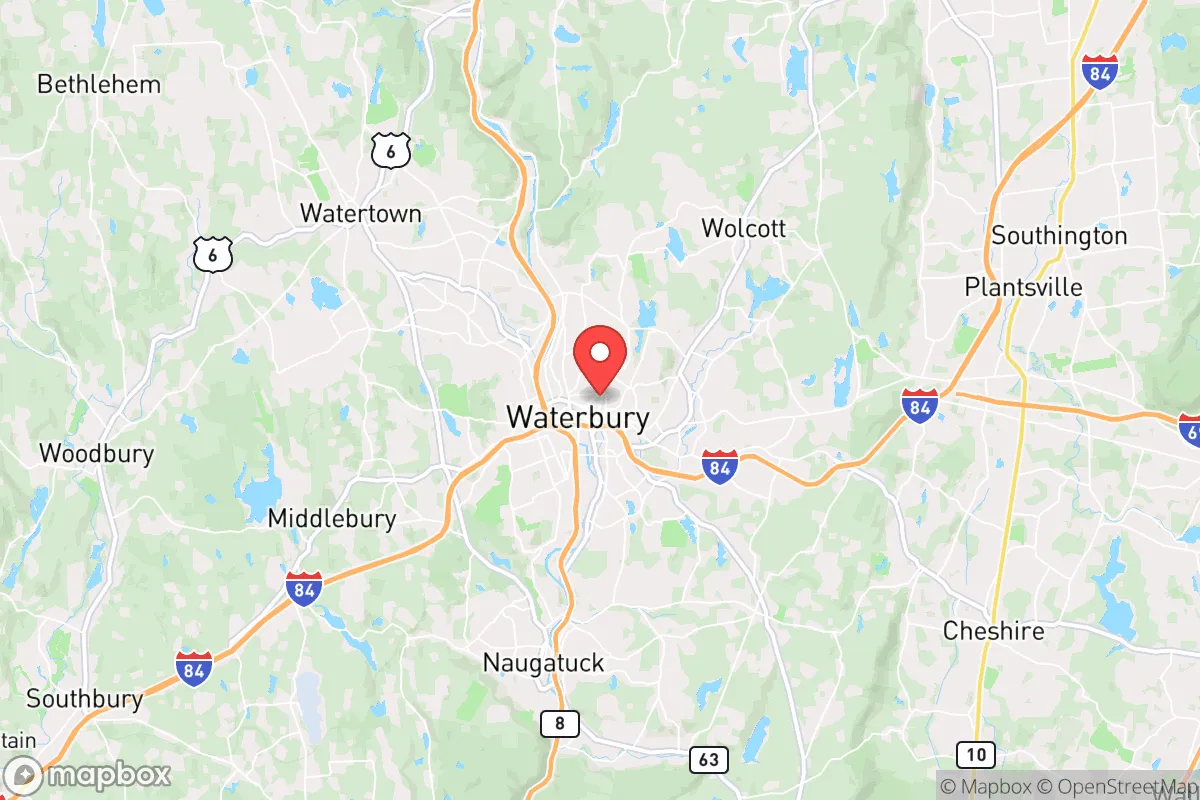
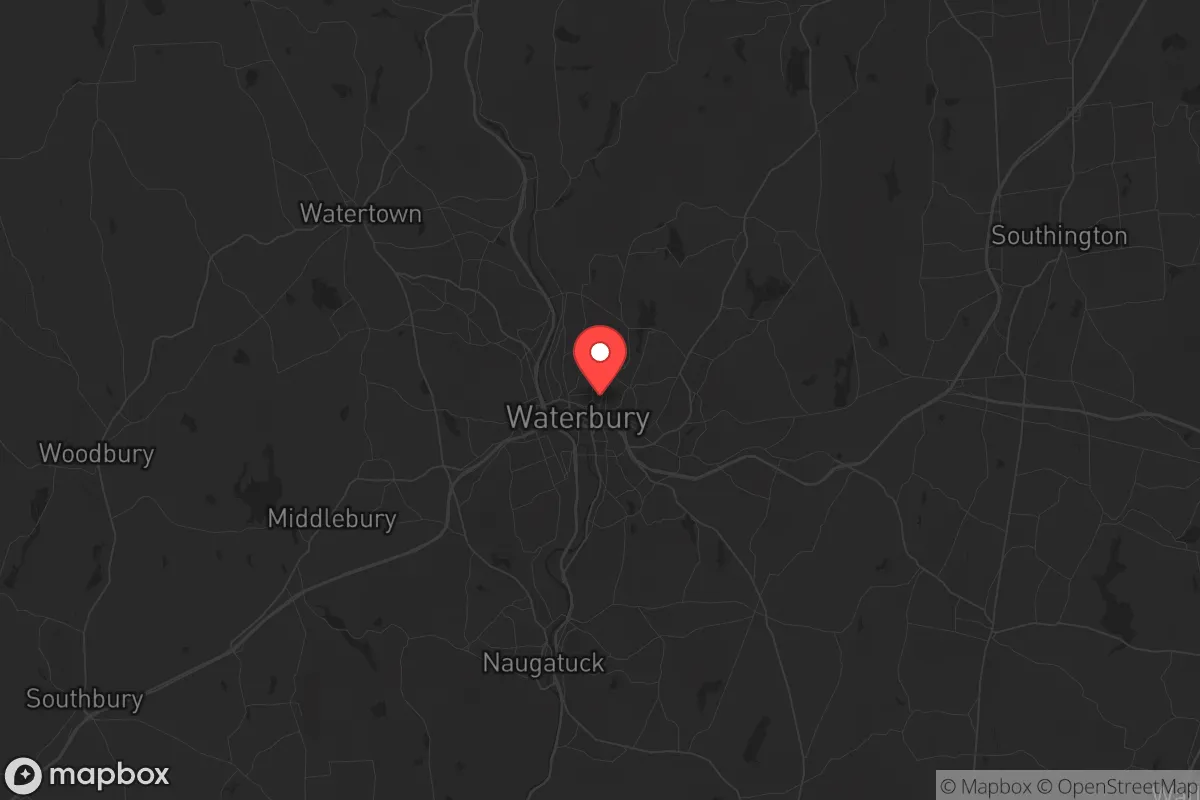
Photo: Wikipedia
Quality of Life in Waterbury, CT
Above-average quality of iife. The area offers a reasonable cost of living, decent mobility, and a mix of neighborhood amenities.
What does Quality of Life tell us?
Quality of Life blends cost of living, nearby amenities, socioeconomic signals, and neighborhood character. City-level scores represent the whole municipality; individual neighborhoods can differ.
What does this tell us?
Quality of Life blends cost of living, nearby amenities, socioeconomic signals, and neighborhood character. City-level scores represent the whole municipality; individual neighborhoods can differ.
Cost of Living
13% below national average
The Real Cost of Living in Waterbury, CT for 2026
| Tier | Individual | Family (4) |
|---|---|---|
| Survival | $19k | $35k |
| Comfortable | $36k | $53k |
| Luxury | $93k+ | $145k+ |
| Elite (Top 5%) | $116k+ | $179k+ |
98%
The Area Signal
A metric tracking the socioeconomic signals of the area.
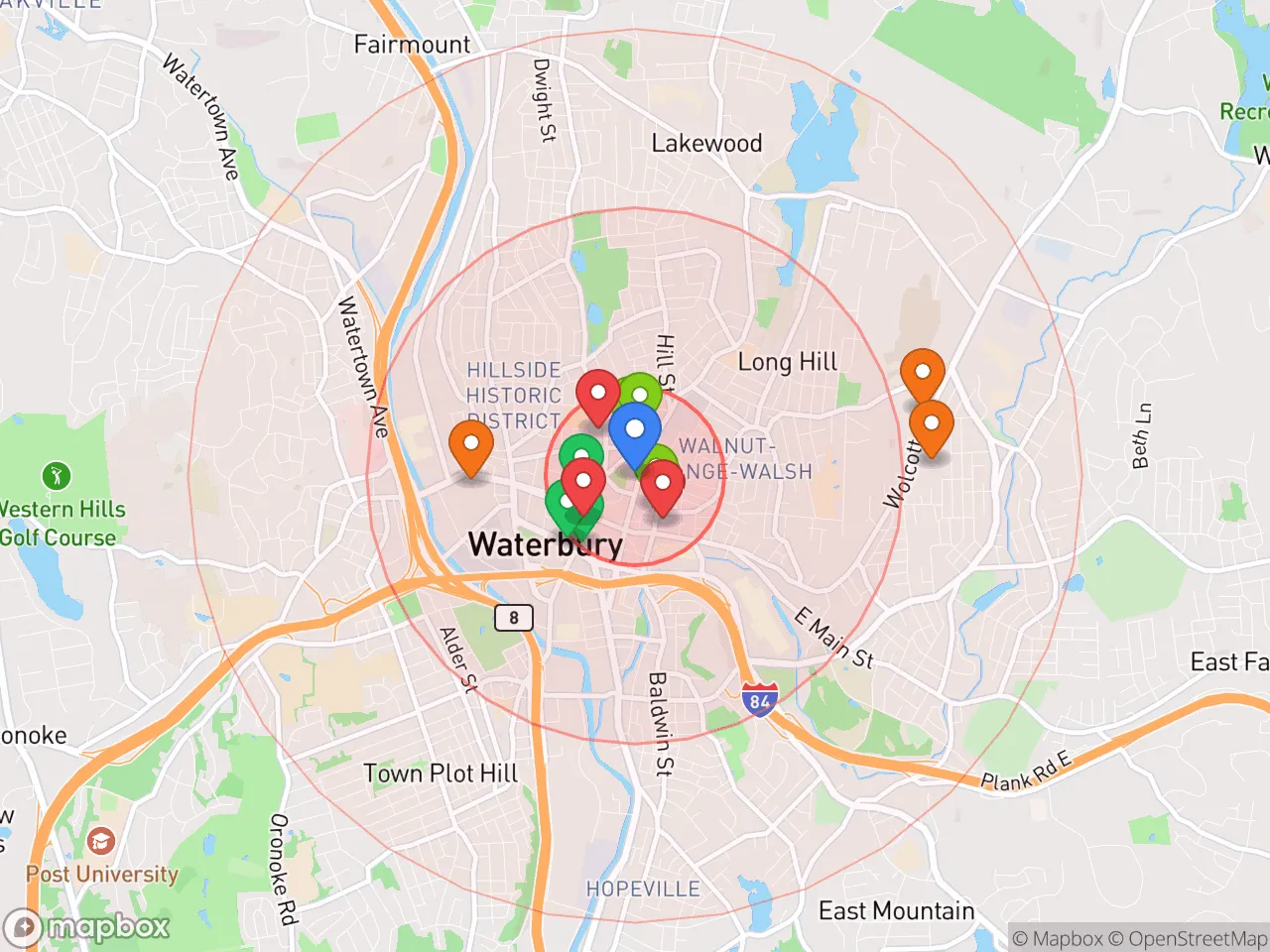
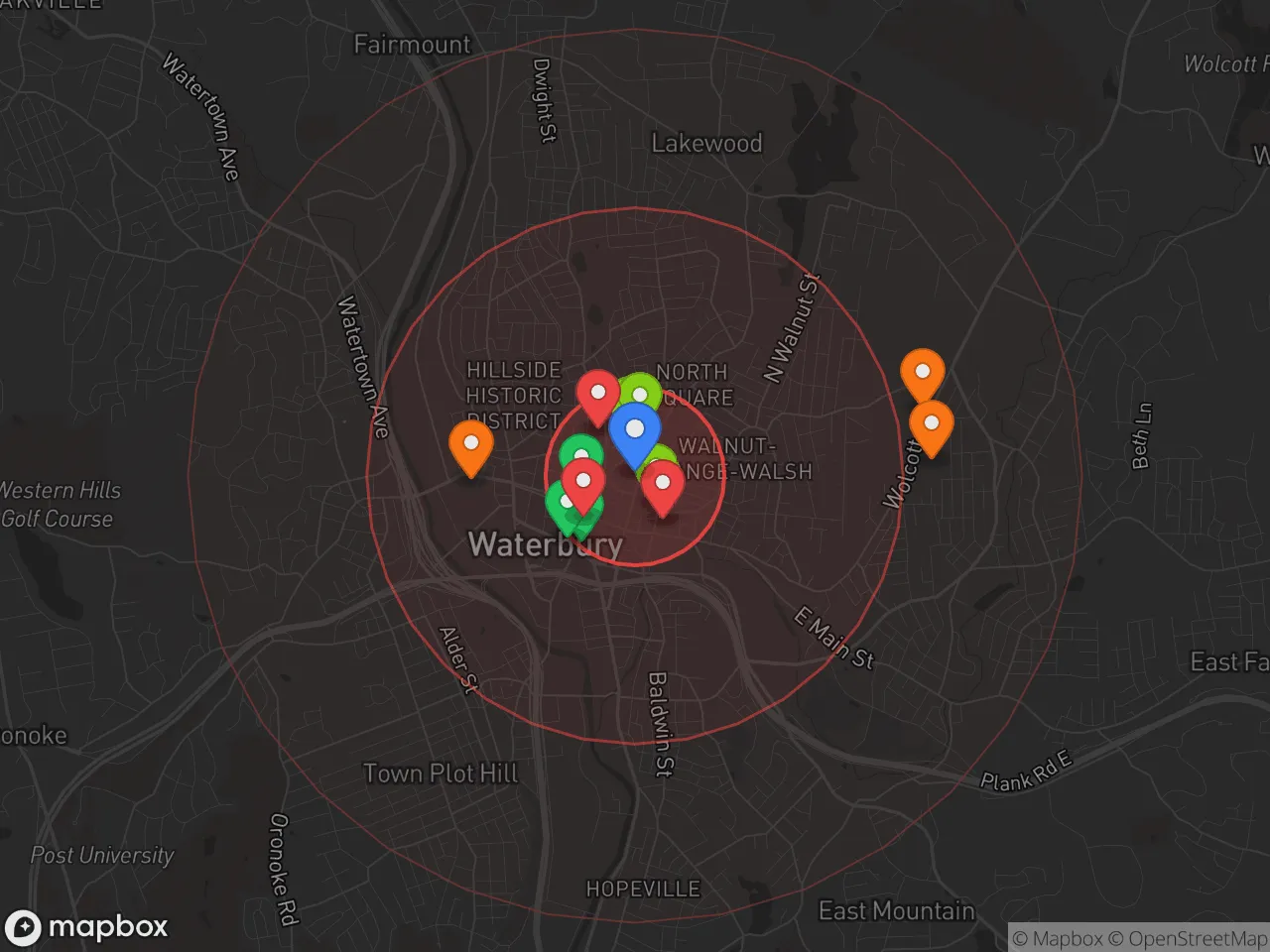
Hobbies
Explore the areaGroceries
7 within 10 miles
Gas
20 within 10 miles
Hospital
20 within 20 miles
Airport
JFK — John F. Kennedy International
Post Office
USPS — Waterbury, CT
Critical Amenities
Quality-of-Life Analysis
Waterbury, Connecticut, offers a notably affordable quality of life relative to much of the Northeast, with a cost-of-living index of 87 (100 is the U.S. average) that places it well below the state and regional norms. The city’s population is a mix of long-standing families, first-generation immigrants, and commuters drawn by lower housing costs, creating a working- and middle-class character distinct from the wealthier suburbs of Fairfield County. While Waterbury itself is not affluent, its affordability and central location make it a practical base for those who prioritize financial breathing room over prestige addresses.
How housing costs and affordability compare to nearby towns
Waterbury’s housing market is a clear outlier in Connecticut’s expensive landscape. The median home value sits at $185,400, a fraction of the $400,000+ medians seen in neighboring Southbury, Middlebury, or Cheshire. Median rent is $1,180, roughly 30% lower than the state average and significantly less than the $1,600+ typical in Hartford or New Haven suburbs. This affordability comes with trade-offs: the city’s housing stock is older, with many pre-1950 homes requiring maintenance, and property taxes in Waterbury (about 4.5% effective rate) are high relative to home values. For buyers, the lower purchase price often offsets the tax burden, but renters benefit most directly from the below-average monthly costs. Compared to Danbury (COL index 115) or Stamford (COL index 135), Waterbury offers a clear financial advantage for households earning the area’s median income of roughly $50,000.
What daily life is like for families: schools, amenities, and commute
Daily life in Waterbury revolves around its compact urban core and accessible outdoor spaces. The city’s public school system, Waterbury Public Schools, serves about 18,000 students and has faced chronic underfunding and below-average test scores, though magnet schools like Waterbury Arts Magnet School and Crosby High School’s STEM program provide selective options. For amenities, the Palace Theater hosts touring Broadway shows and concerts, while Library Park and Fulton Park offer green space for recreation. The average commute time is 28.4 minutes, a figure that reflects Waterbury’s role as a bedroom community: Interstate 84 and Route 8 provide direct access to Hartford (30 minutes), New Haven (25 minutes), and Danbury (20 minutes), making the city viable for workers in those job centers. Local grocery stores, diners, and ethnic markets (especially Portuguese and Brazilian) anchor neighborhood life, but residents often drive to the Brass Mill Center mall or nearby Southbury for big-box retail.
Waterbury is best suited for budget-conscious households, first-time homebuyers, and commuters who value lower housing costs over suburban school rankings or high-end retail. The city’s affordability is genuine—a household earning $60,000 can comfortably afford the median-priced home—but the trade-offs include older infrastructure, a higher crime rate than surrounding towns, and a school system that requires active parental involvement. Those who thrive here are typically pragmatic, willing to navigate the city’s challenges for the financial stability and central location it provides. For renters or buyers priced out of Fairfield County or the Hartford suburbs, Waterbury remains one of the most accessible entry points into Connecticut’s housing market.

Crime in Waterbury, CT
Higher crime rates than 59% of comparable U.S. locations.
Violent CrimeViolent Crime Analysis
Property CrimeProperty Crime Analysis
Crime Analysis
Waterbury, Connecticut, reports a violent crime rate of 292 per 100,000 residents and a property crime rate of 2,352.7 per 100,000, figures that place it above both the state and national averages for similar-sized cities. While not among the most dangerous cities in New England, Waterbury’s crime landscape is shaped by its status as a mid-sized urban hub within the larger New Haven-Hartford corridor, where socioeconomic pressures and regional justice policies intersect. Prospective residents should weigh these statistics carefully, particularly given the broader context of Connecticut’s progressive criminal justice environment.
Crime in context
Waterbury’s violent crime rate is roughly 25% higher than the national average of approximately 230 per 100,000, while its property crime rate exceeds the national figure by about 10%. Compared to Connecticut’s statewide violent crime rate of roughly 180 per 100,000, Waterbury stands out as a higher-risk municipality. The city’s property crime rate, driven largely by larceny and motor vehicle theft, is also elevated relative to the state average of around 1,800 per 100,000. These numbers reflect challenges common to post-industrial cities in the region, but they are amplified by Connecticut’s liberal-leaning judiciary and district attorneys, who often prioritize diversion programs and reduced sentencing over incarceration. This approach, while intended to address root causes of crime, can result in more repeat offenders returning to the streets, undermining public safety and victim justice.
What residents experience
Daily life in Waterbury involves a heightened awareness of property crime, with residents reporting frequent vehicle break-ins, package thefts, and vandalism in both downtown and residential neighborhoods. Violent incidents, while less common, tend to cluster in specific areas—particularly around the downtown core, the Brooklyn neighborhood, and parts of the East End—and often involve disputes among individuals known to one another. The city’s police department has implemented community policing initiatives and targeted patrols, but staffing shortages and the broader regional trend of progressive prosecution policies limit their effectiveness. For example, New Haven County’s state’s attorney office has been criticized for lenient plea deals and low bail requirements, which critics argue embolden offenders and erode deterrence. Residents should expect to take proactive measures—such as installing security cameras, joining neighborhood watch groups, and avoiding poorly lit areas after dark—to mitigate risk.
Neighborhood-level variation is significant. The more affluent, suburban-style areas in the western and northern sections of Waterbury—such as the Town Plot and Bunker Hill neighborhoods—report notably lower crime rates, often comparable to nearby towns like Middlebury or Wolcott. In contrast, the South End and the area around Waterbury Hospital experience higher concentrations of both violent and property crime. Prospective renters and homebuyers should research block-by-block data using tools like the Waterbury Police Department’s crime map or third-party platforms, as a single street can separate a low-risk pocket from a high-activity corridor. Overall, Waterbury demands caution and informed decision-making, particularly for those accustomed to the lower crime rates of Connecticut’s smaller, more conservative-leaning suburbs.
* Values derived from national, state, county, city and local statistics and may differ in a specific area. Last updated: 2026-04-30T00:57:17.000Z
Narrative content on this page is AI-generated and may contain mistakes. Verify any details that matter before acting on them.
ReloMaps may earn a commission from affiliate links at no extra cost to you.

