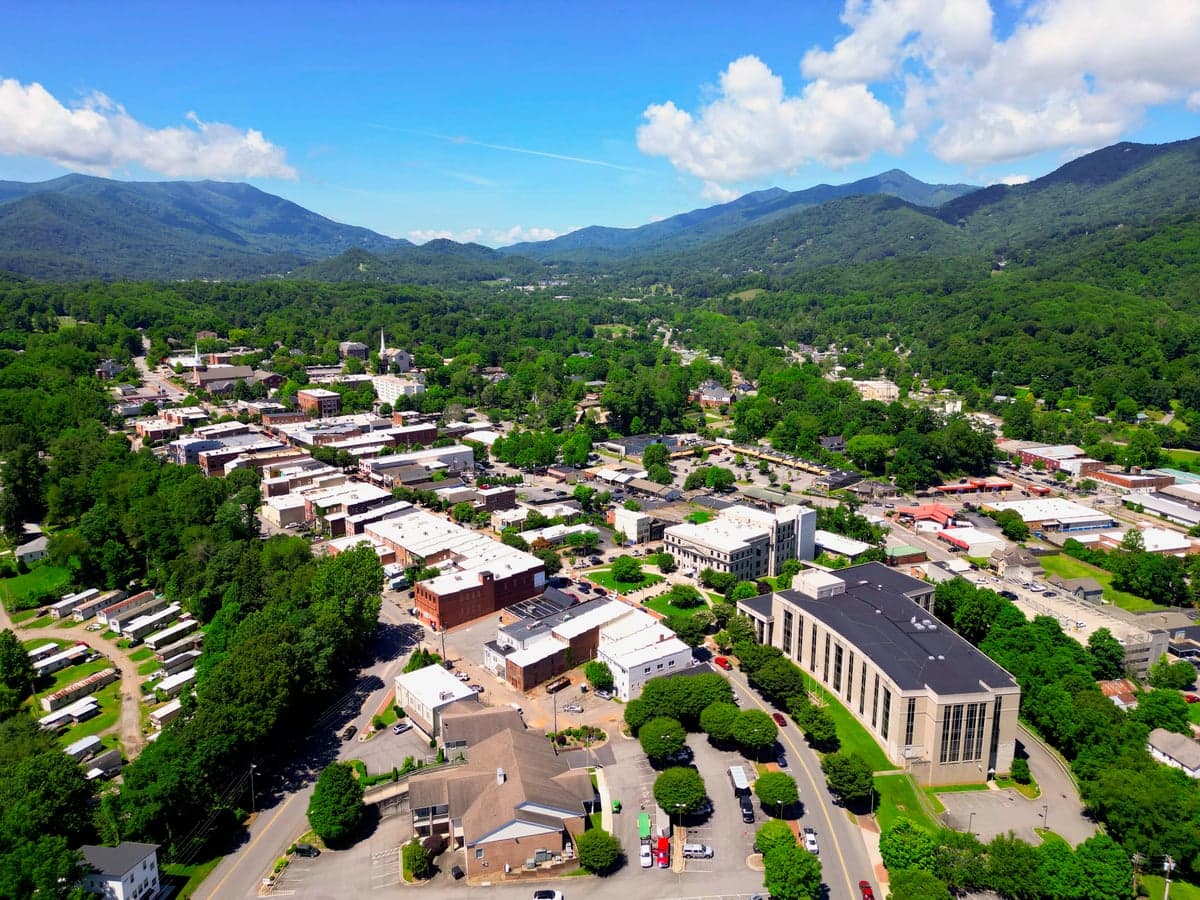
Photo: Wikipedia
Quality of Life in Waynesville, NC
A high quality of life with strong walkability, manageable living costs, healthy neighborhood signals, and solid amenity access.
What does Quality of Life tell us?
Quality of Life blends cost of living, nearby amenities, socioeconomic signals, and neighborhood character. City-level scores represent the whole municipality; individual neighborhoods can differ.
What does this tell us?
Quality of Life blends cost of living, nearby amenities, socioeconomic signals, and neighborhood character. City-level scores represent the whole municipality; individual neighborhoods can differ.
Cost of Living
7% below national average
The Real Cost of Living in Waynesville, NC for 2026
| Tier | Individual | Family (4) |
|---|---|---|
| Survival | $18k | $33k |
| Comfortable | $50k | $73k |
| Luxury | $91k+ | $142k+ |
| Elite (Top 5%) | $112k+ | $173k+ |
69%
The Area Signal
A metric tracking the socioeconomic signals of the area.
Hobbies
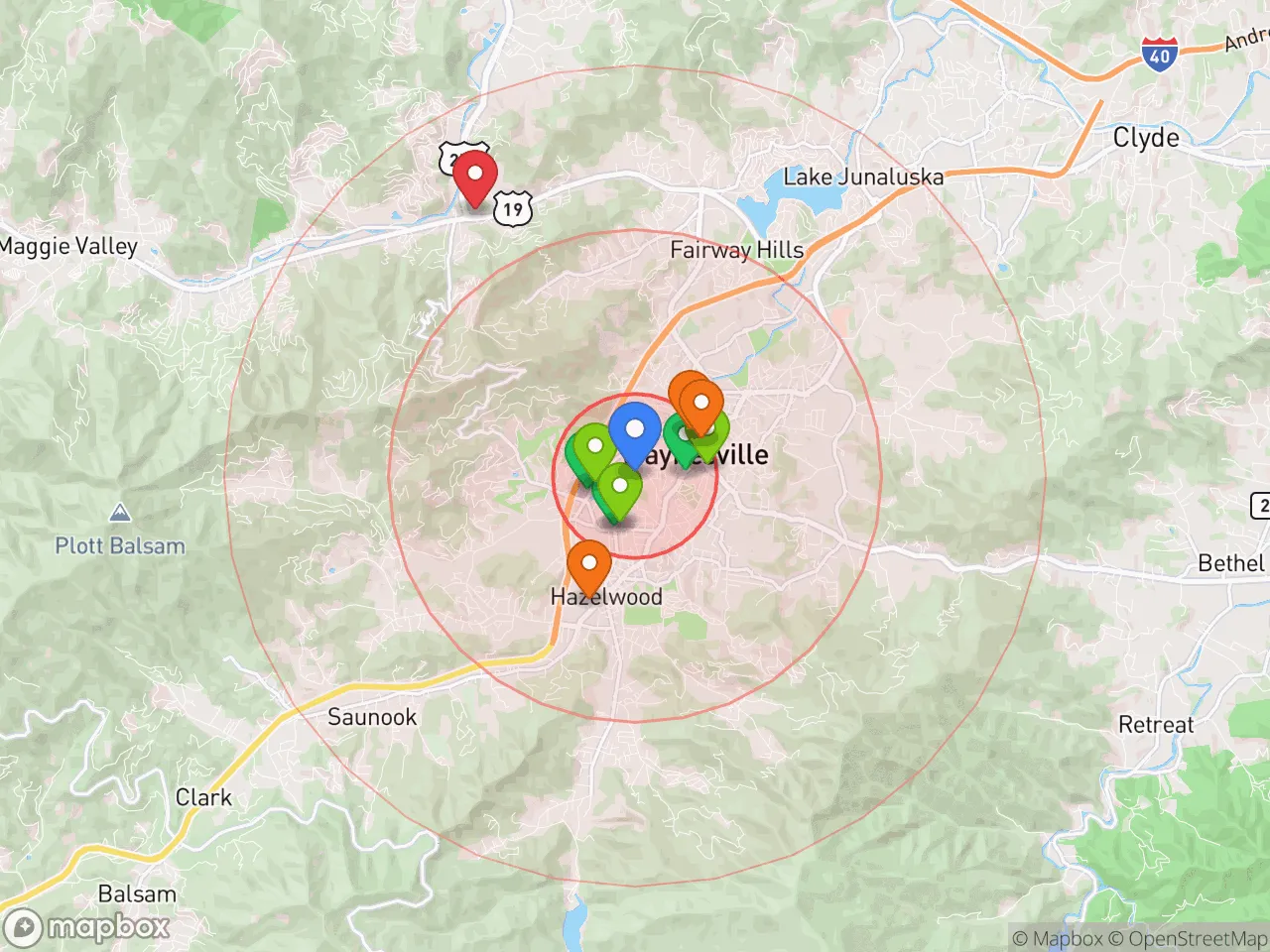
Explore the areaGroceries
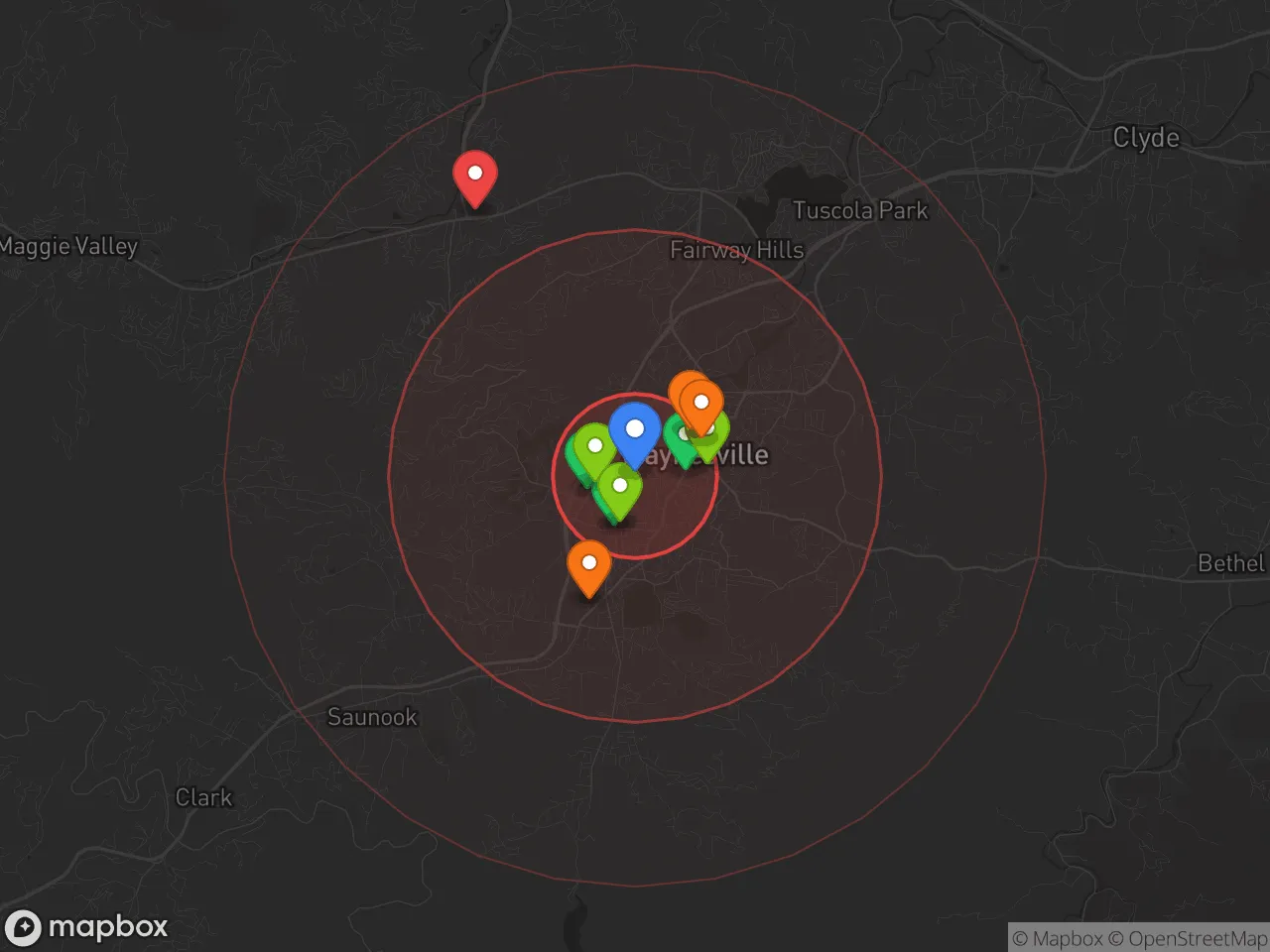
3 within 10 miles
Gas
16 within 10 miles
Hospital
4 within 20 miles
Airport
CLT — Charlotte Douglas International
Post Office
USPS — Waynesville, NC
Critical Amenities
Quality-of-Life Analysis
Waynesville, North Carolina, presents a quality of life defined by a blend of small-town Appalachian character and a notably affordable cost structure, attracting a mix of retirees, remote workers, and families seeking a slower pace. With a cost of living index of 93 (7% below the U.S. average), the area offers a tangible financial advantage over the booming Asheville metro, which sits just 30 miles east. The population skews slightly older and more established than the national median, with a growing contingent of newcomers drawn by the Blue Ridge Mountain scenery and a lower-stress daily rhythm.
Cost of living and housing affordability compared to Asheville and Hendersonville
Waynesville’s housing market remains a standout draw, with a median home value of $254,800—roughly $150,000 less than the median in Asheville and about $50,000 below Hendersonville. Median rent sits at $1,105, making it one of the more attainable rental markets in Western North Carolina for a town of its size. The average commute of 18.7 minutes is significantly shorter than the national average of 26 minutes, a practical benefit for those working locally or commuting to nearby Waynesville-based employers like the Haywood County government, the hospital, or regional manufacturing. While property taxes are low (Haywood County’s rate is around 0.56% of assessed value), homeowners should note that home insurance premiums can be higher than the national norm due to mountain weather risks, and heating costs in winter are above average. Compared to the Asheville metro, Waynesville offers roughly 15-20% more square footage for the same monthly payment, a key factor for families and retirees downsizing from higher-cost states.
What daily life is like for families, retirees, and remote workers
Daily life in Waynesville revolves around a walkable downtown centered on Main Street, with locally owned shops, breweries, and restaurants like The Sweet Onion and Frog Level Brewing. The Haywood County School system serves the area, with Tuscola High School and Waynesville Middle School receiving average-to-above-average ratings on state assessments; for families seeking alternatives, the nearby Asheville area offers several private and charter options. Outdoor amenities are a primary lifestyle driver: the Blue Ridge Parkway is minutes away, and the Great Smoky Mountains National Park is a 40-minute drive via U.S. 276. Healthcare access is solid for a town of 10,000, anchored by Haywood Regional Medical Center, which offers emergency care and specialty clinics. Remote workers benefit from decent fiber-optic internet coverage in the town core, though speeds can drop in outlying mountain coves. The social rhythm is quiet—most businesses close by 8 or 9 p.m.—with community events like the weekly Waynesville Farmers Market and the annual Folkmoot Festival providing seasonal gathering points.
Waynesville is best suited for those who prioritize natural beauty, a lower cost of living, and a slower, community-oriented pace over urban amenities and nightlife. Retirees on fixed incomes will find the housing affordability and mild four-season climate appealing, while remote workers and families can leverage the short commute and lower housing costs to gain financial breathing room. Those seeking a vibrant arts scene, diverse dining, or a younger singles demographic will likely find Asheville or Hendersonville a better fit. For the right buyer—especially one comfortable with mountain weather and a quieter social calendar—Waynesville offers a high quality of life at a fraction of the cost of the region’s more famous towns.

Crime in Waynesville, NC
Generally safer than 60% of comparable U.S. locations.
Violent CrimeViolent Crime Analysis
Property CrimeProperty Crime Analysis
Crime Analysis
Waynesville, North Carolina, reports a violent crime rate of 424.8 per 100,000 residents and a property crime rate of 3,084.3 per 100,000, placing it above both state and national averages for communities of its size. These figures indicate that while Waynesville is not a high-crime urban center, it faces safety challenges that prospective residents should weigh carefully, particularly given the broader judicial environment in western North Carolina. The town’s location as a gateway to the Great Smoky Mountains and its growing tourism economy contribute to a complex safety picture where seasonal population surges and economic disparities play a role.
Crime in context
Waynesville’s violent crime rate of 424.8 per 100,000 is roughly 20% higher than the national average of approximately 380 per 100,000 and significantly exceeds North Carolina’s state average of about 350 per 100,000. Property crime, at 3,084.3 per 100,000, is nearly 40% above the national property crime rate of roughly 2,200 per 100,000. These numbers place Waynesville in a higher-risk tier compared to similarly sized towns in the region, such as nearby Sylva or Brevard, which report lower per-capita crime rates. The elevated property crime figure is particularly notable, as it suggests issues with theft, burglary, and vehicle break-ins that often correlate with transient populations and tourism-related foot traffic.
What residents experience
Residents commonly report that property crime—especially theft from vehicles and unlocked homes—is the most frequent safety concern in Waynesville, particularly in areas near the historic downtown and popular hiking access points. Violent crime, while less common, includes aggravated assault and robbery incidents that are often concentrated in specific pockets rather than spread evenly across the town. A critical factor for readers to consider is the judicial philosophy prevalent in Haywood County and surrounding western North Carolina districts. Progressive district attorneys and judges in this region have increasingly adopted diversion programs and reduced sentencing for non-violent property offenders, a trend that, while intended to reduce incarceration, can result in repeat offenders cycling back onto the streets more quickly. This approach directly impacts public safety by diminishing the deterrent effect of prosecution and leaving victims with a sense that justice is incomplete.
Neighborhood-level variation is significant in Waynesville. The areas around Main Street and near the historic district see higher rates of petty theft and vandalism, while residential neighborhoods like Hazelwood and the subdivisions off Russ Avenue report lower violent crime but still experience occasional break-ins. Outlying communities such as Lake Junaluska and parts of Jonathan Creek generally have lower crime rates, offering a safer alternative for families and retirees. Prospective movers should research block-level crime maps and consider that the town’s proximity to Asheville—a city with its own rising crime challenges—can influence local safety dynamics through regional criminal activity patterns.
* Values derived from national, state, county, city and local statistics and may differ in a specific area. Last updated: 2026-10-20T17:11:34.000Z
Narrative content on this page is AI-generated and may contain mistakes. Verify any details that matter before acting on them.
ReloMaps may earn a commission from affiliate links at no extra cost to you.

