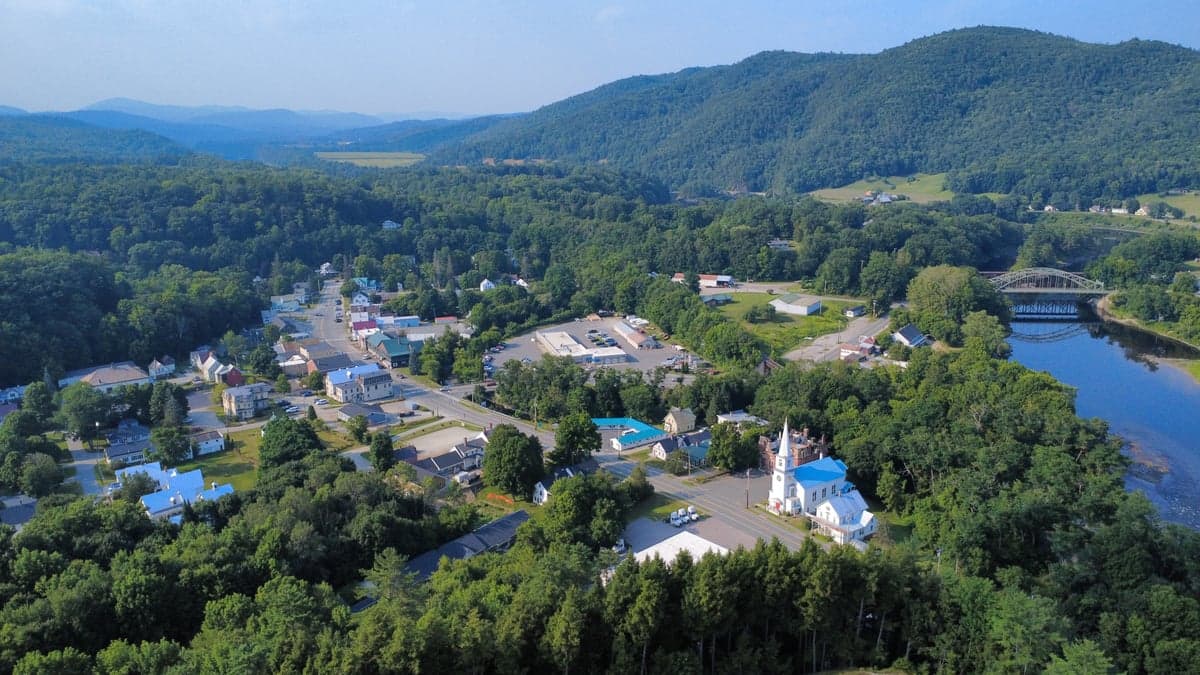
Photo: Wikipedia
Quality of Life in Wells River, VT
Above-average quality of iife. The area offers a reasonable cost of living, decent mobility, and a mix of neighborhood amenities.
What does Quality of Life tell us?
Quality of Life blends cost of living, nearby amenities, socioeconomic signals, and neighborhood character. City-level scores represent the whole municipality; individual neighborhoods can differ.
What does this tell us?
Quality of Life blends cost of living, nearby amenities, socioeconomic signals, and neighborhood character. City-level scores represent the whole municipality; individual neighborhoods can differ.
Cost of Living
38% below national average
The Real Cost of Living in Wells River, VT for 2026
| Tier | Individual | Family (4) |
|---|---|---|
| Survival | $12k | $23k |
| Comfortable | $31k | $46k |
| Luxury | $70k+ | $109k+ |
| Elite (Top 5%) | $83k+ | $128k+ |
88%
The Area Signal
A metric tracking the socioeconomic signals of the area.
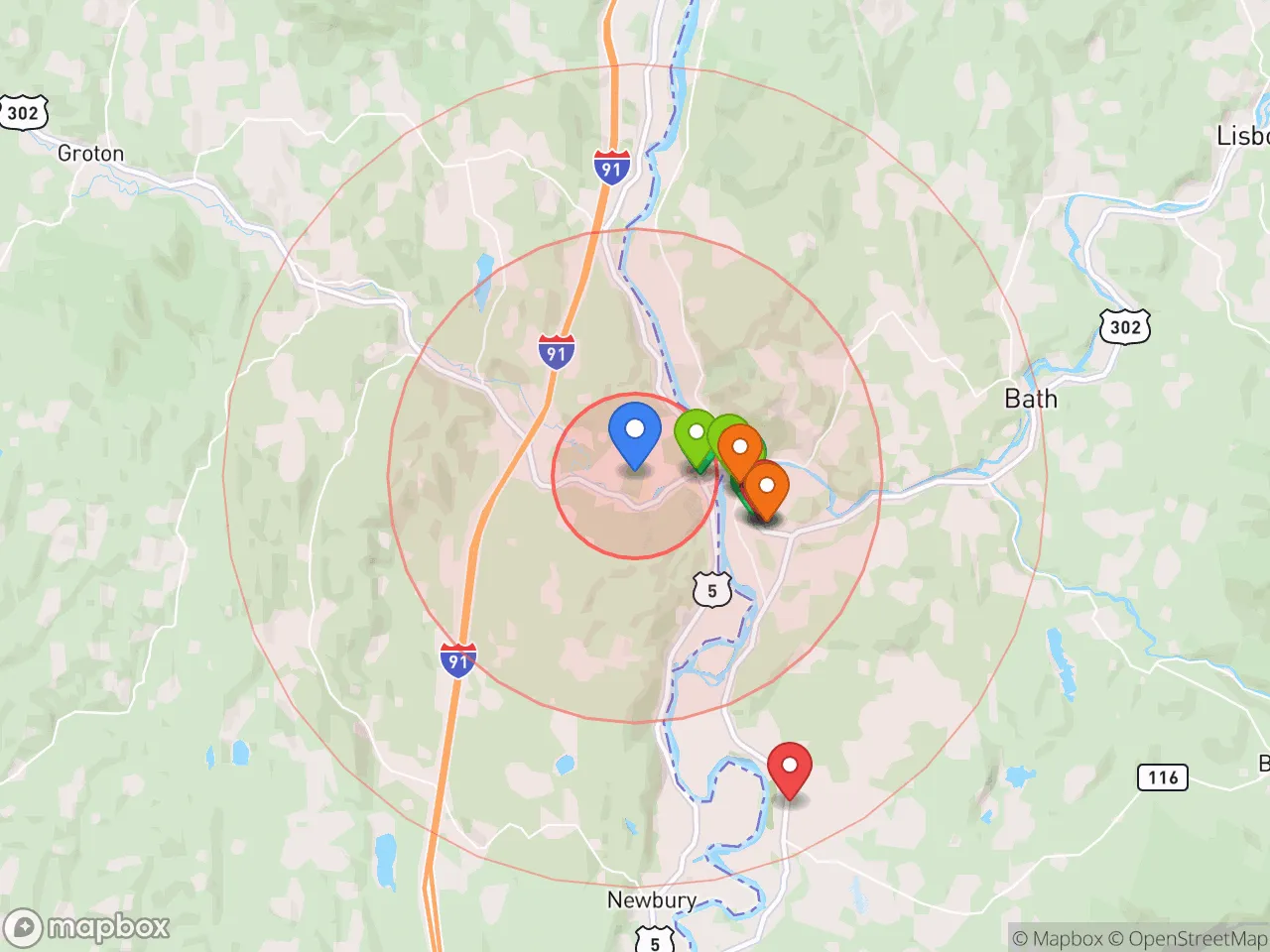
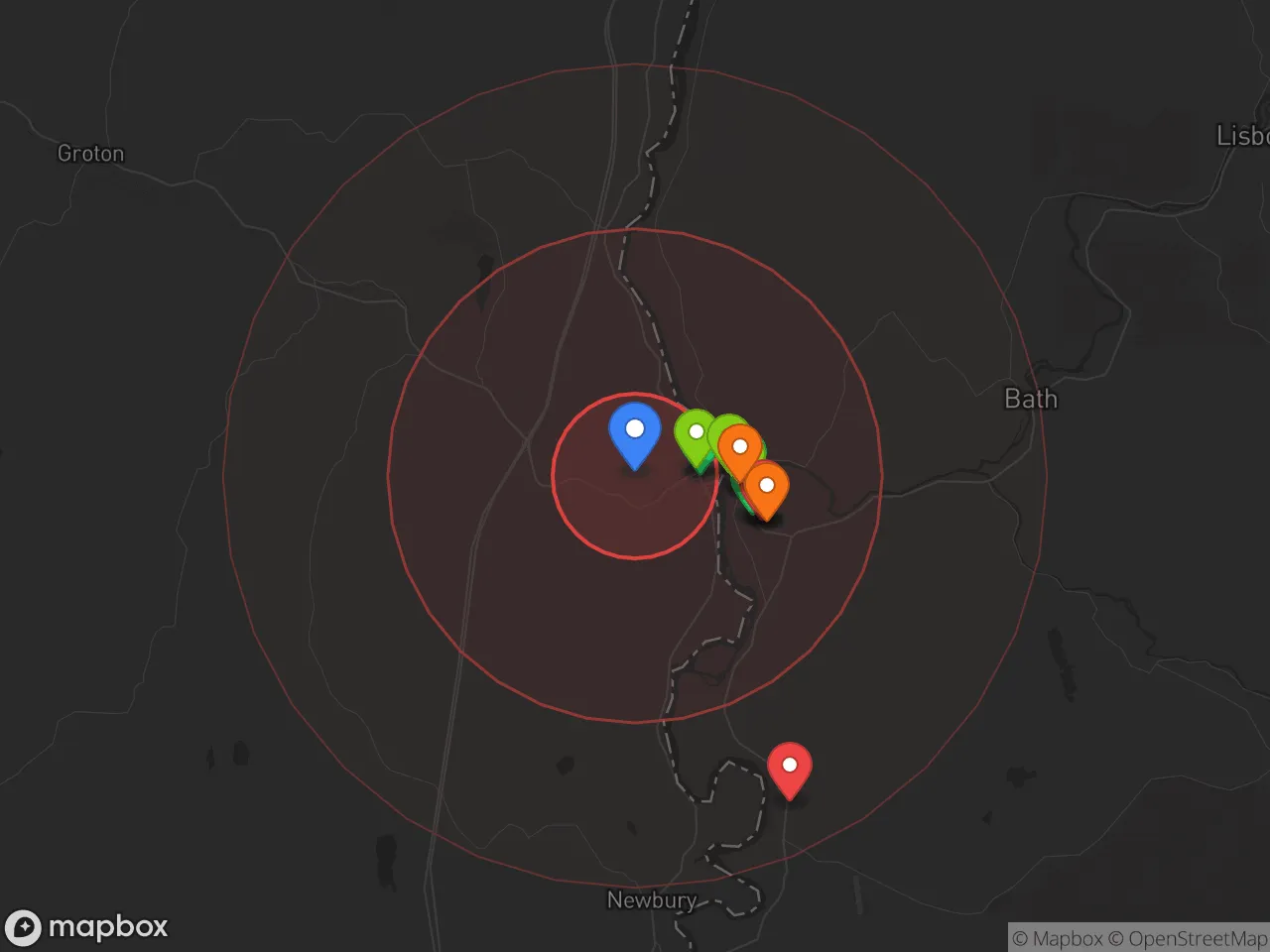
Hobbies
Explore the areaGroceries
2 within 10 miles
Gas
6 within 10 miles
Hospital
2 within 20 miles
Airport
PDX — Portland International Jetport
Post Office
USPS — Woodsville, NH
Critical Amenities
Quality-of-Life Analysis
Wells River, Vermont, offers a notably affordable quality of life, with a cost of living index of 62—38% below the U.S. average—making it one of the more budget-friendly communities in the Upper Connecticut River Valley. The area attracts a mix of retirees seeking quiet rural living, remote workers drawn by low housing costs, and families priced out of neighboring Hanover, NH, or St. Johnsbury. Median home values sit at $160,800, and median rent is just $755, figures that stand in stark contrast to the $400,000+ median home prices found 25 miles south in the Upper Valley’s more affluent towns.
Housing costs and affordability compared to nearby towns
Wells River’s housing market is a primary draw for newcomers. The median home value of $160,800 is roughly half that of St. Johnsbury (around $220,000) and less than a third of Hanover, NH’s median (over $600,000). Renters also benefit: the median rent of $755 is about 30% lower than the Vermont statewide average of $1,100. However, the trade-off is a limited housing inventory—most homes are older single-family houses or mobile homes, with few new construction options. Property taxes in Wells River (part of the Orange East Supervisory Union) run about 1.8% of assessed value, slightly below the state average of 1.9%, keeping monthly carrying costs manageable for buyers. For comparison, a similar home in nearby Woodsville, NH, just across the river, would carry a property tax rate closer to 2.1%.
Local amenities, schools, and daily life rhythm
Daily life in Wells River centers on the village’s compact downtown along U.S. Route 5, anchored by the Wells River Savings Bank, a post office, and a handful of small businesses like the Village Restaurant. For groceries and major shopping, residents drive 10 minutes north to St. Johnsbury (Shaw’s, Walmart) or 20 minutes south to Bradford. The area’s schools are part of the Blue Mountain Union School District, which serves pre-K through 12th grade in a single campus about 8 miles east in Wells River village itself—the district’s elementary and high school both sit on the same property. The school’s student-teacher ratio of 11:1 is better than the state average of 12:1, though test scores in math and reading hover around the 40th percentile nationally. Outdoor recreation defines the rhythm of life: the Connecticut River runs along the village’s eastern edge, offering fishing and flatwater paddling, while the 93-mile Cross Vermont Trail passes through town. The nearest hospital is Cottage Hospital in Woodsville (3 miles), and the closest urgent care is in St. Johnsbury (12 miles).
Wells River is best suited for those who prioritize low housing costs and a quiet, rural lifestyle over urban amenities or high-performing schools. Retirees on fixed incomes, remote workers with reliable internet (fiber is available through Consolidated Communications), and outdoor enthusiasts will find the affordability compelling. Families should weigh the school district’s modest academic performance against the financial savings—a home here costs roughly $300,000 less than a comparable property in Hanover, a gap that can fund private school tuition if desired. The village’s walkable core and proximity to the Connecticut River add genuine charm, but the lack of a grocery store, pharmacy, or sit-down dining within walking distance means a car is essential. For those comfortable with that trade-off, Wells River delivers a cost of living that is among the lowest in Vermont’s Upper Valley region.

Crime in Wells River, VT
Generally safer than 71% of comparable U.S. locations.
Violent CrimeViolent Crime Analysis
Property CrimeProperty Crime Analysis
Crime Analysis
Wells River, Vermont, presents a mixed safety profile for potential residents. The village's violent crime rate of 213.8 incidents per 100,000 people is notably lower than the national average, but its property crime rate of 1,415.9 per 100,000 exceeds both state and national benchmarks, indicating a higher risk for theft and burglary. This combination means that while violent confrontations are relatively rare, residents face a tangible threat to their personal property and sense of security at home.
Crime in context
Wells River's violent crime rate is roughly 40% lower than the U.S. average, placing it in a safer tier for serious offenses like assault and robbery. However, the property crime rate is approximately 25% higher than the national figure, driven largely by larceny and vehicle theft. This disparity is common in small, rural communities that serve as transit corridors—Wells River sits along the Connecticut River and near Interstate 91, which can attract transient property crime. Vermont's statewide property crime rate is already elevated compared to its low violent crime baseline, and Wells River's numbers reflect that broader trend, though they are slightly above the state average for its population size.
What residents experience
Daily life in Wells River is generally quiet, but residents report that unlocked vehicles and outbuildings are frequent targets. The village's small size means most crime is opportunistic rather than organized. Local law enforcement, provided by the Vermont State Police and the Orange County Sheriff's Department, is responsive but stretched thin across a large rural area. The justice system in Vermont, including in Orange County, has been influenced by progressive policies that prioritize diversion programs and reduced incarceration for non-violent offenders. While these programs aim to address root causes of crime, critics argue they result in shorter sentences and quicker returns to the community for repeat property offenders, which can frustrate victims and create a perception of leniency. For residents, this means that while a violent crime is unlikely, the odds of experiencing a theft or break-in are real, and the legal recourse may feel unsatisfying.
Neighborhood-level variation
Crime in Wells River is not evenly distributed. The village core, centered on Main Street and the railroad crossing, sees the highest concentration of property incidents, particularly around the few commercial properties and the post office. Outlying residential areas and farmsteads experience far fewer incidents, though they are not immune to isolated thefts. There are no clearly defined "high-crime" neighborhoods in the traditional urban sense; instead, risk correlates with proximity to the main road and public access points. New residents moving to the quieter, more rural edges of Wells River will likely find the safety picture more favorable, while those living near the village center should take standard precautions like securing vehicles and installing outdoor lighting.
* Values derived from national, state, county, city and local statistics and may differ in a specific area. Last updated: 2026-04-21T22:54:52.000Z
Narrative content on this page is AI-generated and may contain mistakes. Verify any details that matter before acting on them.
ReloMaps may earn a commission from affiliate links at no extra cost to you.

