Photo: Wikipedia
Strategic Assessment of West Burke, VT
Meaningful friction. Expect exposure to either population pressure, blast zones, or natural disaster risk. Consider buying a retreat property.
What does the Strategic Assessment tell us?
Our Strategic Assessment grades tactical survivability of an area. Major population centers, military targets, fallout zones, natural disasters, and border exposure all drive risk — lower exposure means a more defensible position in a crisis.
This is heavily inspired by Joel Skousen's Strategic Relocation book. Highly recommended you checkout the book ($)What does this tell us?
Our Strategic Assessment grades tactical survivability of an area. Major population centers, military targets, fallout zones, natural disasters, and border exposure all drive risk — lower exposure means a more defensible position in a crisis.
This is heavily inspired by Joel Skousen's Strategic Relocation book. Highly recommended you checkout the book ($)Strategic Pillars

Key Distances
Regional Safe Places
Below is our recommended "safe zones" in Vermont and the surrounding area based on our strategic heuristics. For most people, it's unrealistic to live in a “safe zone” full-time due to work, family or other personal reasons. They tend to be more rural. However, many of these areas are perfect for second homes and retreat properties that double as a vacation home or even a short-term rental.
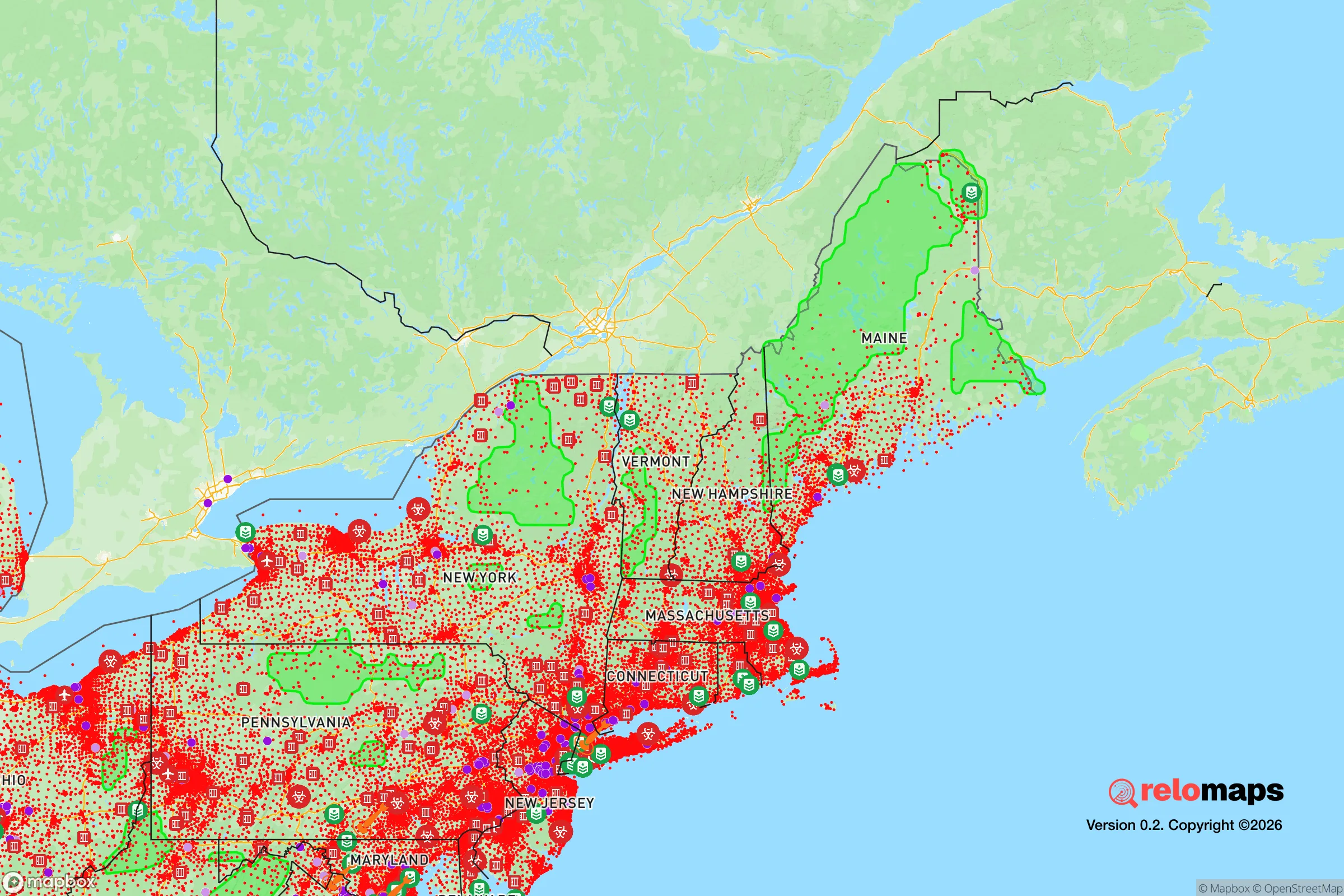
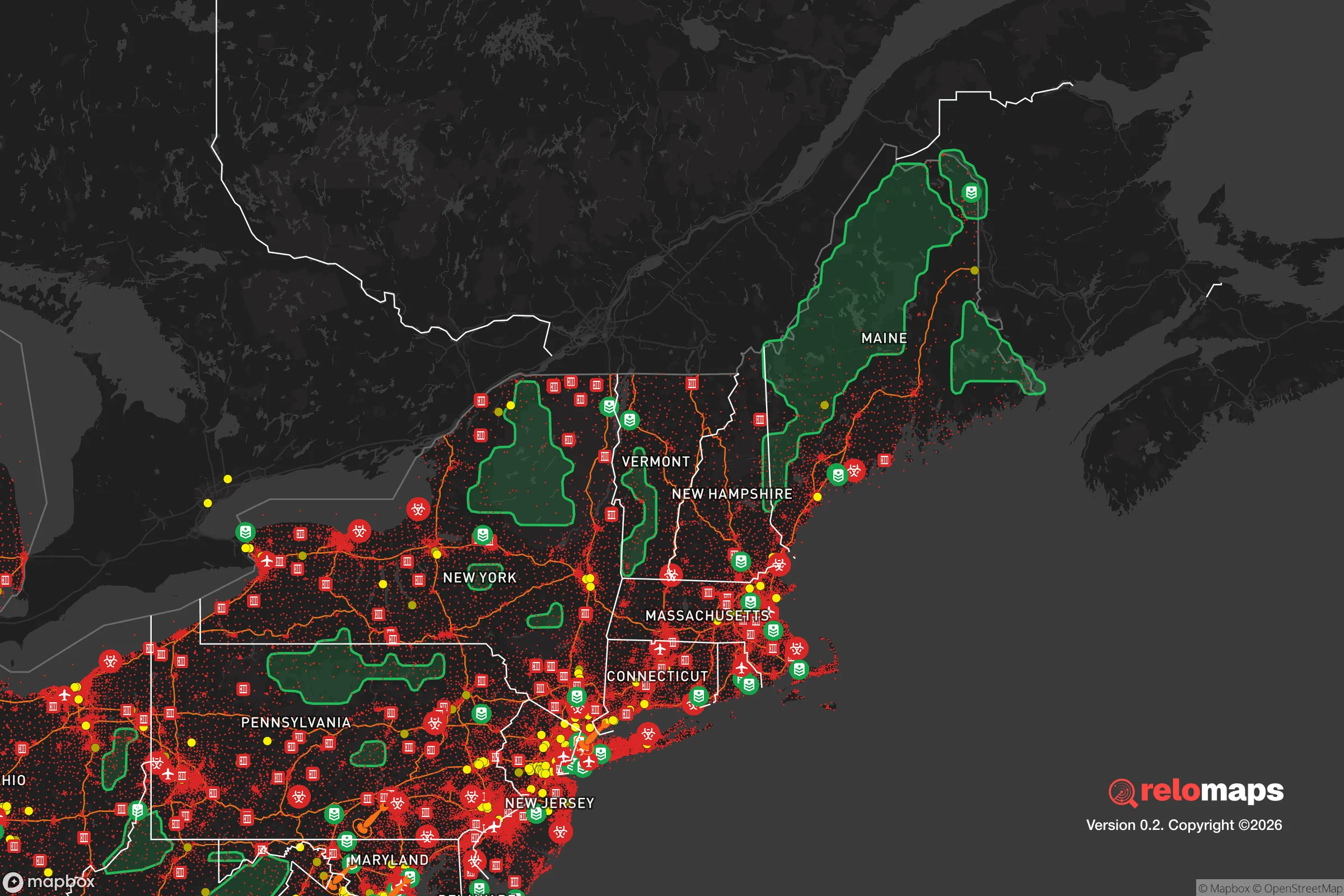


Important Note: For informational purposes only. This does not mean nothing bad ever happens in the green zones. Please use common sense. This is based on public data and modeled with AI. We tried to take a conservative approach but mistakes happen. We update this regularly as new information becomes available.
Solar Generator Recommendations
Backup power matters more here than in safer locations. We've picked three solar generators across budgets and capacity tiers — start with the budget unit if you only need a few essentials, or step up if you want to run a fridge and HVAC for days at a time.

Jackery Portable Power Station Explorer 300
Budget OptionPower on the Go: Weighing only 11 lbs, it's convenient to set up and store with book-sized foldable solar panels

BLUETTI Portable Power Station AC180
Designed for both indoor and outdoor scenarios, AC180 is highly capable as it has a robost capacity and continuous output power.

EF ECOFLOW DELTA Pro Ultra Power Station
Upgraded PickEcoFlow DELTA Pro Ultra is a whole-home energy system designed to grow with your family. Integrated with the Smart Home Panel 2, it scales to meet your evolving energy needs — keeping your home powered, intelligent, and secure through every stage of life.
We earn a commission, at no additional cost to you.
Strategic Assessment Analysis
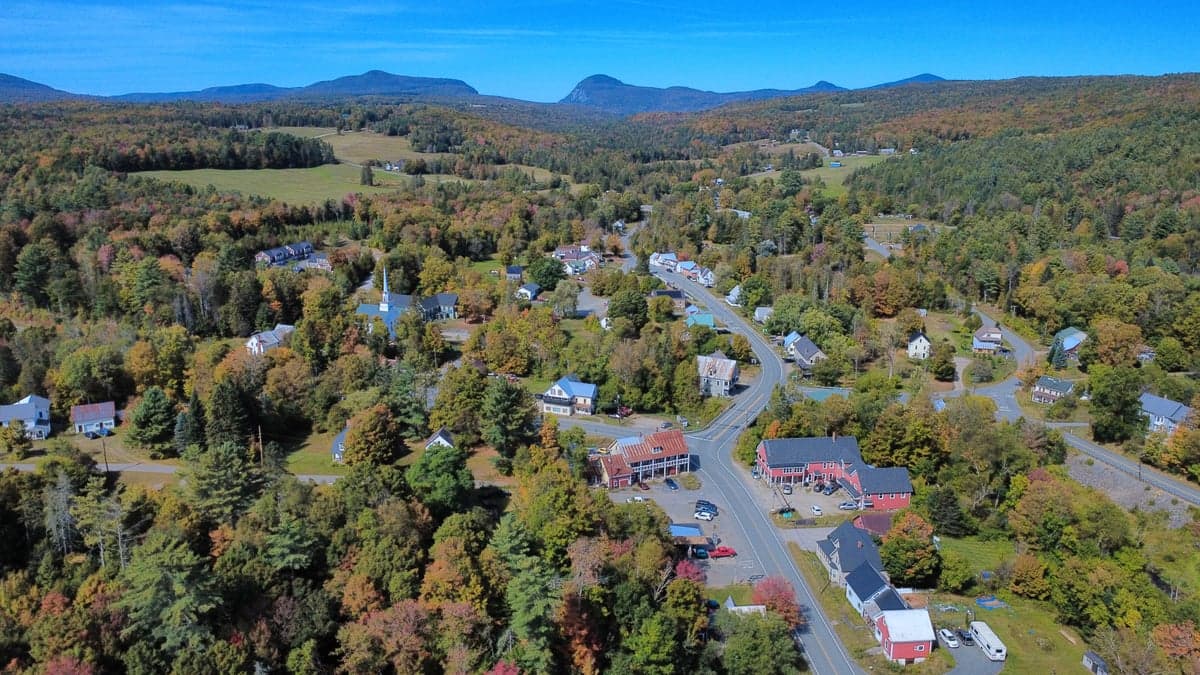
West Burke, Vermont, offers a strategic relocation option for those prioritizing resilience, offering a combination of geographic isolation and access to critical resources that is increasingly rare in the lower 48. This small, unincorporated village in the Northeast Kingdom sits far from major population centers, reducing exposure to the cascading effects of urban unrest, grid failure, or a mass casualty event. Its location in a sparsely populated, heavily forested region near the Canadian border provides a natural buffer against the chaos that could emanate from larger cities like Burlington or Montreal, while still allowing for practical resupply and community networking.
Geographic position and natural advantages for long-term security
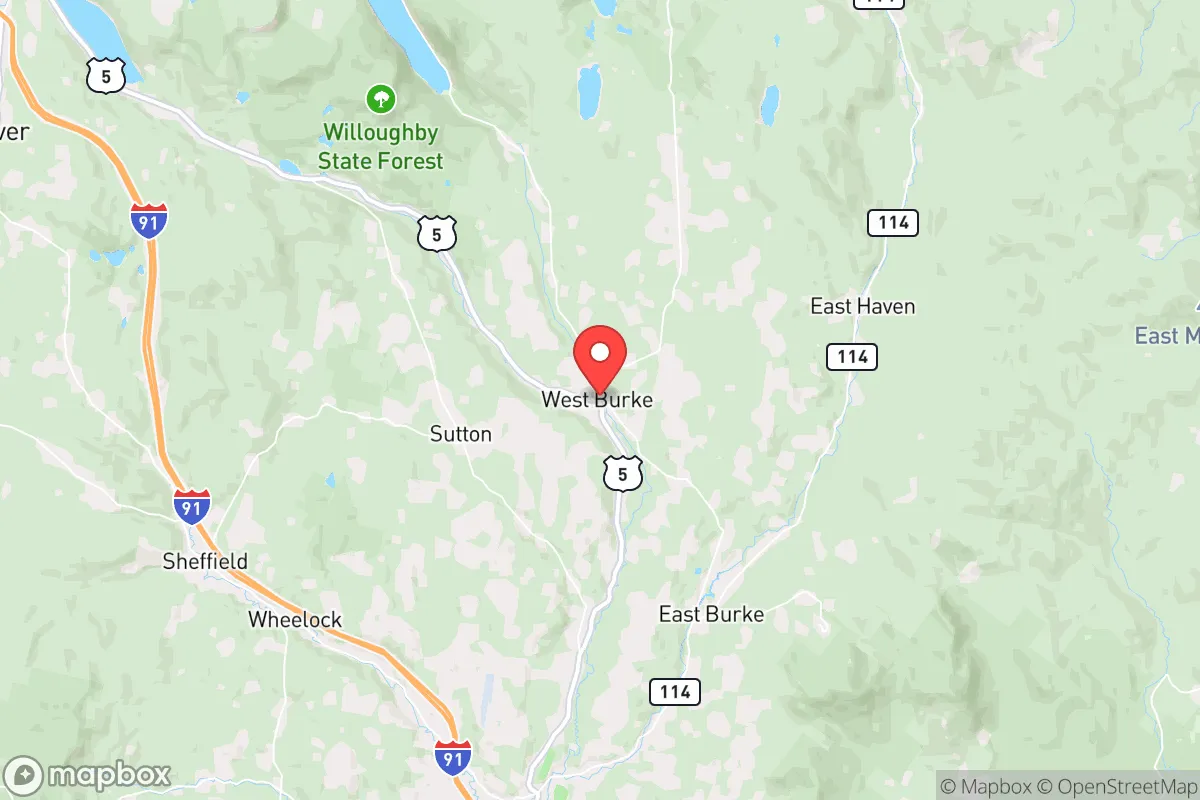
West Burke’s primary strategic asset is its position within the Northeast Kingdom, a region defined by low population density, rugged terrain, and a climate that discourages casual migration. The village sits at the intersection of U.S. Route 5 and Vermont Route 114, providing two viable ground routes for egress or resupply, but neither is a major highway that would funnel large numbers of people from the south. The surrounding landscape is dominated by the Willoughby State Forest and the Victory Basin Wildlife Management Area, offering thousands of acres of public land for foraging, hunting, and timber. The nearby Burke Mountain, while modest in elevation, provides a defensible high ground with line-of-sight advantages for monitoring approach routes. The area’s cold winters and deep snowpack act as a natural deterrent to transient populations and limit the operational window for any large-scale movement through the region, which is a net positive for a prepared individual or family.
Risks, exposures, and proximity to fallout-relevant landmarks
The most significant risk for West Burke is its proximity to the Canadian border, specifically the crossing at Norton, Vermont, about 15 miles north. In a scenario of widespread civil unrest or a breakdown of federal authority, the border could become a vector for uncontrolled migration or smuggling, though the remote crossing points in this area are lightly staffed and easily monitored. The village is roughly 60 miles from the Vermont Yankee nuclear site in Vernon, which is now decommissioned but still stores spent fuel on site—a potential target for sabotage or a secondary disaster. More concerning is the distance to the Seabrook Station nuclear plant in New Hampshire, about 120 miles southeast, which is within the 50-mile ingestion exposure zone for a major release. However, the prevailing winds in this region typically carry fallout eastward toward the Atlantic, reducing direct risk. The nearest large city is Montreal, 90 miles north, which in a collapse scenario would likely become a humanitarian crisis zone, but the border and the Green Mountains provide a significant buffer. The primary natural risk is winter storms and ice events that can knock out power for weeks, but this is a manageable threat for anyone with a wood stove and stored supplies.
Practical resilience for a relocator: food, water, energy, and defensibility
For a relocator focused on self-sufficiency, West Burke offers a workable baseline. The area has abundant surface water from the West Branch of the Passumpsic River and numerous smaller streams, all of which require filtration but are reliable year-round. The growing season is short—roughly 100 days—but the soil in the valley bottoms is adequate for root vegetables, greens, and hardy grains if amended. Local agriculture is limited to small dairy operations and a few organic farms, so a relocator should plan to establish their own garden or greenhouse. The surrounding forests provide ample firewood for heating and cooking, and the state allows for personal timber harvesting with a simple permit. Solar potential is moderate due to frequent cloud cover, but a small off-grid system paired with a generator and a wood stove is a realistic setup. Defensibility is strong: the village is small enough that unfamiliar vehicles or people are immediately noticed, and the surrounding hills provide natural chokepoints on the two main roads. The local population is predominantly older, with a strong independent streak and a general distrust of federal overreach, which aligns well with a conservative prepper mindset. The nearest hospital is in St. Johnsbury, 20 minutes south, but for anything beyond basic trauma care, a relocator should have a robust medical kit and training.
The overall strategic picture for West Burke
West Burke is not a bug-out location for a weekend—it is a long-term settlement for those willing to endure harsh winters and limited social amenities in exchange for genuine security. The area’s low profile, lack of strategic targets, and distance from major population centers make it one of the better options in the Northeast for weathering a prolonged national crisis. The trade-offs are real: employment is scarce outside of logging, tourism, and remote work, and the social scene is minimal. But for a single individual or a family who values preparedness, community cohesion, and the ability to live without constant dependence on fragile supply chains, West Burke offers a defensible, resource-rich base of operations. The key is to arrive before the crisis, build relationships with neighbors, and invest in winter-ready infrastructure. In a world where the grid is fragile and civil order is uncertain, this corner of Vermont provides a quiet, resilient anchor.

* Values derived from national, state, county, city and local statistics and may differ in a specific area. Last updated: 2026-04-19T09:19:37.000Z
Narrative content on this page is AI-generated and may contain mistakes. Verify any details that matter before acting on them.
ReloMaps may earn a commission from affiliate links at no extra cost to you.

