Photo: Wikipedia
Find The Best Places To Live in Randolph County
PRO TIP! You can paste a Zillow or Redfin link to get info on that property.
Best Places to Live in Randolph County
Cities & Towns in Randolph County
Cities in Randolph County
What It's Like Living in Randolph County, WV
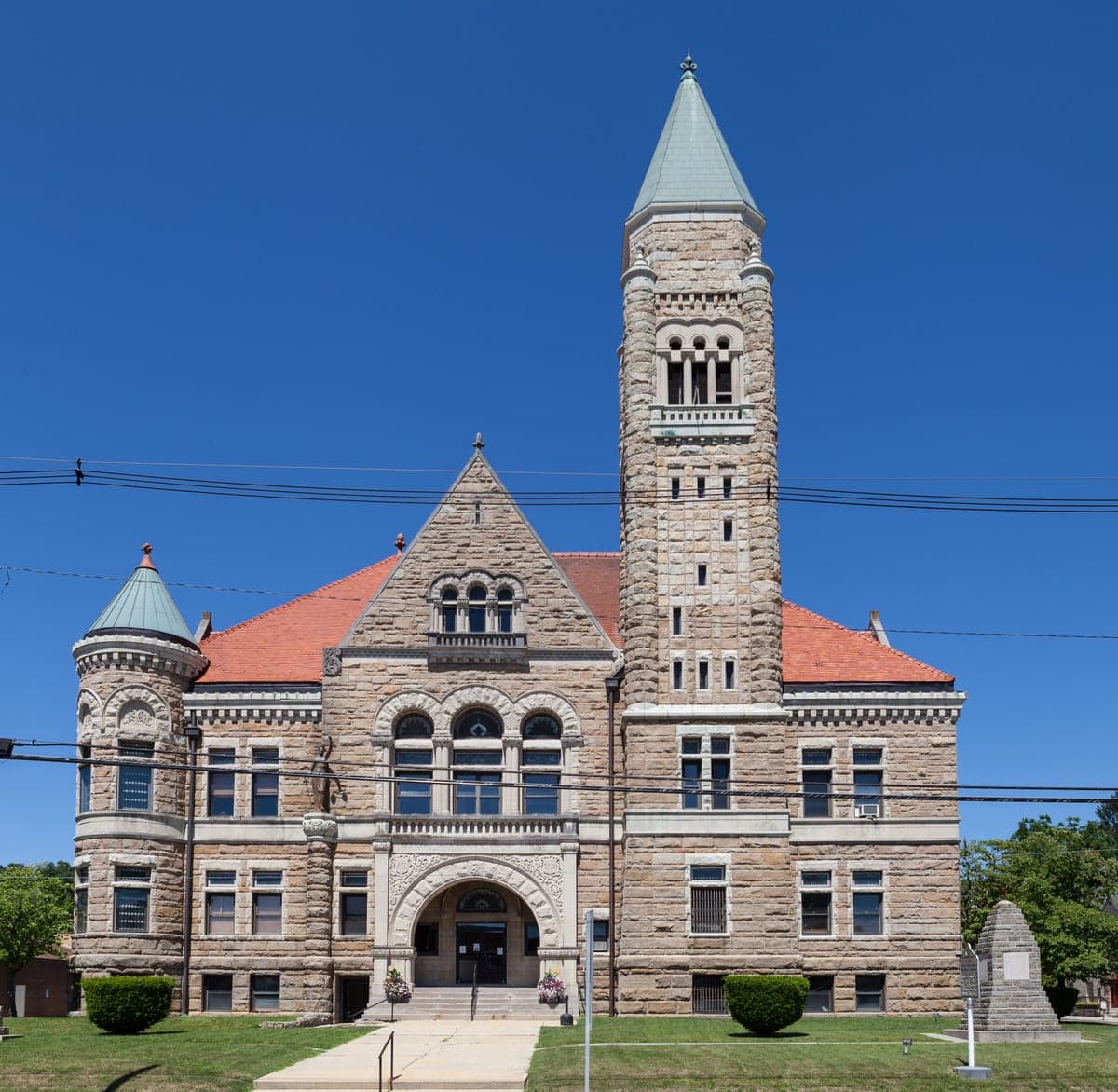
Living in Randolph County, West Virginia, feels a bit like stepping into a quieter, more deliberate version of American life—one where the mountains aren’t just a backdrop but a daily presence. The county seat, Elkins, is the social and commercial hub, while smaller communities like Beverly, Coalton, and the rural stretches around Montrose and Harman offer a slower pace. This is a place where people know their neighbors, where Friday nights are for high school sports, and where the cost of living is low enough that a median income of $55,057 actually stretches further than you’d expect.
The Daily Rhythm: Small-Town Pace, Big Outdoor Access
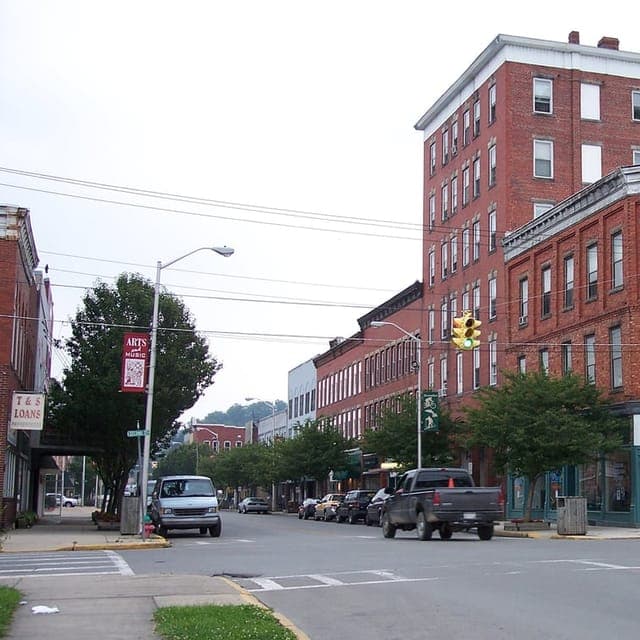
Most mornings in Randolph County start with a commute that averages just under 21 minutes—a far cry from the hour-long slogs in larger metro areas. People in Elkins might grab coffee at a local spot like The Purple Fiddle or the Beander’s coffee shop before heading to work at Davis Health System, the county’s largest employer, or at one of the many small manufacturing and retail businesses that dot the area. The median age here is 44.2, which means you’ll find a mix of young families, empty-nesters, and retirees who’ve chosen the mountains for their peace and quiet. Shopping is practical: you’ll hit the Walmart in Elkins for groceries, but for a real taste of local life, the Randolph County Farmers Market in downtown Elkins is where you’ll find fresh produce, baked goods, and a chance to catch up with neighbors.
Weekends are often spent outdoors. The Monongahela National Forest covers a huge chunk of the county, offering hiking, fishing, and hunting that’s practically in people’s backyards. The Tygart Valley River runs through Elkins and Beverly, and it’s common to see folks fly-fishing or kayaking on a warm Saturday. In winter, the Snowshoe Mountain Resort is just a short drive south, drawing skiers and snowboarders from across the region. For a quieter day, the historic Beverly Depot or the old covered bridges around the county make for a nice drive. The cost of living index sits at 61—well below the national average—so a median home value of $137,800 can buy you a solid three-bedroom house with a yard, something that’s increasingly out of reach in pricier parts of the country.
Sports, Community, and the Local Identity
High school sports are a genuine centerpiece of community life here. Elkins High School’s football and basketball games draw big crowds, and the rivalry with nearby Philip Barbour High School in Belington is the kind of thing that gets people talking all week. There’s no pro sports team in the county, but the West Virginia University Mountaineers in Morgantown—about 90 minutes north—are a major point of pride, with many households planning game-day trips or gathering at local bars like the El Gran Sabor or the Ice House to watch. The county’s identity is deeply tied to its Appalachian roots: the Mountain State Forest Festival, held every fall in Elkins, is a huge deal, with parades, a queen’s coronation, and logging competitions that celebrate the area’s timber heritage. It’s the kind of event where you’ll see three generations of the same family strolling down the same streets.
Cultural quirks are real here. People in Randolph County tend to be self-reliant and direct, and there’s a strong sense of “we take care of our own.” You’ll hear local accents that soften the “r” in “mountain” and “creek,” and the pace of conversation is slower—people aren’t in a hurry. The political leanings are generally conservative, with a focus on gun rights, local control, and traditional values, but there’s also a live-and-let-live attitude that makes room for the artists and musicians who’ve settled in the area for its beauty and low rent. The violent crime rate of 229.7 per 100,000 is slightly above the national average, but most residents will tell you that property crime—like someone stealing a lawnmower from a shed—is the bigger annoyance, and that the county feels safe overall, especially in the smaller towns.
Pros and Cons: What You’ll Love and What Might Frustrate
The biggest upside is the sheer affordability. With a cost of living index of 61, your money goes a long way, and the median home value of $137,800 means you can own a home on a modest income. The outdoor access is world-class—you’re minutes from national forest land, and the scenery is genuinely stunning, especially in the fall. The community is tight-knit; if you’re the kind of person who wants to know your neighbors and be part of something, you’ll find it here. The commute is a breeze, and the schools—like Elkins High School and the Randolph County Technical Center—are deeply embedded in the community, with strong support from parents and local businesses.
On the flip side, the downsides are real. Only 19.0% of adults have a college degree, which limits the professional job market—most well-paying jobs are in healthcare, education, or government, and if you’re in tech or finance, you’ll likely be working remotely or commuting. The median income of $55,057 is lower than the national average, and while it goes far here, it can feel tight if you’re supporting a family. The weather is a factor: winters are long, cold, and snowy, with some years seeing over 100 inches of snow in the higher elevations around Harman and Montrose. That means snow tires, a reliable four-wheel-drive vehicle, and a willingness to hunker down for a few days at a time. Entertainment options are limited—there’s no big-city nightlife, no major concert venues, and the closest airport is in Clarksburg, about an hour away. If you’re someone who craves constant stimulation, diverse dining, or a fast-paced social scene, Randolph County will feel too quiet. But if you value space, nature, and a community that actually knows your name, it’s a place that can feel like home from the first winter you spend watching the snow pile up outside your window.

* Values derived from national, state, county, city and local statistics and may differ in a specific area. Last updated: 2026-07-30T14:01:10.000Z
Narrative content on this page is AI-generated and may contain mistakes. Verify any details that matter before acting on them.
ReloMaps may earn a commission from affiliate links at no extra cost to you.

