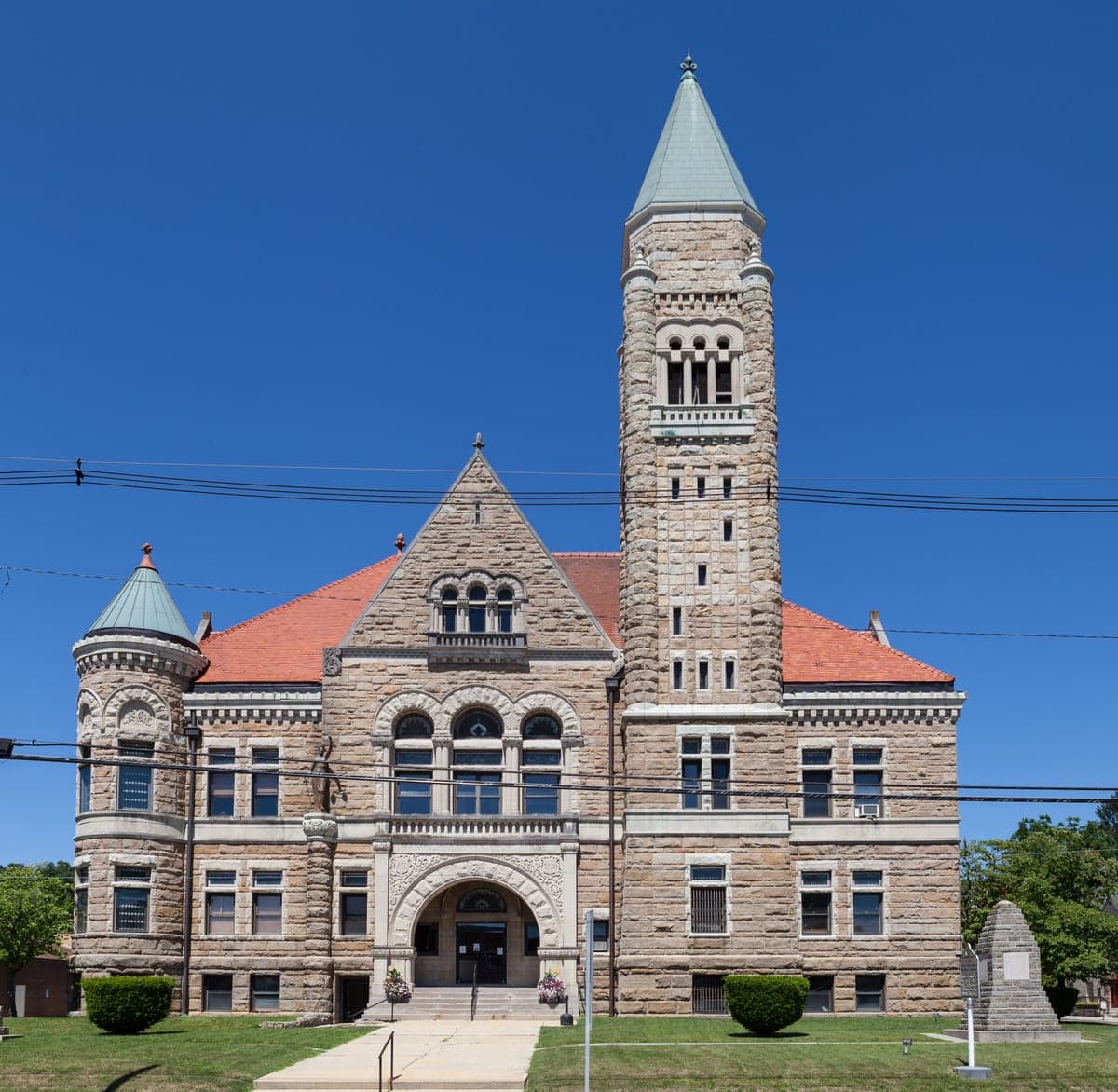
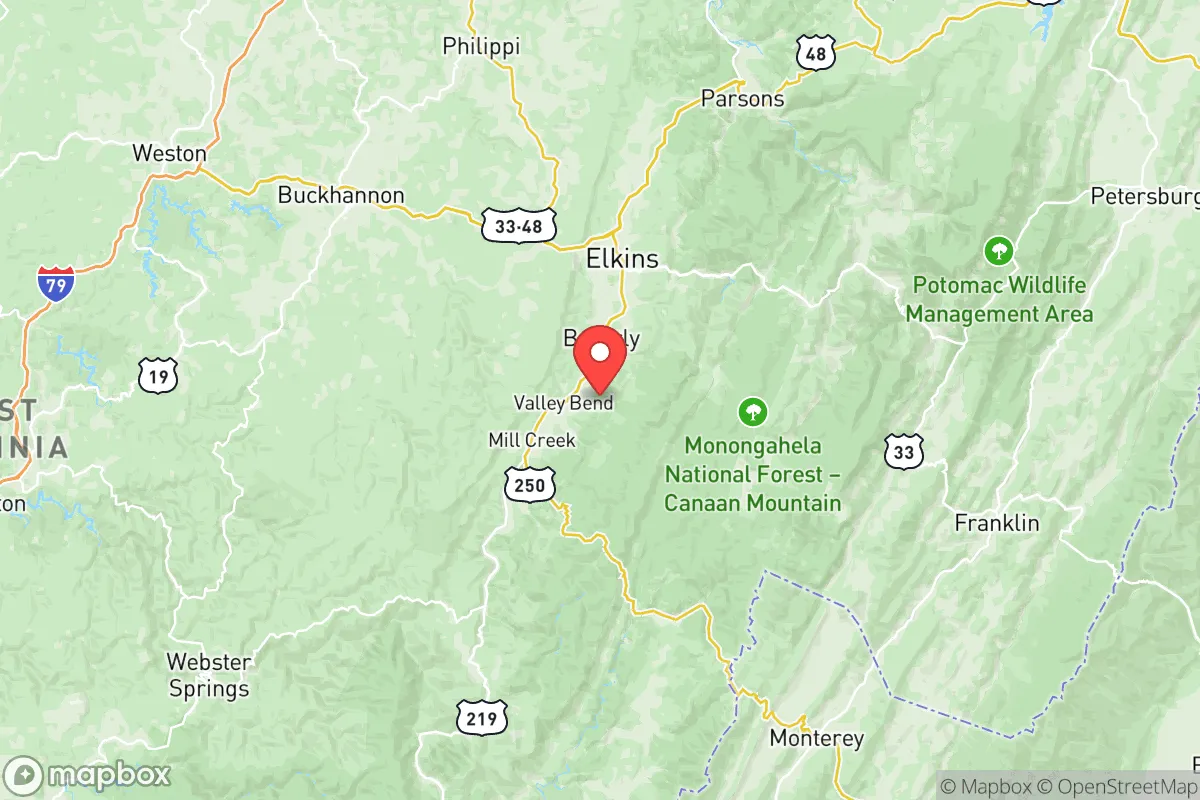
Photo: Wikipedia
Quality of Life in Randolph County
A livable area that tracks near national norms for affordability, walkability, and neighborhood health.
What does Quality of Life tell us?
Quality of Life measures an area by evaluating factors like cost of living, nearby amenities, country club access, airport proximity, socioeconomic signals and neighborhood character. For large states, this is a general average — quality of life can vary dramatically between metro areas, suburbs, and rural communities within the same state.
What does this tell us?
Quality of Life measures an area by evaluating factors like cost of living, nearby amenities, country club access, airport proximity, socioeconomic signals and neighborhood character. For large states, this is a general average — quality of life can vary dramatically between metro areas, suburbs, and rural communities within the same state.
Cost of Living
39% below national average
140%
The Real Cost of Living in Randolph County for 2026
| Tier | Individual | Family (4) |
|---|---|---|
| Survival | $13k | $24k |
| Comfortable | $27k | $39k |
| Luxury | $90k+ | $140k+ |
| Elite (Top 5%) | $106k+ | $165k+ |
Quality-of-Life Analysis
Randolph County, West Virginia, offers a quality-of-life spectrum that ranges from the walkable, amenity-rich town of Elkins to deeply rural, forested hollows where residents live on large parcels of land. The county’s overall cost of living index of 61 (100 = U.S. average) and median home value of $137,800 make it one of the most affordable places in the Mid-Atlantic, attracting a mix of Appalachian State University students, remote workers seeking low housing costs, and retirees drawn to the Monongahela National Forest. The character of daily life shifts noticeably depending on whether one lives in the county seat, a smaller incorporated town, or an unincorporated rural pocket.
Largest town(s) & population centers
Elkins is the county’s undisputed hub, home to roughly 7,000 residents and the main concentration of jobs, retail, and services. Daily life here centers around the Davis & Elkins College campus, the historic downtown along Third Street, and the nearby Elkins-Randolph County Airport. The town offers a walkable core with grocery stores, a hospital (Davis Medical Center), and a modest restaurant scene. Commute times average 20.9 minutes countywide, and Elkins residents typically have the shortest drives to work, often under 15 minutes. The median rent of $807 is attainable for service workers and students, though rental inventory is tight. Beverly, located just 5 miles south of Elkins, functions as a secondary population center with a quieter, more residential feel and a historic district centered on the Beverly Heritage Center. It is popular with families who want proximity to Elkins amenities but prefer a small-town atmosphere and larger lot sizes.
Smaller towns & rural pockets
Beyond the Elkins-Beverly corridor, Randolph County contains several distinct smaller communities. Coalton, a former railroad town of about 500 people, sits just east of Elkins and offers very low home prices (often under $100,000) and a strong sense of local identity. Huttonsville, 12 miles south of Elkins on US-219, is a tiny incorporated town (population ~200) that serves as a gateway to the Monongahela National Forest and the scenic Highland Scenic Highway. Valley Head and Whitmer are unincorporated communities in the county’s eastern mountains, where residents live on large wooded tracts and often commute 30–40 minutes to Elkins for work. These areas have no grocery stores or gas stations; residents rely on the larger towns for all shopping. The rural pockets near the Cheat Mountain and Otter Creek Wilderness areas attract outdoor enthusiasts who prioritize seclusion and recreational access over convenience.
Cost & lifestyle range
The cost of living varies modestly across the county but remains well below national averages everywhere. At the lower end, Coalton and the unincorporated area around Montrose offer median home values near $100,000 and rents as low as $600–$700 for older single-family homes. These areas appeal to first-time homebuyers and those on fixed incomes. At the higher end, Elkins’ historic district and newer subdivisions near the Elkins Country Club see home values from $180,000 to $250,000, with some renovated Victorians exceeding $300,000. The lifestyle difference is tangible: Elkins residents can walk to coffee shops and the library, while rural residents in Harman or Dry Fork may drive 25 minutes for a gallon of milk. Property taxes are uniformly low across the county (West Virginia’s effective rate is roughly 0.55%), so the main cost driver is housing type and location. The county’s low COL index of 61 means that even the priciest Elkins home is affordable compared to similar properties in Morgantown or Harrisonburg, VA.
Randolph County best suits people who value low housing costs, outdoor recreation, and a slower pace of life, and who are comfortable with limited retail and dining options. Remote workers, retirees, and families who prioritize space over urban amenities will find the most value in the rural pockets, while those who need walkability and services will gravitate to Elkins. The county’s broad range of home prices and community types means that a single person earning $35,000 can buy a home in Coalton, while a family with a $70,000 household income can afford a historic home in Elkins — a flexibility that is increasingly rare in the eastern United States.

Crime in Randolph County
Generally safer than 68% of comparable U.S. locations.
Violent CrimeViolent Crime Analysis
Property CrimeProperty Crime Analysis
Crime Analysis
Randolph County, West Virginia, presents a mixed safety picture that is significantly shaped by its rural character and the contrast between its small towns. With a violent crime rate of 229.7 per 100,000 residents and a property crime rate of 944.7 per 100,000, the county is safer than many national averages but faces localized challenges, particularly in its largest town, Elkins. Residents in outlying communities like Beverly, Coalton, and Mill Creek generally experience a quieter, lower-crime environment, while the county's judicial approach, rooted in a more traditional, conservative legal framework, tends to prioritize public safety over progressive reforms.
Crime in context
Randolph County's violent crime rate of 229.7 per 100,000 is roughly 38% lower than the national average of about 370 per 100,000, and it sits below the West Virginia state average of approximately 280 per 100,000. Property crime, at 944.7 per 100,000, is also well below the national rate of roughly 1,950 per 100,000 and is comparable to the state average. These figures place Randolph County among the safer rural counties in the Mountain State, though they mask significant variation between its communities. The county's district attorney's office, operating within a state that has not embraced progressive prosecutorial policies, generally pursues standard sentencing guidelines, which helps keep recidivism rates in check compared to jurisdictions with more lenient approaches.
What residents experience
Daily life for most Randolph County residents involves low exposure to serious crime. The most common incidents are property-related, such as theft from vehicles and burglaries, which tend to cluster in the more populated areas of Elkins, particularly near the downtown corridor and the Davis & Elkins College campus. Violent crime is rare but not absent; it is overwhelmingly concentrated in Elkins, where drug-related offenses and domestic disputes drive the numbers. In contrast, the towns of Beverly, Coalton, and Mill Creek report very few violent incidents, with property crime rates that are a fraction of Elkins'. The county's law enforcement, including the Randolph County Sheriff's Office and the Elkins Police Department, maintain a visible presence, and community policing efforts are common in the smaller towns. The absence of a large, progressive urban center means that the justice system here does not routinely implement policies like cash bail reform or reduced sentencing for non-violent offenders, which can lead to more criminals remaining on the streets in other parts of the country.
Neighborhood-level variation
Safety in Randolph County varies distinctly by location. Elkins, as the county seat and economic hub, has the highest crime concentration, with the area around the courthouse and the Route 219/33 intersection seeing more calls for service. However, even within Elkins, the residential neighborhoods west of the Tygart Valley River, such as the area near the Elkins Regional Airport, are notably safer. Beverly, just south of Elkins, is a historic town with a very low crime rate, making it a popular choice for families and retirees. Coalton and Mill Creek, both smaller communities, are considered extremely safe, with crime rates that are a fraction of the county average. The unincorporated areas of the county, including the mountainous regions around the Monongahela National Forest, have virtually no crime, though residents face greater isolation. For those considering a move, the data clearly shows that choosing a home outside of Elkins' core dramatically reduces the risk of property crime, while violent crime remains a low concern across the entire county.
* Values derived from national, state, county, city and local statistics and may differ in a specific area. Last updated: 2026-07-30T14:01:10.000Z
Narrative content on this page is AI-generated and may contain mistakes. Verify any details that matter before acting on them.
ReloMaps may earn a commission from affiliate links at no extra cost to you.

