Quality of Life in Westover Hills, TX
Above-average quality of iife. The area offers a reasonable cost of living, decent mobility, and a mix of neighborhood amenities.
What does Quality of Life tell us?
Quality of Life blends cost of living, nearby amenities, socioeconomic signals, and neighborhood character. City-level scores represent the whole municipality; individual neighborhoods can differ.
What does this tell us?
Quality of Life blends cost of living, nearby amenities, socioeconomic signals, and neighborhood character. City-level scores represent the whole municipality; individual neighborhoods can differ.
Cost of Living
298% above national average
The Real Cost of Living in Westover Hills, TX for 2026
| Tier | Individual | Family (4) |
|---|---|---|
| Survival | $67k | $125k |
| Comfortable | $571k | $840k |
| Luxury | $743k+ | $1.2M+ |
| Elite (Top 5%) | $863k+ | $1.3M+ |
30%
The Area Signal
A metric tracking the socioeconomic signals of the area.


Hobbies
Explore the areaGroceries
1 within 10 miles
Gas
0 within 10 miles
Hospital
3 within 20 miles
Airport
DFW — Dallas Fort Worth International
Post Office
USPS — Fort Worth, TX
Critical Amenities
Quality-of-Life Analysis
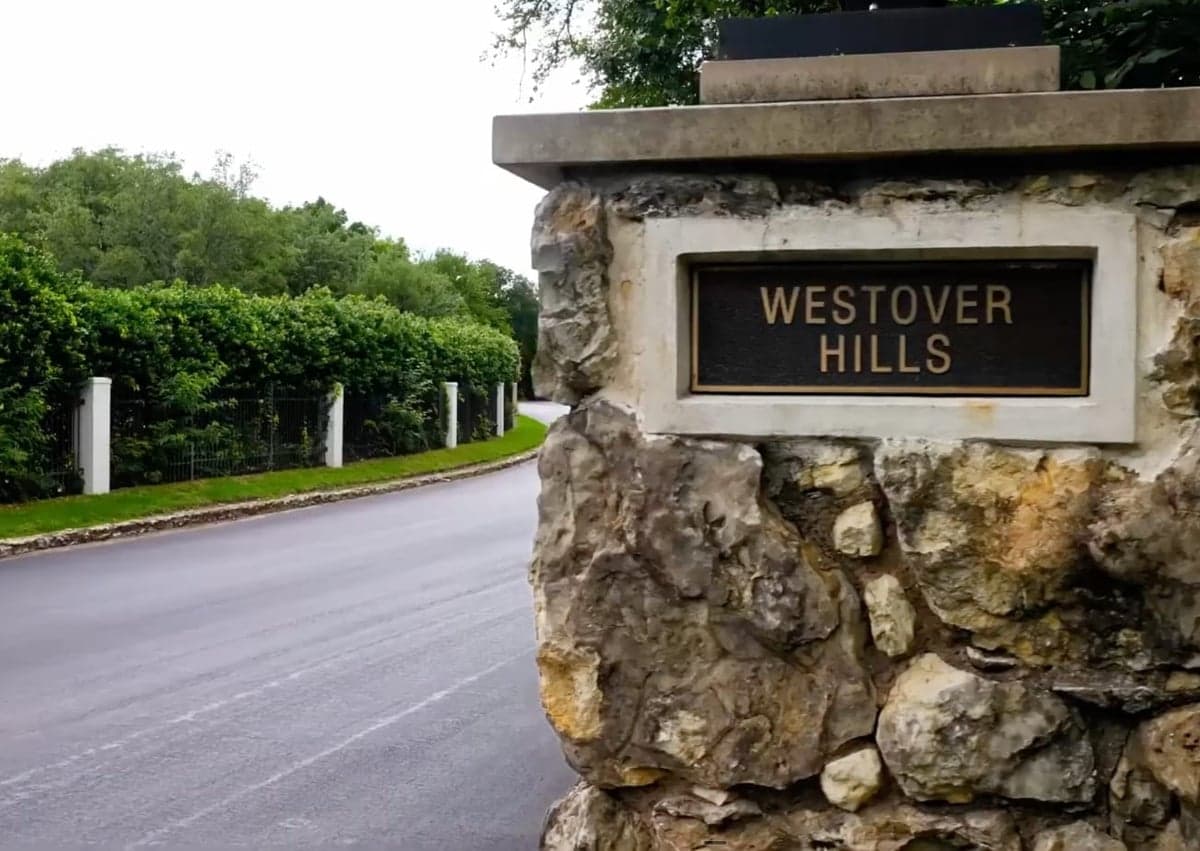
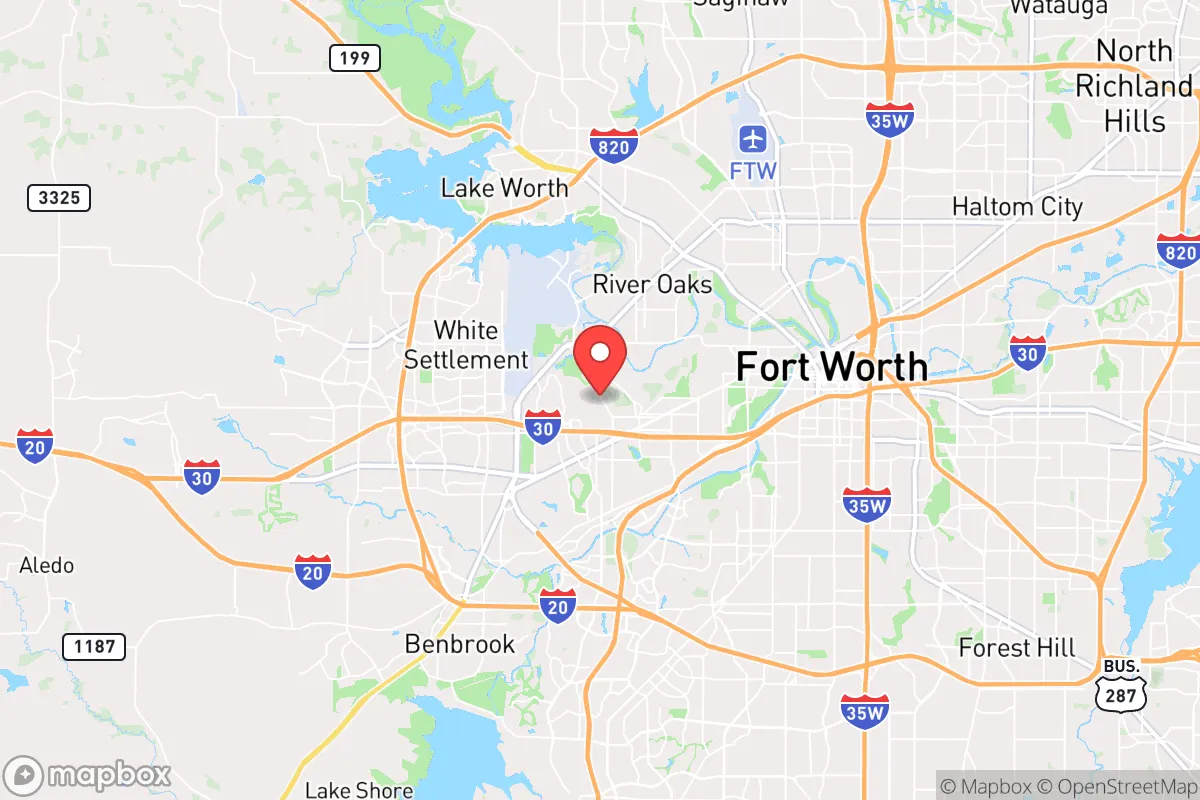
Westover Hills, an enclave of roughly 700 residents in Tarrant County, is one of the most affluent communities in the Dallas-Fort Worth metroplex, with a cost of living index of 398—nearly four times the national average. The town is home to a concentrated population of high-net-worth executives, entrepreneurs, and professionals who prioritize privacy, space, and proximity to Fort Worth’s business core. With a median home value of $2,000,001 and a median rent of $2,222, Westover Hills offers a lifestyle defined by exclusivity and low density, attracting those who can afford a premium for seclusion without sacrificing urban access.
Cost of living, housing, and affordability compared to Fort Worth and Dallas
Westover Hills’ cost of living index of 398 is dramatically higher than the national baseline of 100 and far exceeds the Dallas-Fort Worth regional average of around 100–105. The median home value of $2,000,001 places it among the most expensive ZIP codes in Texas, while the median rent of $2,222 is actually moderate relative to the home prices—reflecting a rental market that is small and skewed toward high-end leases. For context, nearby Fort Worth’s median home value is roughly $350,000, and Dallas’s is around $400,000, making Westover Hills roughly five to six times more expensive to buy into. Property taxes in Tarrant County average about 2.3% of assessed value, meaning annual tax bills on a $2 million home can exceed $46,000—a significant ongoing cost that reinforces the area’s exclusivity. The housing stock consists almost entirely of custom-built estates on large lots, with no new construction or multifamily developments, so inventory is extremely limited and turnover is low.
Schools, amenities, and what daily life is like for residents
Westover Hills is served by the Fort Worth Independent School District, with zoned schools including Westover Hills Elementary (rated A by Niche), McLean Middle School, and Paschal High School—all of which benefit from strong parent involvement and high per-pupil spending. Private school enrollment is also common, with nearby options like Fort Worth Country Day School and All Saints Episcopal School. Daily life revolves around the quiet, tree-lined streets and large private estates; there are no commercial districts, restaurants, or retail within town limits. Residents drive a few minutes to the West 7th Street corridor for dining and nightlife, or to the Cultural District for museums like the Kimbell Art Museum and the Fort Worth Botanic Garden. The town has no parks of its own, but the nearby Trinity Trails system offers 70+ miles of paved paths for cycling and running. The community is governed by a small town council, and police services are provided by a dedicated force that keeps crime rates extremely low—violent crime is virtually nonexistent, and property crime is rare.
Westover Hills is best suited for wealthy families, corporate executives, and retirees who value extreme privacy, low density, and a suburban feel within minutes of downtown Fort Worth. It is not a fit for renters, first-time buyers, or anyone seeking walkable amenities or a diverse housing stock. Those who thrive here are willing to pay a steep premium for a gated-like atmosphere, top-rated public schools, and the ability to own a large estate on a quiet street while remaining 10 minutes from the city’s cultural and business hubs.

Crime in Westover Hills, TX
Lower crime rates than 96% of comparable U.S. locations.
Violent CrimeViolent Crime Analysis
Property CrimeProperty Crime Analysis
Crime Analysis
Westover Hills, an affluent enclave of approximately 700 residents within Tarrant County, reports a violent crime rate of 0 per 100,000 residents and a property crime rate of 313 per 100,000, making it one of the safest municipalities in the Dallas-Fort Worth metroplex. These figures place the town far below both state and national averages, a reality shaped by its small population, high property values, and limited public access. However, the broader Fort Worth justice system—influenced by progressive district attorneys and judges—introduces a layer of concern for residents who prioritize strict law enforcement and victim advocacy.
Crime in context
Westover Hills’ violent crime rate of zero is exceptional, even for a wealthy suburb. By comparison, the national violent crime rate in 2024 was approximately 380 per 100,000, and Texas’s rate hovered around 450 per 100,000. The town’s property crime rate of 313 per 100,000 is roughly one-third the national average of 1,954 per 100,000 and well below the Texas average of 2,200 per 100,000. These statistics reflect a community where burglary, theft, and motor vehicle theft are rare, largely due to the town’s gated or limited-access nature and a dedicated police force that patrols a compact, 1.5-square-mile area. However, the data does not capture the potential downstream effects of Tarrant County’s justice policies, which have seen a shift toward diversion programs and reduced sentencing for non-violent offenders—a trend that can embolden property criminals who cross into Westover Hills from neighboring Fort Worth.
What residents experience
Daily life in Westover Hills is characterized by a palpable sense of security, with residents often leaving doors unlocked and children playing freely in the streets. The town’s police department, which employs a ratio of roughly one officer per 100 residents, responds quickly to any incident. Yet the broader context of Tarrant County’s criminal justice system warrants caution. Progressive district attorneys in the Fort Worth area have implemented policies that prioritize rehabilitation over incarceration, including pretrial diversion for theft and burglary charges. While these programs aim to reduce recidivism, they also mean that repeat property offenders may face minimal consequences, increasing the risk that crime could spill into Westover Hills from the surrounding metro area. Residents who value a zero-tolerance approach to crime may find this ideological gap between local safety and county-level justice a persistent concern.
Neighborhood-level variation within Westover Hills is minimal due to its small size and uniform affluence. The entire town benefits from private security patrols and a homeowners’ association that enforces strict property standards, further deterring criminal activity. However, the few entry points into the community—primarily Westover Hills Drive and a handful of side streets—are the most vulnerable to transient crime, such as package theft or vehicle break-ins by individuals from outside the town. For those considering relocation, the immediate safety data is excellent, but the influence of progressive justice policies in Tarrant County means that long-term security depends on continued vigilance and local political engagement.
* Values derived from national, state, county, city and local statistics and may differ in a specific area. Last updated: 2026-04-14T23:27:32.000Z
Narrative content on this page is AI-generated and may contain mistakes. Verify any details that matter before acting on them.
ReloMaps may earn a commission from affiliate links at no extra cost to you.

