Political ClimatePolitical Climate in Westover Hills, TX
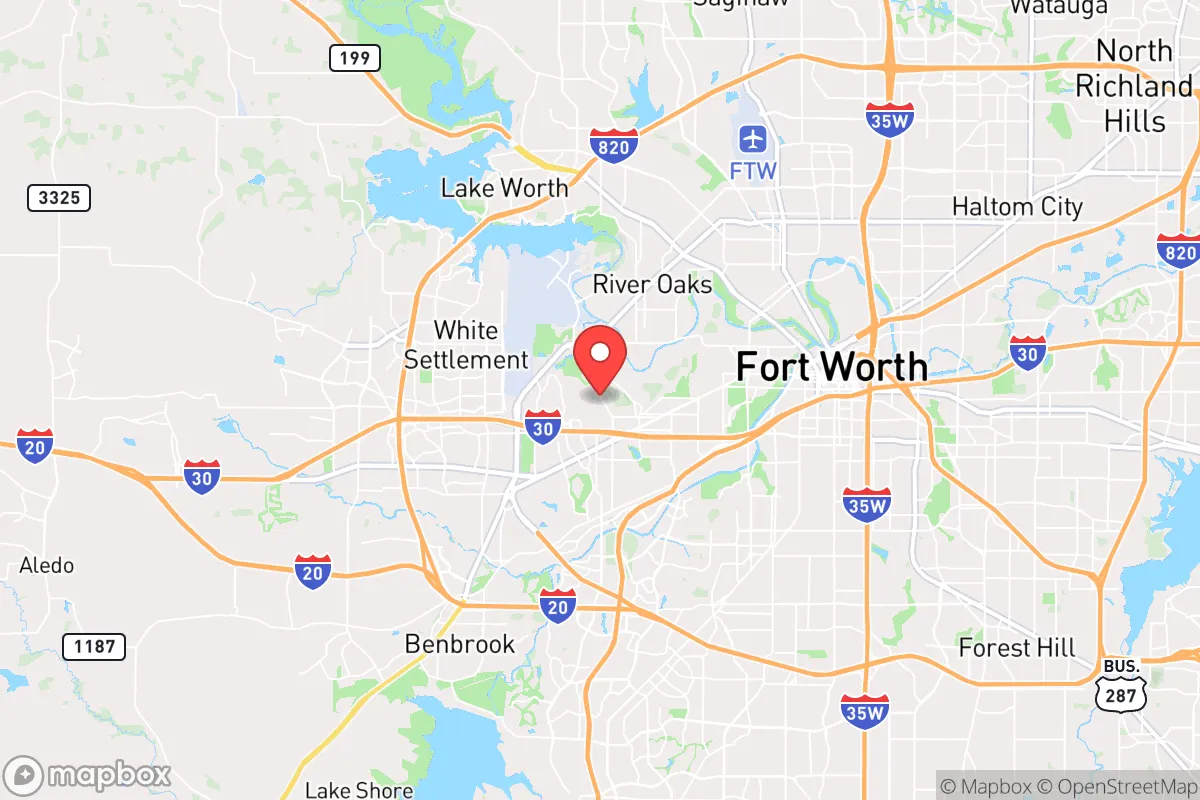
District shown is the primary district for this city’s centroid. Cities may span multiple districts.
Local Political AnalysisPolitical Analysis of Westover Hills, TX
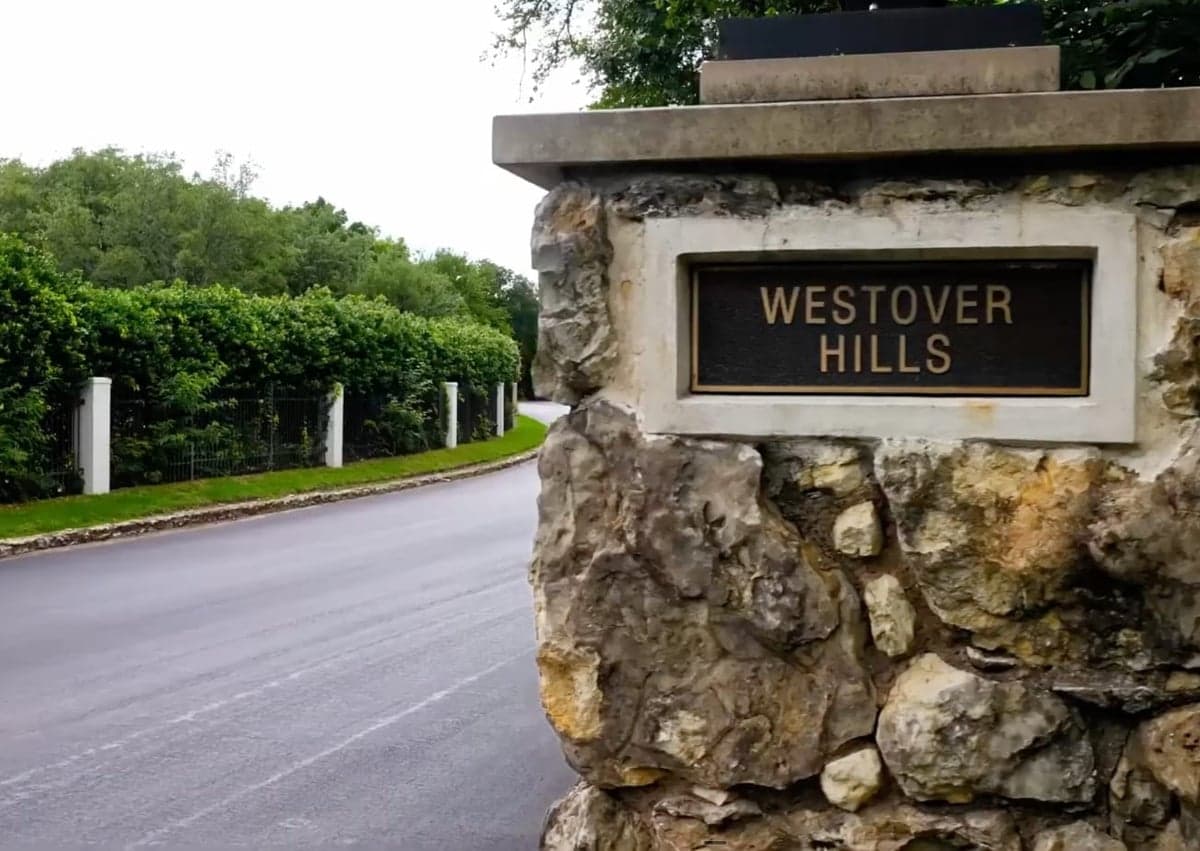
Westover Hills, Texas, has long been a steadfast conservative stronghold, and that hasn’t changed much despite the broader shifts you see in Tarrant County. With a Cook PVI of R+11, this tiny enclave leans about 11 points more Republican than the national average, and in practice, it feels even redder than that number suggests. The last few election cycles have shown a solid, reliable vote for conservative candidates, and while you’ll see some progressive drift in nearby Fort Worth or even in parts of Benbrook, Westover Hills has held the line. The trajectory here is one of cautious stability—folks are wary of the creeping government overreach you see in bigger cities, and they vote accordingly to keep that influence at bay.
How it compares
To really get a feel for Westover Hills, you have to look at its neighbors. Hop over to Fort Worth proper, especially near the cultural district or the Near Southside, and you’ll find a much more progressive vibe—think higher taxes, more regulations on businesses, and a general acceptance of the kind of top-down mandates that make a lot of us here uneasy. Even in Tarrant County as a whole, which has been trending purple in recent years, Westover Hills stands out. Compare it to places like Aledo or Weatherford to the west, which are also conservative but more rural and less insulated. Westover Hills is unique because it’s a wealthy, established community that’s actively chosen to stay small and resist the kind of zoning or policy changes that invite bigger government into your daily life. It’s not just about voting records; it’s about a culture that values personal freedom and local control over the whims of Austin or Washington.
What this means for residents
For someone living here, the political climate translates directly into how your day-to-day life feels. You’re not dealing with the kind of overreaching ordinances you see in Dallas or Austin—no heavy-handed business closures, no aggressive tax hikes for pet projects, and a general sense that your property rights and personal choices are respected. The city council is small and accessible, and decisions are made with a focus on keeping government lean. That said, there’s a growing concern among long-time residents about the pressure from surrounding areas. As Fort Worth expands and progressive policies start to bleed into the county, there’s a real fear that Westover Hills could eventually face challenges to its autonomy—like being forced into regional housing mandates or environmental regulations that don’t fit a community this size. For now, though, it’s a place where you can still raise a family without worrying about the government meddling in your business.
Culturally, Westover Hills has a distinct, old-school Texas feel that’s becoming harder to find. There’s no appetite for the kind of social engineering you see in more progressive suburbs—no push for defunding police or reimagining public safety. The local police are well-funded and respected, and the schools in the area (mostly through the Fort Worth ISD or private options) reflect traditional values. The biggest policy distinction is the fierce protection of property rights; you won’t find the kind of restrictive zoning or historic district overlays that can tie up a homeowner for months. It’s a place where people still believe that your home is your castle, and the government’s job is to stay out of the way. If that changes, it’ll be a fight, but for now, Westover Hills remains a quiet, conservative pocket where personal freedom still means something.

State Political ClimatePolitical Climate in Texas
State Political AnalysisPolitical Environment in the State
Texas has been a reliably Republican state for over three decades, but the coalition that keeps it red is shifting under your feet. The GOP still holds every statewide office and both legislative chambers, but the margin of victory in presidential races has shrunk from 16 points in 2012 to under 9 points in 2024. The dominant coalition remains suburban conservatives, rural voters, and a growing Hispanic electorate that leans more right than national media suggests. However, the massive influx of new residents—over 4 million since 2020—is reshaping the political map in ways that feel both familiar and unsettling.
Urban vs. rural divide
The political geography of Texas is a tale of three landscapes. The vast rural expanse—places like Lubbock, Midland, and the Panhandle—votes 75-80% Republican and hasn't budged. The urban cores of Houston, Dallas, San Antonio, and especially Austin are deep blue, with Austin's Travis County delivering a 40-point margin for Democrats in 2024. The real action is in the suburbs and exurbs. Collin County north of Dallas, once a GOP stronghold, has seen its Republican margin shrink from 30 points to 12 points since 2016 as tech workers and Californians flood in. Meanwhile, border counties like Hidalgo (McAllen) and El Paso remain Democratic but are shifting right—Hidalgo went from +40 D in 2012 to +15 D in 2024. The fastest-growing counties—Comal (north of San Antonio), Montgomery (north of Houston), and Denton—are still red but getting purple around the edges. If you're moving to the suburbs of Austin or Dallas, expect your neighbors to be politically mixed; if you're heading to the Hill Country or West Texas, you'll find a solid conservative majority.
Policy environment
Texas remains a low-tax, low-regulation state by design. There is no state income tax, and property taxes are high (averaging 1.6% of assessed value) but capped at 10% annual growth under Proposition 4 (2023). The regulatory posture is business-friendly: no state-level OSHA, no certificate-of-need laws for healthcare, and a right-to-work law that keeps unions weak. Education policy is a flashpoint. The 2023 school voucher bill (SB 1) failed in the House, but Governor Abbott made it his top priority and a special session is likely in 2025. Parents have strong rights under HB 3979 (2021) to review curriculum and opt children out of instruction. Healthcare is a mixed bag: Texas has the highest uninsured rate in the nation (18%), and the state has refused Medicaid expansion under Obamacare. Election laws tightened in 2021 with SB 1, which banned drive-through voting, added ID requirements for mail ballots, and expanded poll watcher access. For a conservative, the policy environment is largely favorable, but the property tax burden and lack of school choice are real pain points.
Trajectory & freedom
On personal liberty, Texas is a tale of two trends. On the positive side for conservatives: constitutional carry (HB 1927, 2021) allows permitless carry of handguns. The Heartbeat Act (SB 8, 2021) bans abortion after six weeks and empowers private enforcement. Parental rights were strengthened with the 2023 ban on gender transition procedures for minors (SB 14). Property rights got a boost with the 2023 law limiting eminent domain for private development. On the concerning side: the state has aggressively used its power to prosecute election fraud—over 100 cases since 2021, mostly targeting low-level violations. The 2023 law criminalizing "illegal voting" (SB 1) has been criticized for chilling legitimate participation. Medical freedom took a hit with the 2023 ban on COVID-19 vaccine mandates for private employers, which sounds good but also restricted employer choice. The biggest freedom concern for many is the property tax system—while capped, it still rises with home values, and there's no income tax to offset it. Overall, Texas is expanding freedom in the traditional conservative sense (guns, life, parental rights) but contracting it in areas of medical choice and local control.
Civil unrest & political movements
Texas has seen its share of political flashpoints. The 2020 Black Lives Matter protests in Austin, Houston, and Dallas were large and occasionally violent, leading to property damage and a lasting distrust of urban governance. The 2021 winter storm (Uri) exposed government failures at every level, fueling a libertarian streak and a "don't trust the grid" mentality. Immigration politics are front and center: Governor Abbott's Operation Lone Star has bused over 100,000 migrants to Democratic cities since 2022, and the state has sued the Biden administration over border policies. The 2023 "sanctuary city" ban (SB 4) makes it a crime for local officials to refuse cooperation with federal immigration enforcement. Secession rhetoric is mostly performative—the Texas Nationalist Movement gets headlines but no real traction. Election integrity remains a hot-button issue: the 2020 audit of four counties (Harris, Dallas, Tarrant, Collin) found no widespread fraud, but activists on both sides remain skeptical. A new resident will notice the "Keep Texas Red" bumper stickers and the "Don't California My Texas" sentiment, but also the growing number of Harris County Democrats who feel emboldened.
Projection
Over the next 5-10 years, Texas is likely to become more competitive but not flip blue. The key demographic driver is the suburban shift: as more professionals move to the Dallas-Fort Worth and Houston exurbs, those areas will become more moderate. The Hispanic vote is the wild card—if Republicans continue to gain ground with working-class Hispanics in the Rio Grande Valley, the state stays red. If Democrats hold them, the path narrows. The 2024 election showed that Trump's gains with Hispanic men (+15 points from 2020) were real, but suburban women moved left. The state legislature will likely pass school choice in 2025, which could solidify suburban support. The biggest risk for conservatives is the urban growth machine: Austin's influence is spreading into Williamson and Hays counties, and if that pattern repeats in Dallas and Houston, the state could be purple by 2032. For now, expect continued Republican control of state government, but with narrower margins and more internal fights between the establishment and the populist wing.
For a new resident, the bottom line is this: Texas is still a conservative state where your personal freedoms—gun rights, parental control, low taxes—are broadly protected. But the political climate is more contested than it was a decade ago. You'll find your values reflected in state law, but your neighbors may not all agree. If you're moving to the Hill Country or West Texas, you'll feel at home politically. If you're heading to the Austin suburbs or inner-ring Houston, expect a mix. The state is trending toward a more competitive, less predictable future, but for now, the conservative framework is intact and likely to remain so through the 2020s.
* Values derived from national, state, county, city and local statistics and may differ in a specific area. Last updated: 2026-04-14T23:27:32.000Z
Narrative content on this page is AI-generated and may contain mistakes. Verify any details that matter before acting on them.
ReloMaps may earn a commission from affiliate links at no extra cost to you.

