Find The Best Places To Live
in Westover Hills
PRO TIP! You can paste a Zillow or Redfin link to get info on that property.
What It's Like Living in Westover Hills, TX
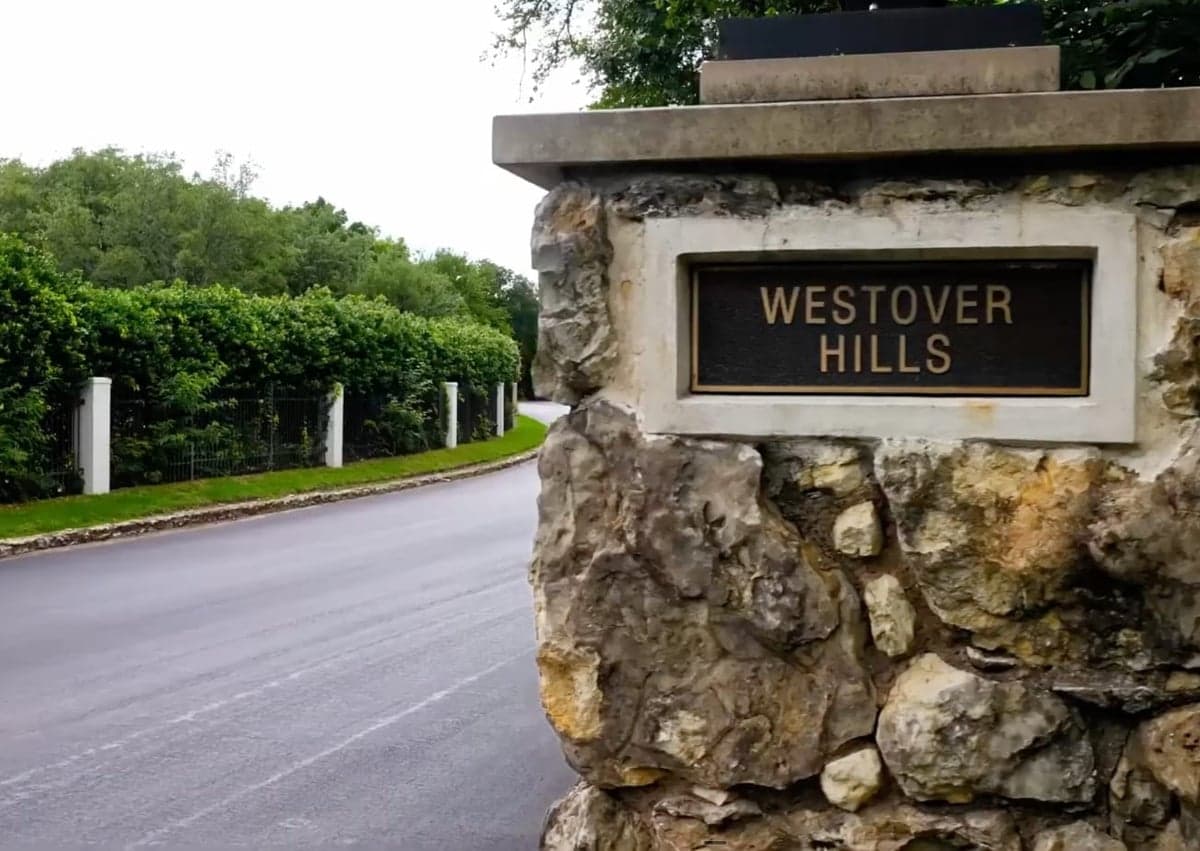
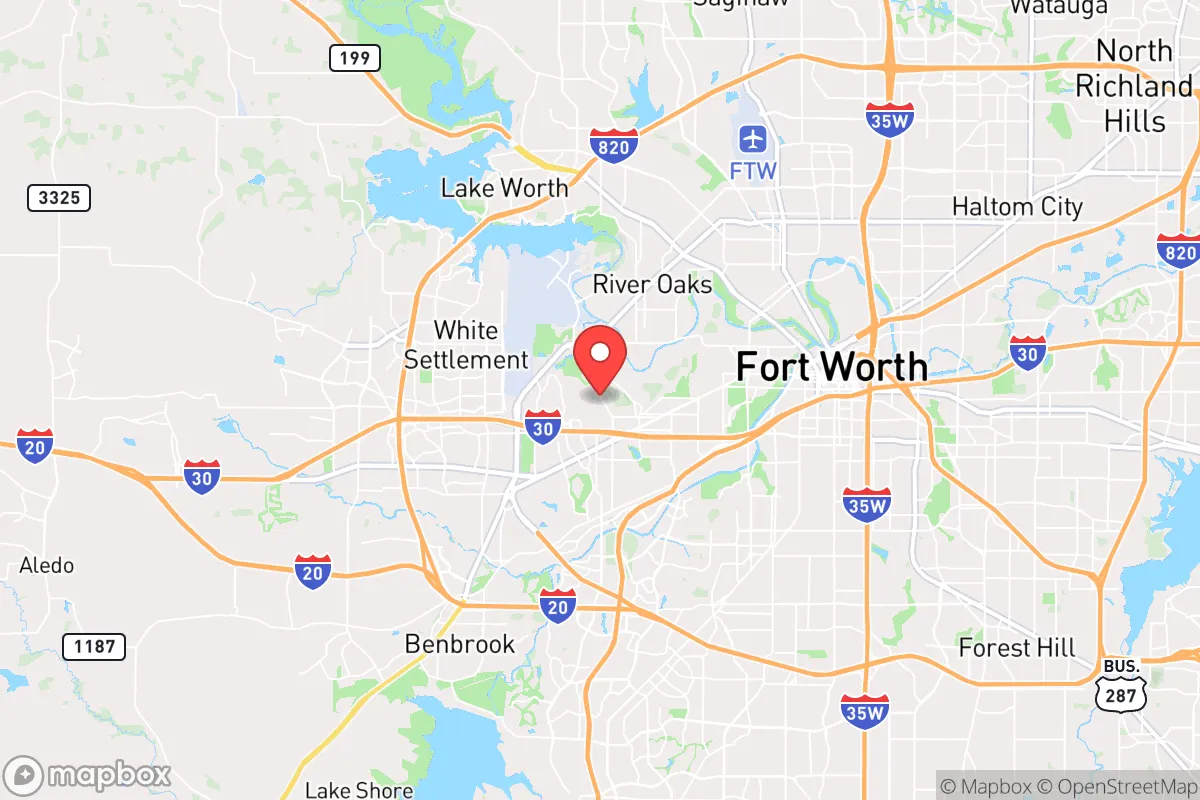
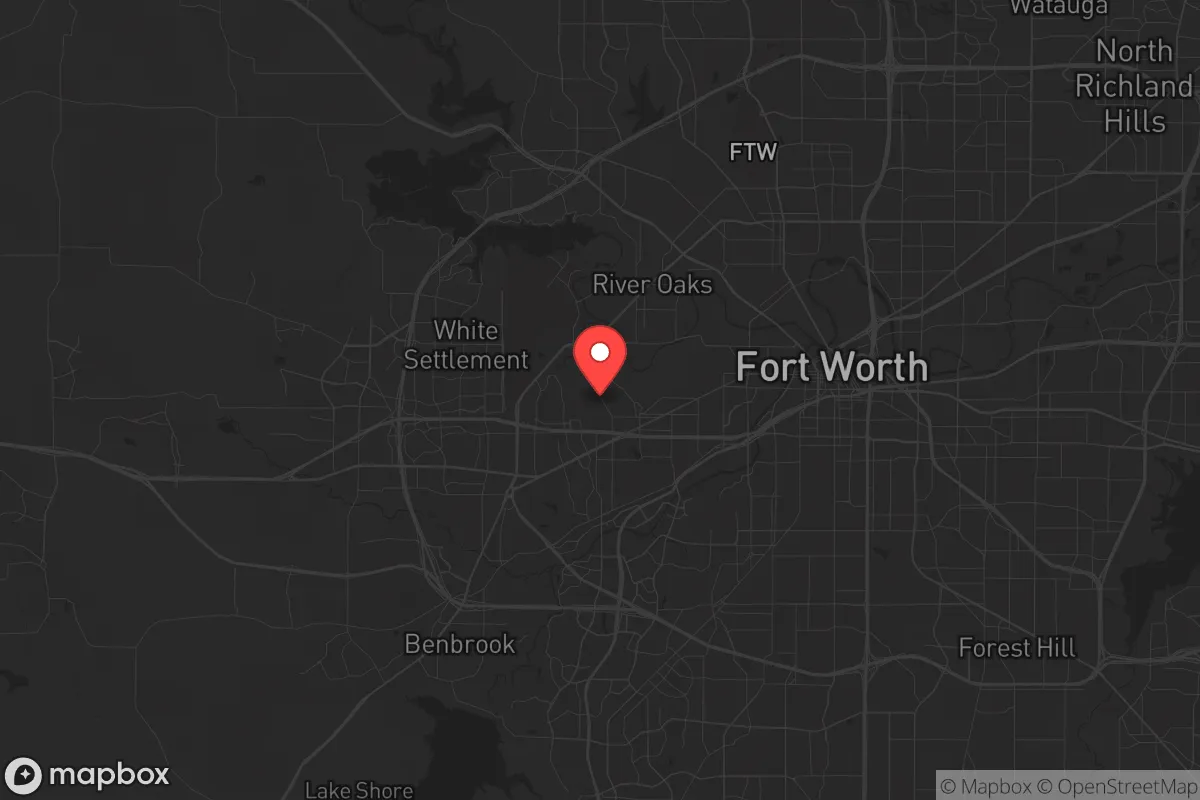
Westover Hills feels less like a town and more like a carefully guarded secret—a tiny, ultra-affluent enclave of just 869 people tucked into the western edge of Fort Worth. With a median age of 53.5 and a median household income north of $250,000, this is a place designed for established professionals and empty-nesters who value privacy, low crime, and proximity to the city without the city’s noise. If you’re a single professional or parent looking for a quiet, secure base with top-tier schools and zero violent crime, Westover Hills is worth a serious look—but only if you can afford the $2 million-plus median home price and don’t mind a social scene that’s more dinner party than dive bar.
The Daily Rhythm: Quiet, Private, and Purposefully Low-Key
Life here moves at a deliberate, unhurried pace. Mornings often start with a walk or bike ride along the tree-lined streets—many of which have no sidewalks, reinforcing the sense that this is a neighborhood, not a thoroughfare. Residents tend to work in finance, law, medicine, or run their own businesses, and commutes are short: downtown Fort Worth is about 15 minutes east, and the cultural district (home to the Kimbell Art Museum and Bass Performance Hall) is even closer. Weekends revolve around home life—gardening, pool time, or hosting small gatherings. There’s no downtown strip of bars or restaurants in Westover Hills itself; for that, you drive five minutes to the nearby West 7th Street corridor or Camp Bowie Boulevard, where spots like Brewed (a coffeehouse) and Reata (a rooftop Tex-Mex staple) draw a polished crowd. The lack of commercial zoning is intentional—this is a residential sanctuary, not a destination.
Sports, Schools, and the Community Fabric
Westover Hills is part of the Fort Worth Independent School District, but the real draw is the cluster of private schools that families here lean on. Trinity Valley School (K–12) and Fort Worth Country Day are both within a 10-minute drive, and their sports programs—especially football, lacrosse, and swimming—are a big deal among local families. Friday night lights here mean watching the Trojans or Falcons play, often followed by dinner at Joe T. Garcia’s (a Fort Worth institution known for its massive patio and family-style Mexican food). For pro sports, you’re 20 minutes from AT&T Stadium (home of the Dallas Cowboys) and Globe Life Field (Texas Rangers), but most residents watch from home or a private club. The Colonial Country Club, just south of the neighborhood, is a social hub for golf, tennis, and networking—membership is common among those who want a built-in social circle without leaving the area.
What’s There to Do: Culture, Parks, and Quiet Evenings
Entertainment leans refined. The Fort Worth Botanic Garden and Japanese Garden are a 10-minute drive and popular for weekend strolls. The Fort Worth Stockyards (15 minutes east) offer a dose of cowboy culture—think cattle drives, rodeos, and honky-tonks like Billy Bob’s Texas—but most Westover Hills residents visit occasionally, not weekly. For live music, the Will Rogers Memorial Center hosts everything from symphony performances to rodeos. The big annual event is the Fort Worth Stock Show & Rodeo in January–February, which draws the whole region. Outdoorsy types head to the Trinity Trails system, which runs along the Trinity River and connects to parks like Gateway Park—great for biking, running, or kayaking. But honestly, many residents are content with their own backyards: pools, patios, and home theaters are the norm.
Pros and Cons of Living Here
- Pro: Safety is off the charts. With a violent crime rate of 0 per 100,000, you can let kids play outside or walk the dog at midnight without a second thought. Property crime is also minimal, thanks to a small, tight-knit population and private security patrols.
- Pro: Top-tier schools and educated neighbors. Over 77% of adults hold a college degree, and the local private schools are among the best in Texas. If education and peer quality matter, this is a gold standard.
- Pro: Incredible location. You’re 15 minutes from downtown Fort Worth, 30 minutes from DFW Airport, and an hour from Dallas. The convenience without the congestion is a major selling point.
- Con: The cost of living is extreme. At 398 on the index (nearly four times the U.S. average), everything from groceries to home maintenance costs more. A $2 million median home price locks out all but the wealthiest buyers.
- Con: Social life can feel insular. If you’re not part of the country club set or don’t have kids in private school, it’s hard to break into social circles. Singles without a built-in network may find it lonely.
- Con: No walkable commercial core. You’ll drive everywhere—there’s no coffee shop or corner store within walking distance. For some, that’s a dealbreaker.
Cultural Quirks and Practical Realities
One thing newcomers notice: the lack of streetlights and sidewalks is intentional. Residents fought to keep them out to preserve the rural, estate-like feel. That means you need a car for everything, and nighttime walks require a flashlight. Weather is classic North Texas: hot, humid summers (95°F is common in July), mild winters (40s–50s), and the occasional ice storm that shuts down the city for a day. Tornado warnings happen a few times a year, but the area’s flat terrain means you’ll have plenty of warning. Traffic is light by DFW standards—the worst you’ll face is a 10-minute delay on Camp Bowie during rush hour. Schools are the community’s heartbeat: PTA meetings, school fundraisers, and sports events are where neighbors actually connect. If you value privacy, security, and a polished, low-drama lifestyle, Westover Hills delivers. Just come ready to embrace the quiet—and the price tag.

Similar small towns to Westover Hills

* Values derived from national, state, county, city and local statistics and may differ in a specific area. Last updated: 2026-04-14T23:27:32.000Z
Narrative content on this page is AI-generated and may contain mistakes. Verify any details that matter before acting on them.
ReloMaps may earn a commission from affiliate links at no extra cost to you.

