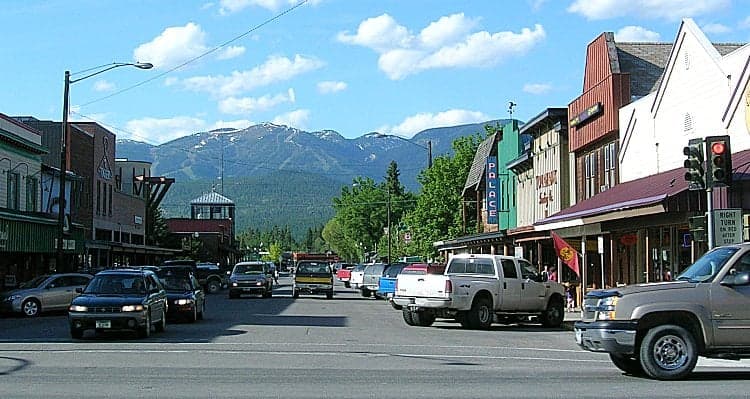
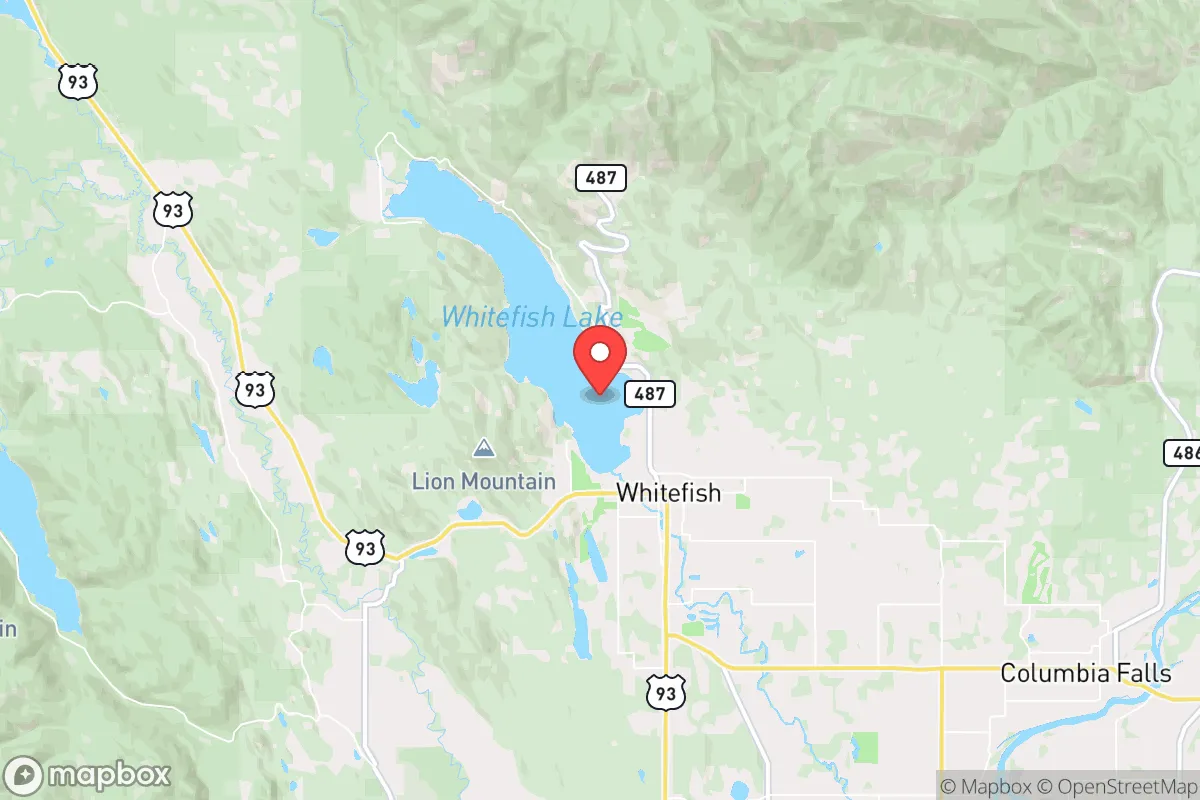
Photo: Wikipedia
Quality of Life in Whitefish, MT
A high quality of life with strong walkability, manageable living costs, healthy neighborhood signals, and solid amenity access.
What does Quality of Life tell us?
Quality of Life blends cost of living, nearby amenities, socioeconomic signals, and neighborhood character. City-level scores represent the whole municipality; individual neighborhoods can differ.
What does this tell us?
Quality of Life blends cost of living, nearby amenities, socioeconomic signals, and neighborhood character. City-level scores represent the whole municipality; individual neighborhoods can differ.
Cost of Living
60% above national average
The Real Cost of Living in Whitefish, MT for 2026
| Tier | Individual | Family (4) |
|---|---|---|
| Survival | $21k | $39k |
| Comfortable | $106k | $156k |
| Luxury | $128k+ | $199k+ |
| Elite (Top 5%) | $184k+ | $284k+ |
45%
The Area Signal
A metric tracking the socioeconomic signals of the area.
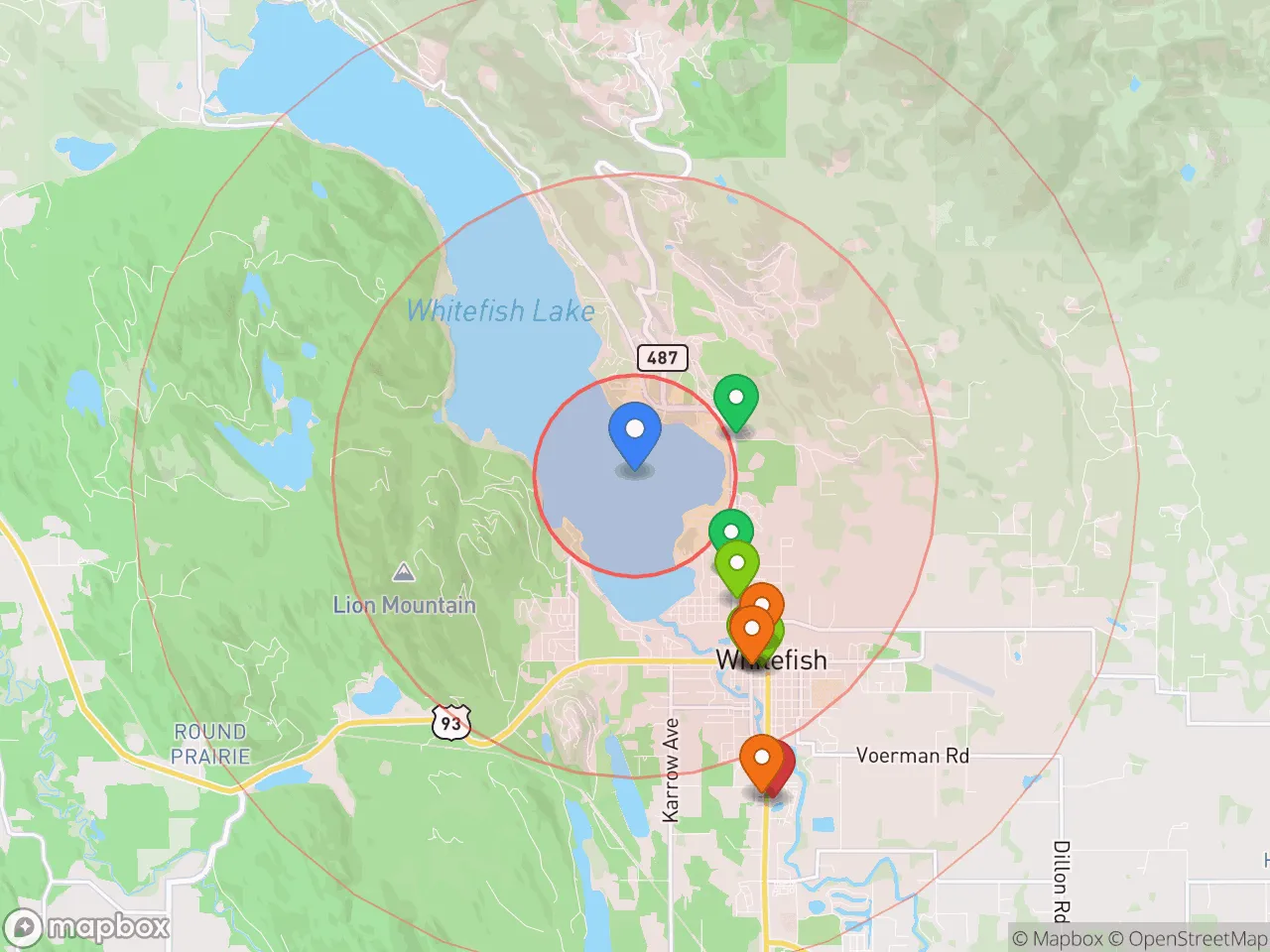
Hobbies
Explore the areaGroceries
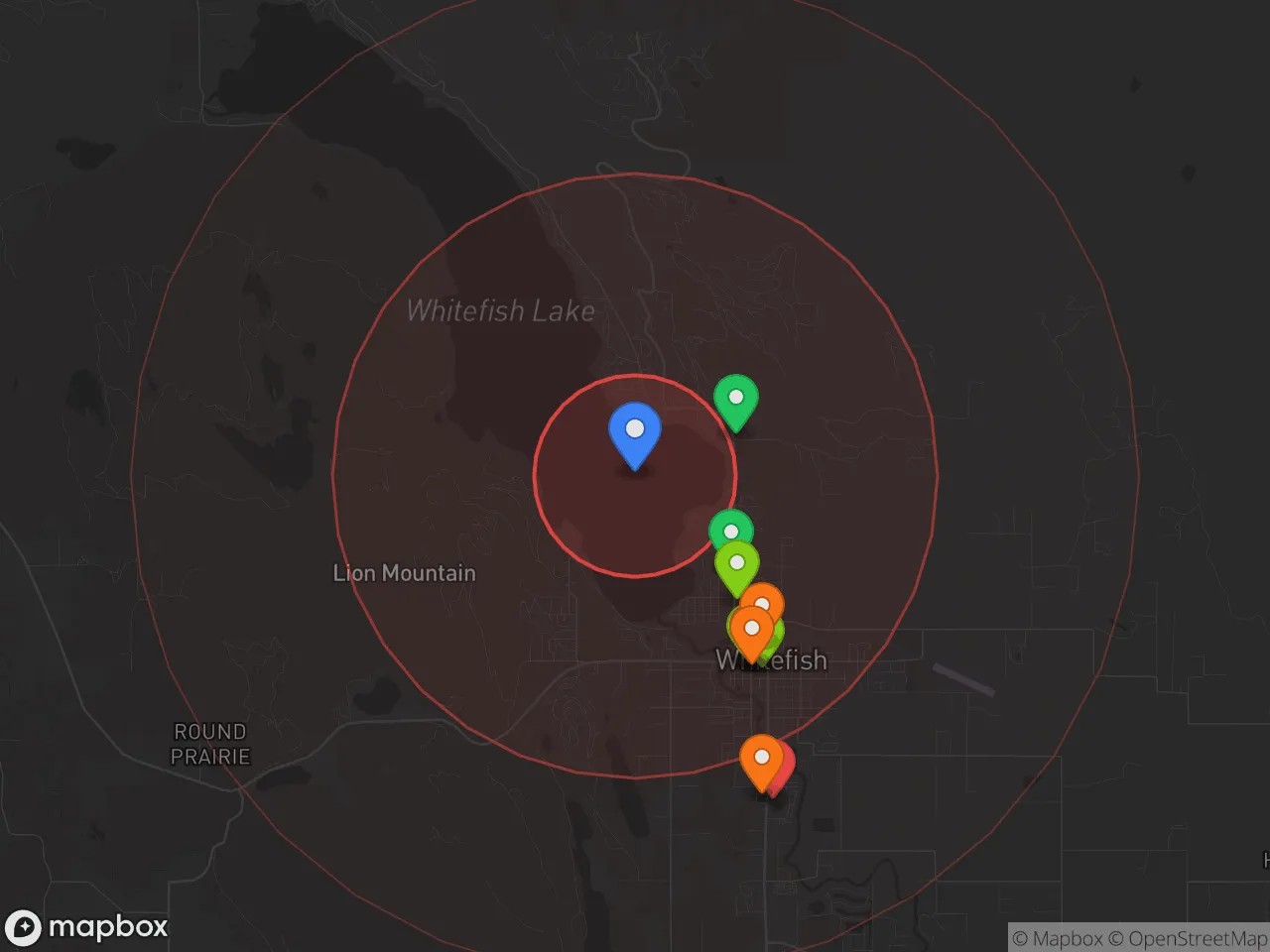
1 within 10 miles
Gas
13 within 10 miles
Hospital
2 within 20 miles
Airport
SEA — Seattle–Tacoma International
Post Office
USPS — Whitefish, MT
Critical Amenities
Quality-of-Life Analysis
Whitefish, Montana, is a high-altitude resort town defined by its striking natural setting on the shores of Whitefish Lake and at the base of Big Mountain. With a cost-of-living index of 160—60% above the national average—the community skews affluent, attracting second-home owners, remote tech workers, and outdoor recreation enthusiasts who prioritize lifestyle over low expenses. The town’s permanent population of roughly 8,000 swells significantly during ski season and summer, creating a dynamic but expensive housing market.
Cost of living, housing affordability, and how Whitefish compares to Kalispell and Columbia Falls
Whitefish’s housing market is the primary driver of its high cost of living. The median home value sits at $648,200, more than double the national median and roughly 40% higher than neighboring Kalispell (median ~$460,000) and 55% higher than Columbia Falls (~$420,000). Rents are comparatively more moderate, with a median of $1,313 per month, though this still exceeds the national median by about 15%. The average commute is a short 19 minutes, reflecting the town’s compact geography and the fact that many residents live close to downtown or the ski resort. For buyers, the gap between Whitefish and its surrounding communities is stark: a typical starter home in Whitefish now exceeds $500,000, while a comparable property in Kalispell (15 miles south) might cost $350,000–$400,000. This price differential pushes many workers—including service and hospitality staff—to commute from more affordable towns, contributing to a growing bedroom-community dynamic.
What daily life is like for families: schools, amenities, and outdoor access
Daily life in Whitefish revolves around outdoor recreation and a walkable downtown core. The Whitefish School District (K–12) consistently ranks among Montana’s top districts, with Whitefish High School posting a graduation rate above 90% and strong Advanced Placement participation. Families have year-round access to Whitefish Mountain Resort for skiing and mountain biking, the Whitefish Trail system for hiking and running, and the lake for boating and swimming. The downtown area along Central Avenue offers independent restaurants, breweries, and shops, but lacks big-box retail—residents drive to Kalispell for Walmart, Costco, and medical specialists. The rhythm of the week is dictated by the seasons: winter weekends are dominated by ski slopes, summer by lake days and farmers markets, and shoulder seasons by quieter community events like the Whitefish Arts Festival. The town’s small size means most errands are a 5–10 minute drive, and traffic congestion is limited to holiday weekends and peak ski season.
Whitefish is best suited for people who can afford the premium for direct access to world-class outdoor recreation and who value a tight-knit, seasonal community over urban amenities. Remote workers with six-figure incomes, retirees with significant equity, and families who prioritize schools and nature over cost savings will find the trade-off worthwhile. Those on tighter budgets or seeking year-round cultural diversity, nightlife, or lower taxes may find better value in Kalispell or even Missoula. The town’s affluence creates a pleasant, well-maintained environment, but it also means that service workers and younger renters often struggle to put down roots—a tension visible in the growing number of “help wanted” signs and the scarcity of workforce housing. Ultimately, Whitefish delivers an exceptional quality of life for those who can afford its price of entry.

Crime in Whitefish, MT
Lower crime rates than 82% of comparable U.S. locations.
Violent CrimeViolent Crime Analysis
Property CrimeProperty Crime Analysis
Crime Analysis
Whitefish, Montana, reports a violent crime rate of 176.3 incidents per 100,000 residents and a property crime rate of 1,255.2 per 100,000. These figures place Whitefish in a moderate safety tier relative to other resort communities in the Northern Rockies, though the property crime rate notably exceeds both the Montana state average and the national median. The overall safety picture is shaped by the town's dual identity as a quiet mountain community and a high-traffic tourist destination, which introduces seasonal fluctuations in crime patterns.
Crime in context
Whitefish's violent crime rate of 176.3 per 100,000 is roughly half the national average of 380 per 100,000, making serious offenses like homicide, robbery, and aggravated assault statistically uncommon. Property crime, however, tells a different story: at 1,255.2 per 100,000, it runs about 20% higher than the national property crime rate of approximately 1,000 per 100,000. Theft from vehicles and bicycle theft are the most frequently reported property offenses, concentrated in the downtown core and near the ski resort during peak winter and summer seasons. Flathead County as a whole reports a property crime rate of 1,410 per 100,000, indicating that Whitefish's rate is slightly below the county average but still elevated compared to more rural parts of the state.
What residents experience
Residents describe Whitefish as a generally safe town where most crime is non-violent and opportunistic. Break-ins of unlocked cars and storage sheds are the most common complaints, particularly in neighborhoods near the Whitefish Trail trailheads and the rail yard. The Flathead County Sheriff's Office and Whitefish Police Department maintain a visible presence, and the town's compact layout means response times are typically under five minutes. However, the seasonal influx of tourists—Whitefish's population swells from roughly 8,000 year-round residents to over 20,000 on peak weekends—creates a transient environment that can embolden property criminals. Larceny-theft accounts for nearly 70% of all reported property crime, and incidents spike during the Christmas ski season and the Fourth of July holiday period. Residents who leave vehicles unlocked or valuables visible in driveways are the most likely to experience theft.
Neighborhood-level variation is modest but worth noting. The area immediately around Central Avenue and the Whitefish Mountain Resort base area sees the highest concentration of property crime, while residential streets west of Highway 93 and the newer subdivisions near the golf course report very low incident rates. The city's progressive-leaning municipal government and county-level justice system have not adopted the soft-on-crime policies seen in larger liberal metro areas; Flathead County's elected prosecutor maintains a conventional approach to property and drug offenses. Whitefish's clearance rate for property crimes hovers around 18%, which is slightly below the national average but consistent with small-town police departments that lack dedicated property-crime detectives. For families and retirees, the primary safety concern is not violent confrontation but the inconvenience and financial loss of theft, which can be largely mitigated by basic precautions like locking doors and installing motion-sensor lighting.
* Values derived from national, state, county, city and local statistics and may differ in a specific area. Last updated: 2026-04-29T21:12:37.000Z
Narrative content on this page is AI-generated and may contain mistakes. Verify any details that matter before acting on them.
ReloMaps may earn a commission from affiliate links at no extra cost to you.

