Photo: Wikipedia
Find The Best Places To Live
in Williamsburg
PRO TIP! You can paste a Zillow or Redfin link to get info on that property.
What It's Like Living in Williamsburg, VA
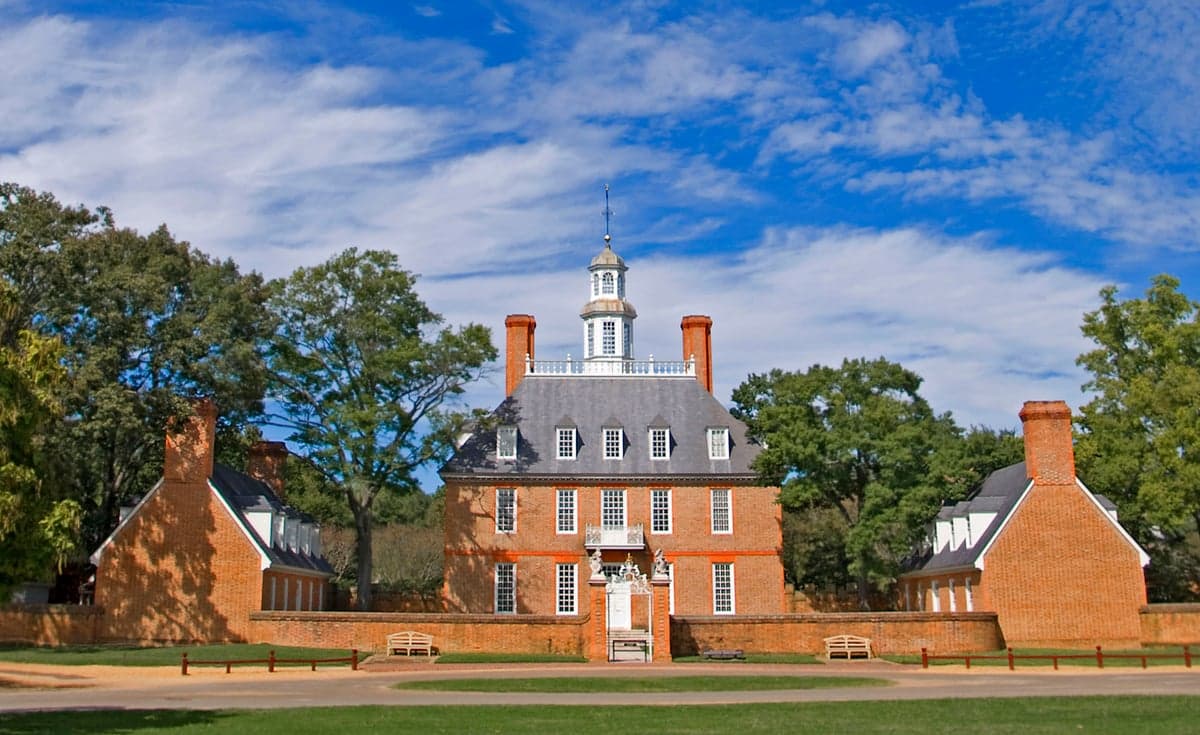
Williamsburg, Virginia, is a place that wears its history comfortably, but don’t mistake it for a living museum. The city itself—home to about 15,500 residents—has a distinct small-college-town energy, thanks largely to William & Mary, which keeps the median age at 24 and gives the streets a year-round hum of students, professors, and young professionals. For a conservative-leaning audience, what stands out is how tradition and stability anchor daily life here, even as the tourist crowds ebb and flow around Colonial Williamsburg.
Daily Rhythm: Where History Meets a College Town’s Pulse
Most residents don’t spend their weekends in tri-corner hats. The real Williamsburg revolves around the College of William & Mary, the second-oldest college in the country, and the steady rhythm of families who’ve been here for generations. You’ll see people grabbing coffee at Aromas or the College Delly, hitting the Wawa on Richmond Road, or running errands at the Fresh Market. The average commute is just over 17 minutes—short enough that you can actually run home for lunch—and traffic only really clogs up on game days or during peak tourist season on Route 60 and Bypass Road. The cost of living index sits at 126, noticeably above the national average, but the median household income of $70,206 helps offset it for many professionals, especially those working at the college, Sentara Williamsburg Regional Medical Center, or the nearby Busch Gardens and Water Country USA.
Sports, Community, and the Local Identity
Sports here are a big deal, but not in the pro-sports sense. William & Mary Tribe athletics are the main event—football games at Zable Stadium and basketball at Kaplan Arena draw solid crowds, especially when rival Richmond or James Madison comes to town. High school football at Lafayette and Warhill is taken seriously, with Friday night lights being a genuine community gathering. There’s no major pro team within an hour, so the Tribe becomes the local team to rally behind. The city’s identity is deeply tied to its colonial heritage, but locals have a dry humor about the tourists—they’ll point you to the “real” Williamsburg, which includes the annual Williamsburg Farmers Market on Merchant’s Square, the Virginia Beer Company taproom, and the surprisingly active outdoor scene at Freedom Park and the Virginia Capital Trail for biking. The Anheuser-Busch Brewery tours and the nearby Jamestown and Yorktown battlefields are weekend staples for families who want a day trip without leaving the area.
What’s There to Do: Festivals, Hangouts, and Quiet Corners
Entertainment here punches above its weight for a city of 15,500. The Williamsburg Winery is a favorite for date nights and Sunday afternoons, while the Kimball Theatre on Duke of Gloucester Street shows indie films and live performances. The Busch Gardens Williamsburg is a major employer and seasonal draw, but locals know the best times to go are spring and fall when the crowds thin. The Williamsburg Botanical Garden and Waller Mill Park offer quiet escapes, and the York River State Park is a 20-minute drive for kayaking and hiking. For nightlife, the Green Leafe Cafe and Amber Ox Public House are the go-to spots for a beer and conversation, leaning more toward a relaxed, conversation-friendly vibe than a club scene. The Williamsburg Christmas Market and Grand Illumination in December are the biggest annual events, drawing locals and tourists alike for the fireworks and colonial-style decorations.
Pros and Cons of Living Here: What Residents Actually Say
- Pro: Strong sense of community and safety. The violent crime rate is 166.5 per 100,000—well below the national average—and most neighborhoods feel safe for kids and single adults alike. The schools, particularly Williamsburg-James City County public schools, are well-regarded and a major reason families stay.
- Con: Tourist traffic and seasonal crowding. From March through October, Colonial Williamsburg and the surrounding areas can feel overrun. Locals learn to avoid the main drags on weekends, and some restaurants get packed with visitors who aren’t always aware of local etiquette.
- Pro: Educated, stable population. With 48.5% of adults holding a college degree, the conversation and cultural offerings are richer than you’d expect for a town this size. The median home value of $393,200 is high for the region, but it reflects a market that holds value well.
- Con: Limited job diversity. The economy leans heavily on tourism, education, and healthcare. If you’re not in those fields, you may find yourself commuting to Newport News or Richmond (about 45 minutes west) for work.
- Pro: Four-season living without extremes. Winters are mild (rarely below freezing for long), summers are humid but tolerable, and spring and fall are genuinely beautiful. The seasonal rhythm—leaf-peeping in October, azaleas in April—is a quiet pleasure residents appreciate.
- Con: Cost of living can pinch. The 126 index means housing and groceries cost more than in nearby Hampton or Newport News. Renters and first-time buyers often feel the squeeze, especially if they’re not earning the median income.
What makes Williamsburg work for a conservative-leaning audience is its unflashy stability. It’s not a place for nightlife seekers or people who want anonymity—everyone knows everyone, and that’s mostly a good thing. The cultural quirks are real: people actually care about the honor code at William & Mary, and there’s a quiet pride in living somewhere that’s been a seat of American history for 300 years. If you value tradition, short commutes, and a community where your neighbors are likely to be professors, military retirees, or small business owners, Williamsburg fits like a well-worn pair of boots. Just be ready to share your town with a million visitors a year—and to know exactly which back roads to take when they show up.

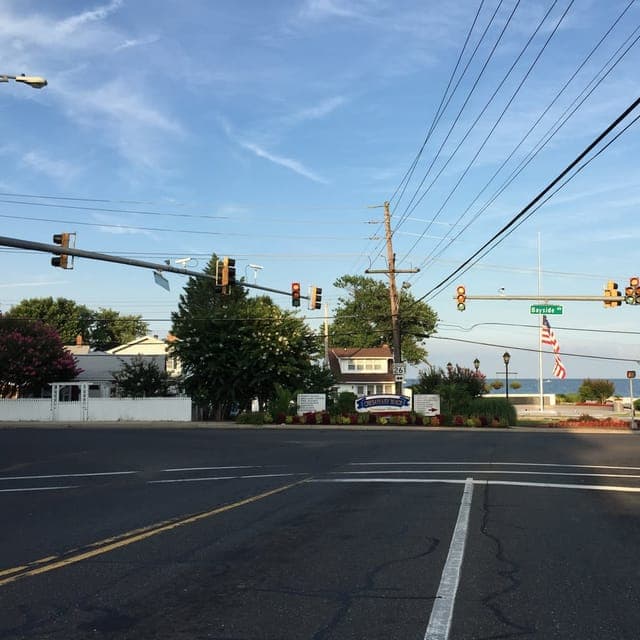
Similar towns to Williamsburg
* Values derived from national, state, county, city and local statistics and may differ in a specific area. Last updated: 2026-04-23T04:44:28.000Z
Narrative content on this page is AI-generated and may contain mistakes. Verify any details that matter before acting on them.
ReloMaps may earn a commission from affiliate links at no extra cost to you.

