 Popular
Photo: Wikipedia
Find The Best Places To Live
in Norfolk
PRO TIP! You can paste a Zillow or Redfin link to get info on that property.
What It's Like Living in Norfolk, VA
Norfolk is a working waterfront city with a young, transient energy that comes from having one of the largest naval bases in the world in your backyard. It’s less polished than Virginia Beach next door, more lived-in, and feels like a place where people actually live rather than just vacation. If you’re a single professional or a parent looking for a community with real character and a lower price tag than the rest of Hampton Roads, Norfolk is worth a serious look.
The Daily Rhythm: Water, Uniforms, and a Young Crowd
Life in Norfolk moves to the pulse of the Navy. You’ll see service members in uniform grabbing coffee at Fair Grounds in the Ghent neighborhood, or jogging along the Elizabeth River Trail before work. The median age here is 32.4, which is noticeably younger than the national average, and that shows in the bar scene—places like The Birch (a craft beer haven) and Toast (a brunch staple) are packed on weekends. Weekends often mean a walk through the Norfolk Botanical Garden, a trip to the Nauticus museum with the kids, or catching a concert at The NorVa, a historic theater that punches above its weight for national acts. The commute is a blessing: the average drive time is just under 23 minutes, which feels almost luxurious compared to the gridlock of Northern Virginia or Richmond.
Sports, Community, and the Military Identity
Sports here are a big deal, but not in the way you might think. There’s no major pro franchise, but the Norfolk Tides (the Triple-A affiliate of the Baltimore Orioles) draw a loyal, beer-in-hand crowd at Harbor Park, a ballpark with a killer view of the downtown skyline and the river. College sports are huge, too—Old Dominion University (ODU) football and basketball games bring out a passionate, family-friendly crowd. But the real identity of the city is the military. The constant presence of Naval Station Norfolk means you’ll hear the rumble of fighter jets overhead and see aircraft carriers glide past the downtown waterfront. For parents, this creates a unique community: military families are everywhere, so there’s a built-in support network of people who understand frequent moves and deployments. The public schools, like Maury High School and Granby High School, are deeply woven into the fabric of their neighborhoods, with Friday night football games that feel like genuine community gatherings.
What to Do (and What Frustrates Locals)
Norfolk packs a lot into a modest footprint. The Ghent neighborhood is the cultural heart—think tree-lined streets, indie bookstores, and restaurants like Leone’s for Italian or AW Shucks for oysters. The Virginia Arts Festival brings world-class performances, and the NEON Festival lights up the arts district every fall. Outdoor lovers hit the First Landing State Park (just across the bridge in Virginia Beach) or kayak the Lafayette River. But locals will be honest: the violent crime rate of 396.8 per 100,000 is a real concern, especially in certain neighborhoods east of downtown. It’s not a city where you leave your car unlocked, and parents tend to be more vigilant about where their teenagers hang out after dark. The other frustration is the cost of living index of 103—it’s slightly above the national average, but with a median home value of $271,900, you get more space for your money than in Virginia Beach or Arlington. The median household income of $64,017 means most people are comfortable, but not flush.
Who Fits In, and Who Might Struggle
Norfolk is ideal for someone who values walkability, a strong sense of place, and a lower cost of entry to coastal Virginia living. It attracts a mix of young professionals working at Sentara Healthcare or Norfolk Southern, Navy officers and enlisted personnel, and creative types drawn to the arts scene. About 32.7% of adults hold a bachelor’s degree, giving it a solidly educated but not elitist feel. Parents appreciate the Norfolk Public Library system and the Children’s Museum of Virginia in nearby Portsmouth. The downsides? The weather is humid and sticky from June through September, and hurricane season (June–November) keeps everyone on edge. Traffic on the Hampton Roads Bridge-Tunnel can ruin your day. And if you’re looking for pristine beaches and a quiet suburban life, Virginia Beach is a better bet. But if you want a city with grit, history, and a young, energetic pulse—where you can buy a home for under $300K and still walk to a brewery—Norfolk delivers.

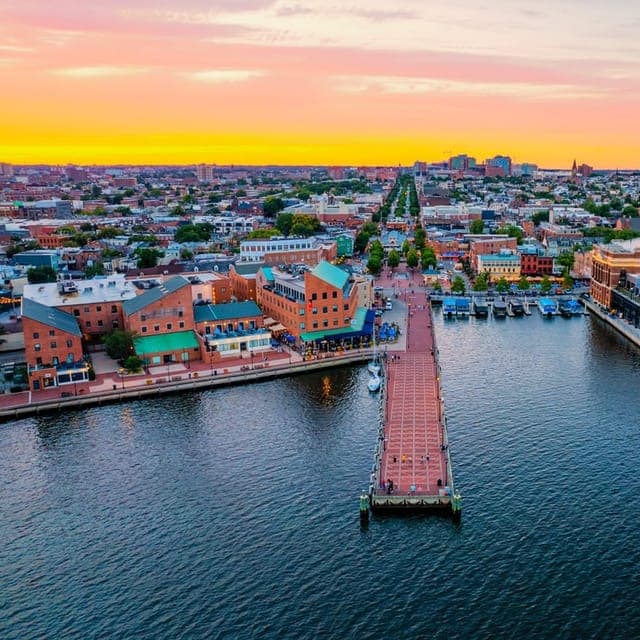
Similar small cities to Norfolk


* Values derived from national, state, county, city and local statistics and may differ in a specific area. Last updated: 2026-05-01T18:44:04.000Z
Narrative content on this page is AI-generated and may contain mistakes. Verify any details that matter before acting on them.
ReloMaps may earn a commission from affiliate links at no extra cost to you.

