Quality of Life in Williamsburg, WV
A high quality of life with strong walkability, manageable living costs, healthy neighborhood signals, and solid amenity access.
What does Quality of Life tell us?
Quality of Life blends cost of living, nearby amenities, socioeconomic signals, and neighborhood character. City-level scores represent the whole municipality; individual neighborhoods can differ.
What does this tell us?
Quality of Life blends cost of living, nearby amenities, socioeconomic signals, and neighborhood character. City-level scores represent the whole municipality; individual neighborhoods can differ.
Cost of Living
51% below national average
The Real Cost of Living in Williamsburg, WV for 2026
| Tier | Individual | Family (4) |
|---|---|---|
| Survival | $12k | $23k |
| Comfortable | $19k | $29k |
| Luxury | $59k+ | $92k+ |
| Elite (Top 5%) | $70k+ | $108k+ |
125%
The Area Signal
A metric tracking the socioeconomic signals of the area.
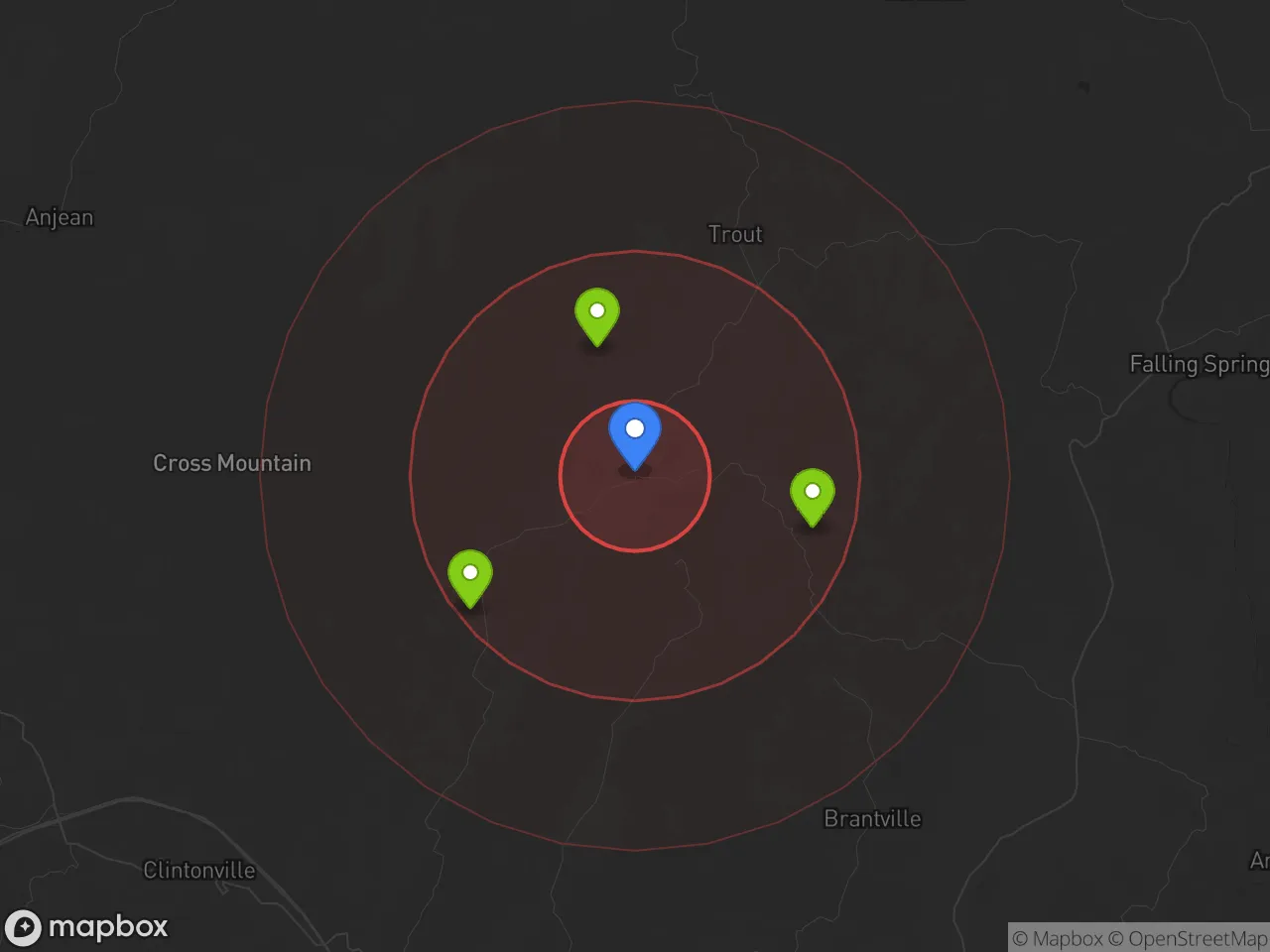
Hobbies
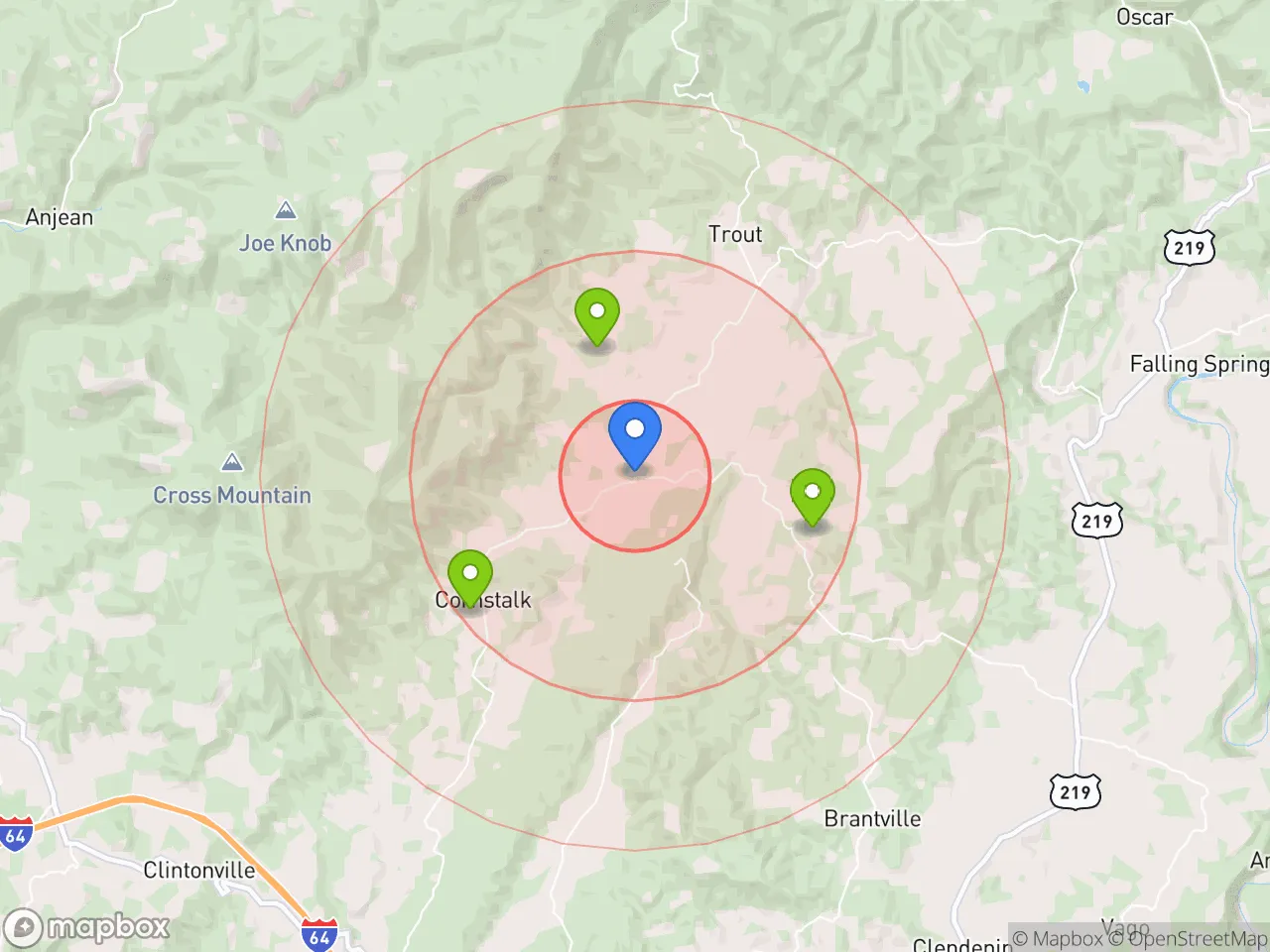
Explore the areaGroceries
0 within 10 miles
Gas
0 within 10 miles
Hospital
1 within 20 miles
Airport
RDU — Raleigh–Durham International
Post Office
USPS — Williamsburg, WV
Critical Amenities
Quality-of-Life Analysis
Williamsburg, West Virginia, offers an exceptionally low cost of living that attracts retirees, remote workers, and families seeking to stretch their income further than in most of the United States. With a cost-of-living index of 49—roughly half the national average—the area provides a quiet, rural lifestyle centered on outdoor recreation and small-town community ties. The population skews older and more economically stable than the county average, though the town itself remains modest in size and commercial activity.
How housing costs and affordability compare to nearby towns
Housing in Williamsburg is among the most affordable in Greenbrier County and the broader southeastern West Virginia region. The median home value sits at $66,500, a figure that is roughly one-fifth the national median and significantly lower than in nearby Lewisburg (median around $180,000) or White Sulphur Springs (around $130,000). Median rent is $774 per month, which undercuts the state average by about 15% and is less than half the national median rent. The trade-off for these low prices is a longer average commute of 34 minutes, reflecting the town's distance from major employment centers in Lewisburg (20 miles east) and Beckley (40 miles north). Most residents drive to work, and public transit options are minimal. Property taxes remain low—West Virginia's effective rate is among the lowest in the country—and utility costs are below the national average, further stretching household budgets.
Local amenities, schools, and what daily life feels like
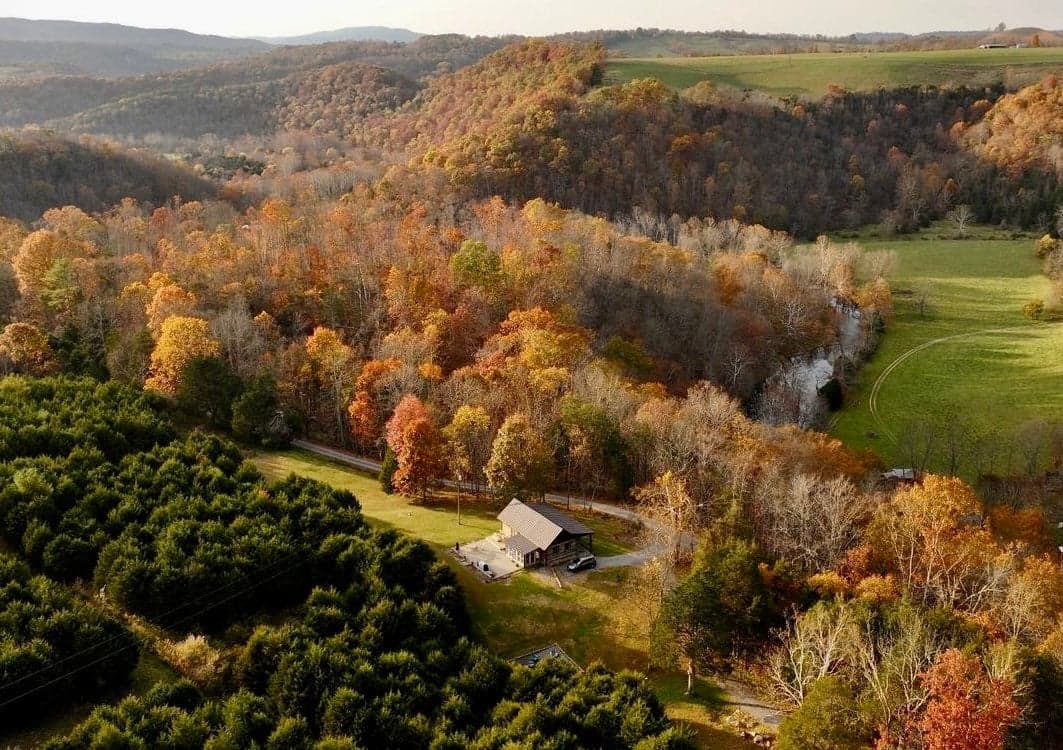
Daily life in Williamsburg revolves around the Greenbrier River, which runs through town and provides fishing, kayaking, and swimming access at the Williamsburg River Access point. The town has a small grocery store, a post office, and a handful of locally owned eateries, but most shopping and healthcare needs require a drive to Lewisburg, which offers a Walmart Supercenter, Greenbrier Valley Medical Center, and a wider range of restaurants. Schools are served by Greenbrier County Schools, with Williamsburg Elementary School feeding into Eastern Greenbrier Middle School and Greenbrier East High School in Fairlea. The high school has a student-teacher ratio of roughly 14:1 and offers a solid academic program, though advanced placement options are more limited than in larger districts. The area's pace is slow and neighborly—community events often center on the volunteer fire department, church suppers, and seasonal river festivals. Cell service can be spotty in the hollows, and high-speed internet is available but not universal, which is a consideration for remote workers.
Williamsburg is best suited for those who prioritize low housing costs, a quiet rural setting, and proximity to outdoor recreation over urban amenities and short commutes. Retirees on fixed incomes, outdoor enthusiasts, and families willing to drive for work and shopping will find the affordability unmatched in the region. Professionals who need reliable high-speed internet or frequent access to airports (the nearest commercial airport is in Lewisburg, 25 minutes away) should verify connectivity before moving. The town offers a genuine small-town West Virginia experience at a price point that is increasingly rare nationwide.

Crime in Williamsburg, WV
Generally safer than 69% of comparable U.S. locations.
Violent CrimeViolent Crime Analysis
Property CrimeProperty Crime Analysis
Crime Analysis
Williamsburg, West Virginia, reports a violent crime rate of 220 incidents per 100,000 residents and a property crime rate of 923 per 100,000, placing it in a moderate safety tier relative to other small towns in the Mountain State. While these figures are below the national averages for both categories, the town's proximity to larger metro areas like Charleston and Beckley means that regional crime trends—particularly those influenced by lenient prosecutorial policies in nearby jurisdictions—can spill over into the community. Residents should weigh these statistics against the broader context of West Virginia's justice system, where progressive district attorneys in some surrounding counties have been criticized for prioritizing offender rehabilitation over public safety, potentially increasing the risk of recidivism and property offenses.
Crime in context
Williamsburg's violent crime rate of 220 per 100,000 is 37% lower than the national average of 380 per 100,000, while its property crime rate of 923 per 100,000 sits 32% below the U.S. median of 1,350 per 100,000. Compared to West Virginia's statewide violent crime rate of approximately 310 per 100,000, Williamsburg is notably safer. However, the town's property crime rate is slightly above the state average of 890 per 100,000, driven largely by theft and vehicle break-ins. A key concern for residents is the influence of progressive justice policies in nearby counties like Kanawha and Fayette, where district attorneys have adopted diversion programs and reduced sentencing for non-violent offenders. These approaches, while intended to reduce incarceration, have been linked to higher rates of repeat property crime in surrounding rural areas, as offenders released without meaningful supervision often target smaller, less policed communities like Williamsburg.
What residents experience
Daily life in Williamsburg is generally quiet, with most violent incidents being domestic disputes or isolated assaults rather than random street crime. Property crime, however, is the more tangible concern: residents report occasional burglaries of unoccupied homes and thefts from vehicles left unlocked overnight. The town's small police force relies heavily on community watch programs and neighborly vigilance to deter crime. A significant frustration among locals is the perception that prosecutors in the region's larger cities are too soft on repeat offenders, who may cycle through the justice system and eventually commit crimes in smaller towns where they are less likely to be recognized. This dynamic means that while Williamsburg's raw crime numbers are low, the sense of security is tempered by awareness of regional leniency in the courts.
Neighborhood-level variation in Williamsburg is limited due to the town's small size, but the areas closest to U.S. Route 60 and the Interstate 64 corridor see slightly higher rates of property crime, likely due to easier access for transient offenders. The residential streets off Main Street and near the Greenbrier River tend to be safer, with lower incident reports and stronger neighborhood cohesion. For those considering a move, homes on the town's eastern edge, away from major thoroughfares, offer the best safety profile, though all of Williamsburg benefits from a tight-knit community that actively reports suspicious activity. Prospective residents should remain aware that progressive judicial policies in the broader region can undermine local safety efforts, making personal precautions—like securing vehicles and installing outdoor lighting—a wise investment.
* Values derived from national, state, county, city and local statistics and may differ in a specific area. Last updated: 2026-04-23T05:58:53.000Z
Narrative content on this page is AI-generated and may contain mistakes. Verify any details that matter before acting on them.
ReloMaps may earn a commission from affiliate links at no extra cost to you.

