Photo: Wikipedia
Quality of Life in Winfield, KS
A high quality of life with strong walkability, manageable living costs, healthy neighborhood signals, and solid amenity access.
What does Quality of Life tell us?
Quality of Life blends cost of living, nearby amenities, socioeconomic signals, and neighborhood character. City-level scores represent the whole municipality; individual neighborhoods can differ.
What does this tell us?
Quality of Life blends cost of living, nearby amenities, socioeconomic signals, and neighborhood character. City-level scores represent the whole municipality; individual neighborhoods can differ.
Cost of Living
43% below national average
The Real Cost of Living in Winfield, KS for 2026
| Tier | Individual | Family (4) |
|---|---|---|
| Survival | $12k | $23k |
| Comfortable | $24k | $35k |
| Luxury | $105k+ | $163k+ |
| Elite (Top 5%) | $157k+ | $243k+ |
165%
The Area Signal
A metric tracking the socioeconomic signals of the area.
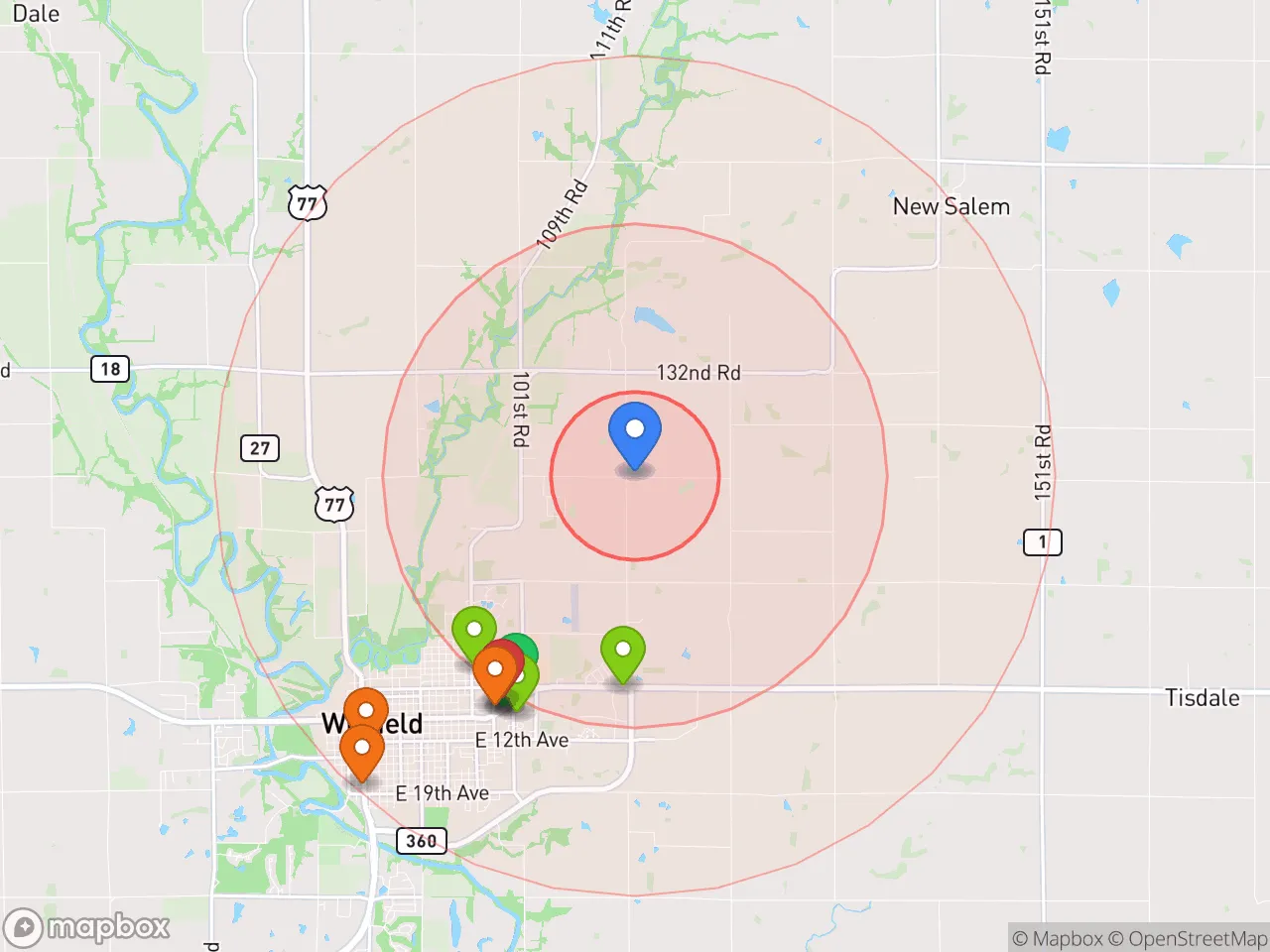
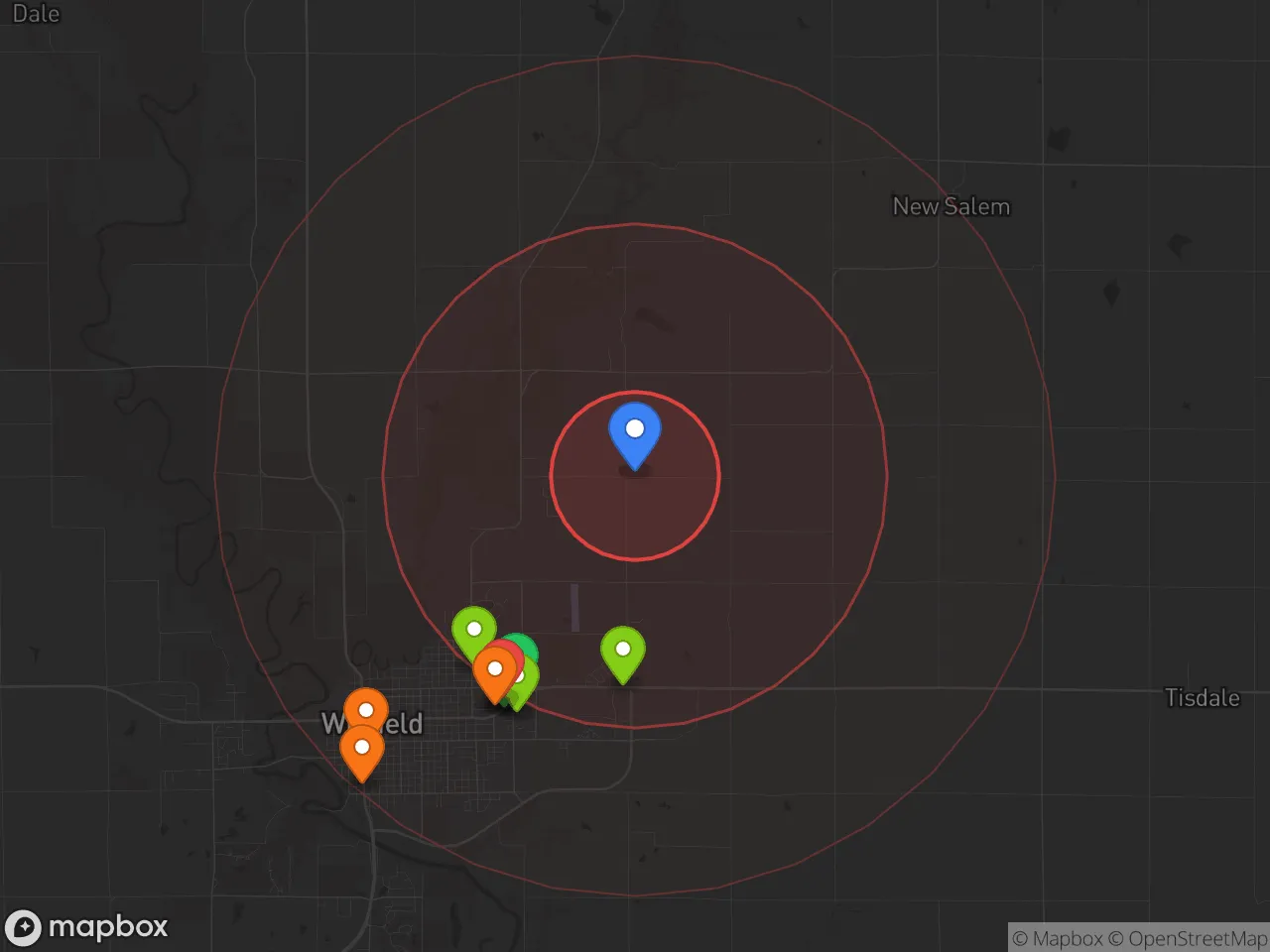
Hobbies
Explore the areaGroceries
2 within 10 miles
Gas
11 within 10 miles
Hospital
2 within 20 miles
Airport
MCI — Kansas City International
Post Office
USPS — Winfield, KS
Critical Amenities
Quality-of-Life Analysis
Winfield, Kansas, offers a notably affordable quality of life that attracts a mix of working families, retirees, and professionals seeking a slower pace without sacrificing access to basic amenities. With a cost of living index of 57 (43% below the U.S. average), the city provides a financial cushion that is increasingly rare in larger metropolitan areas. The population skews slightly older and more family-oriented than the national median, reflecting a community where stability, local employment, and community ties are valued over urban hustle.
How housing costs and everyday expenses compare to nearby towns
Winfield’s housing market is a primary driver of its low cost of living. The median home value sits at $121,200, while the median rent is $770 per month—both well below the Kansas state averages of roughly $190,000 and $950, respectively. This affordability is especially pronounced when compared to larger regional hubs like Wichita (about 50 miles north), where median home values exceed $200,000 and rents average over $1,100. Everyday expenses such as groceries, utilities, and healthcare also run 10–15% below national norms, meaning a household earning the local median income of around $55,000 can maintain a comfortable standard of living. The average commute of 17.6 minutes is notably short, reducing transportation costs and freeing up time for family or leisure—a sharp contrast to the 30+ minute commutes common in Wichita or Kansas City suburbs.
What daily life is like for families: schools, parks, and local amenities
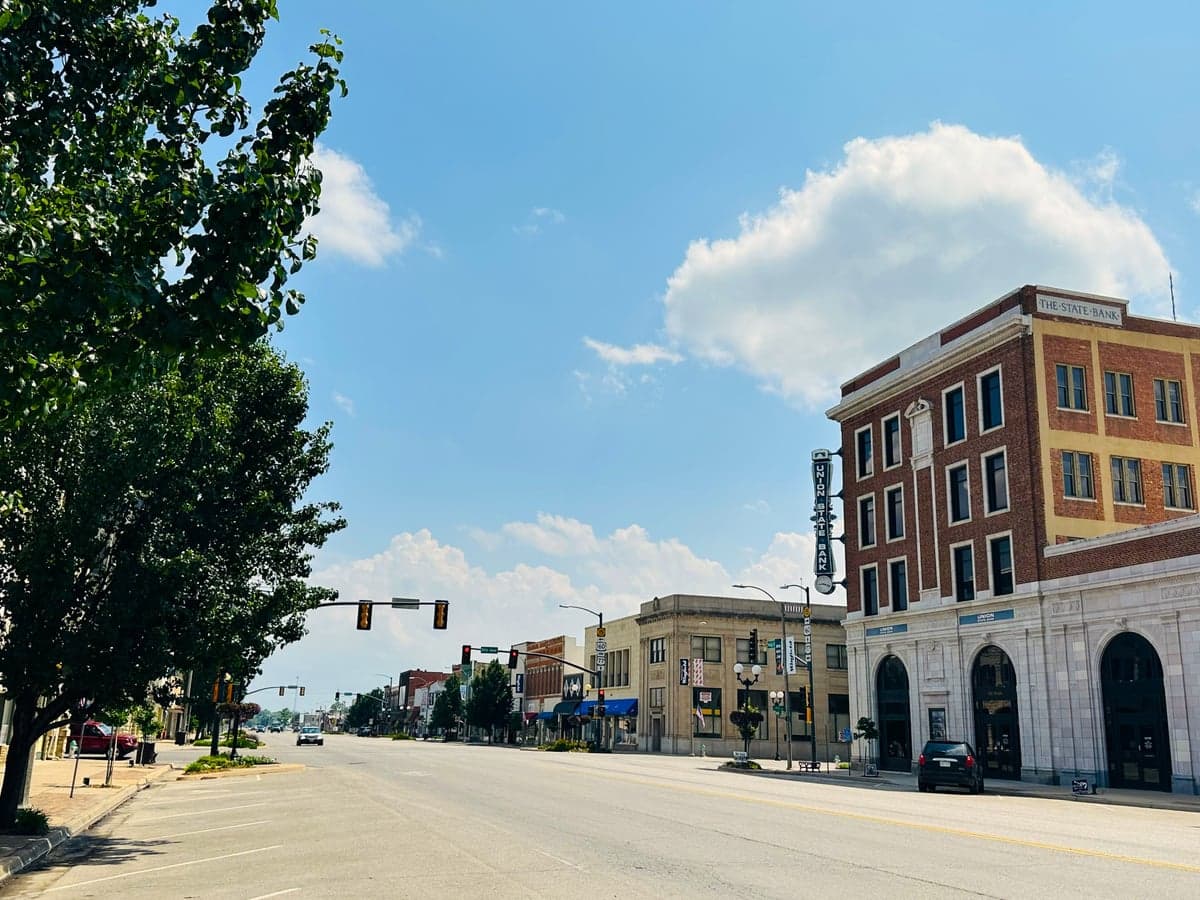
Daily life in Winfield centers on a compact, walkable downtown and a network of well-maintained parks. The Winfield USD 465 school district serves roughly 2,500 students and includes Winfield High School, which offers a range of AP courses and vocational programs through the Cowley College partnership. For higher education, Southwestern College (a private liberal arts college) anchors the town’s cultural calendar with theater productions, concerts, and public lectures. Outdoor recreation is a key draw: the 1,200-acre Winfield City Lake provides fishing, hiking, and camping, while the nearby Walnut River offers canoeing and kayaking. The town’s annual Walnut Valley Festival (bluegrass and acoustic music) draws thousands each September, reinforcing a community identity built around music and outdoor gatherings. Grocery shopping is served by a local Dillons and a Walmart Supercenter, and basic healthcare is available at William Newton Hospital, though specialized care often requires a drive to Wichita.
Winfield is best suited for those who prioritize financial breathing room, a short commute, and a close-knit community over the fast-paced amenities of a large city. Retirees on fixed incomes, remote workers seeking lower overhead, and families who value good schools and outdoor access will find the trade-offs worthwhile. However, residents should expect limited nightlife, fewer dining options, and a job market concentrated in manufacturing (e.g., Winfield’s General Electric plant), healthcare, and education. For anyone comfortable with a quieter, self-reliant lifestyle, Winfield delivers a high quality of life at a fraction of the national cost.

Crime in Winfield, KS
Generally safer than 61% of comparable U.S. locations.
Violent CrimeViolent Crime Analysis
Property CrimeProperty Crime Analysis
Crime Analysis
Winfield, Kansas, reports a violent crime rate of 291.7 incidents per 100,000 residents and a property crime rate of 3,037.3 per 100,000, placing it above national averages for both categories. These figures indicate that while Winfield is not a high-crime urban center, residents face a notably elevated risk of theft, burglary, and vehicle-related crime compared to the typical U.S. community. The overall safety picture is mixed: the town benefits from a small-city atmosphere and active local policing, but the data signals that property crime in particular demands routine vigilance.
Crime in context
Winfield’s violent crime rate of 291.7 per 100,000 is roughly 20% higher than the national average of approximately 240 per 100,000, and significantly above the Kansas state average of about 280 per 100,000. Property crime in Winfield, at 3,037.3 per 100,000, is nearly double the national average of roughly 1,950 per 100,000 and well above the Kansas state figure of around 2,200 per 100,000. These comparisons place Winfield in a higher-risk tier for a community of its size (roughly 12,000 residents). The elevated property crime rate is the most pressing concern, as it suggests frequent opportunities for theft and burglary that are not as common in safer peer communities across the state.
What residents experience
In practical terms, Winfield residents are far more likely to encounter property crime than violent crime. Theft from vehicles, home burglaries, and shoplifting are the most common incidents reported. Violent crime, while less frequent, does occur and includes aggravated assault as the leading category. Residents should be aware that property crime rates have remained stubbornly high in recent years, with no clear downward trend. The local police department maintains a visible presence, but the volume of property offenses strains resources. For those moving to Winfield, securing homes with good lighting, alarm systems, and locked vehicles is a practical necessity rather than an optional precaution.
Neighborhood-level variation in Winfield is modest but noticeable. Older, more established residential areas near the downtown core and the Southwestern College campus tend to report slightly lower crime rates, while areas along the U.S. 77 corridor and near commercial strips see higher concentrations of property crime. The city’s overall crime pattern is diffuse rather than concentrated in a single high-crime district. Prospective residents should consult local police department crime maps or speak with a real estate agent familiar with block-by-block safety differences, as even a few streets can make a meaningful difference in day-to-day security. Given the elevated rates, anyone considering a move to Winfield should prioritize a thorough review of recent crime data for their specific target neighborhood.
* Values derived from national, state, county, city and local statistics and may differ in a specific area. Last updated: 2026-04-30T03:55:13.000Z
Narrative content on this page is AI-generated and may contain mistakes. Verify any details that matter before acting on them.
ReloMaps may earn a commission from affiliate links at no extra cost to you.

