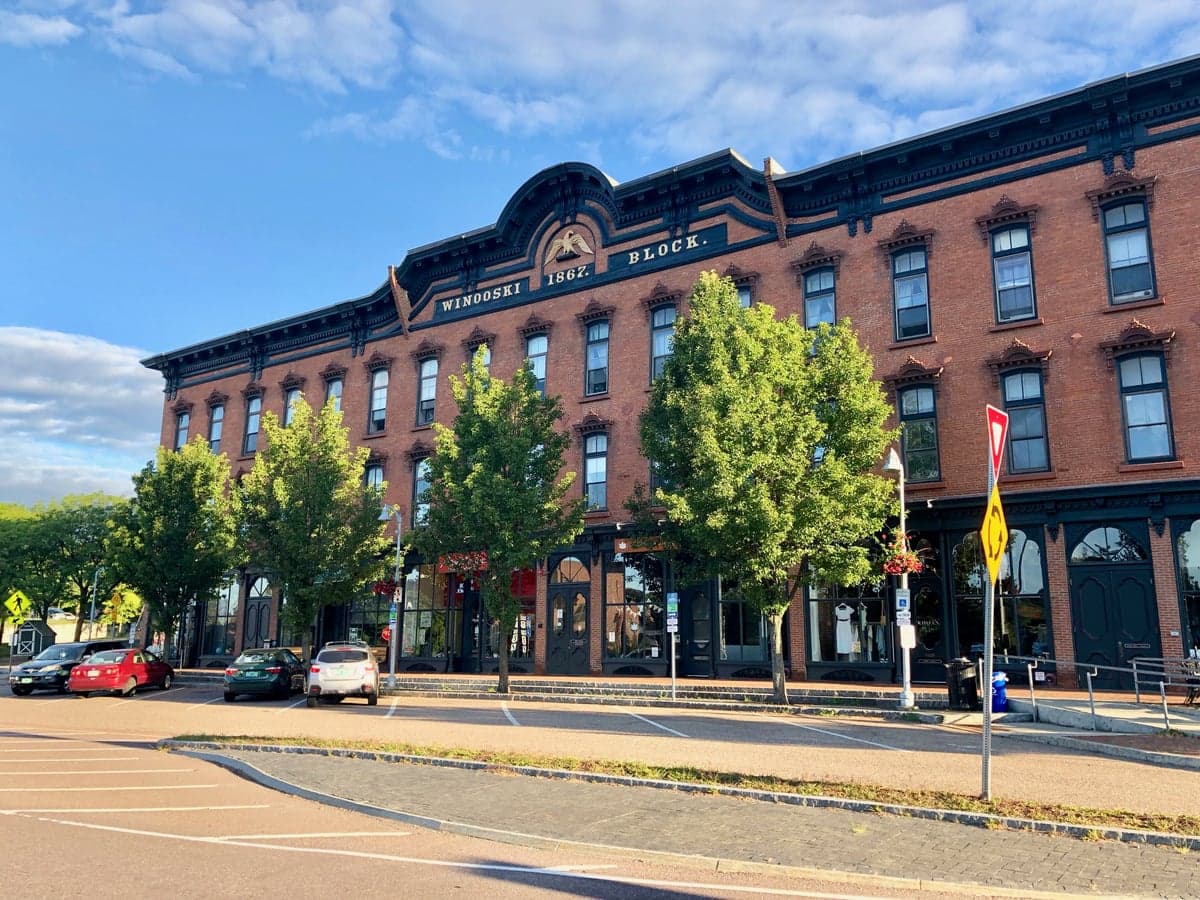
Photo: Wikipedia
Quality of Life in Winooski, VT
A high quality of life with strong walkability, manageable living costs, healthy neighborhood signals, and solid amenity access.
What does Quality of Life tell us?
Quality of Life blends cost of living, nearby amenities, socioeconomic signals, and neighborhood character. City-level scores represent the whole municipality; individual neighborhoods can differ.
What does this tell us?
Quality of Life blends cost of living, nearby amenities, socioeconomic signals, and neighborhood character. City-level scores represent the whole municipality; individual neighborhoods can differ.
Cost of Living
34% above national average
The Real Cost of Living in Winooski, VT for 2026
| Tier | Individual | Family (4) |
|---|---|---|
| Survival | $25k | $47k |
| Comfortable | $68k | $100k |
| Luxury | $103k+ | $160k+ |
| Elite (Top 5%) | $122k+ | $189k+ |
77%
The Area Signal
A metric tracking the socioeconomic signals of the area.
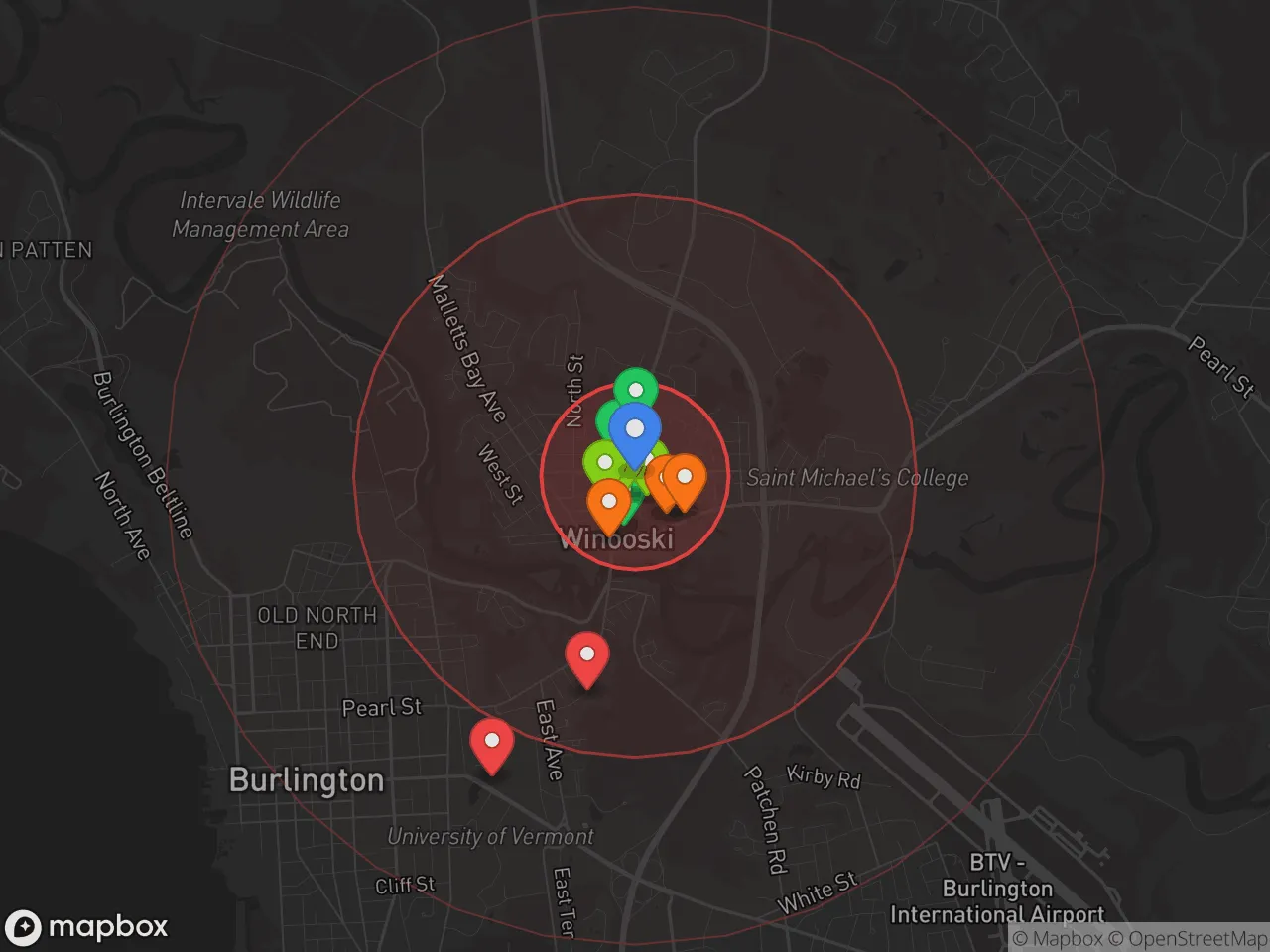
Hobbies
Explore the areaGroceries
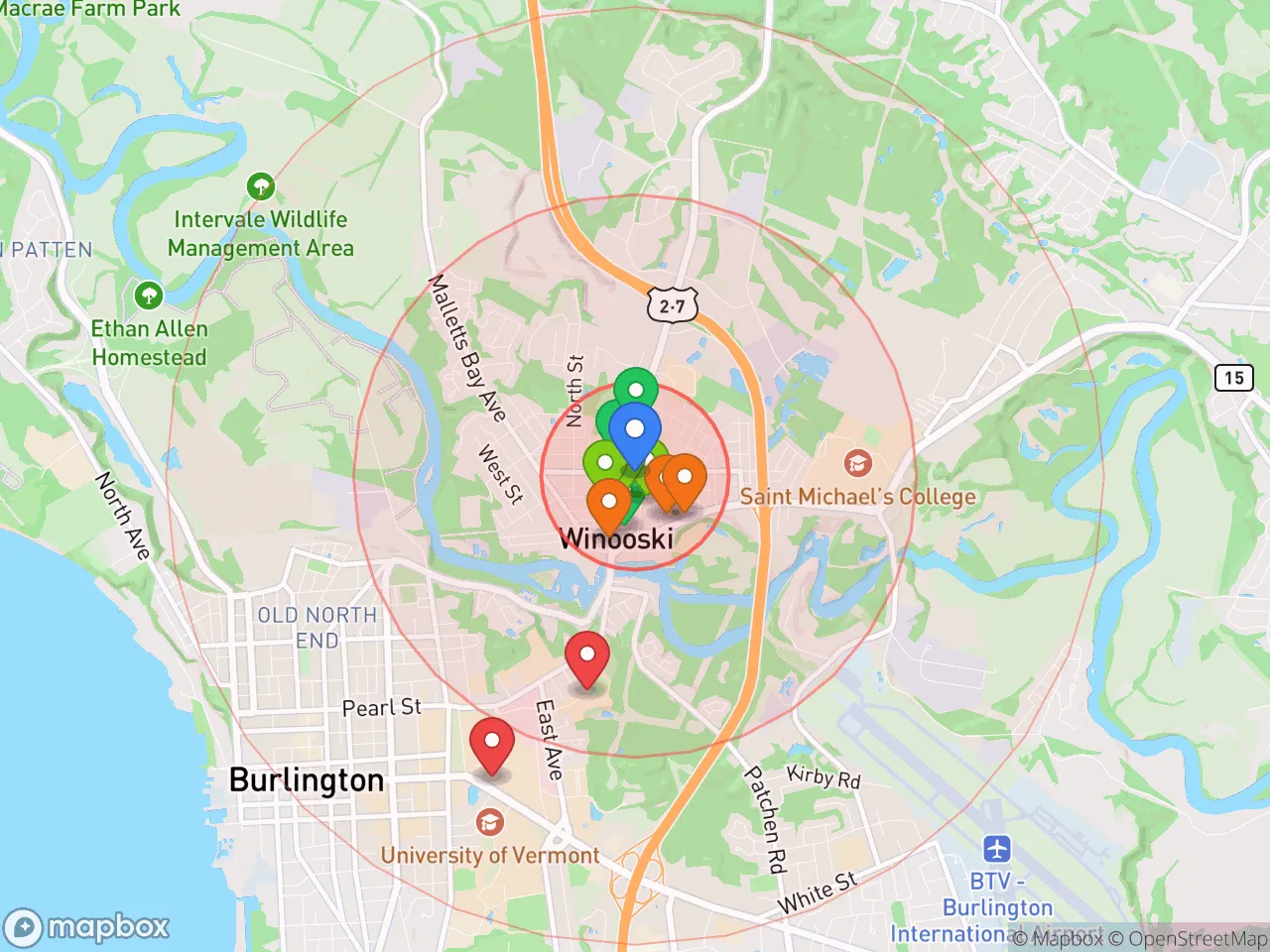
6 within 10 miles
Gas
20 within 10 miles
Hospital
2 within 20 miles
Airport
PDX — Portland International Jetport
Post Office
USPS — Winooski, VT
Critical Amenities
Quality-of-Life Analysis
Winooski, Vermont, presents a distinctive quality-of-life profile shaped by its status as a dense, walkable city with a median household income near $60,000—modest by Chittenden County standards—and a notably young, diverse population. Roughly 30% of residents are under 18, and the city’s foreign-born population exceeds 20%, giving it a multicultural, energetic character uncommon in rural Vermont. This is not an affluent suburb; it is a working-to-middle-class urban hub where affordability pressures are real but still less extreme than in neighboring Burlington.
Cost of living and housing affordability compared to Burlington and South Burlington
Winooski’s cost of living index stands at 134, well above the national average of 100, driven primarily by housing. The median home value of $350,700 is roughly 15% lower than Burlington’s median of about $410,000, making Winooski one of the more attainable home-buying options in Chittenden County. Median rent sits at $1,635, which undercuts Burlington’s typical $1,800+ for a two-bedroom but still consumes a significant share of local incomes. The average commute of 21.5 minutes is short by national standards, reflecting the city’s compact geography and proximity to major employers like the University of Vermont Medical Center and GlobalFoundries in Essex Junction. For renters and first-time buyers, Winooski offers a trade-off: lower upfront costs than Burlington or South Burlington, but a higher cost burden than more rural towns like Colchester or Williston.
Daily life, schools, and what makes the city feel like a community
Daily life in Winooski revolves around its walkable downtown core, anchored by the Winooski Farmers Market, the Champlain Mill mixed-use development, and a growing restaurant scene that includes notable spots like Misery Loves Co. and Sneakers Bistro. The Winooski School District serves roughly 1,100 students from pre-K through 12th grade, with a single campus that fosters a close-knit, community-oriented atmosphere. The school’s diversity is a standout feature—over 30 languages are spoken among students—and the district has invested in multilingual family engagement programs. Parks like Landry Park and the Winooski Riverwalk provide green space for recreation, while the bike path along the river connects directly to Burlington’s waterfront. The city’s compact size means most errands can be done on foot or by bike, and the Chittenden County Transportation Authority (CCTA) bus system offers frequent service to Burlington and the University of Vermont. Residents describe the rhythm as slower than a true city but faster than Vermont’s rural towns, with a palpable sense of civic pride and neighborly interaction.
Winooski is best suited for young professionals, families seeking an affordable entry point to the Burlington metro area, and anyone who values walkability, diversity, and a tight-knit community over suburban space or rural quiet. Those who thrive here are comfortable with a higher cost of living relative to national averages but appreciate the trade-off of short commutes, local amenities, and a social fabric that feels genuinely inclusive. For retirees or those seeking large lots and low density, neighboring Colchester or Williston may be a better fit, but for renters and buyers who want an urban pulse without Burlington’s price tag, Winooski delivers a rare Vermont balance.

Crime in Winooski, VT
Generally safer than 73% of comparable U.S. locations.
Violent CrimeViolent Crime Analysis
Property CrimeProperty Crime Analysis
Crime Analysis
Winooski, Vermont, reports a violent crime rate of 272.1 per 100,000 residents and a property crime rate of 2,212 per 100,000, placing it above national averages for a city of its size. While the city benefits from Vermont’s overall low violent crime profile, its proximity to Burlington and its status as a dense, diverse urban center create a safety picture that requires careful consideration, particularly regarding the local justice system’s approach to crime.
Crime in context
Winooski’s violent crime rate of 272.1 per 100,000 is roughly 75% higher than the national average of about 155 per 100,000, though it remains lower than many similarly sized New England cities. Property crime, at 2,212 per 100,000, is approximately 25% above the national average of 1,760 per 100,000. These figures place Winooski in a challenging middle ground: safer than larger urban centers like Burlington (which reports higher rates per capita) but notably more crime-prone than surrounding Chittenden County towns like Colchester or South Burlington. The city’s small geographic footprint (just 1.5 square miles) and high population density concentrate incidents, making raw rates appear elevated compared to sprawling suburban areas.
What residents experience
Residents most frequently encounter property crimes—theft from vehicles, bicycle theft, and break-ins—which account for the bulk of reported incidents. Violent crime, while less common, includes aggravated assault and robbery, often tied to disputes or substance-use-related incidents. A significant concern for many residents is the impact of progressive prosecutorial policies in Chittenden County. The State’s Attorney’s office has implemented diversion programs and reduced incarceration for non-violent offenses, which critics argue leads to repeat offenders cycling through the system without meaningful consequences. This approach, while intended to address root causes like addiction and poverty, can leave victims feeling underserved and embolden property criminals. Public perception surveys and local news reports frequently cite frustration with perceived leniency, especially regarding theft and drug-related crime.
Neighborhood-level variation
Safety varies noticeably within Winooski’s compact borders. The downtown core along Main Street and the area around the Winooski Circle see higher foot traffic and correspondingly more petty theft and occasional disturbances. The residential neighborhoods east of the Winooski River, particularly near the Vermont College of Fine Arts campus, tend to report fewer incidents. The Lakeside Avenue and East Allen Street corridors have historically seen more police calls for service. However, the city’s small size means that no area is truly insulated from crime, and residents across all neighborhoods report occasional property crime. The lack of distinct, isolated subdivisions means that safety is largely a function of street-level activity and lighting rather than geographic separation.
* Values derived from national, state, county, city and local statistics and may differ in a specific area. Last updated: 2026-04-22T21:40:17.000Z
Narrative content on this page is AI-generated and may contain mistakes. Verify any details that matter before acting on them.
ReloMaps may earn a commission from affiliate links at no extra cost to you.

