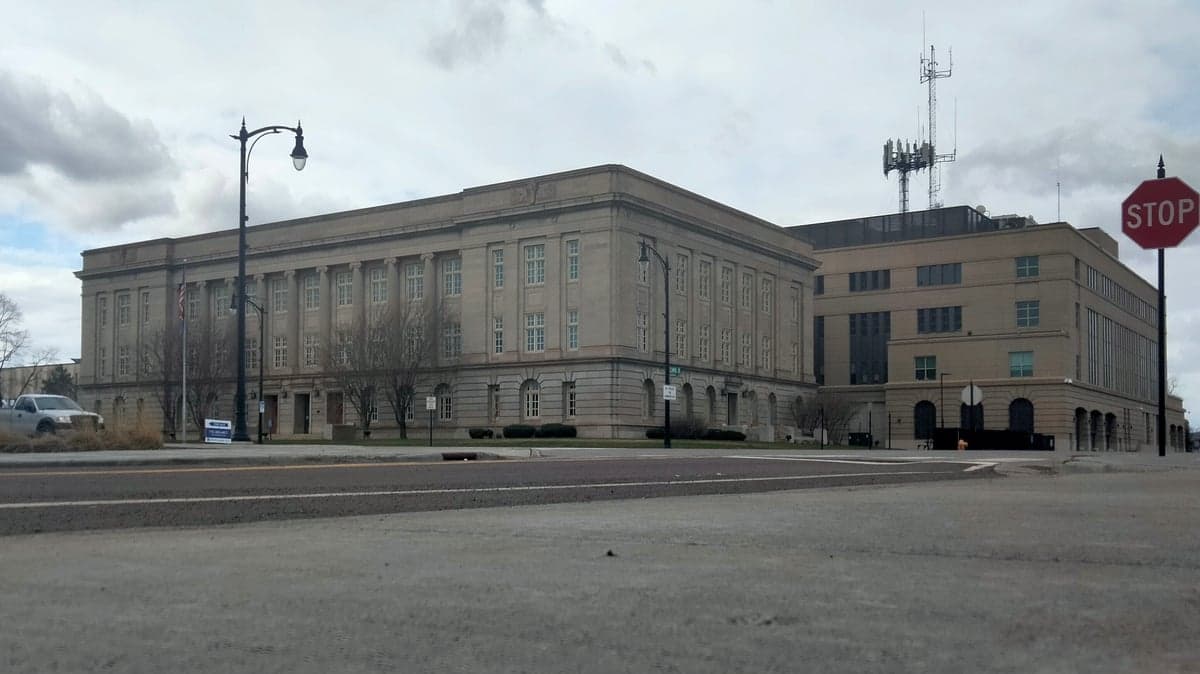
Photo: Wikipedia
Find The Best Places To Live in Douglas County
PRO TIP! You can paste a Zillow or Redfin link to get info on that property.
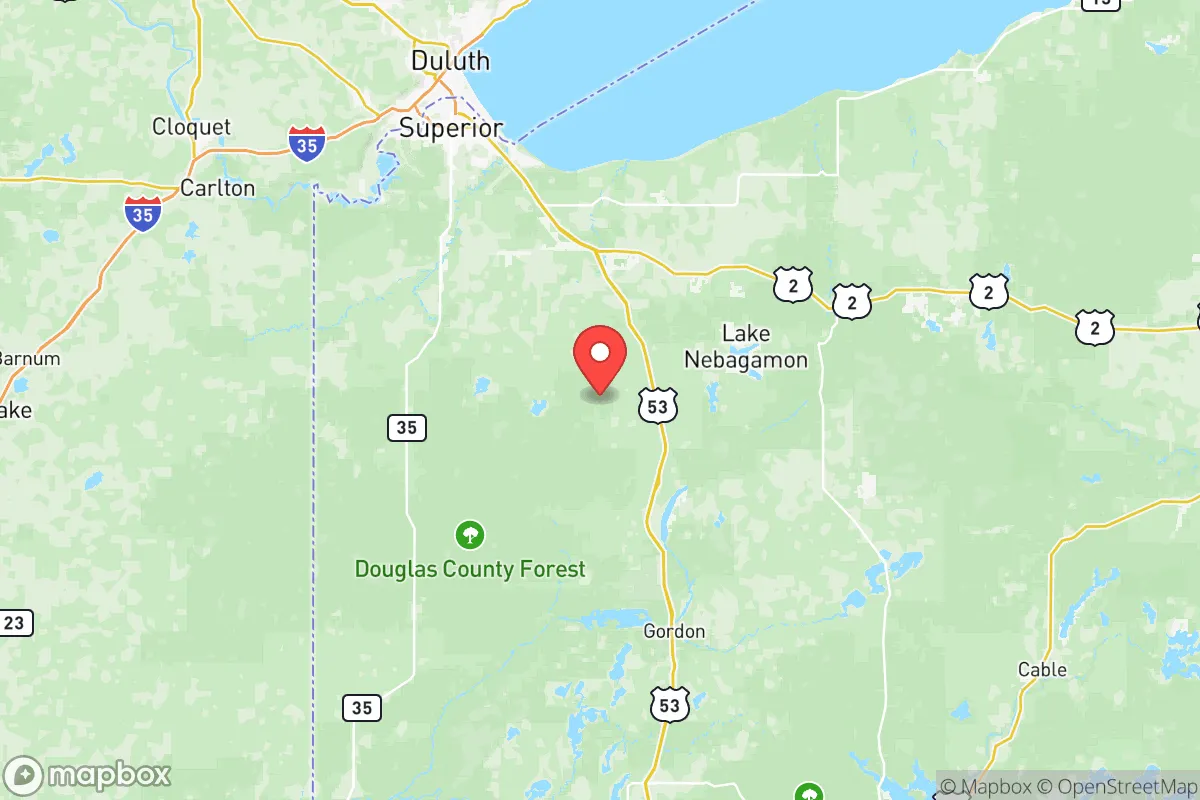
Best Places to Live in Douglas County
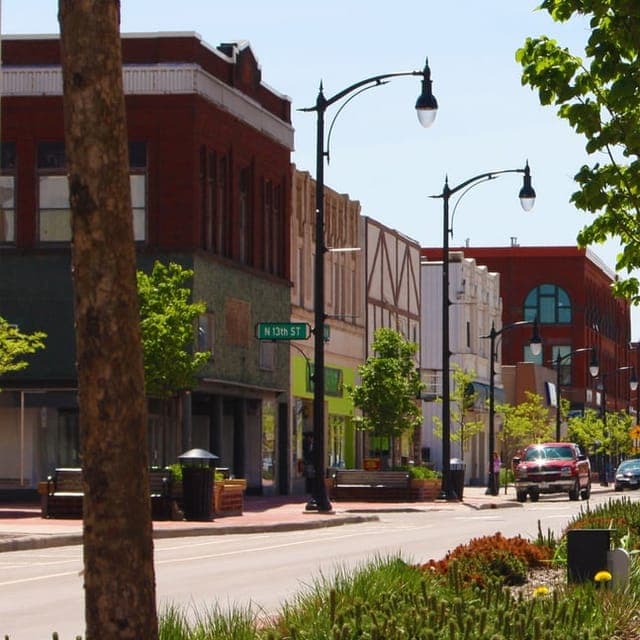
Cities & Towns in Douglas County
Cities in Douglas County
What It's Like Living in Douglas County, WI
Living in Douglas County, Wisconsin, feels a bit like being in on a secret that the rest of the Midwest hasn't quite discovered yet. It’s a place where the Northwoods start to creep into everyday life, where the air smells like pine and lake water, and where the biggest decision on a Friday night might be whether to catch a show at the Wessman Arena or grab a burger at the Thirsty Pagan in Superior. The county’s identity is split between the working-class port city of Superior and the quieter, more rural towns like Solon Springs, Gordon, and Wascott, giving it a mix of grit and tranquility that doesn't exist anywhere else in Wisconsin.
The Daily Rhythm: Lake Superior Time and the Commute
Life here moves at a pace dictated by the seasons and the lake. In Superior, the largest city, daily life revolves around the twin ports and the University of Wisconsin-Superior. People shop at the Miller Hill Mall in nearby Duluth, Minnesota, or hit the local hardware stores and grocery co-ops in Superior proper. The average commute is just over 22 minutes, which is a genuine luxury—you can live on a quiet, wooded lot in the town of Maple or a lakefront property in the town of Brule and still be at your desk in Superior or Duluth in under half an hour. For those who work in Duluth, crossing the Blatnik Bridge twice a day is a ritual, and locals have a love-hate relationship with the winter winds that can shut it down. The median age here is 42.8, reflecting a population that includes both young families drawn by affordable housing and retirees who want to be near the Apostle Islands without the tourist crowds.
Sports, Community, and the Friday Night Lights
High school sports are a genuine community anchor, especially in the smaller towns. The Superior Spartans football and hockey games draw crowds that pack the stands at the NBC Spartan Sports Complex, and the rivalry with Duluth East is a big deal. But the real local obsession is hockey—youth hockey is huge, and the University of Wisconsin-Superior Yellowjackets men's and women's teams are a source of pride. In the summer, the focus shifts to the outdoors: the Bois Brule River is famous for its trout fishing and canoeing, and the Brule River State Forest offers miles of trails. The town of Solon Springs is a hub for those who love the St. Croix River headwaters, while Gordon is known for its annual Gordon Rodeo, a genuine slice of small-town Americana that draws families from across the county. For a change of pace, the Richard I. Bong Veterans Historical Center in Superior is a must-visit, honoring the local WWII ace and offering a surprisingly deep museum experience.
What's There to Do: From Dive Bars to the Apostle Islands
Entertainment here is decidedly local and unpretentious. In Superior, the Thirsty Pagan is the go-to for craft beer and brick-oven pizza, while the Anchor Bar & Grill is a classic dive where you can catch a Packers game with folks who’ve known each other for decades. For a more refined evening, the Wessman Arena hosts concerts and the annual Douglas County Fair, which is a highlight of the summer. The real draw, though, is the outdoors. The Lake Superior shoreline offers stunning views and access to the Apostle Islands National Lakeshore, just a short drive from the town of Bayfield. In the winter, snowmobiling and ice fishing dominate—the Gandy Dancer Trail runs through the county and is a favorite for ATVs in summer and snowmobiles in winter. The cost of living index is 74, well below the national average, which means a median home value of $190,400 can get you a solid three-bedroom with a yard and a garage, something that feels impossible in much of the country.
Pros and Cons of Living Here
Longtime residents love the affordability and the access to nature. You can own a cabin on a lake in the town of Wascott for what a studio apartment costs in Madison. The community is tight-knit—people know your name at the local grocery store, and neighbors help each other with snow removal without being asked. The schools, like Superior High School and the smaller Solon Springs School, are deeply integrated into community life, with parent involvement that’s hard to find in bigger districts. On the downside, the violent crime rate of 236.8 per 100,000 is higher than the national average, and most of that is concentrated in parts of Superior, which can feel rougher around the edges than the surrounding towns. The weather is a genuine factor—winters are long, gray, and snowy, with lake-effect snow that can dump two feet in a day. The median income of $72,579 is decent for the area, but job growth is slow, and many residents commute to Duluth for work in healthcare, education, or retail. The college-educated rate of 27.8% is below the state average, which reflects the blue-collar roots of the region—this is a place where a trade skill is often more valued than a four-year degree.
For the right person, Douglas County offers a life that’s grounded, affordable, and deeply connected to the natural world. It’s not for everyone—the isolation and the long winters can wear on those who crave urban energy. But for families who want their kids to grow up fishing on the Brule River and for singles who prefer a quiet evening by a campfire to a night on the town, it’s a place that feels like home from the first snowfall.

* Values derived from national, state, county, city and local statistics and may differ in a specific area. Last updated: 2026-06-06T21:38:18.000Z
Narrative content on this page is AI-generated and may contain mistakes. Verify any details that matter before acting on them.
ReloMaps may earn a commission from affiliate links at no extra cost to you.

