Demographics of Wolfforth, TX
Affluence Level in Wolfforth, TX
A middle-class area roughly in line with national averages across income, home values, education, and employment.
People of Wolfforth, TX
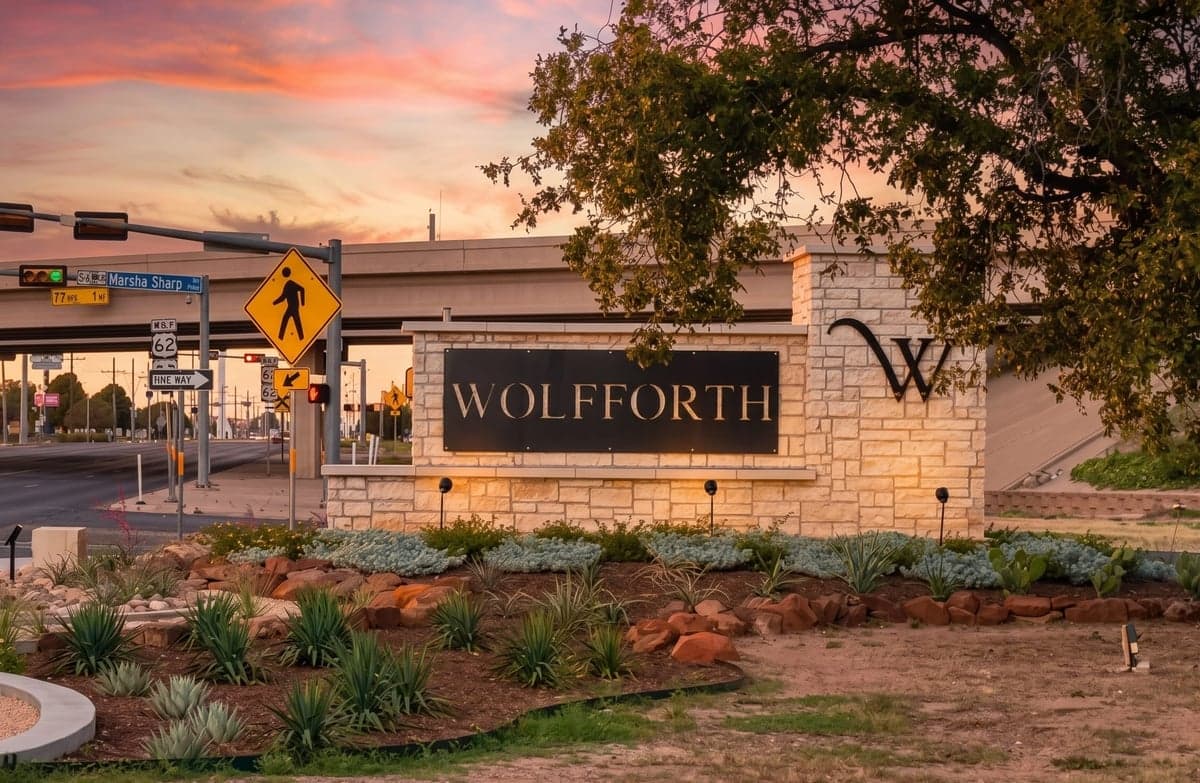
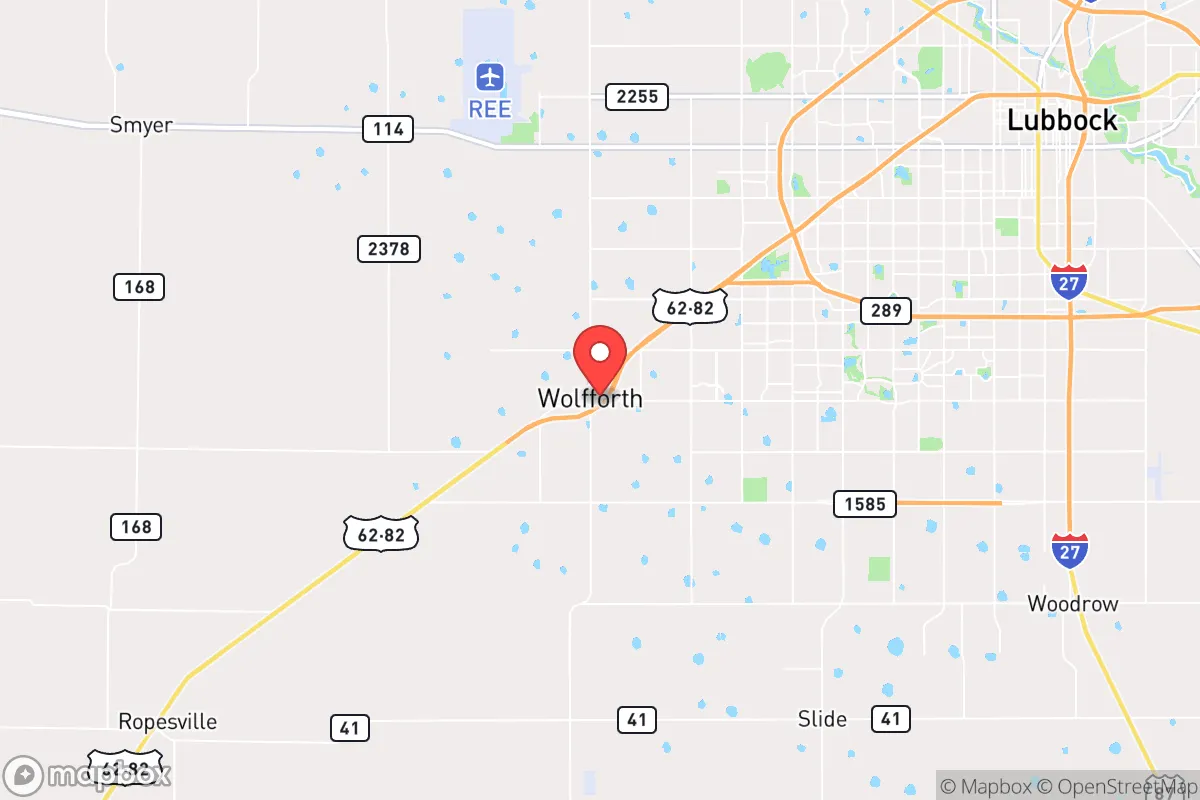
Wolfforth, Texas, is a small, family-oriented city of 6,189 residents that has rapidly transformed from a quiet farming community into a bedroom suburb of Lubbock. The population is predominantly White (63.3%) with a substantial and growing Hispanic community (33.4%), creating a bicultural dynamic that shapes local life. The city’s identity is rooted in its agricultural past and its present-day role as a safe, affordable alternative to the larger city just eight miles to the north. Residents often describe Wolfforth as a place where neighbors know each other and where the pace of life remains slower than in Lubbock, even as new subdivisions fill in former cotton fields.
How the city was settled and grew
Wolfforth was founded in the early 1900s as a railroad stop along the Santa Fe line, drawing its first permanent settlers—primarily Anglo farmers and ranchers from the Deep South and Midwest—who were attracted by the promise of cheap land and the newly irrigated cotton economy. The town was officially platted in 1915, and its early population clustered around the depot in what is now the Old Town Wolfforth district, where the original grain elevators and a handful of early 20th-century homes still stand. During the Dust Bowl and Great Depression, the population held steady as families who had already weathered hard times on the High Plains chose to stay. Through the 1940s and 1950s, Wolfforth remained a small, overwhelmingly White farming community of fewer than 500 people, with most families living on working farms or in modest homes along Downtown Avenue and 19th Street. No significant wave of non-Anglo settlement occurred during this period; the Hispanic population that would later define much of the city’s growth did not begin arriving in numbers until the late 20th century.
Modern era (post-1965)
The post-1965 era brought gradual demographic change to Wolfforth, driven primarily by domestic in-migration from rural West Texas and by Hispanic families moving from the Rio Grande Valley and Mexico for agricultural and construction work. The 1980s and 1990s saw the first significant Hispanic settlement, with many families buying homes in the Sunset Acres and Meadowbrook neighborhoods, areas that offered affordable starter homes on larger lots. By 2000, the Hispanic share of the population had risen to roughly 20%, and it has continued climbing steadily since. The city’s foreign-born population remains very low at just 1.6%, indicating that nearly all Hispanic residents are U.S.-born or long-term legal residents. Meanwhile, the White population has grown in absolute numbers but declined as a share of the total, as new Anglo families tend to settle in the newer subdivisions on the city’s north and east sides, such as Cottonwood Creek and Prairie View Estates. The Black population (0.6%) and East/Southeast Asian population (0.1%) remain negligible, and there is no measurable Indian-subcontinent community. The city’s college-educated share (32.9%) is slightly below the national average, reflecting its blue-collar and agricultural roots, though this figure is rising as Lubbock professionals move in.
The future
Wolfforth’s population is projected to continue growing at a steady pace, likely reaching 8,000–9,000 by 2040, driven by Lubbock’s eastward expansion and the city’s reputation for low crime and good schools. The Hispanic share is expected to increase gradually, possibly approaching 40–45% over the next two decades, as younger Hispanic families move into newer developments like Willow Creek and The Preserve at Wolfforth, which are attracting a mix of Anglo and Hispanic buyers. The city is unlikely to become significantly more diverse beyond the White-Hispanic axis, given the very low Black and Asian populations and the lack of major employers or universities that would draw a broader mix. Culturally, Wolfforth is evolving from a strictly Anglo farming town into a bicultural community where Spanish is increasingly heard at school events and local businesses, though English remains dominant in public life. The city’s political character leans conservative, consistent with the broader South Plains, and new residents tend to be families seeking conservative values, good schools, and affordable housing.
For someone moving in now, Wolfforth offers a stable, family-focused environment where the dominant cultural shift is the integration of a growing Hispanic population into a historically Anglo community. The city is becoming more suburban and less agricultural, but it retains a small-town feel that appeals to those who want Lubbock’s amenities without its urban problems. New arrivals should expect a place where neighborly relationships still matter, where the school system is a central community hub, and where the demographic future is one of gradual, organic change rather than rapid transformation.

* Values derived from national, state, county, city and local statistics and may differ in a specific area. Last updated: 2026-08-25T23:28:03.000Z
Narrative content on this page is AI-generated and may contain mistakes. Verify any details that matter before acting on them.
ReloMaps may earn a commission from affiliate links at no extra cost to you.

