Photo: Wikipedia
Find The Best Places To Live
in Lubbock
PRO TIP! You can paste a Zillow or Redfin link to get info on that property.
What It's Like Living in Lubbock, TX
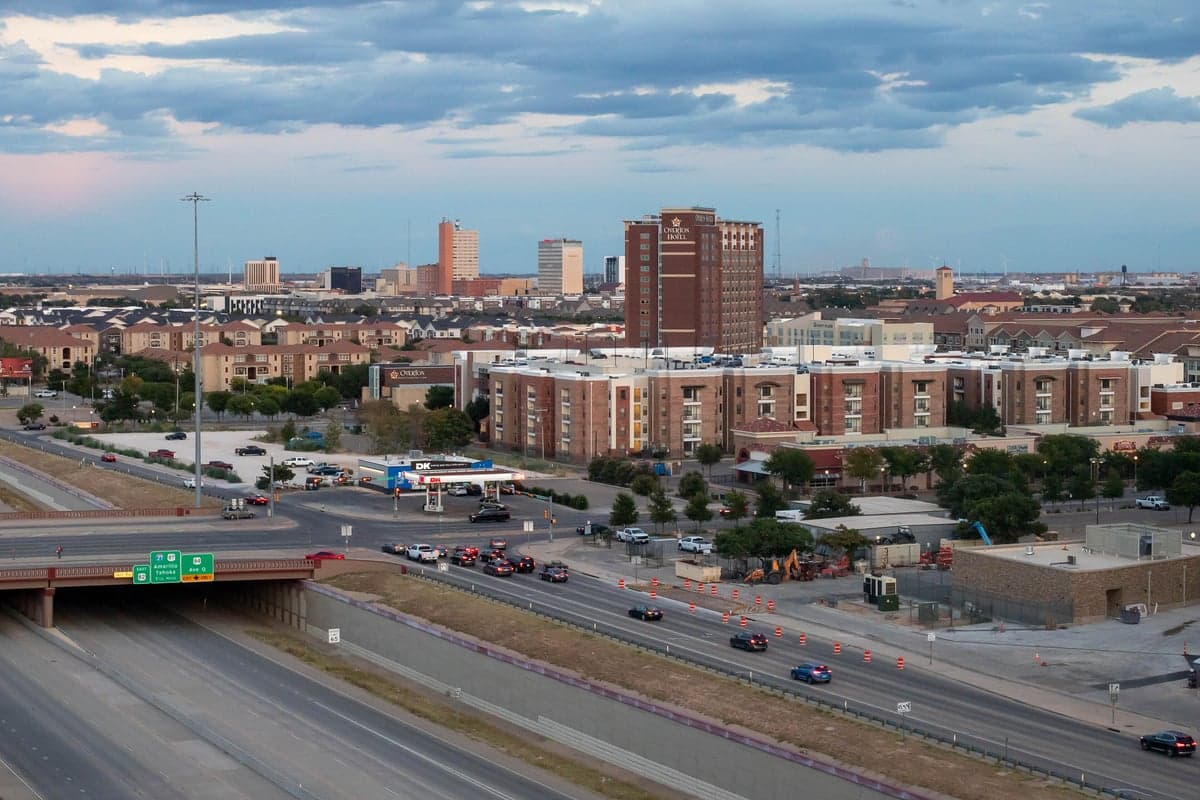
Lubbock feels less like a sprawling West Texas city and more like a big small town where everyone knows someone who knows someone. With a population just north of 261,000, it’s the region’s economic and cultural anchor, but the vibe is distinctly unpretentious — think pickup trucks, Tech football, and a genuine friendliness that catches newcomers off guard. The median age here is just 30.4, so you’ll find a young, energetic pulse mixed with deep-rooted families who’ve been around for generations.
The Daily Rhythm: Work, Commute, and Weekend Rituals
Daily life in Lubbock moves at a slower pace than Dallas or Houston, and the average commute of just over 16 minutes is a genuine quality-of-life perk. Most people work in healthcare, education, or agriculture — Texas Tech University and the sprawling Covenant Health system are the two largest employers, and you’ll see plenty of folks in scrubs or Tech gear grabbing coffee at local spots like J&B Coffee or The Coffee Shop at 34th Street. The median household income sits around $60,487, which goes further here than in most of Texas thanks to a cost of living index of 87 — well below the national average. Weekends often revolve around high school football in the fall (Monterey and Frenship are big deals), hitting the farmers market at the Lubbock Memorial Civic Center, or a Saturday night at the Blue Light Live listening to Red Dirt country. Shopping is practical: you’ll find the usual big-box stores along Slide Road and South Plains Mall, but locals take pride in supporting places like the local Tractor Supply or the independent bookstores near campus.
Sports & Community: Where Loyalty Runs Deep
If you live in Lubbock, you live Texas Tech football. Game days at Jones AT&T Stadium are the closest thing the city has to a civic holiday — tailgating starts at dawn, and the whole town seems to shut down for a Saturday kickoff. Basketball and baseball at Tech also draw strong crowds, but the real grassroots passion is high school sports. Friday night lights are a genuine ritual, and the rivalries between Lubbock-Cooper, Frenship, and Monterey are intense enough to fill stadiums with 10,000 people. Beyond the field, the community rallies around the annual Fourth on Broadway festival and the National Cowboy Symposium, which celebrate the region’s ranching heritage. For a city its size, Lubbock also has a surprisingly lively music scene — the Cactus Theater and Buddy Holly Hall draw national acts, and you can catch local bands at The Office Grill or the Backstage at the Blue Light any weekend.
What’s There to Do: Food, Festivals, and the Wide Open
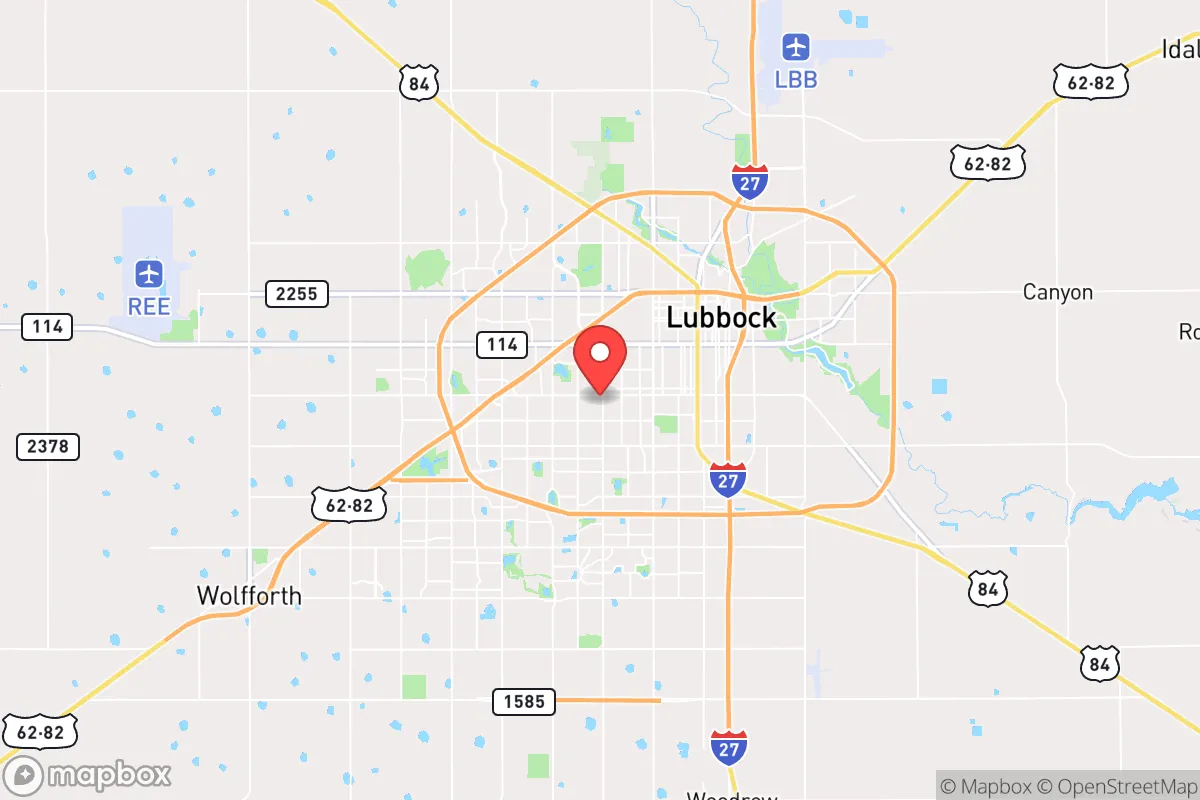
Lubbock’s entertainment leans heavily on its food and outdoor spaces. The restaurant scene is anchored by West Texas staples: Cast Iron Grill for chicken-fried steak, Evie Mae’s Pit Barbecue for brisket that rivals anything in Austin, and Orlando’s for Italian in a converted house. The city’s craft beer scene has grown too, with breweries like Two Docs Brewing Co. and Triple J Chophouse & Brewery drawing crowds. For outdoor recreation, Mackenzie Park offers golf, disc golf, and the Prairie Dog Town (yes, real prairie dogs), while the Lubbock Lake Landmark is a National Historic Landmark with hiking trails and archaeological sites. The biggest annual event is the National Cowboy Symposium in September, which brings chuckwagon cooking, poetry, and horse riding to the fairgrounds. The weather is the biggest practical reality: summers are hot and dry (100°F is common), winters are mild with occasional ice storms, and spring brings dust storms and the occasional tornado warning — locals just roll with it.
Pros and Cons of Living Here
Longtime residents love Lubbock for its affordability and community feel. The median home value of $197,900 means a young family can buy a three-bedroom house on a single income, and the low cost of living leaves room for travel or savings. The schools — particularly Lubbock-Cooper and Frenship ISDs — are well-regarded and deeply tied to community identity. But the downsides are real. The violent crime rate of 654.7 per 100,000 is notably higher than the national average, and while most crime is concentrated in specific areas, it’s a concern for families. The isolation is another factor: Lubbock is a four-hour drive from Dallas, three from Albuquerque, and six from Austin — you’re truly in the middle of nowhere. The flat, dusty landscape and constant wind can wear on people who prefer mountains or coastlines. And while the college-educated population sits at 34.9%, the job market outside of healthcare and education is limited, so career growth often means leaving. Still, for the right person — someone who values community, low cost of living, and a slower pace — Lubbock offers a solid, unglamorous life with plenty of heart.

Similar mid-size cities to Lubbock
* Values derived from national, state, county, city and local statistics and may differ in a specific area. Last updated: 2026-04-14T20:02:39.000Z
Narrative content on this page is AI-generated and may contain mistakes. Verify any details that matter before acting on them.
ReloMaps may earn a commission from affiliate links at no extra cost to you.

