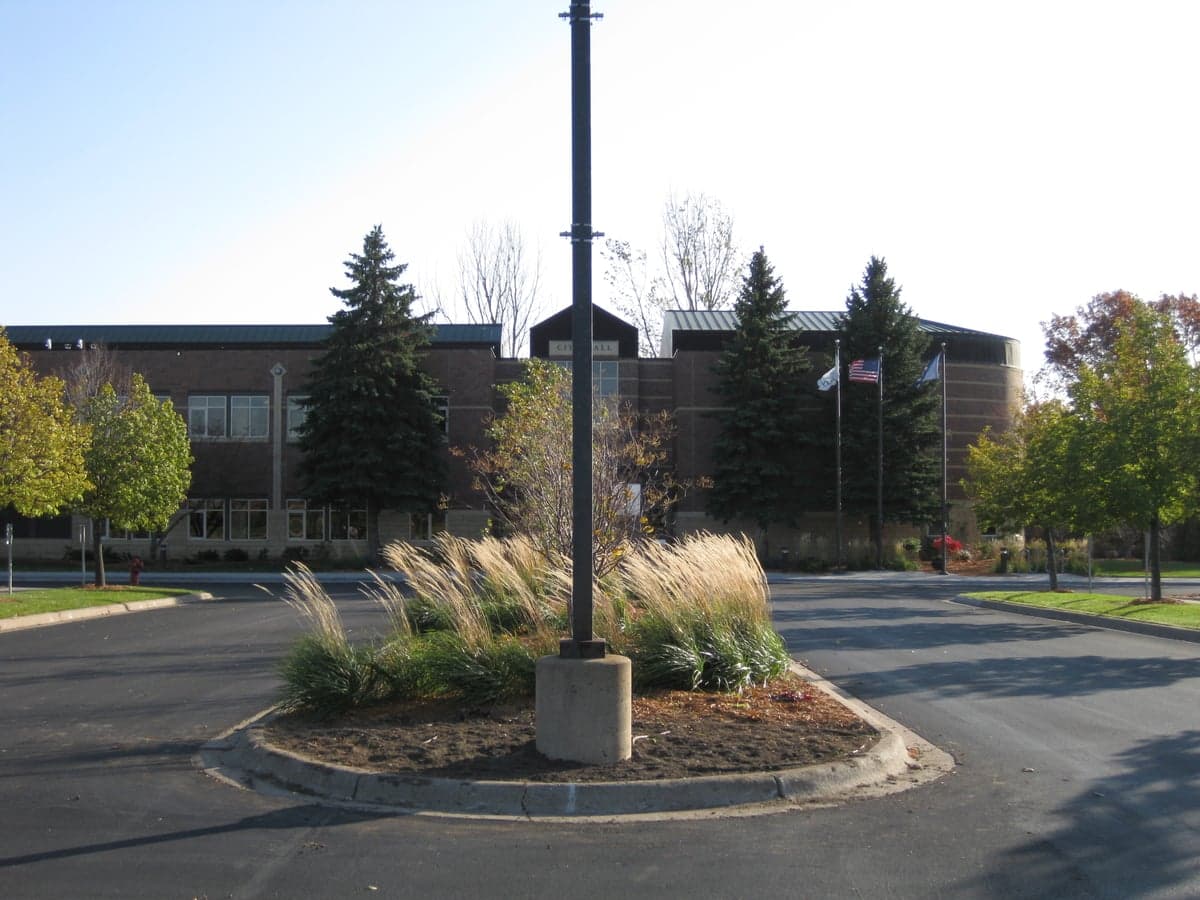
Photo: Wikipedia
Personal Sovereignty in Woodbury, MN
Viable for self-reliance. Generally workable, though some barriers may limit total independence.
What does Personal Sovereignty tell us?
Personal Sovereignty measures your capacity for self-reliance and independence with minimal government friction. Higher scores mean fewer barriers between you and the way you want to live... but it assumes you have the space you need and good neighbors.
What does this tell us?
Personal Sovereignty measures your capacity for self-reliance and independence with minimal government friction. Higher scores mean fewer barriers between you and the way you want to live... but it assumes you have the space you need and good neighbors.
State Policy
Energy independence: Importer (20% of energy produced in-state)
Personal Liberty
Homesteading

Personal Liberty Analysis
Woodbury, Minnesota, presents a complex landscape for personal sovereignty that demands a clear-eyed, strategic assessment. While the city offers a high standard of living and strong community infrastructure, it operates within a state government that has increasingly asserted authority over individual choices, from taxation to self-defense. For the survivalist or prepper, Woodbury’s environment is one of managed security—where local stability is high, but the legal and regulatory framework from St. Paul creates significant friction for those seeking true autonomy. The key is understanding that Woodbury’s prosperity is tied to a system that expects compliance, not rebellion, making it a location for those who can navigate bureaucracy rather than ignore it.
Tax burden and regulatory posture for individuals and families
Minnesota’s tax climate is a primary concern for anyone prioritizing financial sovereignty. The state imposes a progressive income tax with rates reaching 9.85% on high earners, and Woodbury adds a local sales tax of 8.375% (as of 2025-2026). Property taxes in Washington County are above the national average, with a median effective rate around 1.1% of home value. For a family in a $450,000 home, that means roughly $5,000 annually in property taxes alone. The regulatory posture extends beyond taxes: Minnesota has strict environmental and building codes that can complicate off-grid or unconventional housing projects. Permitting for alternative energy systems, rainwater collection, or even substantial home workshops requires navigating city and county bureaucracy. For the prepper, this means financial planning must account for a significant, ongoing tax burden that funds services you may not fully utilize, and any attempt to reduce that footprint through self-reliance will face regulatory hurdles.
Self-defense rights and gun law specifics in Woodbury
This is where Woodbury’s sovereignty profile diverges sharply from more liberty-friendly states. Minnesota requires a permit to carry a firearm in public, and while the state is “shall-issue” (meaning permits are granted if criteria are met), the process involves a background check, training course, and a fee. Woodbury itself is not a sanctuary city for gun rights; local law enforcement generally enforces state laws without pushback. Magazine capacity is not restricted by state law, but the political climate in the Twin Cities metro area is increasingly hostile to firearms. The 2023 “red flag” law (Extreme Risk Protection Order) allows courts to temporarily seize firearms from individuals deemed a risk, based on a petition from family or law enforcement—a tool that can be abused in a contentious divorce or neighbor dispute. For the survivalist, this means your ability to defend your home and family is legally sound within the home, but carrying for personal defense in public is a permitted, tracked, and revocable privilege. The legal environment requires strict adherence to paperwork and a low profile.
Self-reliance and homesteading viability in a suburban setting
Woodbury is a master-planned suburb, and its zoning reflects that. The vast majority of residential lots are between 0.2 and 0.5 acres, with strict covenants in many subdivisions that prohibit livestock, extensive gardening visible from the street, or structures like sheds beyond a certain size. Off-grid living is effectively illegal; the city requires connection to municipal water and sewer, and solar panels must meet aesthetic guidelines. For the serious homesteader, this is a non-starter. However, for the strategic prepper focused on suburban resilience, there are workarounds. Raised-bed vegetable gardens, fruit trees, and small-scale food preservation (canning, dehydrating) are perfectly legal and common. Backyard chickens are allowed in some areas with a permit, but roosters are banned. The real play here is not self-sufficiency on your lot, but community networking—building relationships with local farmers, joining a CSA, and stockpiling supplies in a climate-controlled basement or garage. Woodbury’s infrastructure (roads, hospitals, grocery stores) is robust, meaning a short-term crisis is manageable, but long-term collapse would require relocation to a more rural area.
Personal liberties: parental rights, medical autonomy, speech, and property
Minnesota has moved aggressively in recent years on several fronts that concern conservatives. Parental rights in education have been eroded; the state mandates that schools allow students to use preferred names and pronouns without notifying parents, and curriculum transparency laws are weak. Medical autonomy is heavily regulated—vaccine mandates for school attendance exist (with limited exemptions), and the state has a strong public health apparatus that can impose restrictions during emergencies. Free speech is protected by the First Amendment, but Woodbury’s social environment is largely progressive, meaning public expression of conservative or survivalist views may invite social ostracism or professional consequences. Property rights are generally respected, but the city’s zoning and HOA-style covenants can restrict what you do with your land. For the individualist, the trade-off is clear: you gain a safe, well-maintained community with excellent schools and low crime, but you surrender significant control over your family’s education, medical decisions, and property use to a system that is not aligned with your values.
In the broader context of the Upper Midwest, Woodbury offers a moderate level of personal sovereignty—better than Minneapolis or St. Paul proper, but far below rural Minnesota or states like South Dakota or Wisconsin. The city is a good base for those who can compartmentalize: work within the system for daily life, build a resilient home network, and maintain a low political profile. For the survivalist seeking maximum autonomy, Woodbury is a compromise location where security and convenience come at the cost of liberty. If you are willing to pay that price and keep your head down, it can work. If you want to live by your own rules without asking permission, look elsewhere.

* Values derived from national, state, county, city and local statistics and may differ in a specific area. Last updated: 2026-04-24T06:38:16.000Z
Narrative content on this page is AI-generated and may contain mistakes. Verify any details that matter before acting on them.
ReloMaps may earn a commission from affiliate links at no extra cost to you.

