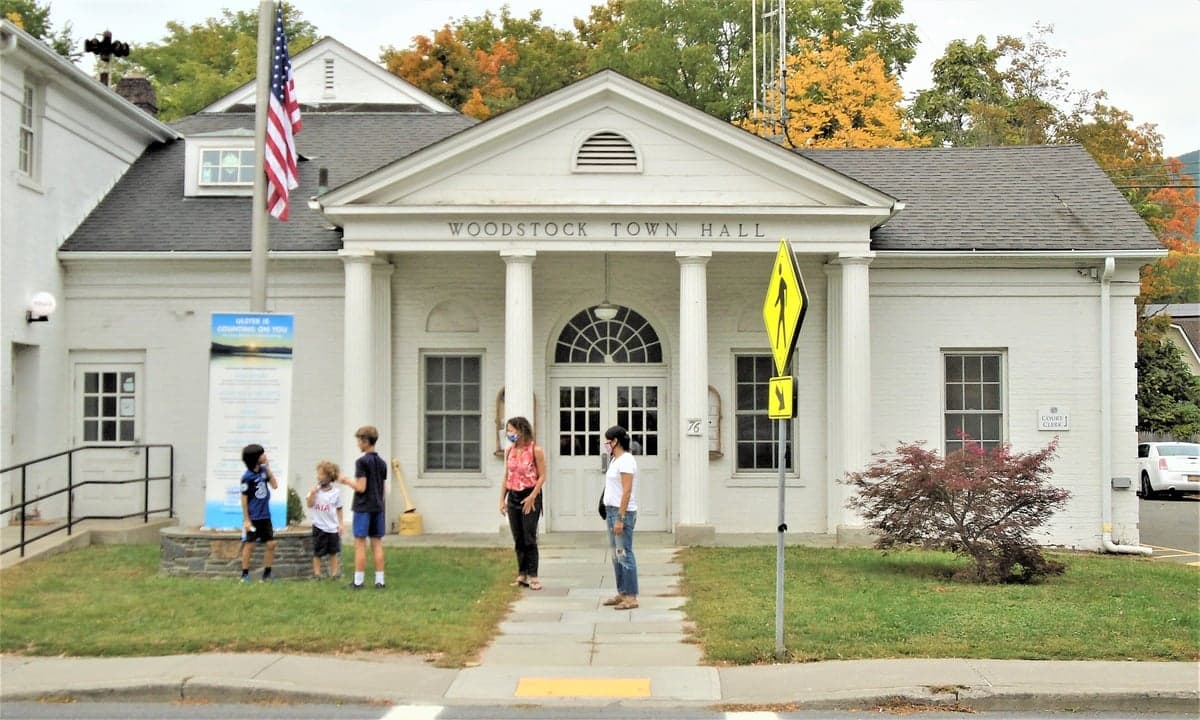
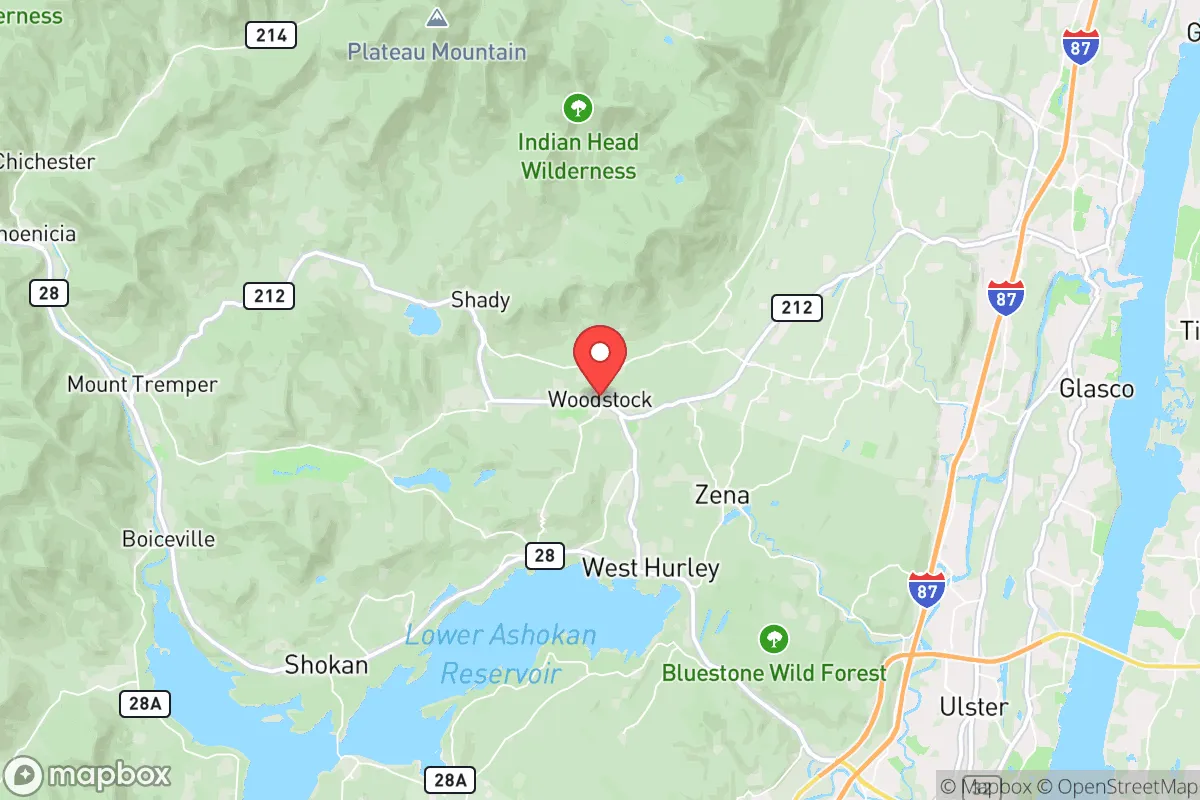
Photo: Wikipedia
Quality of Life in Woodstock, NY
A high quality of life with strong walkability, manageable living costs, healthy neighborhood signals, and solid amenity access.
What does Quality of Life tell us?
Quality of Life blends cost of living, nearby amenities, socioeconomic signals, and neighborhood character. City-level scores represent the whole municipality; individual neighborhoods can differ.
What does this tell us?
Quality of Life blends cost of living, nearby amenities, socioeconomic signals, and neighborhood character. City-level scores represent the whole municipality; individual neighborhoods can differ.
Cost of Living
69% above national average
The Real Cost of Living in Woodstock, NY for 2026
| Tier | Individual | Family (4) |
|---|---|---|
| Survival | $28k | $53k |
| Comfortable | $105k | $154k |
| Luxury | $109k+ | $168k+ |
| Elite (Top 5%) | $181k+ | $281k+ |
33%
The Area Signal
A metric tracking the socioeconomic signals of the area.
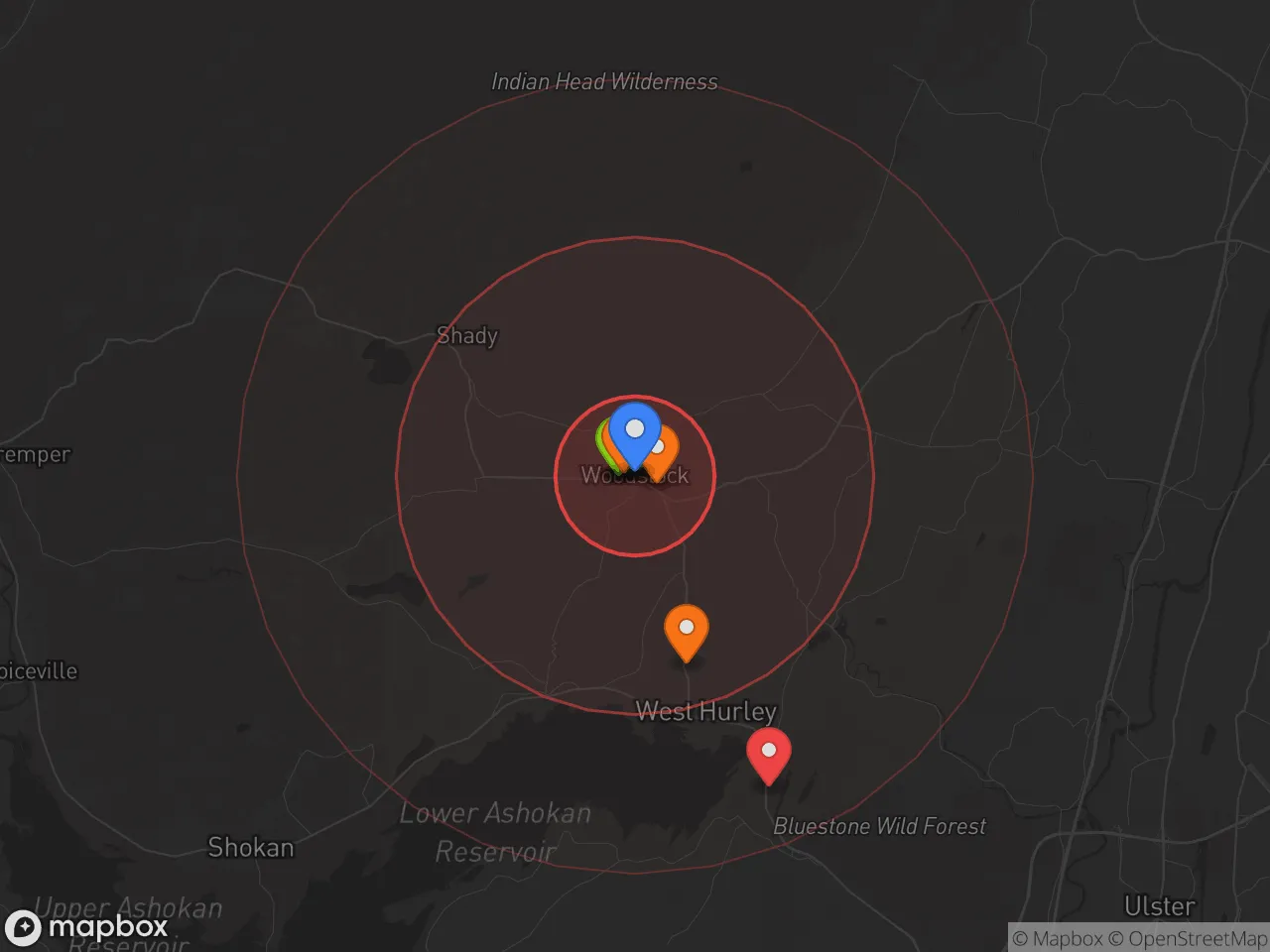
Hobbies
Explore the areaGroceries
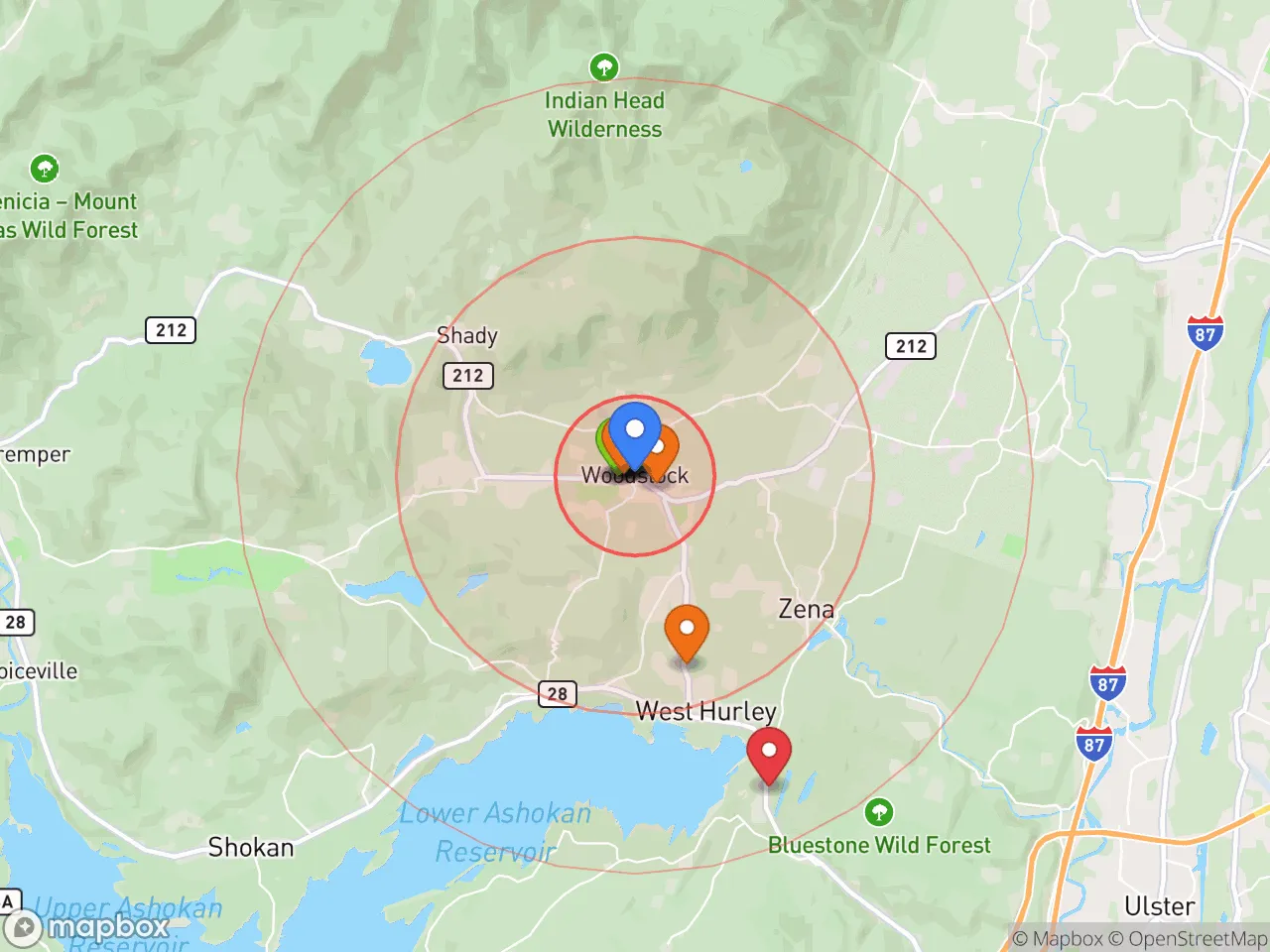
7 within 10 miles
Gas
20 within 10 miles
Hospital
3 within 20 miles
Airport
EWR — Newark Liberty International
Post Office
USPS — Woodstock, NY
Critical Amenities
Quality-of-Life Analysis
Woodstock, New York, is a high-cost, culturally rich enclave in the Catskills where the cost of living index sits at 169—69% above the national average—attracting a mix of established artists, remote professionals, and second-home owners seeking a bucolic yet connected lifestyle. The town’s median home value of $553,700 and median rent of $1,757 reflect its desirability as a historic arts colony, though these figures remain below the most expensive Hudson Valley towns like Rhinebeck or Hudson. The average commute of roughly 28 minutes is notably short for the region, with many residents working locally in creative fields, hospitality, or remotely via broadband, while a smaller share commutes to Kingston or Albany.
Cost of living, housing, and how Woodstock compares to nearby towns
Woodstock’s housing market is the primary driver of its elevated cost of living. The median home value of $553,700 is roughly 40% higher than the Ulster County median of about $395,000, and significantly above nearby Saugerties ($420,000) or Phoenicia ($350,000). Renters face a median of $1,757 per month, which is comparable to Kingston but higher than most rural Ulster County towns. The cost of living index of 169 means groceries, utilities, and healthcare are also above national averages, though property taxes in Ulster County are moderate compared to downstate New York. For buyers, the market is competitive, with limited inventory and many homes selling above asking, particularly those within walking distance of the village center. Renters often find better value in neighboring Bearsville or Willow, though availability is tight.
Local amenities, schools, and what daily life feels like
Daily life in Woodstock revolves around its walkable village core, which hosts independent bookstores, art galleries, farm-to-table restaurants, and live music venues like the legendary Bearsville Theater. The Onteora Central School District serves the area, with Woodstock Elementary School receiving strong parent reviews and Onteora High School offering a robust arts program, though its overall state ranking is mid-tier. Outdoor amenities are abundant: the Overlook Mountain trailhead is a 10-minute drive, the Ashokan Reservoir offers flat cycling and birding, and the Esopus Creek provides swimming holes in summer. The town lacks a major grocery store within the village—residents typically drive 10 minutes to Kingston for supermarkets—but weekly farmers’ markets and co-ops fill the gap. The rhythm is slow and seasonal: summer brings tourists and festival crowds, fall draws leaf-peepers, and winter is quiet, with many restaurants and shops reducing hours.
Woodstock is best suited for those who prioritize cultural vibrancy and natural beauty over affordability or career density. Creative professionals, retirees with equity from downstate sales, and remote workers with stable incomes will find the cost manageable, while younger renters or service-industry workers may struggle with the housing market. The town’s progressive politics, active arts scene, and tight-knit social fabric appeal to those seeking a community where local governance is participatory and environmental stewardship is a daily norm. Those who thrive here are comfortable with seasonal tourism, limited nightlife beyond music venues, and a pace that values quiet mornings and long hikes over urban convenience.

Crime in Woodstock, NY
Lower crime rates than 100% of comparable U.S. locations.
Violent CrimeViolent Crime Analysis
Property CrimeProperty Crime Analysis
Crime Analysis
Woodstock, New York, presents a uniquely low-crime profile for a small town within commuting distance of a major metropolitan area. According to the most recent data, the town reports a violent crime rate of 0 per 100,000 residents and a property crime rate of 144.9 per 100,000, figures that place it among the safest communities in the Hudson Valley. However, this statistical safety exists within a broader regional context shaped by progressive criminal justice policies that merit careful consideration for potential residents.
Crime in context
Woodstock’s violent crime rate of zero is a statistical outlier, far below the national average of roughly 380 per 100,000 and the New York state average of approximately 360 per 100,000. The property crime rate of 144.9 per 100,000 is also dramatically lower than the national average of about 1,950 per 100,000 and the state average of roughly 1,100 per 100,000. These numbers reflect a community where serious crime is exceptionally rare. However, these figures must be weighed against the criminal justice environment of Ulster County and New York State as a whole. The region is governed by progressive district attorneys and judges who prioritize alternatives to incarceration and reduced bail requirements. While sympathetic to offenders, this ideological approach has been linked to higher rates of recidivism and a perception that consequences for property crimes are minimal, potentially emboldening repeat offenders who may travel into smaller towns like Woodstock from larger population centers.
What residents experience
Daily life in Woodstock is characterized by a strong sense of security. Residents commonly leave doors unlocked and feel comfortable walking the village streets at night. The town’s low crime rates are reinforced by a tight-knit community where neighbors watch out for one another and local police maintain a visible, community-oriented presence. The most frequent public safety concerns are minor: occasional thefts from unlocked vehicles, package thefts during the holiday season, and noise complaints from the town’s active music and arts scene. However, the progressive judicial philosophy at the county level means that even when arrests are made for these offenses, offenders often face minimal jail time or are diverted to treatment programs. For residents who prioritize strict law enforcement and accountability, this can create a disconnect between the town’s safe feel and the broader system’s handling of crime.
Neighborhood-level variation in Woodstock is minimal. The village center and the more rural outlying hamlets (such as Bearsville, Shady, and Willow) all share similarly low crime statistics. The primary safety distinction is not between neighborhoods but between the town itself and the larger, more urbanized areas of Kingston (15 miles south) and Poughkeepsie (30 miles south), which have higher crime rates and are more directly affected by regional progressive justice policies. For those moving to Woodstock, the immediate safety is excellent, but the surrounding legal environment remains a factor to monitor.
* Values derived from national, state, county, city and local statistics and may differ in a specific area. Last updated: 2026-08-03T15:47:55.000Z
Narrative content on this page is AI-generated and may contain mistakes. Verify any details that matter before acting on them.
ReloMaps may earn a commission from affiliate links at no extra cost to you.

