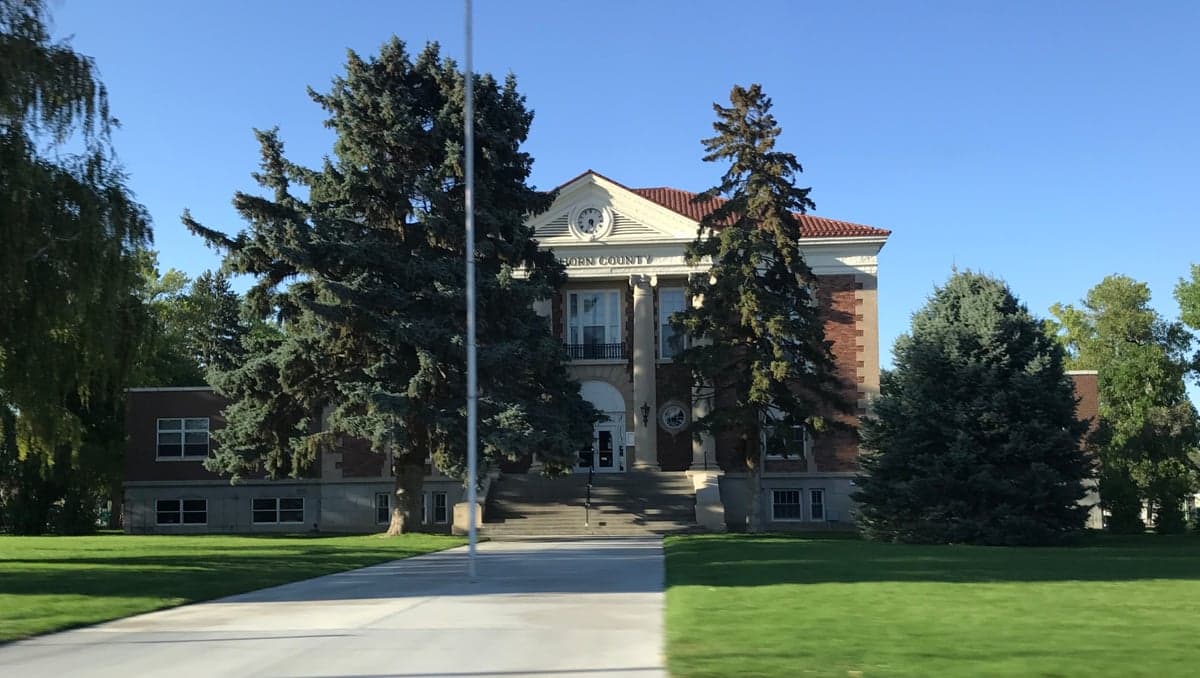
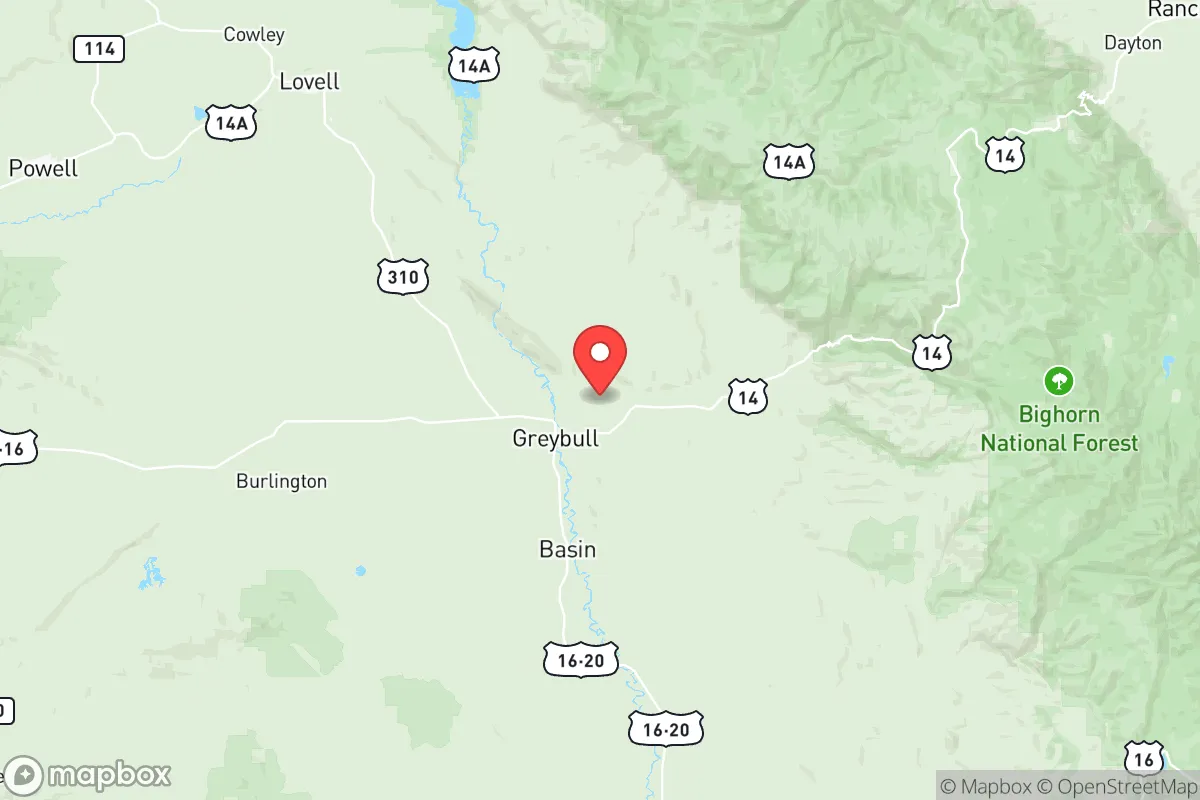
Photo: Wikipedia
Find The Best Places To Live in Big Horn County
PRO TIP! You can paste a Zillow or Redfin link to get info on that property.
Best Places to Live in Big Horn County
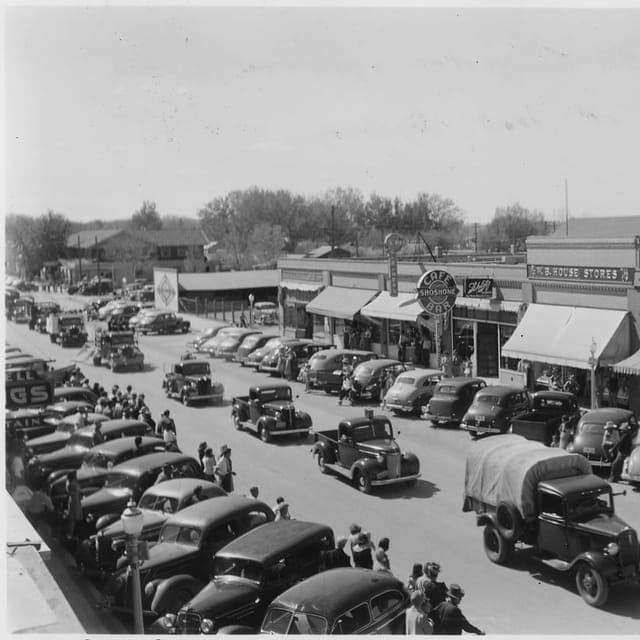
Cities & Towns in Big Horn County
Cities in Big Horn County
What It's Like Living in Big Horn County, WY
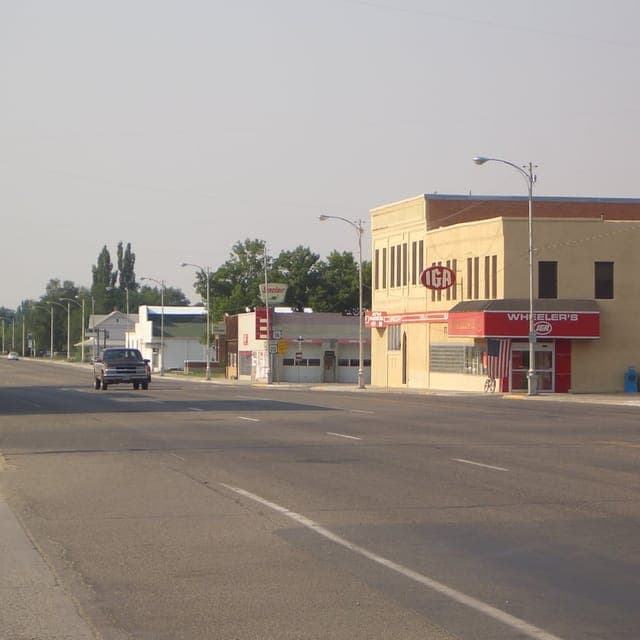
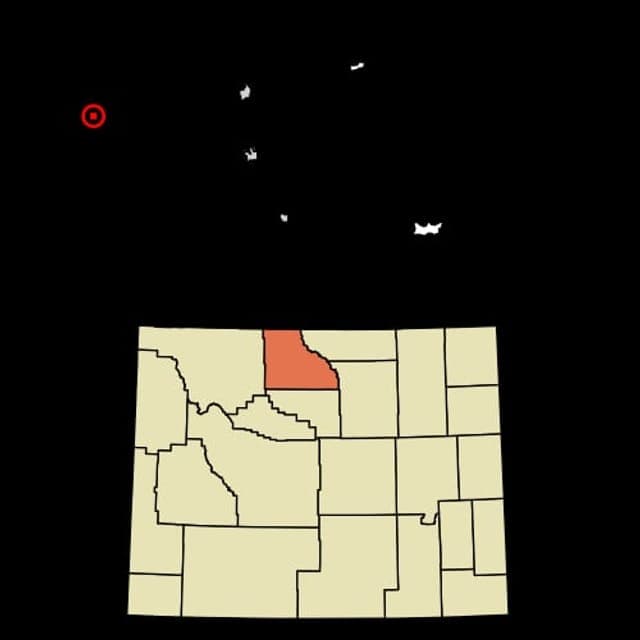
Big Horn County feels like a place where the old West still lingers in the air, but with a quiet, practical rhythm that suits folks who value space and self-reliance. Stretching from the Bighorn Mountains down to the Greybull River valley, this corner of Wyoming is home to just under 12,000 people scattered across towns like Basin, Greybull, Lovell, and the smaller outposts of Byron and Cowley. Life here moves at a pace that can feel refreshing or isolating, depending on what you’re after—but for those who fit, it’s a place where neighbors actually know your name and the land demands your respect.
The Daily Rhythm: Slow Mornings and Long Views
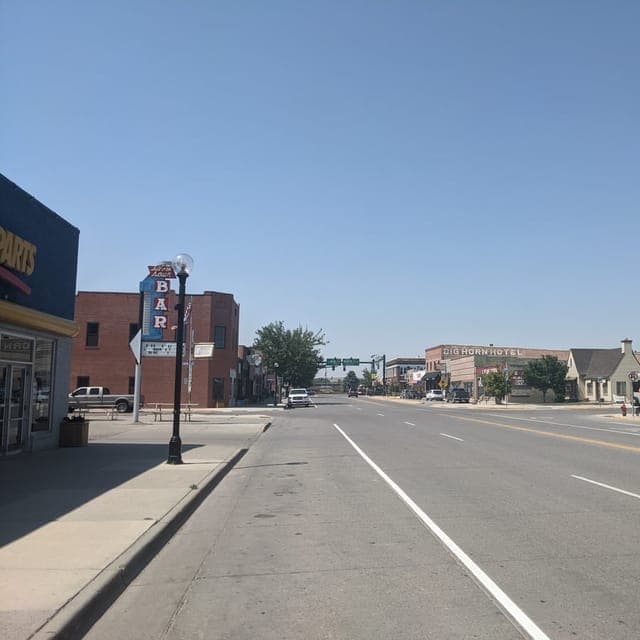
Most days in Big Horn County start early, especially for the ranchers, oil field workers, and schoolteachers who make up the backbone of the local economy. The average commute clocks in at just over 18 minutes, which means you’re never far from work or home—a stark contrast to the hour-long slogs of bigger cities. In Basin, the county seat, you’ll find the courthouse, a grocery store, and a couple of diners where the coffee is always hot and the talk is about hay prices or the upcoming high school game. Greybull, with its population hovering around 1,800, has a similar feel but leans harder into its railroad and mining history. Lovell, meanwhile, sits closer to the mountains and draws a slightly younger crowd, thanks to its proximity to the Bighorn National Forest and the Big Horn Canyon National Recreation Area. Shopping is limited to essentials—think hardware stores, a Walmart in Greybull, and a few local boutiques—so most residents make a monthly trip to Cody or Billings for bigger hauls. The median home value of $198,200 and a cost of living index of 73 (well below the national average) mean that a median household income of $60,547 stretches further here than in most places, allowing families to own land and have breathing room.
Sports, Community, and the Unwritten Rules of Belonging
High school sports are the heartbeat of Big Horn County. Friday nights in the fall mean packed bleachers at Greybull High School or Lovell High School, where the rivalry between the Greybull Buffaloes and the Lovell Bulldogs is the kind of thing that gets passed down through generations. Basketball and wrestling draw similar crowds in winter, and the whole county tends to rally around whichever team is making a playoff run. There’s no pro sports team within a three-hour drive, but that doesn’t matter—the local kids are the stars here, and their games are social events where you catch up with neighbors and trade gossip. For outdoor recreation, the Bighorn Mountains offer hiking, fishing, and hunting that are world-class, but you’ll need a truck or an SUV to get to the good spots. The Big Horn Canyon is a favorite for boating and camping, especially among families from Lovell and Cowley who can be on the water in under 30 minutes. Cultural quirks include a strong sense of independence—people here don’t lock their doors as a rule, but they also don’t take kindly to outsiders telling them how to live. The median age of 41.5 reflects a community that’s settled but not elderly, with a mix of young families and retirees who’ve chosen this life deliberately.
What’s There to Do: Festivals, Eateries, and Quiet Nights
Entertainment in Big Horn County is more about experiences than venues. The annual Greybull Days festival in July brings a parade, rodeo, and street dance that draws folks from all over the county. Lovell’s Mustang Days in June is similar, with a focus on the area’s wild horse heritage. For a night out, the Stockman’s Bar in Basin is a reliable spot for a beer and a burger, while the Cowboy Bar in Greybull has a pool table and a jukebox that leans toward country classics. Dining options are limited but solid—try the Basin Café for breakfast or the Pizza Hut in Greybull for a quick dinner. The lack of a movie theater or major music venue means most evenings are spent at home, around a campfire, or at a friend’s house. The violent crime rate of 170 per 100,000 is slightly below the national average, and property crime is low enough that most people feel safe leaving their doors unlocked. That said, the isolation can wear on some—especially single adults who might find the dating pool shallow, or parents who worry about their kids having enough to do. The 20.9% college-educated rate is lower than the national average, which reflects the area’s blue-collar base, but the schools in Basin and Lovell are well-regarded and serve as community anchors.
Pros and Cons of Living Here
- Pros: Affordable housing and land, low cost of living, strong sense of community, world-class outdoor recreation, short commutes, safe neighborhoods, and a pace of life that lets you breathe.
- Cons: Limited job opportunities (mostly agriculture, energy, and education), few dining or entertainment options, harsh winters with heavy snow, a 90-minute drive to the nearest Walmart Supercenter in Cody, and a social scene that can feel claustrophobic for newcomers.
The kind of person who thrives here is someone who values quiet, doesn’t need constant stimulation, and is handy enough to fix their own fence or snowblower. Families with young kids often love the safety and the outdoor lifestyle, while single adults might find the social options thin unless they’re deeply into hunting, fishing, or church activities. The weather is a real factor—winters are long and cold, with snow that can pile up from November through April, but summers are glorious, with dry heat and endless blue skies. Traffic is essentially nonexistent, and the biggest frustration for locals is the lack of healthcare options—the nearest hospital with a full ER is in Cody, 45 minutes from Basin. Still, for those who call it home, Big Horn County offers a life that’s grounded, honest, and free from the noise of the modern world. It’s not for everyone, but for the right person, it’s exactly right.

* Values derived from national, state, county, city and local statistics and may differ in a specific area. Last updated: 2026-05-12T12:21:12.000Z
Narrative content on this page is AI-generated and may contain mistakes. Verify any details that matter before acting on them.
ReloMaps may earn a commission from affiliate links at no extra cost to you.

