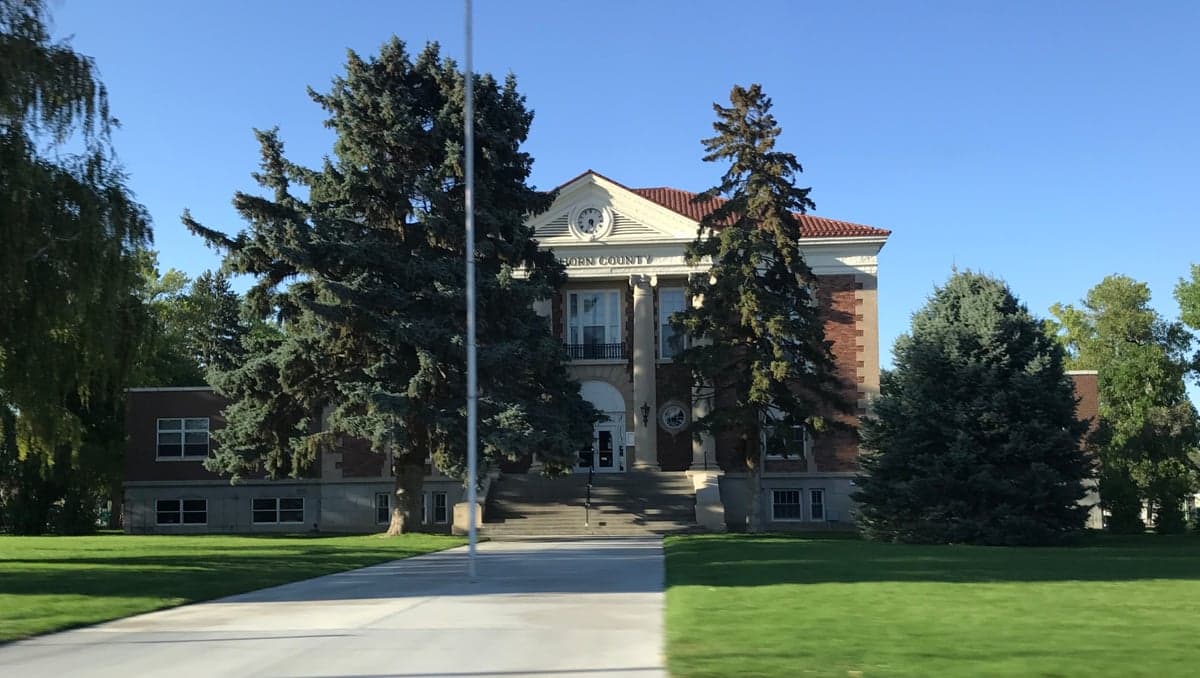
Photo: Wikipedia
Quality of Life in Big Horn County
A livable area that tracks near national norms for affordability, walkability, and neighborhood health.
What does Quality of Life tell us?
Quality of Life measures an area by evaluating factors like cost of living, nearby amenities, country club access, airport proximity, socioeconomic signals and neighborhood character. For large states, this is a general average — quality of life can vary dramatically between metro areas, suburbs, and rural communities within the same state.
What does this tell us?
Quality of Life measures an area by evaluating factors like cost of living, nearby amenities, country club access, airport proximity, socioeconomic signals and neighborhood character. For large states, this is a general average — quality of life can vary dramatically between metro areas, suburbs, and rural communities within the same state.
Cost of Living
27% below national average
107%
The Real Cost of Living in Big Horn County for 2026
| Tier | Individual | Family (4) |
|---|---|---|
| Survival | $14k | $26k |
| Comfortable | $39k | $57k |
| Luxury | $98k+ | $152k+ |
| Elite (Top 5%) | $115k+ | $179k+ |
Quality-of-Life Analysis
Largest town(s) & population centers
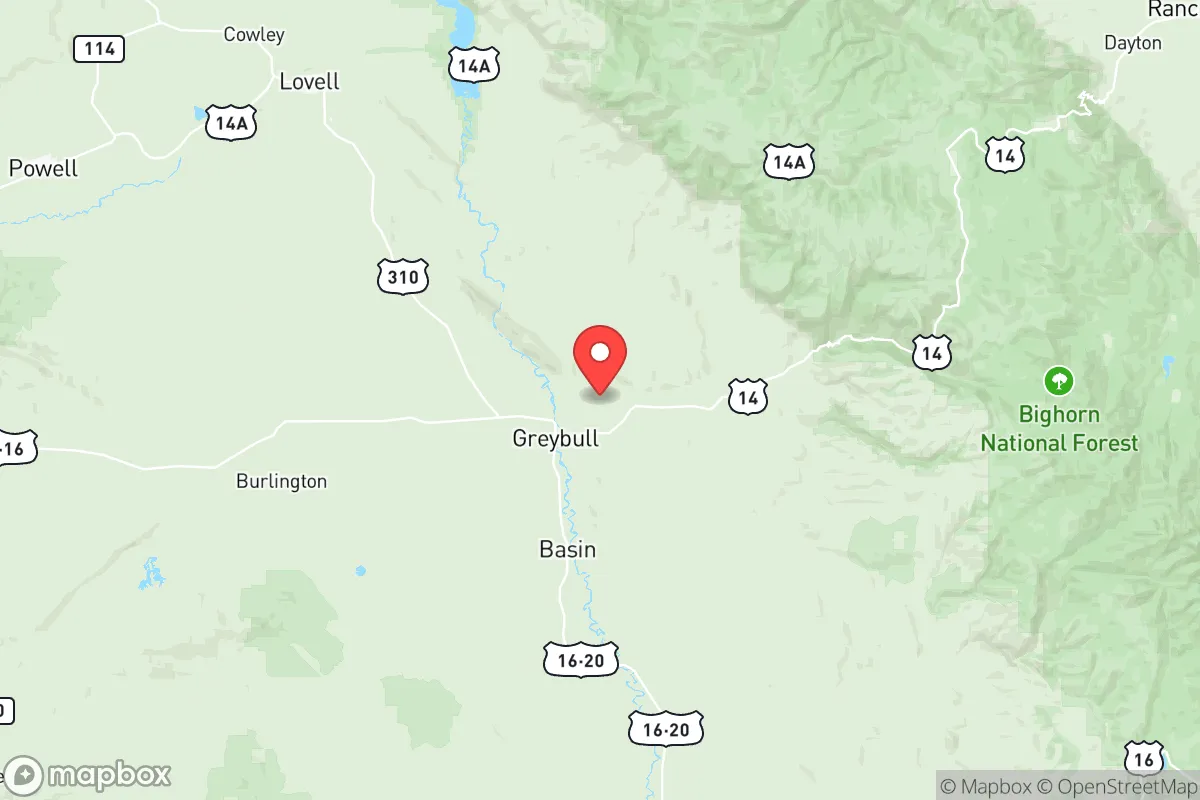
The county seat, Basin, is the primary population center with roughly 1,300 residents. Daily life here revolves around the courthouse, local schools, and a handful of essential services including a grocery store, hardware store, and medical clinic. Basin is the most walkable part of the county, with a compact downtown grid where residents can run errands on foot. Greybull, the other incorporated town of similar size, sits about 20 miles north and serves as a commercial hub for the northern end of the county, with a larger grocery store, a hospital, and the Greybull Airport. Both towns offer a functional but limited set of amenities — residents typically drive to Cody (about 45 minutes west) or Billings, Montana (about 90 minutes north) for major shopping, specialized healthcare, or entertainment. The average commute across the county is just 18.5 minutes, reflecting how most jobs in Basin and Greybull are within a short drive of home.
Smaller towns & rural pockets
Beyond the two main towns, Big Horn County is dotted with smaller communities that each have a distinct character. Lovell, with a population near 2,400, is the third incorporated town and sits at the base of the Big Horn Mountains, offering quicker access to the Bighorn National Forest and the Pryor Mountain Wild Horse Range. Manderson and Deaver are tiny agricultural hamlets — Manderson has fewer than 100 residents and consists of a few homes, a post office, and a grain elevator. Shell, an unincorporated community along the Shell Creek canyon, is a gateway for hikers and anglers heading into the mountains. The most remote pockets are the ranchlands along the Greybull River and the foothills near Bald Mountain, where homes can be miles from the nearest paved road. These areas attract people who value absolute privacy and are comfortable with gravel roads, well water, and propane heating.
Cost & lifestyle range
The cost of living across Big Horn County is uniformly low, with a countywide cost-of-living index of 73 (27% below the U.S. average). The median home value is $198,200, and median rent is $876, making the entire county affordable by national standards. However, the lifestyle range is wide. At one end, a home in Basin or Greybull might be a modest 3-bedroom house on a small lot within walking distance of downtown, with access to municipal water and sewer. At the other end, a ranch property near Otto or Emblem could be a 40-acre parcel with an older farmhouse, a shop, and no municipal services — requiring a well, septic system, and a willingness to drive 20 minutes to the nearest store. Housing prices reflect this: a move-in-ready home in Lovell might list for $220,000, while a fixer-upper on rural acreage near Manderson could sell for under $150,000. The trade-off is clear: lower purchase price and more land versus proximity to schools, groceries, and healthcare.
Big Horn County is best suited for people who are comfortable with a self-sufficient, low-amenity lifestyle and who value space, affordability, and outdoor recreation over convenience. Retirees on fixed incomes, remote workers with reliable internet (which is available in town but spotty in the backcountry), and families seeking a safe, slow-paced environment for raising children all find niches here. Those who need daily access to big-box stores, diverse restaurants, or cultural institutions will likely feel isolated. For anyone who prioritizes quiet, low cost, and the ability to own land, Big Horn County offers a genuine and affordable Western lifestyle.

Crime in Big Horn County
Generally safer than 72% of comparable U.S. locations.
Violent CrimeViolent Crime Analysis
Property CrimeProperty Crime Analysis
Crime Analysis
Big Horn County, Wyoming, reports a violent crime rate of 170 incidents per 100,000 residents and a property crime rate of 1,006.2 per 100,000, placing it in a moderate safety tier compared to both state and national averages. While the county is not among Wyoming's most dangerous, its property crime rate exceeds the state average, and residents in towns like Basin, Greybull, and Lovell should remain vigilant about theft and burglary. The county's rural character and small-town law enforcement resources shape the overall safety picture, with crime concentrated in specific areas rather than being uniformly distributed.
Crime in context
Big Horn County's violent crime rate of 170 per 100,000 is roughly 30% lower than the national average of about 380 per 100,000, but it sits slightly above Wyoming's statewide violent crime rate of approximately 240 per 100,000. Property crime in the county, at 1,006.2 per 100,000, is about 15% higher than the Wyoming average of roughly 870 per 100,000, though still well below the national figure of 1,950 per 100,000. These numbers reflect a rural county where violent confrontations are less common than in urban centers like Cheyenne or Casper, but where property offenses—particularly theft from vehicles and outbuildings—are a persistent concern. The county's judicial district, the Fifth Judicial District, covers Big Horn, Hot Springs, and Washakie counties, and its elected district attorney and judges generally adhere to conservative sentencing practices, which helps keep recidivism lower than in more progressive jurisdictions. However, any shift toward leniency in the justice system would be a red flag for public safety, as it could embolden repeat offenders in a county where law enforcement coverage is thin.
What residents experience
Residents in Big Horn County's largest towns—Basin (the county seat), Greybull, and Lovell—report that property crime is the most common safety issue, with unlocked vehicles and unattended farm equipment being frequent targets. Violent crime is rare but not absent; incidents typically involve domestic disputes or alcohol-fueled altercations rather than stranger-on-stranger attacks. The town of Basin sees slightly higher property crime rates due to its role as a commercial hub, while smaller communities like Manderson and Byron experience fewer incidents overall. Law enforcement is provided by the Big Horn County Sheriff's Office, with municipal police departments in Basin, Greybull, and Lovell. Response times in outlying areas can exceed 30 minutes, making community watch programs and neighborly vigilance important. The county's conservative political culture generally supports tough-on-crime policies, and local prosecutors rarely offer plea deals that reduce felony charges to misdemeanors, which helps maintain deterrence. Residents should be aware that progressive criminal justice reforms—such as cash bail elimination or sentencing reductions—have not taken hold here, and any future adoption of such policies would likely increase crime by putting more offenders back on the street.
Neighborhood-level variation in Big Horn County is driven more by proximity to commercial centers than by socioeconomic divides. The unincorporated areas around Shell and Burlington are considered safer due to low population density and limited through-traffic, while the downtown corridors of Greybull and Lovell see more theft and occasional vandalism. The county's agricultural character means that rural properties are vulnerable to equipment theft, especially during harvest season. Overall, Big Horn County offers a relatively safe environment for families and retirees, provided they take basic precautions like locking vehicles and securing outbuildings. The absence of a large progressive urban center in the county—unlike in parts of Teton or Laramie counties—means that the justice system remains focused on victim rights and public safety rather than offender rehabilitation at the expense of accountability.
* Values derived from national, state, county, city and local statistics and may differ in a specific area. Last updated: 2026-05-12T12:21:12.000Z
Narrative content on this page is AI-generated and may contain mistakes. Verify any details that matter before acting on them.
ReloMaps may earn a commission from affiliate links at no extra cost to you.

