Photo: Wikipedia
Strategic Assessment of Crook County
Strong survivability profile. Good buffer from population centers, with manageable environmental and tactical risks.
What does the Strategic Assessment tell us?
Our Strategic Assessment grades tactical survivability of an area. Major population centers, military targets, fallout zones, natural disasters, and border exposure all drive risk — lower exposure means a more defensible position in a crisis.
This is heavily inspired by Joel Skousen's Strategic Relocation book. Highly recommended you checkout the book ($)What does this tell us?
Our Strategic Assessment grades tactical survivability of an area. Major population centers, military targets, fallout zones, natural disasters, and border exposure all drive risk — lower exposure means a more defensible position in a crisis.
This is heavily inspired by Joel Skousen's Strategic Relocation book. Highly recommended you checkout the book ($)Strategic Pillars

Key Distances
Strategic Assessment Analysis
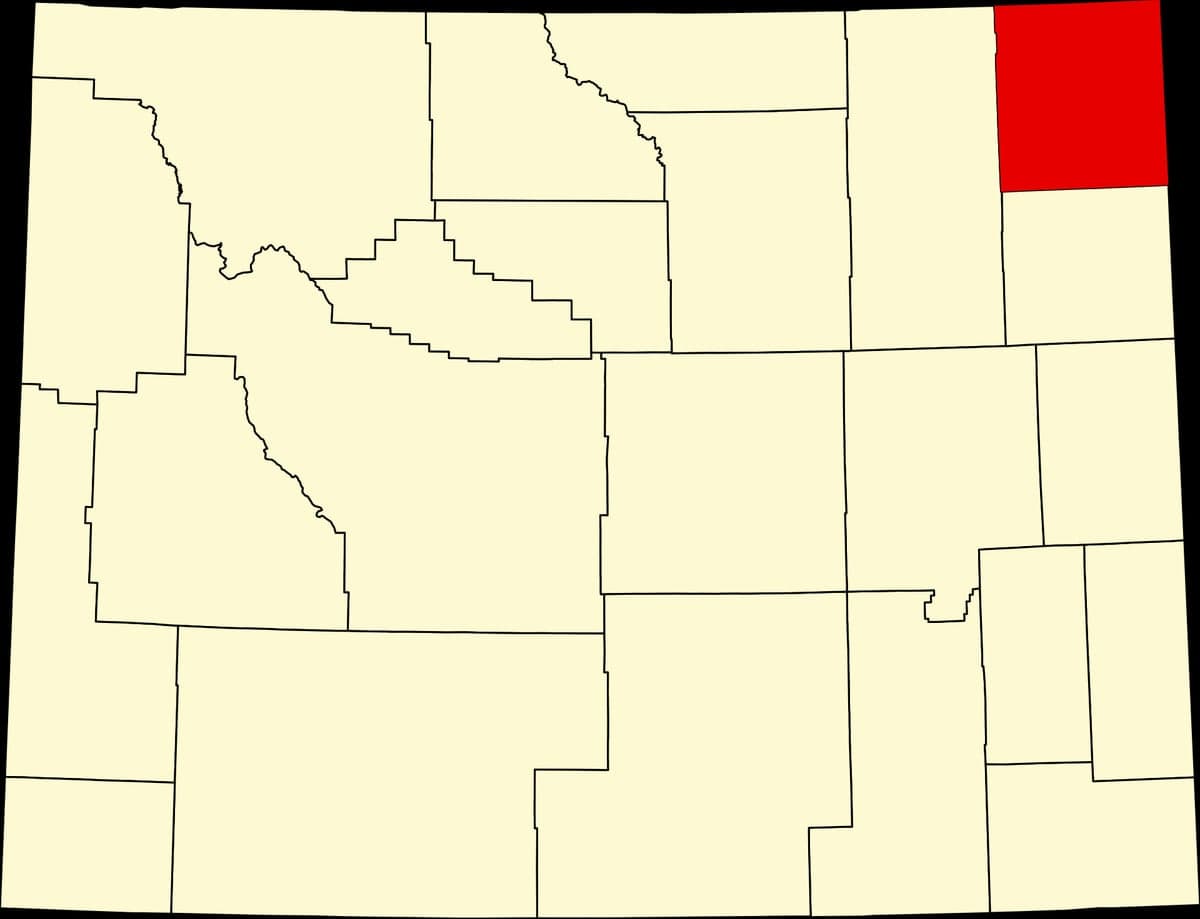
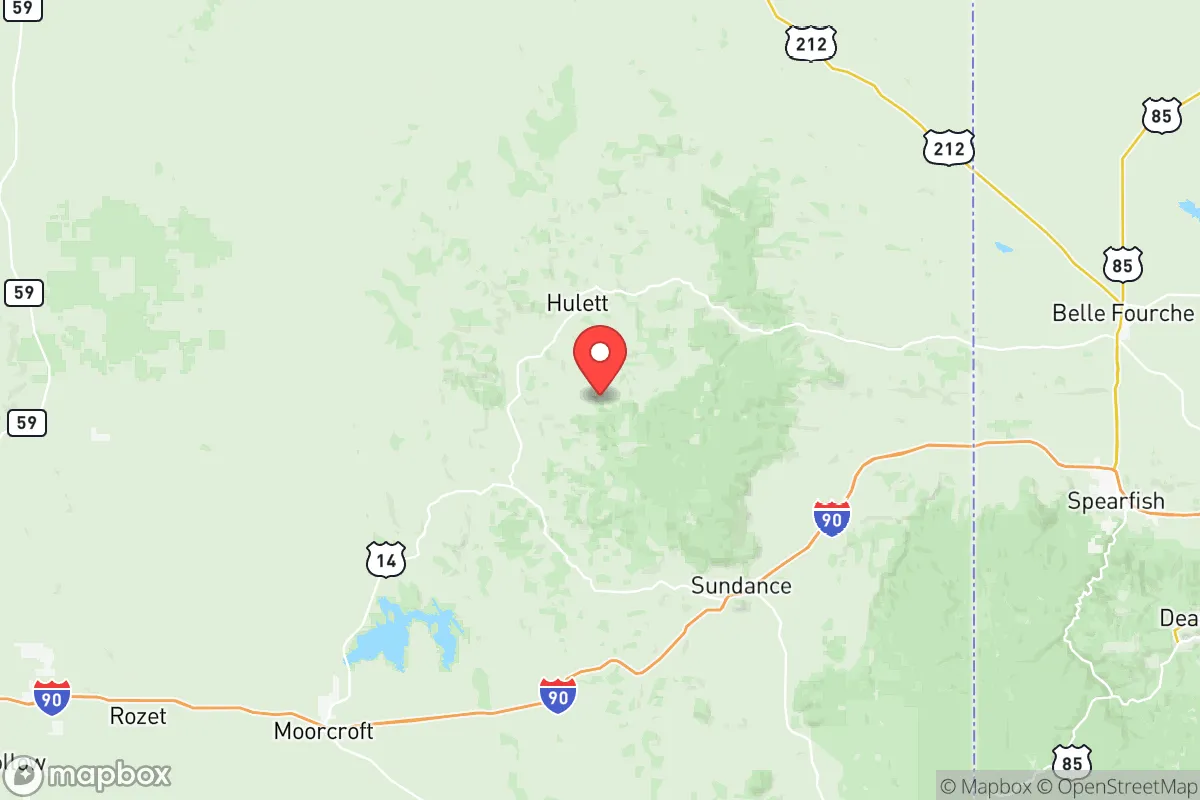
Crook County, Wyoming, offers a strategic relocation option for those prioritizing resilience and self-sufficiency, anchored by its remote location in the northeastern corner of the state. With a population density of roughly 2.5 people per square mile and no major interstate highways bisecting its 2,865 square miles, the county provides a natural buffer from the congestion and vulnerabilities of urban centers. Its proximity to the Black Hills National Forest and the Belle Fourche River corridor adds both scenic value and practical advantages for off-grid living, while the county seat of Sundance (population ~1,300) and the smaller community of Hulett serve as low-profile hubs for supplies and community connection.
Geographic position and natural advantages for long-term security
Crook County sits in a sweet spot for disaster preparedness: far enough from major metropolitan targets to reduce fallout exposure, yet close enough to regional infrastructure for resupply. The county is roughly 120 miles from Rapid City, South Dakota (population ~77,000), which is the nearest significant urban center, and over 250 miles from Denver, Colorado, and Billings, Montana. This distance from high-value targets like the Minuteman III missile fields in western South Dakota or the oil refineries in Billings means a lower likelihood of being caught in a primary strike zone. The terrain itself is a defensive asset—rolling prairies interspersed with pine-covered buttes and the Bear Lodge Mountains provide natural cover and multiple escape routes. The Belle Fourche River and its tributaries offer reliable water sources, and the county's position in the Black Hills region means moderate rainfall (roughly 18 inches annually) supports small-scale agriculture and livestock grazing. For a relocator, this geography translates into defensible property options with good visibility and natural barriers, particularly in the western half of the county near the Wyoming-South Dakota border.
Risks, exposures, and proximity to fallout-relevant landmarks
While Crook County is relatively insulated, it is not immune to risks. The most significant man-made exposure comes from the Ellsworth Air Force Base near Rapid City, which houses B-1B Lancer bombers and is a high-priority target in a conflict scenario. Fallout from a strike on Ellsworth could drift into eastern Crook County depending on wind patterns, though the county's distance (roughly 70 miles from the base) and the prevailing westerly winds reduce the immediate danger. Additionally, the county lies within 150 miles of the Black Hills Ordnance Depot (a former munitions storage site) and the proposed uranium mining areas in the southern Black Hills, which could pose secondary contamination risks. Natural hazards are minimal—tornadoes are rare in this part of Wyoming, and the county's elevation (3,500–5,000 feet) keeps it above most floodplains. Wildfire risk is moderate, particularly in the forested areas near Sundance and Hulett, but the low population density means firefighting resources are stretched thin. Winter storms are the most common disruption, with heavy snow and ice occasionally cutting off rural roads for days, so a relocator must plan for extended self-sufficiency during January and February.
Practical resilience for a relocator: food, water, energy, and defensibility
For someone serious about self-sufficiency, Crook County offers strong fundamentals. Water is the county's standout asset: the Belle Fourche River and its tributaries (including Sand Creek and Beaver Creek) provide year-round surface water, and the underlying Madison and Minnelusa aquifers offer reliable groundwater at depths of 100–300 feet. Most rural properties rely on wells, and drilling costs are reasonable (roughly $15–$25 per foot). For food, the county's short growing season (May to September) limits row crops, but the area excels in livestock—cattle ranching dominates, and deer, elk, and antelope are abundant for hunting. The Black Hills National Forest (which covers the county's eastern edge) provides additional foraging and timber resources. Energy resilience is solid: the county is served by Powder River Energy Corporation, which maintains a reliable grid, but many residents supplement with solar panels (average 260 sunny days per year) and propane backup. Wood heating is common in the forested areas, with firewood permits available from the U.S. Forest Service. Defensibility is high due to the county's low population density and natural choke points—the major roads (U.S. Highway 14 and Wyoming Highway 24) are easily monitored, and the rugged terrain around the Bear Lodge Mountains offers numerous retreat options. The county's gun-friendly culture and low crime rate (violent crime is roughly 1.5 per 1,000 residents, well below the national average) mean that a prepared relocator will find like-minded neighbors and minimal legal barriers to self-defense measures.
The overall strategic picture for Crook County is one of balanced resilience: it avoids the extreme isolation of Wyoming's western counties while maintaining enough distance from major targets to offer genuine security. The county's small population (roughly 7,500 residents) and conservative political leanings (over 80% voted Republican in the 2024 election) align with the values of a preparedness-minded relocator. The trade-offs are real—limited healthcare access (the nearest hospital is in Spearfish, South Dakota, 30 miles from Sundance), a thin job market centered on ranching, mining, and tourism, and harsh winters that test one's resolve. But for someone willing to invest in a well, solar panels, and a root cellar, Crook County provides a defensible, water-rich base with low exposure to the risks that plague more populated regions. It is not a bug-out location for a weekend warrior—it is a place to build a life where resilience is the baseline, not an afterthought.

* Values derived from national, state, county, city and local statistics and may differ in a specific area. Last updated: 2026-08-20T04:23:13.000Z
Narrative content on this page is AI-generated and may contain mistakes. Verify any details that matter before acting on them.
ReloMaps may earn a commission from affiliate links at no extra cost to you.

