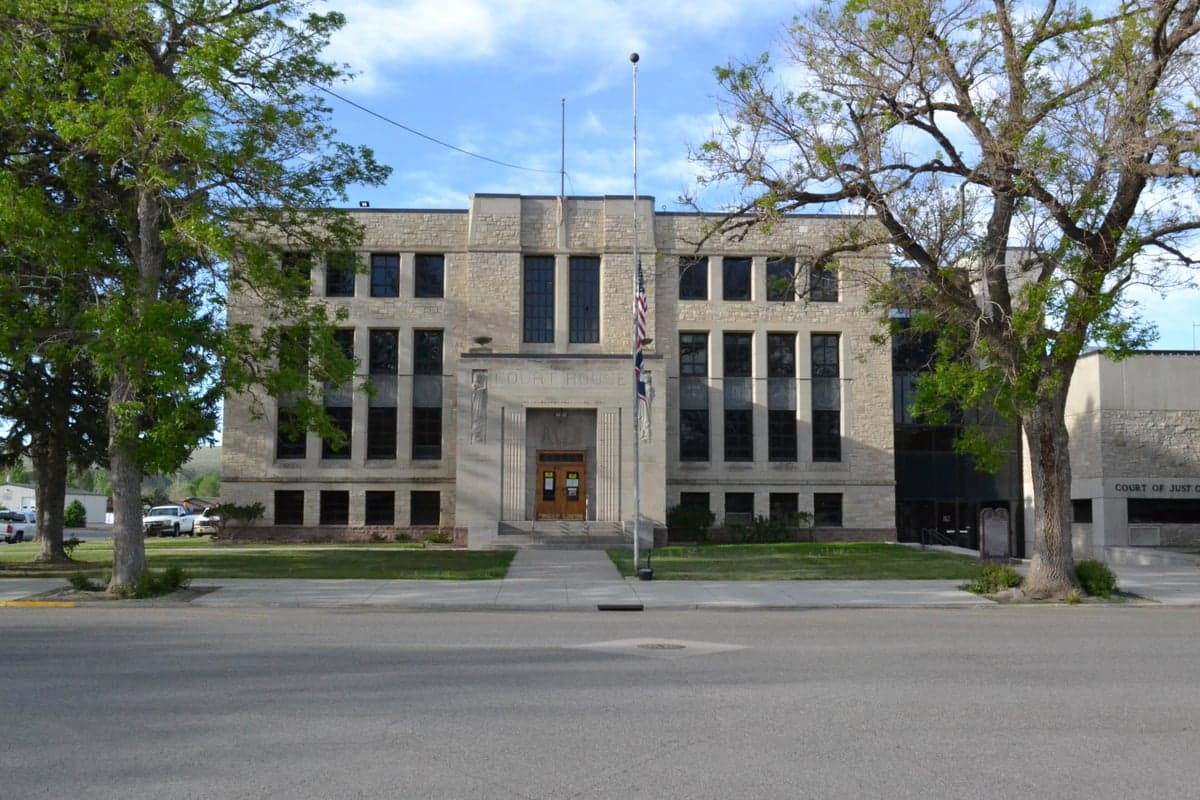
Photo: Wikipedia
Quality of Life in Hot Springs County
A livable area that tracks near national norms for affordability, walkability, and neighborhood health.
What does Quality of Life tell us?
Quality of Life measures an area by evaluating factors like cost of living, nearby amenities, country club access, airport proximity, socioeconomic signals and neighborhood character. For large states, this is a general average — quality of life can vary dramatically between metro areas, suburbs, and rural communities within the same state.
What does this tell us?
Quality of Life measures an area by evaluating factors like cost of living, nearby amenities, country club access, airport proximity, socioeconomic signals and neighborhood character. For large states, this is a general average — quality of life can vary dramatically between metro areas, suburbs, and rural communities within the same state.
Cost of Living
19% below national average
105%
The Real Cost of Living in Hot Springs County for 2026
| Tier | Individual | Family (4) |
|---|---|---|
| Survival | $16k | $29k |
| Comfortable | $42k | $61k |
| Luxury | $92k+ | $142k+ |
| Elite (Top 5%) | $108k+ | $167k+ |
Quality-of-Life Analysis
Hot Springs County, Wyoming, offers a distinct quality-of-life spectrum that ranges from the modest conveniences of its sole incorporated town, Thermopolis, to the wide-open solitude of its unincorporated rural valleys and mountain foothills. The county’s character is defined by its geothermal wonders, the Bighorn River corridor, and a deeply rooted Western ranching culture, attracting a mix of retirees seeking affordable living, outdoor recreationists, and families working in energy, agriculture, or tourism. With a cost of living index of 81—well below the national average of 100—residents can choose between walkable small-town life and expansive, off-grid homesteads, all within a short commute of under 14 minutes on average.
Largest town(s) & population centers
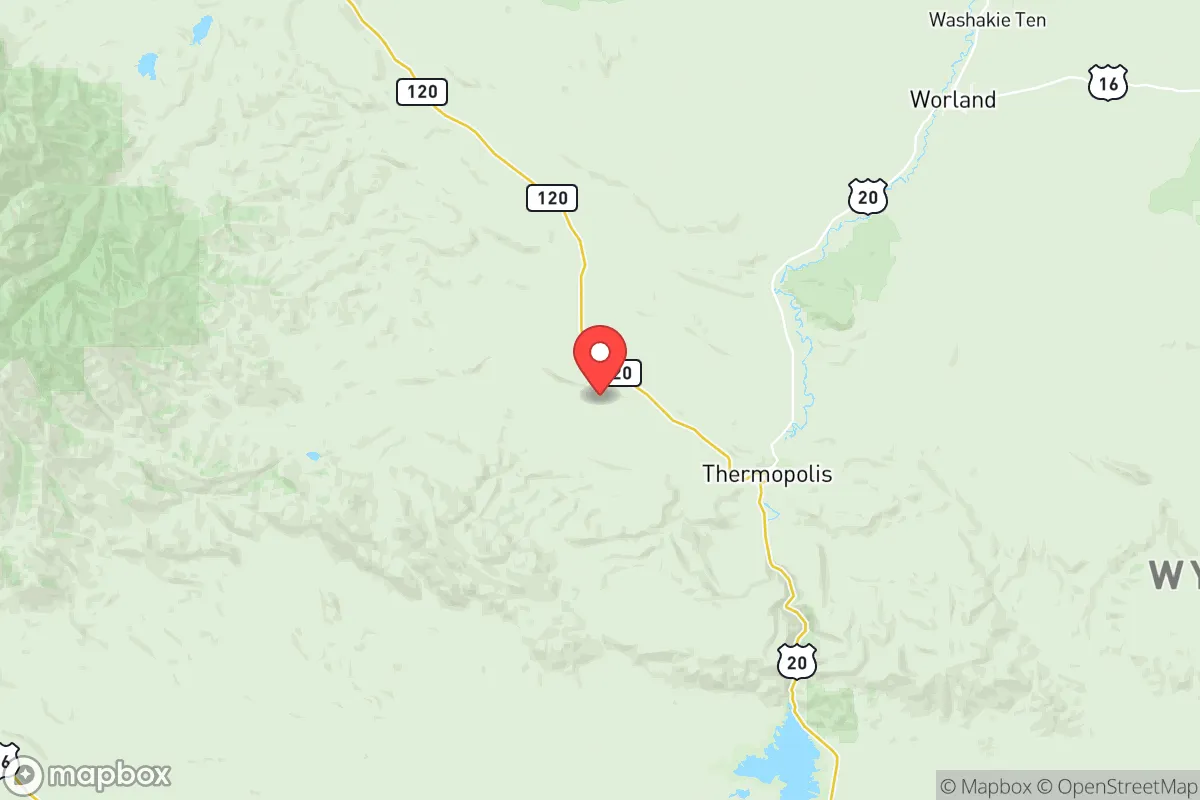
Thermopolis is the county seat and the undisputed population center, home to roughly 3,000 of the county’s 4,500 residents. Daily life here revolves around the Hot Springs State Park, which provides free public thermal pools, a bison herd, and the Wyoming Dinosaur Center. The town has a walkable downtown core with a grocery store, a hospital (Hot Springs County Memorial Hospital), and a handful of local restaurants and shops. Housing is affordable—median home value is $214,400 and median rent is $976—making it a practical base for remote workers or retirees. The town’s schools, including Ralph Witters Elementary and Hot Springs County High School, serve most county families. Thermopolis also hosts the annual Gift of the Waters Pageant and draws travelers along US-20, but it lacks big-box retail or a major airport, so residents often drive 90 minutes to Riverton or 2 hours to Casper for larger errands.
Smaller towns & rural pockets
Beyond Thermopolis, the county’s smaller communities offer a quieter, more land-based lifestyle. Kirby, a tiny unincorporated hamlet about 10 miles north, consists of a few dozen homes and ranches along the Bighorn River, with no commercial services—residents commute to Thermopolis for supplies. Hamilton Dome, an unincorporated area west of Thermopolis, is known for its geothermal hot springs and sparse population, attracting those who want thermal access without town density. The Owl Creek Mountains foothills and the Bighorn Basin floor contain scattered ranchettes and working cattle operations, where homes often sit on 10-40 acres. These areas have no municipal water or sewer; residents rely on wells and septic systems. The rural pockets are ideal for those seeking privacy, stargazing, and direct access to BLM land for hunting or hiking, but they require self-sufficiency and a tolerance for gravel roads and limited internet options (though Starlink is increasingly common).
Cost & lifestyle range
The cost spread across Hot Springs County is narrow but meaningful. At the low end, a modest 2-bedroom home in Thermopolis can rent for $700–$900, while a fixer-upper on a small lot might sell for $150,000–$180,000. In rural areas like Kirby or Hamilton Dome, land prices are lower per acre—often $1,000–$3,000 per acre—but total property costs rise with acreage; a 20-acre parcel with a manufactured home might run $250,000–$300,000. At the higher end, newer custom homes along the Bighorn River near Thermopolis’s east edge can exceed $400,000, offering riverfront views and modern finishes. Utility costs are slightly above average due to heating needs in winter, but property taxes remain low (Wyoming has no state income tax). The lifestyle range is stark: Thermopolis provides sidewalks, a library, and a community pool, while rural residents trade those amenities for absolute quiet, wildlife sightings, and the ability to keep horses or livestock. The average commute of under 14 minutes reflects how compact the county is—even the most remote homes are rarely more than 20 minutes from Thermopolis’s grocery store or clinic.
This county suits people who value affordability, thermal recreation, and a slower pace over urban amenities. Retirees on fixed incomes, outdoor enthusiasts who fish the Bighorn or hunt the Owl Creeks, and families seeking a safe, low-crime environment will find a good fit here. Those who need frequent flights, diverse dining, or high-speed urban infrastructure should look elsewhere. Hot Springs County delivers a genuine Wyoming experience—practical, land-connected, and unpretentious—across a spectrum from town convenience to rural independence.

Crime in Hot Springs County
Generally safer than 72% of comparable U.S. locations.
Violent CrimeViolent Crime Analysis
Property CrimeProperty Crime Analysis
Crime Analysis
Hot Springs County, Wyoming, reports a violent crime rate of 170 per 100,000 residents and a property crime rate of 1,006.2 per 100,000, placing it in a middle tier for safety within the state. While the county’s violent crime rate is slightly below the national average, its property crime rate exceeds both state and national benchmarks, making property theft and vandalism the primary safety concerns for residents. The county’s small population—roughly 4,600 people—means that even a handful of incidents can skew annual statistics, so year-to-year fluctuations are common.
Crime in context
Wyoming’s statewide violent crime rate hovers around 240 per 100,000, meaning Hot Springs County’s 170 per 100,000 is notably safer than the state average. However, the county’s property crime rate of 1,006.2 per 100,000 is significantly higher than Wyoming’s average of roughly 1,800 per 100,000—but still below the national property crime rate of approximately 1,950 per 100,000. The primary driver of property crime in the county is theft from vehicles and outbuildings, particularly in unincorporated areas near Thermopolis, the county seat and largest town. By contrast, the smaller communities of Kirby and Owl Creek report fewer incidents, largely due to their tight-knit populations and limited commercial activity. The county’s judicial district, the 5th Judicial District, covers Hot Springs, Park, and Big Horn counties; the district attorney’s office in Thermopolis has historically pursued property crime cases with moderate vigor, though resource constraints in rural Wyoming can delay prosecutions.
What residents experience
For most residents, daily life in Hot Springs County feels safe, with violent crime being rare and typically confined to domestic disputes or isolated incidents. The 170 per 100,000 violent crime rate translates to roughly 8 reported violent crimes per year across the entire county—a figure that includes aggravated assault, robbery, and a very small number of rapes. Property crime, however, is a more tangible nuisance. Residents in Thermopolis frequently report thefts from unlocked vehicles and break-ins at seasonal cabins, particularly along the Wind River Canyon corridor. The town of Hamilton Dome, a tiny unincorporated area, sees occasional rural burglaries targeting ranch equipment. Law enforcement coverage is provided by the Hot Springs County Sheriff’s Office, which patrols all areas outside Thermopolis, and the Thermopolis Police Department within town limits. Both agencies are understaffed relative to national standards, meaning response times can stretch during peak tourist seasons when the county’s population swells with visitors to Hot Springs State Park.
Neighborhood-level variation is modest but worth noting. The historic district around Broadway Street in Thermopolis, which hosts bars and late-night businesses, sees a higher concentration of disorderly conduct and minor thefts compared to the residential areas near Wyoming Avenue and the Hot Springs County High School. The rural stretches between Thermopolis and Kirby are generally very safe, though the isolation can make victims of property crime feel particularly vulnerable. The county’s progressive-leaning judicial philosophy—while sympathetic to rehabilitation—has led to criticism from residents who feel that repeat property offenders receive lenient sentences, contributing to a perception that the justice system prioritizes offender outcomes over public safety. For those considering relocation, the safest choice is a home in the established residential neighborhoods of Thermopolis or the quiet outskirts of Kirby, where neighborly watchfulness and low traffic deter most criminal activity.
* Values derived from national, state, county, city and local statistics and may differ in a specific area. Last updated: 2026-05-12T08:41:48.000Z
Narrative content on this page is AI-generated and may contain mistakes. Verify any details that matter before acting on them.
ReloMaps may earn a commission from affiliate links at no extra cost to you.

