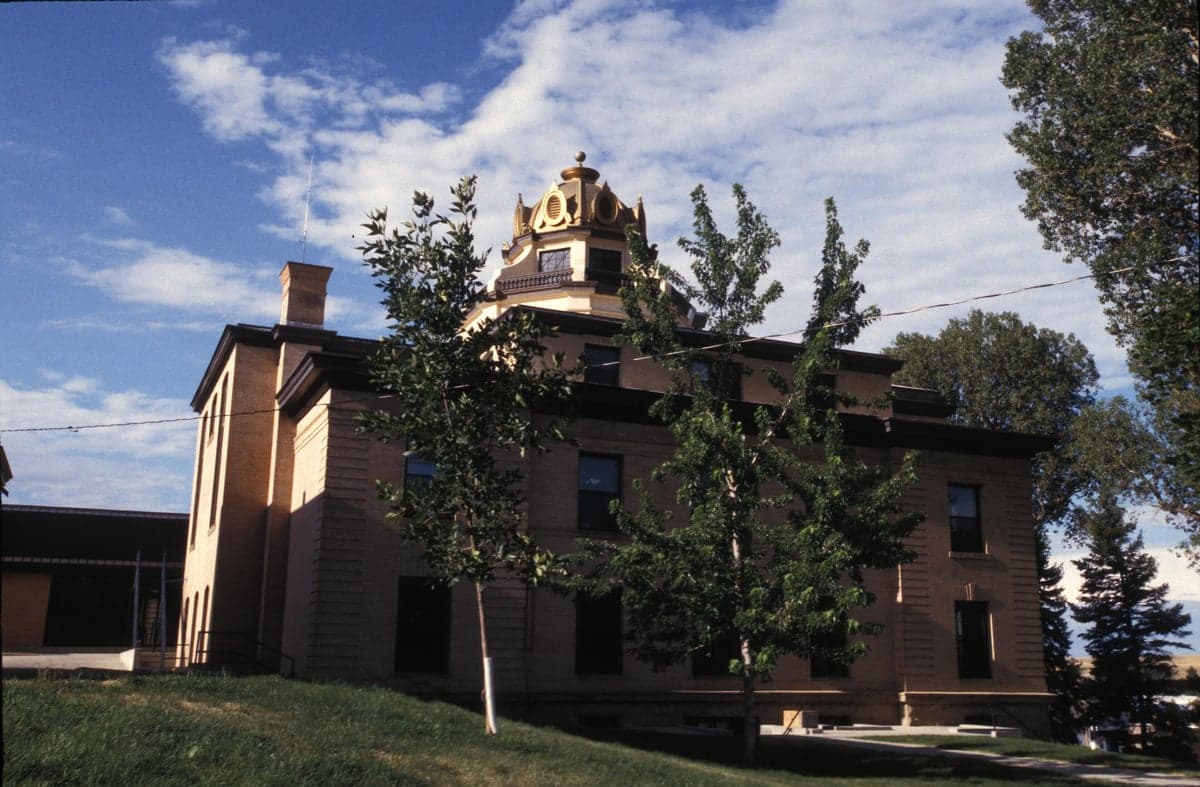
Photo: Wikipedia
Quality of Life in Sheridan County
A livable area that tracks near national norms for affordability, walkability, and neighborhood health.
What does Quality of Life tell us?
Quality of Life measures an area by evaluating factors like cost of living, nearby amenities, country club access, airport proximity, socioeconomic signals and neighborhood character. For large states, this is a general average — quality of life can vary dramatically between metro areas, suburbs, and rural communities within the same state.
What does this tell us?
Quality of Life measures an area by evaluating factors like cost of living, nearby amenities, country club access, airport proximity, socioeconomic signals and neighborhood character. For large states, this is a general average — quality of life can vary dramatically between metro areas, suburbs, and rural communities within the same state.
Cost of Living
1% below national average
70%
The Real Cost of Living in Sheridan County for 2026
| Tier | Individual | Family (4) |
|---|---|---|
| Survival | $15k | $29k |
| Comfortable | $68k | $101k |
| Luxury | $117k+ | $182k+ |
| Elite (Top 5%) | $138k+ | $214k+ |
Quality-of-Life Analysis
Sheridan County, Wyoming, offers a spectrum of living environments that range from the walkable, amenity-rich hub of Sheridan to the quiet, agricultural expanses of the Tongue River Valley and the Big Horn foothills. The county attracts a mix of outdoor enthusiasts, remote workers, and families seeking a lower cost of living than the Front Range, with each area offering a distinct trade-off between convenience and seclusion. With a cost of living index of 99 (on par with the national average) and a median home value of $352,200, the county provides a relatively affordable entry point into the Rocky Mountain region, though prices and lifestyle vary significantly between the town core and the outlying communities.
Largest town(s) & population centers
The city of Sheridan is the undisputed population and economic center, home to roughly 18,000 residents and the county seat. Daily life here is defined by a compact, historic downtown anchored by the Sheridan Inn and a walkable Main Street with independent shops, breweries, and restaurants. The city offers the region's best access to healthcare via Sheridan Memorial Hospital, a full-service grocery selection, and cultural amenities like the WYO Theater and the Brinton Museum. Commute times are exceptionally short — the county average is just under 16 minutes — meaning most residents can reach work, school, or recreation within a quick drive. The median rent of $950 makes Sheridan one of the more affordable town centers in the Intermountain West, though home prices in desirable neighborhoods near the historic district or Kendrick Park can push well above the county median. The city draws professionals in healthcare, education (Sheridan College), and energy, as well as retirees seeking walkability and services.
Smaller towns & rural pockets
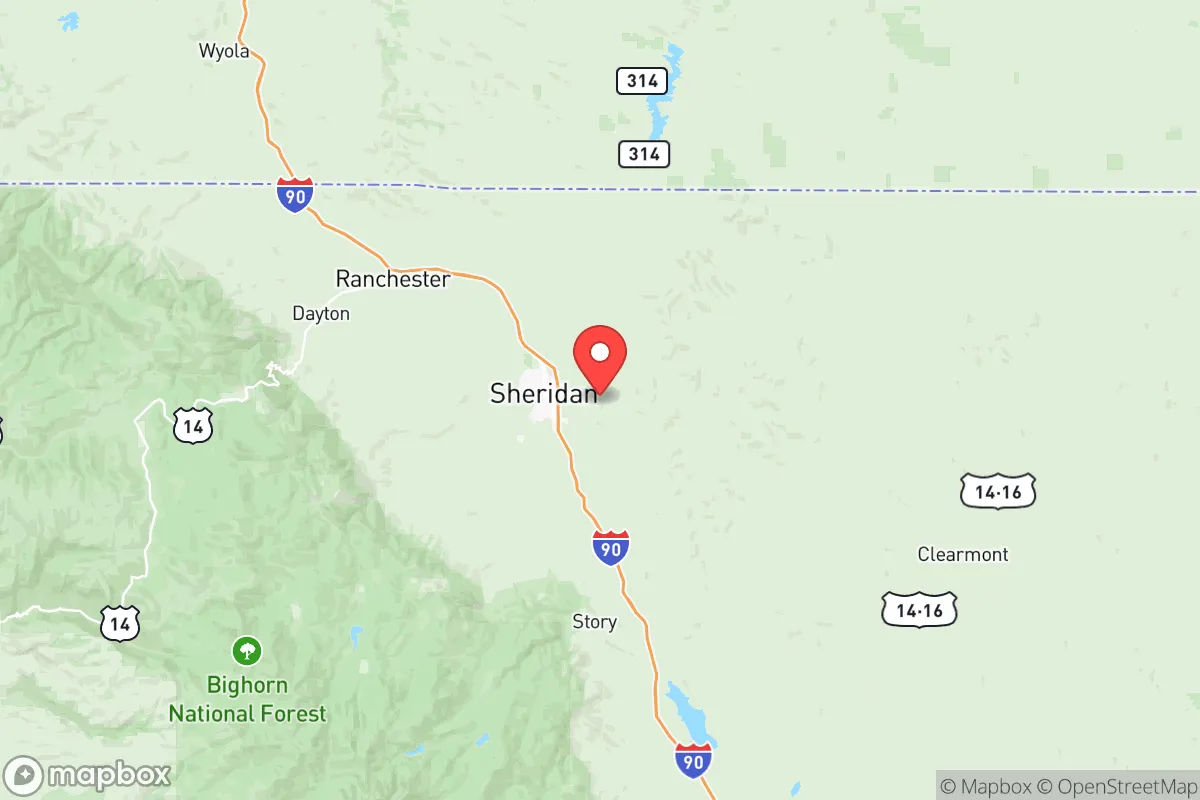
Outside Sheridan, the county's smaller communities offer a markedly quieter pace. Ranchester and Dayton, located about 15–20 minutes north along the Tongue River, are former railroad and mining towns now serving as bedroom communities and gateways to the Big Horn National Forest. Dayton, in particular, has a small but active commercial strip and is popular with families who want a rural feel without total isolation. Further south, Story is a tight-knit unincorporated community in the foothills, known for its volunteer fire department, general store, and proximity to hiking and fishing on the South Piney Creek. The rural areas between these towns — particularly along the Red Grade Road corridor and the ranching country west of I-90 — are dominated by large-acreage properties, working cattle ranches, and second homes. These pockets offer privacy and direct access to public lands but require self-reliance, as services like grocery stores and medical clinics are a 20- to 30-minute drive away.
Cost & lifestyle range
The cost spread across Sheridan County is driven primarily by housing type and location. At the lower end, renters and first-time buyers can find modest homes and apartments in Sheridan proper or in Ranchester for under the county median, with some two-bedroom rentals available for $800–$950. At the upper end, custom homes on acreage in the Story or Big Horn areas — especially those with mountain views or creek frontage — frequently list between $600,000 and $1.2 million, reflecting the premium for land and privacy. The county's overall cost of living index of 99 is a blend: utility and grocery costs are slightly above the national average, while housing remains below the Wyoming median of roughly $380,000. Property taxes are low by national standards (Wyoming has no state income tax), which appeals to both retirees and remote workers. The trade-off is clear: living in Sheridan means paying more for less land but gaining walkability and services; living in Dayton or rural Ranchester means a longer drive for groceries but a lower purchase price per acre and direct access to the Big Horns.
Sheridan County is best suited for people who value outdoor recreation — hunting, fly fishing, hiking, and snowmobiling — and who want a genuine small-town or rural lifestyle without the premium prices of Jackson Hole or Bozeman. Remote workers and retirees with stable incomes will find the low tax burden and short commutes appealing, while families should weigh the limited after-school activities and retail options outside Sheridan against the safety and space of the smaller communities. The county works well for those who can tolerate cold winters and a 45-minute drive to the nearest major airport (Billings, MT) in exchange for a lower cost of entry to the Rocky Mountain West.

Crime in Sheridan County
Generally safer than 71% of comparable U.S. locations.
Violent CrimeViolent Crime Analysis
Property CrimeProperty Crime Analysis
Crime Analysis
Sheridan County, Wyoming, maintains a safety profile that is notably safer than the national average for violent crime but faces property crime rates that exceed both state and national benchmarks. With a violent crime rate of 172.6 incidents per 100,000 residents and a property crime rate of 1,014.2 per 100,000, the county presents a mixed picture where residents enjoy relative personal safety but must remain vigilant against theft and burglary, particularly in more populated areas like the city of Sheridan and the town of Ranchester.
Crime in context
Sheridan County's violent crime rate of 172.6 per 100,000 is roughly half the national average of approximately 380 per 100,000, placing it among the safer rural counties in the Mountain West. However, the property crime rate of 1,014.2 per 100,000 sits above the Wyoming state average of roughly 900 per 100,000 and is significantly higher than many neighboring counties like Johnson County to the south. The disparity is largely driven by theft and vehicle break-ins in the county's commercial and tourist corridors, particularly along the I-90 corridor through Sheridan and the smaller communities of Dayton and Ranchester. The Sheridan County Attorney's Office has maintained a consistently conservative approach to prosecution, which helps keep violent crime low, but property crime remains a persistent challenge tied to transient populations and seasonal tourism.
What residents experience
For most residents, the day-to-day experience of crime in Sheridan County is dominated by property offenses rather than violent confrontations. The city of Sheridan, the county seat and largest population center, accounts for the majority of reported incidents, with neighborhoods near Main Street and the historic district seeing higher rates of vehicle larceny and shoplifting. In contrast, the smaller towns of Big Horn and Banner report very few incidents annually, offering a quieter, more insulated lifestyle. Residents in the county's unincorporated areas, such as those along the Tongue River Valley, typically experience the lowest crime rates in the county, though they face longer emergency response times. The county's judicial district, part of Wyoming's 4th Judicial District, is known for a law-and-order philosophy, with judges who impose meaningful sentences for repeat offenders — a factor that contributes to the county's relatively low violent crime rate compared to more progressive jurisdictions elsewhere in the country.
Neighborhood-level variation in Sheridan County is pronounced. The city of Sheridan itself has pockets of higher activity near the downtown core and along the Coffeen Avenue commercial strip, while the south side and newer subdivisions near the golf course and hospital report far fewer incidents. The town of Ranchester, located near the Montana border, sees occasional property crime tied to interstate traffic, while Dayton, a smaller community to the west, remains one of the safest spots in the county. For those considering relocation, the safest residential choices are generally the outlying rural subdivisions and the smaller towns of Big Horn and Banner, where community watch programs and low population density keep crime rates minimal. Overall, Sheridan County offers a strong safety foundation for families and retirees, provided they take standard precautions against property crime in the more populated areas.
* Values derived from national, state, county, city and local statistics and may differ in a specific area. Last updated: 2026-08-08T16:39:13.000Z
Narrative content on this page is AI-generated and may contain mistakes. Verify any details that matter before acting on them.
ReloMaps may earn a commission from affiliate links at no extra cost to you.

