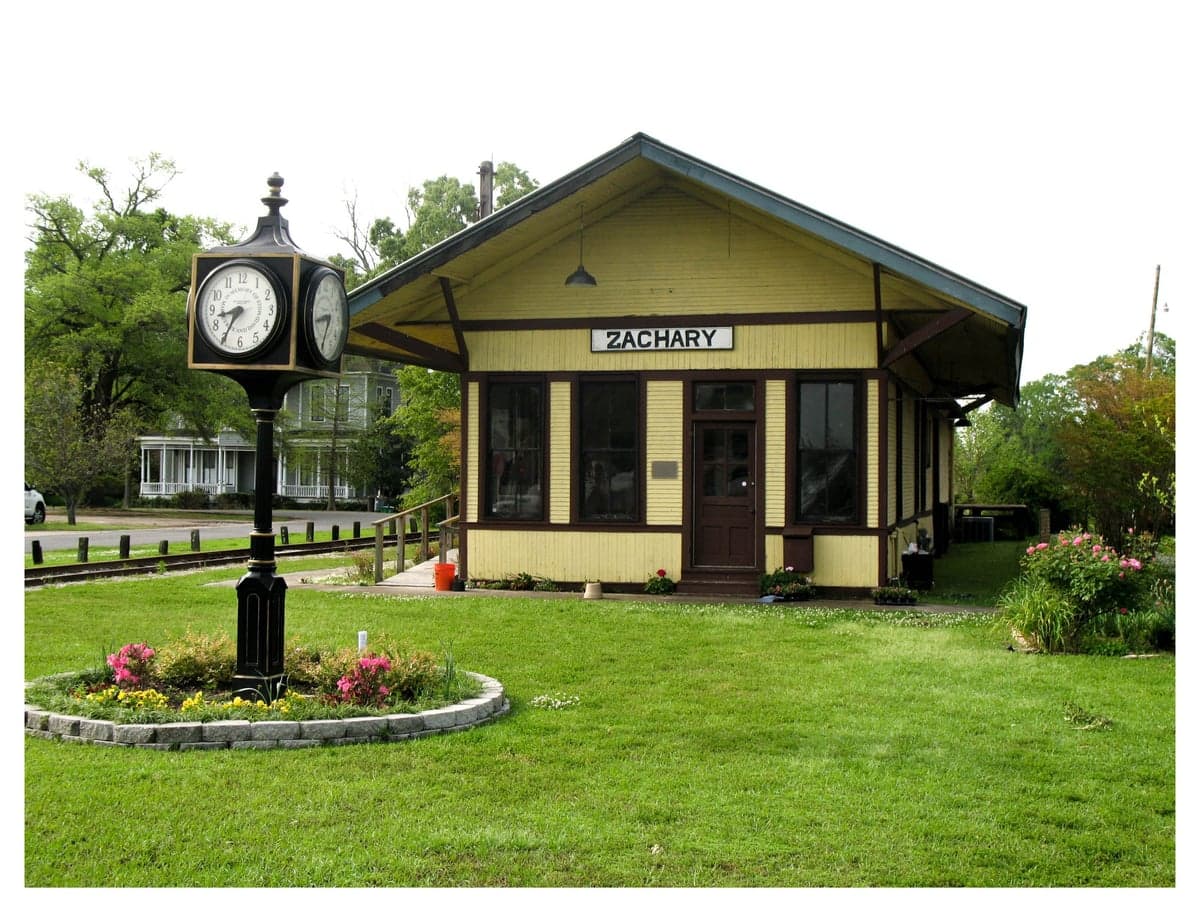
Photo: Wikipedia
Quality of Life in Zachary, LA
A high quality of life with strong walkability, manageable living costs, healthy neighborhood signals, and solid amenity access.
What does Quality of Life tell us?
Quality of Life blends cost of living, nearby amenities, socioeconomic signals, and neighborhood character. City-level scores represent the whole municipality; individual neighborhoods can differ.
What does this tell us?
Quality of Life blends cost of living, nearby amenities, socioeconomic signals, and neighborhood character. City-level scores represent the whole municipality; individual neighborhoods can differ.
Cost of Living
11% above national average
The Real Cost of Living in Zachary, LA for 2026
| Tier | Individual | Family (4) |
|---|---|---|
| Survival | $23k | $43k |
| Comfortable | $50k | $74k |
| Luxury | $150k+ | $233k+ |
| Elite (Top 5%) | $177k+ | $274k+ |
123%
The Area Signal
A metric tracking the socioeconomic signals of the area.
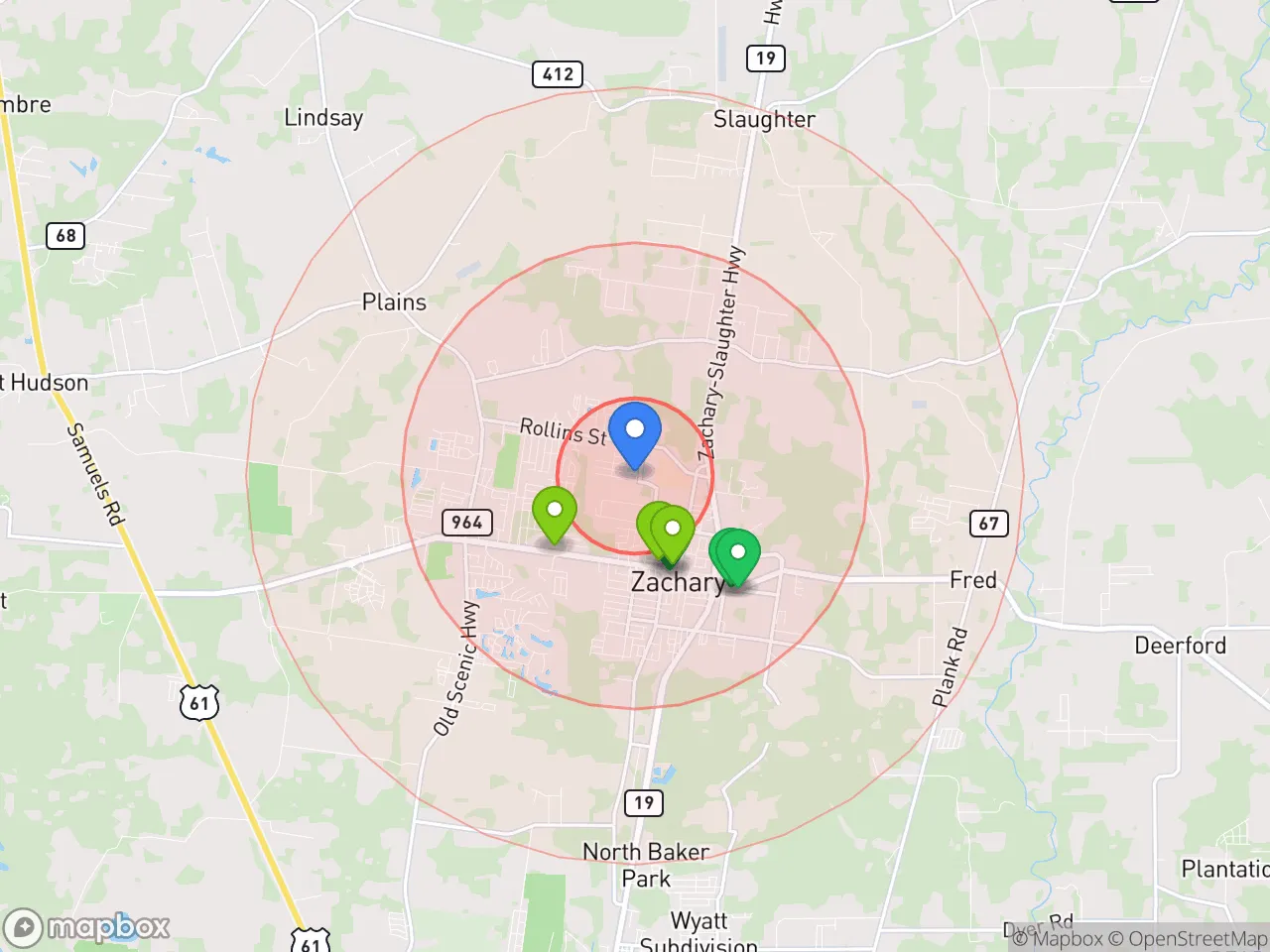
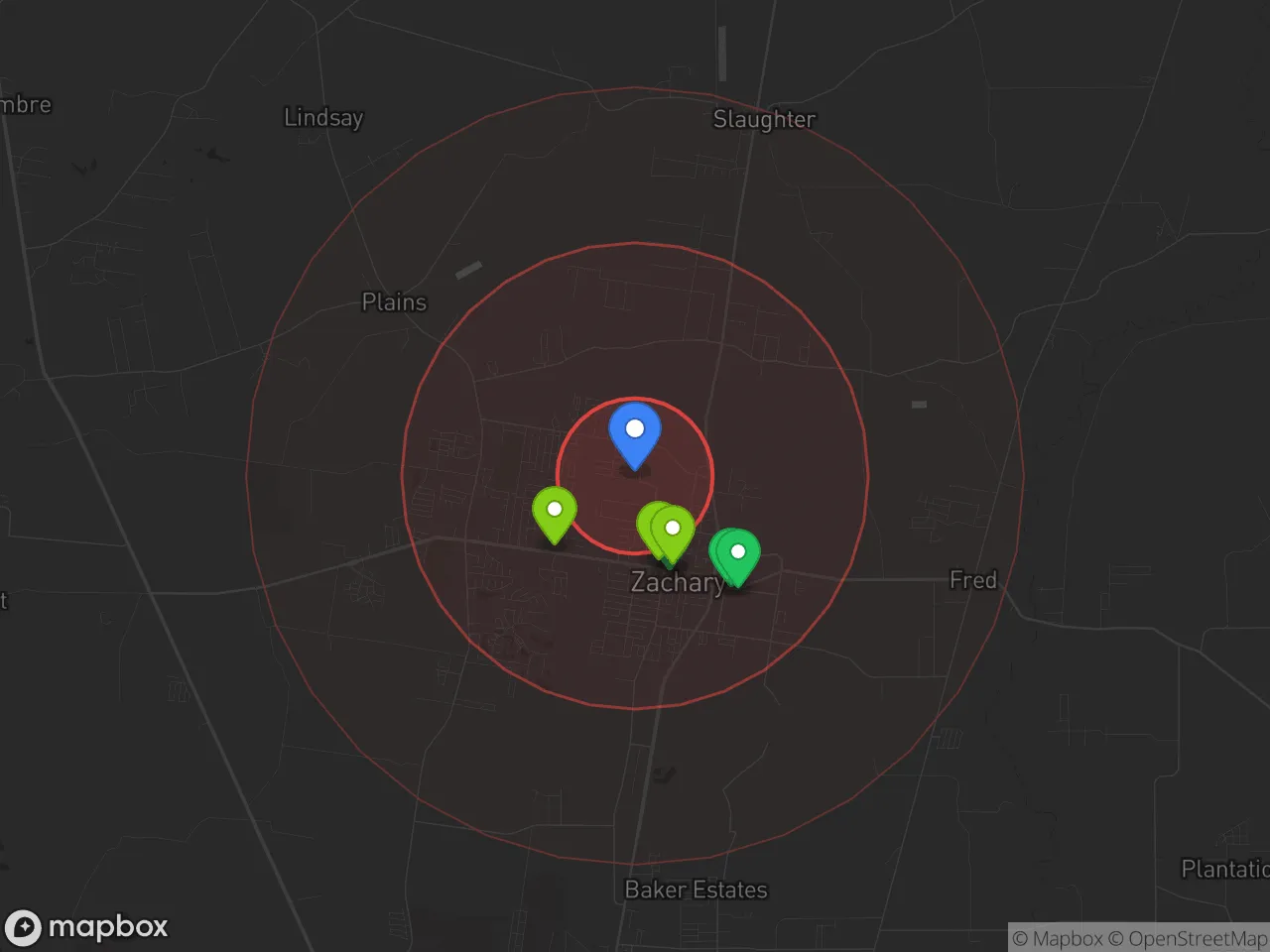
Hobbies
Explore the areaGroceries
2 within 10 miles
Gas
14 within 10 miles
Hospital
20 within 20 miles
Airport
IAH — George Bush Intercontinental
Post Office
USPS — Zachary, LA
Critical Amenities
Quality-of-Life Analysis
Zachary, Louisiana, presents a distinctly affluent quality of life within the Baton Rouge metropolitan area, characterized by a strong sense of community, highly-rated public schools, and a suburban atmosphere that attracts families and professionals seeking a quieter, safer alternative to the capital city. With a cost of living index of 111—11% above the national average—the city commands a premium for its amenities and housing stock, drawing residents who prioritize space, education, and low crime rates over urban convenience. The typical resident is a homeowner, often a professional commuting to Baton Rouge or working in local healthcare and education, who values the slower pace and family-oriented environment that defines this East Baton Rouge Parish suburb.
Cost of living, housing market, and affordability compared to Baton Rouge
Zachary’s housing market is the primary driver of its above-average cost of living, with a median home value of $258,000 and a median rent of $1,440—both significantly higher than the Baton Rouge metro averages of roughly $215,000 and $1,100, respectively. This premium reflects the city’s desirability: newer subdivisions, larger lot sizes, and a reputation for safety command higher prices. For buyers, the market leans toward single-family homes in planned communities like the Country Club of Louisiana or established neighborhoods near Zachary High School, with inventory often moving quickly. Renters face a tighter market, with limited apartment complexes and a higher share of single-family rentals, making the $1,440 median a realistic floor for a three-bedroom unit. While the cost of groceries and healthcare in Zachary tracks close to national norms, the housing premium means that households earning below the area median income of roughly $85,000 may find affordability a stretch, particularly when compared to more budget-friendly suburbs like Baker or Central. Property taxes in East Baton Rouge Parish hover around 0.9% of assessed value, adding roughly $2,300 annually on a median-priced home—a factor to weigh against the lower tax rates in neighboring Livingston Parish.
What daily life is like for families: schools, amenities, and commute
Daily life in Zachary revolves around its top-tier public school system, which is the city’s strongest draw. Zachary Community School District consistently ranks among Louisiana’s best, with Zachary High School boasting an A rating and strong Advanced Placement participation, while Northwestern Elementary and Zachary Elementary feed into a pipeline that keeps families in the area for the long term. The city’s amenities center on the Zachary Branch Library, the sprawling Zachary Community Park with sports fields and walking trails, and the historic downtown along Church Street, which hosts a seasonal farmers market and community events like the Zachary Balloon Festival. For everyday errands, residents rely on a mix of national chains (Walmart, Rouses) and local eateries, but for major shopping or entertainment, the average commute of 27 minutes to Baton Rouge is a necessary trade-off. That commute—mostly via US-61 and I-110—is manageable but can stretch to 40 minutes during peak hours, a reality for the many professionals working at Baton Rouge’s hospitals, LSU, or state government. The rhythm is distinctly suburban: weekends are for youth sports, church activities, or golf at the Country Club of Louisiana, and the city’s low violent crime rate (roughly 60% below the national average) allows for a relaxed, door-unlocked feel that is increasingly rare in the region.
Zachary is best suited for families and long-term homeowners who prioritize school quality and community safety over urban nightlife or walkability. Professionals willing to trade a 27-minute commute for a larger home and a top-ranked school district will find the premium housing costs justified, while retirees seeking a quiet, low-crime environment may also thrive here, particularly in age-restricted communities like The Bluffs. Singles and young renters on a tighter budget, however, may find the limited rental stock and higher costs push them toward Baton Rouge’s mid-city neighborhoods or more affordable suburbs like Denham Springs. For those who value a cohesive, family-first atmosphere with strong civic engagement, Zachary delivers a quality of life that justifies its price tag.

Crime in Zachary, LA
Generally safer than 66% of comparable U.S. locations.
Violent CrimeViolent Crime Analysis
Property CrimeProperty Crime Analysis
Crime Analysis
Zachary, Louisiana, presents a mixed safety profile for prospective residents. The city’s violent crime rate of 310.7 per 100,000 residents is notably lower than the national average, but its property crime rate of 1,976 per 100,000 is significantly higher, placing it above many peer communities in the Baton Rouge metro area. This combination means that while the risk of a violent encounter is relatively low, the likelihood of experiencing theft, burglary, or vehicle break-ins is a tangible concern for households.
Crime in context
When compared to statewide and national benchmarks, Zachary’s violent crime rate is roughly 15% below the national average, a positive indicator for a small city near a major metro. However, the property crime rate is approximately 40% above the national average, driven largely by larceny-theft and vehicle-related offenses. This pattern is common in suburbs that are easily accessible via major highways, as transient property crime can flow from higher-crime urban cores. It is important to note that Zachary falls under the jurisdiction of East Baton Rouge Parish, which has seen progressive prosecutorial policies in recent years. Critics argue that such an approach, while well-intentioned, can lead to reduced consequences for repeat property offenders, potentially emboldening criminal activity and undermining public confidence in the justice system.
What residents experience
Day-to-day life in Zachary is generally quiet, with most violent crime concentrated in isolated incidents rather than random attacks. Residents report feeling safe walking in their neighborhoods and using local parks, but they are frequently reminded to lock vehicles and secure outdoor items. The city’s police department maintains a visible presence, and community policing initiatives are active. However, the broader metro area’s challenges—including a high overall crime rate in Baton Rouge proper—mean that Zachary is not entirely insulated. The progressive judicial philosophy in the parish has been a point of contention, with some residents expressing frustration that property crime offenders cycle through the system quickly, returning to the same neighborhoods without meaningful rehabilitation or deterrence.
Neighborhood-level variation
Safety in Zachary varies noticeably by area. The newer subdivisions along Highway 64 and near the historic downtown core see the lowest crime rates, benefiting from higher property values and active neighborhood watch programs. Older sections closer to the parish line and areas with more rental properties tend to report higher incidences of property crime. The city’s northern and eastern edges, which border more rural parts of East Baton Rouge Parish, have fewer patrol resources and can experience occasional burglaries. For families, the safest bet is to focus on the well-established, owner-occupied neighborhoods west of the interstate, where community cohesion and private security measures provide an added layer of protection against the metro area’s broader crime trends.
* Values derived from national, state, county, city and local statistics and may differ in a specific area. Last updated: 2026-05-01T18:28:45.000Z
Narrative content on this page is AI-generated and may contain mistakes. Verify any details that matter before acting on them.
ReloMaps may earn a commission from affiliate links at no extra cost to you.

