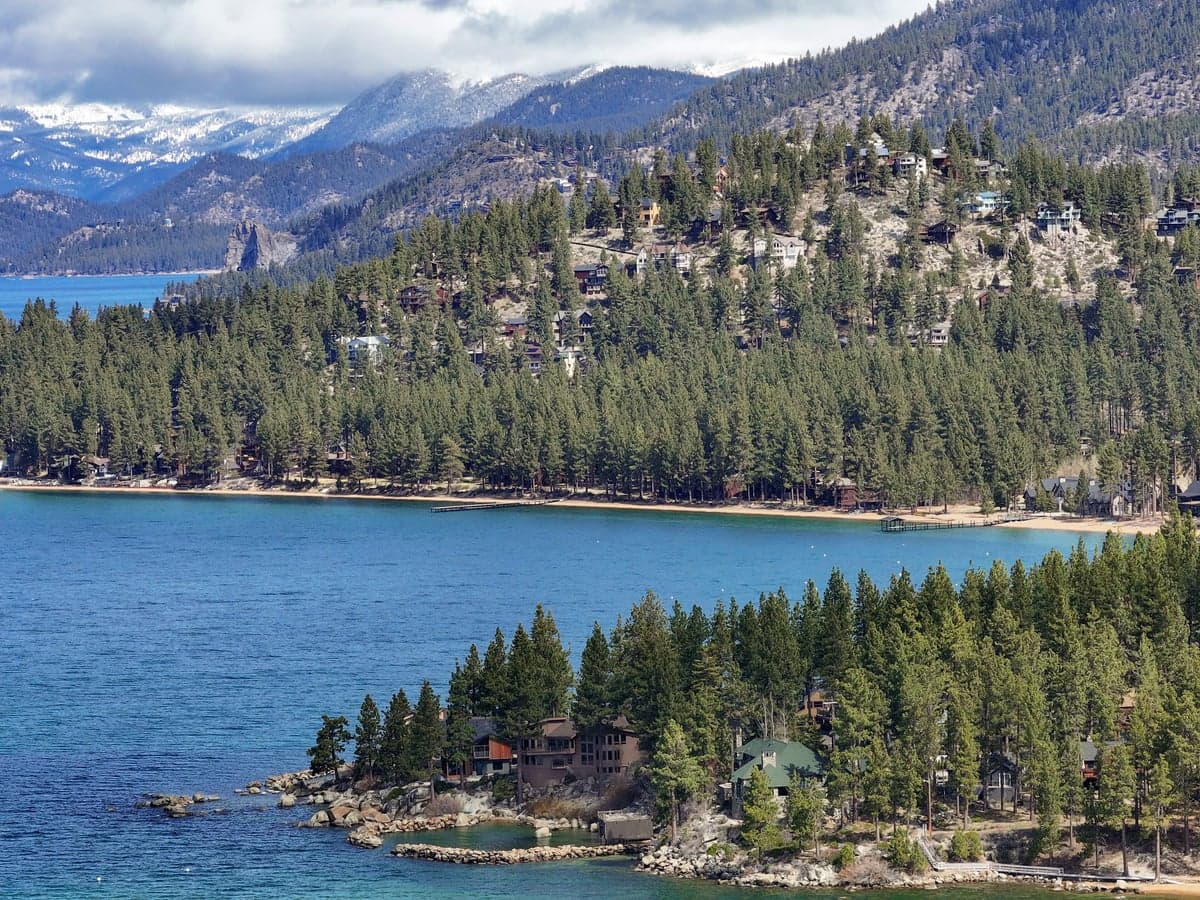
Photo: Wikipedia
Political ClimatePolitical Climate in Zephyr Cove, NV
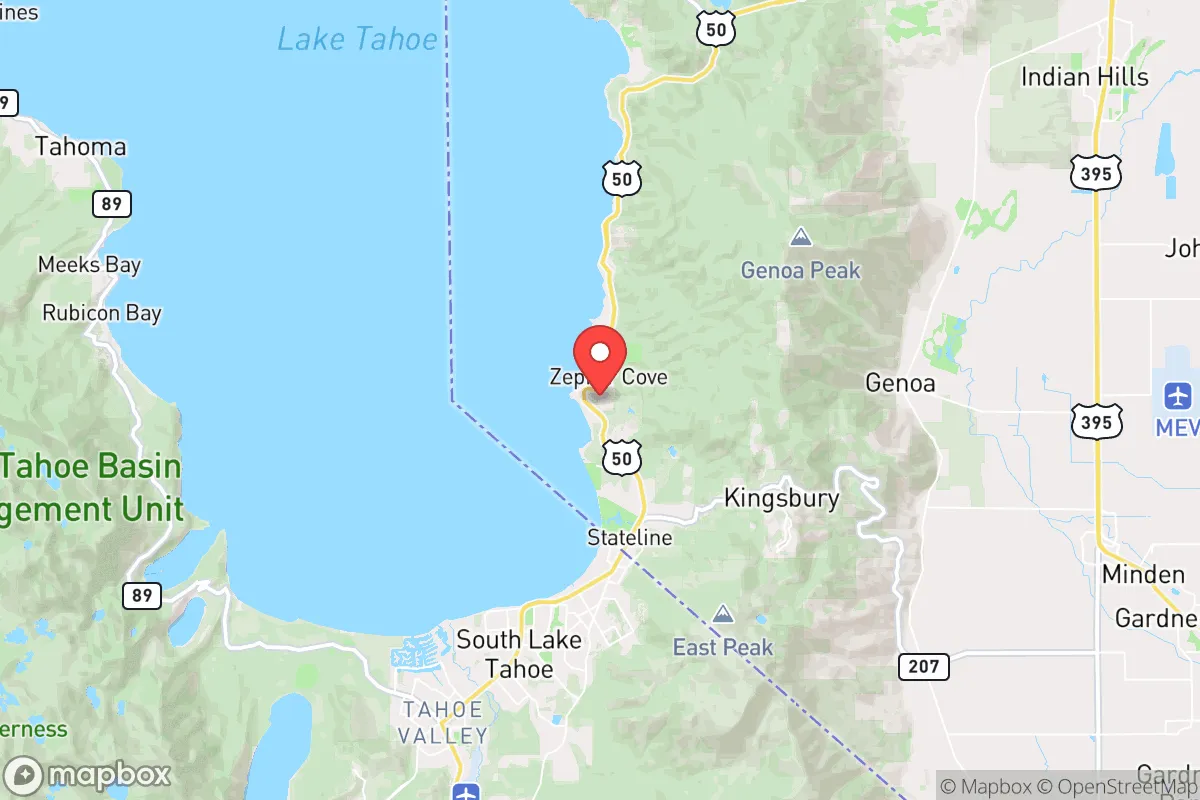
District shown is the primary district for this city’s centroid. Cities may span multiple districts.
Local Political AnalysisPolitical Analysis of Zephyr Cove, NV
Zephyr Cove leans solidly conservative, with a Cook PVI of R+7 that reflects a deep-rooted preference for limited government and personal responsibility. This isn't a new trend—it's been the backbone of the community for decades, though you can feel the political winds shifting as more folks move in from California and the Bay Area. The local vibe still favors individual freedoms over government mandates, but the long-term trajectory is concerning if you value that old-school Nevada independence.
How it compares
Zephyr Cove sits in Douglas County, which is one of the more reliably red areas in the state. Drive 15 minutes north to Incline Village, and you'll hit a different world—that community leans more moderate to liberal, thanks to its wealthier, transplant-heavy population. Head south to Carson City, and you'll find a mix, but it's still more purple than Zephyr Cove. The real contrast is with Reno, about 45 minutes away, which has been trending left for years, especially since the tech and university crowd moved in. Zephyr Cove remains a holdout where people still believe in low taxes, fewer regulations, and the right to live without a government official peeking over your shoulder. That R+7 rating isn't just a number—it's a statement that this area isn't eager to follow the progressive playbook.
What this means for residents
For those living here, the political climate means a lighter touch from local government. Property taxes stay reasonable, zoning rules are less intrusive, and there's a general sense that you can do what you want on your own land—within reason. But there's a growing unease. The county commission has seen some close votes on issues like short-term rental restrictions and environmental regulations that feel like overreach. If you value the right to carry a firearm without a permission slip or want to keep your kids' school curriculum free of ideological indoctrination, Zephyr Cove is still a safe bet. But watch the school board elections and the planning commission meetings—those are the battlegrounds where progressive ideas sneak in under the radar. The long-term worry is that as the Lake Tahoe basin gets more crowded, outside pressure from state-level mandates in Carson City or federal rules from D.C. will erode the local control that makes this place worth living in.
Culturally, Zephyr Cove is a place where people wave from their trucks and don't lock their doors—but that's changing. The biggest policy distinction is the fierce opposition to any new taxes or fees, especially those tied to environmental "improvements" that feel like a backdoor way to price out working families. There's also a strong libertarian streak here: folks don't want a mask mandate or a vaccine passport, and they'll tell you so at the grocery store. If you're looking for a community that still believes in the Second Amendment, local autonomy, and the idea that your home is your castle, Zephyr Cove delivers. Just keep an eye on the ballot box—because the next few election cycles will decide whether this place stays true to its roots or gets swallowed by the progressive tide sweeping the West Coast.

State Political ClimatePolitical Climate in Nevada
State Political AnalysisPolitical Environment in the State
Nevada is a classic swing state with a libertarian streak, but over the last 20 years it’s drifted from a purple battleground to a reliably blue state in presidential elections, largely driven by the massive growth of Clark County (Las Vegas) and the influx of service-industry workers and out-of-state transplants. The state’s political soul is split between the libertarian-leaning, tax-averse rural counties and the increasingly progressive, union-dominated urban corridor along I-15. If you’re looking at Nevada for a move, understand that the state’s famous “live and let live” ethos is under serious strain from one-party rule in Carson City, and the trajectory is concerning for anyone who values limited government and personal freedom.
Urban vs. rural divide
The political map of Nevada is a tale of two worlds. Clark County (Las Vegas, Henderson, North Las Vegas) holds about 73% of the state’s population and votes reliably Democratic in statewide races. In 2020, Clark County gave Joe Biden a margin of over 200,000 votes, effectively deciding the state. The Las Vegas Strip unions—primarily the Culinary Workers Union—are a political powerhouse, turning out massive get-out-the-vote operations for Democrats. Meanwhile, Washoe County (Reno, Sparks) is the true swing county, flipping between parties; it went for Trump in 2016 and 2024 but for Biden in 2020, making it the key battleground. The rest of the state—rural counties like Elko, Nye, and White Pine—are deep red, often voting 70-80% Republican, but their populations are too small to counterbalance Clark County. A notable exception is Douglas County (Minden, Gardnerville), which remains one of the most conservative enclaves in the state, with strong gun rights and anti-tax sentiment. The urban-rural divide is stark: Las Vegas feels like a different country from the ranching communities of northern Nevada.
Policy environment
Nevada’s policy environment is a mixed bag that reflects its libertarian roots and recent progressive shifts. On the plus side, there is no state income tax, which is a huge draw for individuals and businesses. Property taxes are capped and relatively low compared to California. However, the state’s sales tax is high (8.25% in Clark County), and the state relies heavily on gaming and tourism revenue, making it vulnerable to economic downturns. Education policy is a major concern: Nevada consistently ranks near the bottom nationally in K-12 outcomes, and the state’s school choice options are limited compared to Arizona or Florida. The 2023 legislature passed a universal school voucher program (SB 400), but it’s underfunded and faces legal challenges. On healthcare, Nevada expanded Medicaid under Obamacare, and the state has a high uninsured rate. Election laws have become a flashpoint: Nevada automatically mails ballots to all active registered voters (passed in 2021 via AB 321), a move that conservatives argue weakens ballot security. Same-day voter registration and no-excuse mail voting are now permanent, which has drawn criticism from those concerned about election integrity.
Trajectory & freedom
The trajectory over the last decade is unmistakably toward less freedom, especially in the areas of gun rights, parental rights, and economic liberty. Nevada passed a “red flag” law (SB 143) in 2023, allowing courts to temporarily confiscate firearms from individuals deemed a risk, without a criminal conviction or mental health adjudication—a major red flag for Second Amendment supporters. The same year, the legislature passed a ban on “ghost guns” and raised the purchase age for semiautomatic rifles to 21. On parental rights, Nevada has moved in the opposite direction of states like Florida: the 2023 session passed AB 195, which prohibits schools from notifying parents if a child changes their gender identity or pronouns, overriding parental authority. Medical freedom took a hit with the state’s strict COVID-19 mandates in 2020-2021, which included some of the longest-lasting mask and vaccine requirements in the West. On the positive side, Nevada has no state income tax and no estate tax, preserving some economic freedom. But the trend is clear: the legislature, controlled by Democrats since 2019, is pushing California-style policies, and the rural counties are losing the fight.
Civil unrest & political movements
Nevada has seen its share of political flashpoints. The 2020 election was a major battleground, with the Trump campaign challenging the state’s mail-in ballot process and alleging irregularities in Clark County. The “Stop the Steal” movement had a strong presence in rural areas, and the 2021 “Patriot Rally” in Carson City drew thousands. On the left, the 2020 Black Lives Matter protests in Las Vegas turned violent, with looting and clashes with police. Immigration politics are a constant tension: Nevada is a “sanctuary” state in practice, with Las Vegas and Reno both having “welcoming city” ordinances that limit cooperation with ICE. The state’s large Latino population (about 30%) is a key Democratic voting bloc, and immigration enforcement is a hot-button issue. The “Rural Nevada” secession movement, which periodically floats the idea of splitting the state into two, has gained some traction in places like Elko and Eureka, where residents feel ignored by Carson City. Election integrity remains a sore spot: the 2022 midterms saw a close governor’s race, and many conservatives remain skeptical of the state’s mail-in ballot system.
Projection
Looking five to ten years out, the trend is not favorable for conservatives. In-migration from California continues to drive population growth in Clark County and Washoe County, bringing more progressive voters and higher housing costs. The 2024 election showed Nevada is still a swing state, but the Democratic machine in Clark County is deeply entrenched. The state’s rural counties are losing population, further diluting their political influence. The 2030 redistricting cycle could lock in Democratic control of the legislature for another decade. On the policy front, expect more gun control, more parental rights erosion, and potentially a push for a state income tax if the gaming industry faces a downturn. The one wild card is the libertarian streak: many Nevadans, even in Las Vegas, value low taxes and personal autonomy, which could create a backlash against overreach. But for now, the state is on a path to becoming a blue state with a red rural fringe, similar to Colorado or New Mexico.
Bottom line for a new resident: If you’re moving to Nevada, you’re getting no state income tax and a relatively low cost of living compared to California, but you’re also getting a state government that is increasingly hostile to gun rights, parental authority, and election integrity. The best bet for a conservative-leaning family is to settle in a red enclave like Douglas County (Minden, Gardnerville) or the rural areas around Elko, where local government is more aligned with your values. But be prepared to fight for your freedoms at the state level—the political winds are blowing the wrong way, and the fight is only going to get harder.
* Values derived from national, state, county, city and local statistics and may differ in a specific area. Last updated: 2026-04-23T04:13:43.000Z
Narrative content on this page is AI-generated and may contain mistakes. Verify any details that matter before acting on them.
ReloMaps may earn a commission from affiliate links at no extra cost to you.

